
When it comes to spreading seeds, fertilizer, or lawn treatments, choosing the right tool can make all the difference for your lawn’s health and appearance. You might have heard about broadcast spreaders and drop spreaders, but which one is best for your needs?
Understanding the key differences between these two types of spreaders can save you time, money, and frustration. You’ll discover exactly how each spreader works and which one suits your lawn care goals. Keep reading to find out how to get the most out of your lawn care efforts with the right spreader in hand.
Credit: treecarezone.com
Types Of Lawn Spreaders
Lawn spreaders help you spread seeds, fertilizer, or other materials evenly. There are two main types: broadcast spreaders and drop spreaders.
Each type works differently and suits different lawn care needs. Knowing the differences helps you choose the right spreader.
Broadcast Spreaders
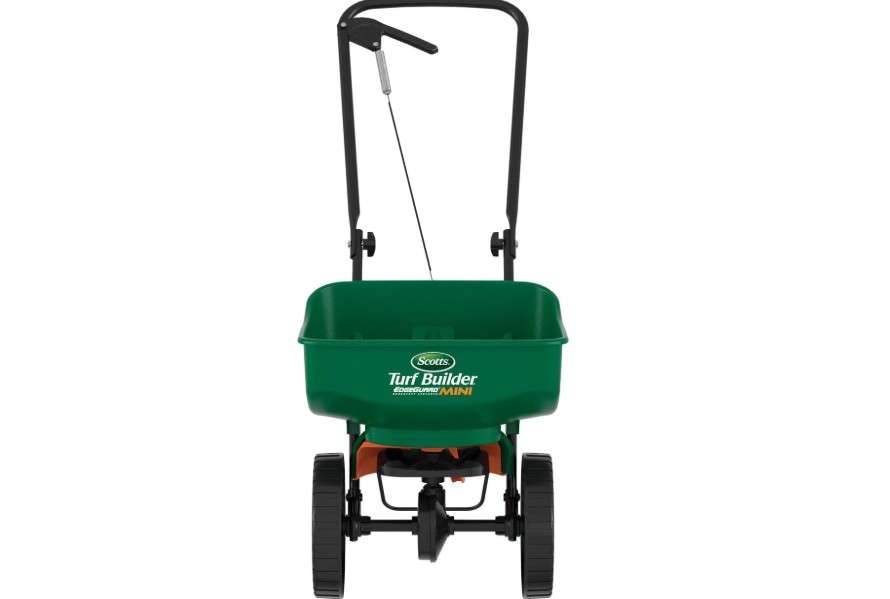
Broadcast spreaders throw material over a wide area as you walk. They use a spinning mechanism to spread seeds or fertilizer in a fan shape.
This type covers large areas quickly but may spread material unevenly near edges. They are good for big lawns and open spaces.
- Spreads material widely and quickly
- Can cover large lawns fast
- May scatter material beyond target area
- Less precise near garden edges
Drop Spreaders
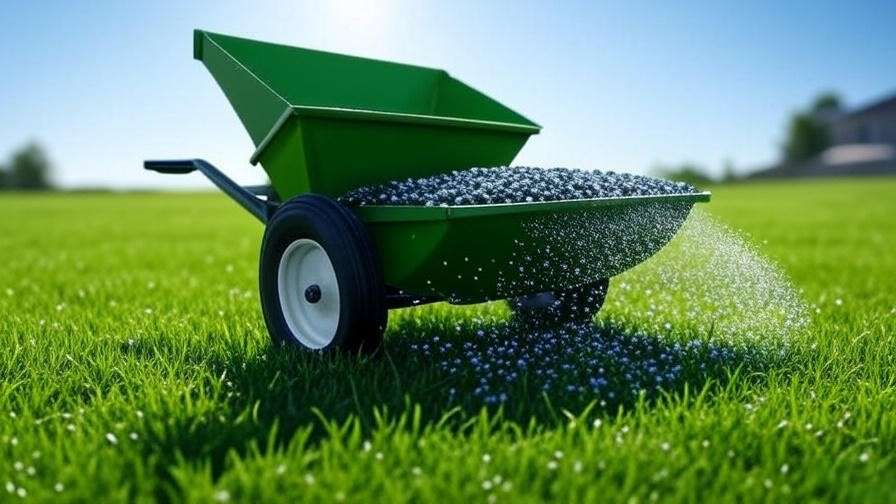
Drop spreaders drop material straight down in a narrow strip. They move slowly and spread seeds or fertilizer evenly in one line.
This type gives precise control and less waste. Drop spreaders work well for small lawns and areas near plants or walkways.
- Drops material in a straight line
- Offers precise spreading control
- Reduces waste and overspreading
- Best for small lawns and edges

Credit: www.youtube.com
How Broadcast Spreaders Work
Broadcast spreaders scatter seeds or fertilizer over a wide area. They use a spinning plate to throw materials outward. This helps cover large lawns quickly and evenly.
Understanding how broadcast spreaders work can help you choose the right tool for your yard. They are different from drop spreaders in how they release material.
Spreading Mechanism
Broadcast spreaders use a spinning disk below the hopper. When you push the spreader, the disk spins fast. This action throws the seeds or fertilizer out in all directions.
- The hopper holds the material to spread.
- Material drops onto a spinning plate at the bottom.
- The plate flings the material outward in a broad pattern.
- Adjustable settings control how much material is released.
Coverage Area
Broadcast spreaders cover a wide area with each pass. This makes them ideal for large lawns and gardens. They spread material farther than drop spreaders.
| Type of Spreader | Coverage Width | Material Spread Pattern |
| Broadcast Spreader | 5 to 15 feet | Wide and circular |
| Drop Spreader | 2 to 4 feet | Precise and narrow |
How Drop Spreaders Work
Drop spreaders release fertilizer or seed straight down. This helps cover the ground evenly in a controlled way.
They are useful for small areas or places needing precise spreading. Drop spreaders avoid throwing material far away.
Spreading Mechanism
Drop spreaders use a hopper that holds the material. The material falls through openings at the bottom as you push the spreader.
The openings can be adjusted to control how much material drops. A spinning plate or wheel moves the spreader forward and releases the material.
- Material drops directly below the spreader
- Openings size controls the flow amount
- Spinning mechanism moves material evenly
Coverage Precision
Drop spreaders give very precise coverage. Material only falls where the spreader moves, with little waste.
This precision makes drop spreaders good for narrow strips or areas near plants. They reduce the risk of spreading material where it is not wanted.
- Material falls straight down, avoiding drift
- Better control for small or tight spaces
- Less chance of uneven spreading
Advantages Of Broadcast Spreaders
Broadcast spreaders are popular tools for spreading seeds, fertilizer, and other lawn products. They work by throwing materials over a wide area. This makes them different from drop spreaders, which drop materials directly below the machine.
Understanding the benefits of broadcast spreaders can help you decide if they fit your lawn care needs. They offer unique advantages that suit many lawn sizes and types.
Coverage Area
Broadcast spreaders cover large areas quickly. They throw seeds or fertilizer in a wide pattern. This helps reduce the time spent on spreading tasks.
Speed And Efficiency
These spreaders move faster than drop spreaders. You can walk at a normal pace. This makes them efficient for big yards or fields.
Ease Of Use
Broadcast spreaders are simple to operate. They usually have adjustable settings to control spread width and flow. This allows precise spreading based on your needs.
- Wide coverage reduces passes over the lawn
- Adjustable spread width fits different product types
- Lightweight models are easy to push or tow
- Good for spreading on uneven or sloped ground
Versatility
| Material Type | Broadcast Spreader | Drop Spreader |
| Grass Seed | Excellent coverage | Precise placement |
| Fertilizer | Fast, even spreading | Targeted application |
| Ice Melt | Wide spread on walkways | Limited to narrow paths |
Cost Effectiveness
Broadcast spreaders help save money by using less product. Their wide spread means fewer overlaps and less waste.
Advantages Of Drop Spreaders
Drop spreaders and broadcast spreaders both spread seeds and fertilizer. They work differently and suit different lawn needs.
Drop spreaders deliver material directly below the spreader. This helps control where the seeds or fertilizer go.
Precise Application
Drop spreaders drop seeds or fertilizer straight down. This gives you control over where the material lands.
You can spread evenly without waste or overlap. This is good for small or narrow spaces.
Less Mess And Waste
Drop spreaders reduce material blowing away in wind. The seeds or fertilizer fall right under the spreader.
This means less waste and fewer chances of harming nearby plants or areas.
Ideal For Targeted Areas
Drop spreaders work well in gardens or flower beds. They help spread material exactly where you want it.
This makes them good for areas with plants that need careful feeding.
Easy To Control
Drop spreaders are simple to use and control. You can easily adjust the flow to fit your needs.
This helps avoid over-application that can harm your lawn or plants.
Credit: treecarezone.com
Best Uses For Broadcast Spreaders
Broadcast spreaders spread materials over a wide area quickly. They work well for large lawns and gardens. These spreaders release seeds, fertilizer, or lime in a broad pattern.
They are easy to push or tow and cover more ground than drop spreaders. This makes them a good choice for many outdoor tasks.
Spreading Grass Seed On Large Lawns
Broadcast spreaders cover big lawns fast. They scatter grass seed evenly over large areas. This helps new grass grow uniformly.
The wide spread pattern means fewer passes are needed. This saves time and effort.
Applying Fertilizer Over Wide Areas
Fertilizer spreads quickly with a broadcast spreader. The device throws fertilizer pellets out in a fan shape. This covers lawns and fields well.
It helps avoid thick piles of fertilizer. This reduces the risk of burning plants.
Spreading Lime Or Soil Amendments
Broadcast spreaders work well for spreading lime or soil amendments. These materials need to be spread evenly to improve soil health. The wide coverage saves time and effort.
Broadcast spreaders help maintain consistent soil conditions across large areas.
Spreading Ice Melt On Driveways And Walkways
In winter, broadcast spreaders can spread ice melt quickly. They cover driveways and sidewalks evenly. This helps melt ice faster and makes surfaces safer.
- Speeds up the spreading process
- Reduces manual labor
- Ensures even coverage
Best Uses For Drop Spreaders
Drop spreaders deliver materials directly below the spreader. They offer precise control over the spread area. This makes them ideal for small or uneven lawns.
Knowing when to use a drop spreader helps you avoid wasting fertilizer or seed. It also protects plants near edges from being covered.
Small Lawns And Gardens
Drop spreaders work best on small lawns and garden beds. They allow you to spread fertilizer or seed without overlapping onto sidewalks or flower beds. This reduces waste and protects delicate plants.
Edges And Borders
Drop spreaders are perfect for spreading materials near edges. They place the product directly below the spreader. This helps keep fertilizer and seed away from driveways and walkways.
Uneven Or Sloped Areas
Drop spreaders offer better control on slopes or uneven ground. The material drops straight down. This prevents it from rolling or sliding downhill, unlike broadcast spreaders.
- Provides precise application on slopes
- Reduces product waste on uneven terrain
- Prevents runoff into unwanted areas
Using Drop Spreaders For Fertilizer And Seed
| Material | Best Use with Drop Spreader | Reason |
|---|---|---|
| Fertilizer | Small to medium lawns | Precise application limits waste |
| Grass Seed | Repair patches or borders | Targeted drop avoids spreading on paths |
| Ice Melt | Walkways and steps | Direct drop prevents scattering |
Factors To Consider When Choosing
Choosing between a broadcast spreader and a drop spreader depends on your lawn care needs. Each type works differently and suits different situations.
Understanding your lawn size, the material you want to spread, and how precise you want the application helps you pick the right tool.
Lawn Size
Lawn size is a key factor in choosing a spreader. Broadcast spreaders cover a wider area quickly. Drop spreaders cover less area but offer more control.
- Small lawns work well with drop spreaders.
- Large lawns benefit from broadcast spreaders.
- Broadcast spreaders save time on big yards.
- Drop spreaders help avoid waste on small areas.
Material Type
The type of material you spread affects your choice. Fertilizers, seeds, and ice melt need different spreader actions.
| Material | Best Spreader | Reason |
| Grass Seed | Drop Spreader | Precise placement |
| Fertilizer | Broadcast Spreader | Wide coverage |
| Ice Melt | Broadcast Spreader | Quick spread |
| Weed Control | Drop Spreader | Targeted application |
Desired Precision
Precision matters if you want to avoid spreading material on driveways or flower beds. Drop spreaders give you exact control. Broadcast spreaders spread material over a wide area but less precisely.
- Use drop spreaders for precise, even application.
- Broadcast spreaders suit large, open areas.
- Drop spreaders reduce waste and protect plants.
- Broadcast spreaders cover faster but with less accuracy.
Maintenance Tips For Both Spreaders
Broadcast and drop spreaders help spread seeds and fertilizer evenly. Keeping them clean and working well is important for good results.
Regular care makes these tools last longer and work better. Here are some tips to keep both spreaders in good shape.
Cleaning After Use
Always clean your spreader after each use. Seeds and fertilizer can cause rust or clog parts if left inside.
- Empty all materials from the hopper
- Use a brush or cloth to remove residue
- Rinse with water and dry completely
- Avoid using high-pressure water to prevent damage
Lubricating Moving Parts
Lubricate wheels and gears to keep the spreader moving smoothly. This prevents wear and tear.
- Apply light machine oil or silicone spray
- Focus on wheel axles and gear mechanisms
- Wipe off excess oil to avoid dirt build-up
- Do this every few uses or if the parts feel stiff
Checking For Damage
Inspect your spreader regularly for cracks, rust, or broken parts. Fix issues before they get worse.
- Look at the hopper for holes or cracks
- Check the spreader plate or drop mechanism for wear
- Examine the wheels and handles for damage
- Replace any broken or worn parts promptly
Proper Storage
Store spreaders in a dry place to prevent rust and damage. Keep them off the ground if possible.
- Keep spreaders in a shed or garage
- Use a cover if stored outside
- Store upright or hang to save space
- Make sure spreaders are clean and dry before storing
Frequently Asked Questions
What Is A Broadcast Spreader Used For?
A broadcast spreader evenly distributes seeds, fertilizer, or lawn treatments over large areas. It covers wide spaces quickly and is ideal for lawns or fields needing uniform application.
How Does A Drop Spreader Differ From A Broadcast Spreader?
A drop spreader drops materials straight down in a narrow path. It offers precise control, minimizing waste and preventing overlap, unlike a broadcast spreader that scatters materials widely.
Which Spreader Is Better For Small Lawns?
For small lawns, a drop spreader is better. It provides accurate application and reduces waste, making it ideal for tight spaces and delicate garden areas.
Can Broadcast Spreaders Cause Uneven Coverage?
Yes, broadcast spreaders can cause uneven coverage if not used properly. Wind or speed variations may lead to overlaps or missed spots, affecting the overall lawn health.
Conclusion
Choosing between a broadcast spreader and a drop spreader depends on your needs. Broadcast spreaders cover large areas quickly. Ideal for big lawns. Drop spreaders provide precision. Perfect for small or narrow spaces. Each has its advantages. Consider your lawn size and shape.
Also, think about your specific gardening goals. This helps in making the right choice. Proper use ensures even distribution. This leads to a healthier lawn. So, evaluate your lawn care needs. Then, decide which spreader suits you best. Happy gardening!
