
Are you struggling to get your garden or plants just right? Choosing the best tool to check your soil can make all the difference.
You might be wondering: is a soil meter better than a soil kit? Knowing which one suits your needs can save you time, effort, and even money. You’ll discover the key differences, benefits, and what works best for your soil testing.
Keep reading to find out how to take the guesswork out of growing healthy plants.
Soil Meter Basics
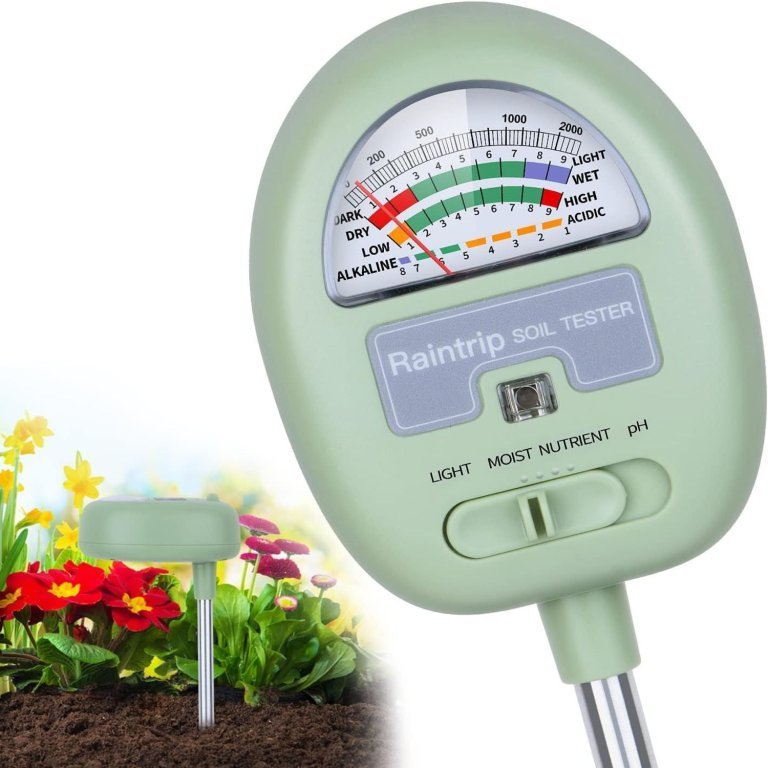
Soil meters help gardeners check soil health easily. They measure moisture, pH, and nutrients in soil.
These tools give quick results to help plants grow better. Knowing how they work helps you choose the right one.
How Soil Meters Work
Soil meters use sensors to read soil conditions. They often check moisture by measuring electrical resistance.
Some meters have probes that go into the soil. They send signals to show moisture, pH, or nutrient levels.
Types Of Soil Meters
- Moisture meters measure water content only.
- pH meters test the acidity or alkalinity of soil.
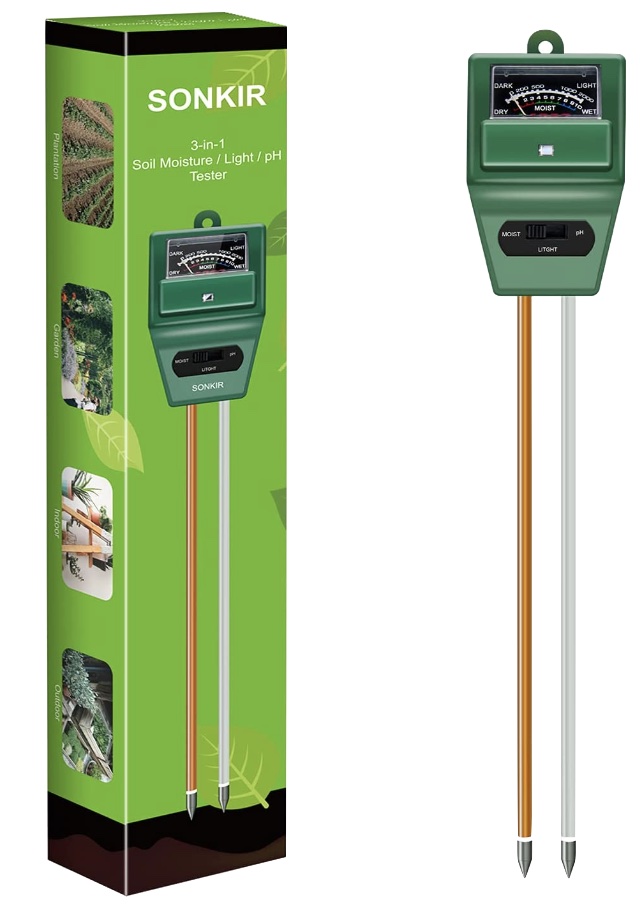
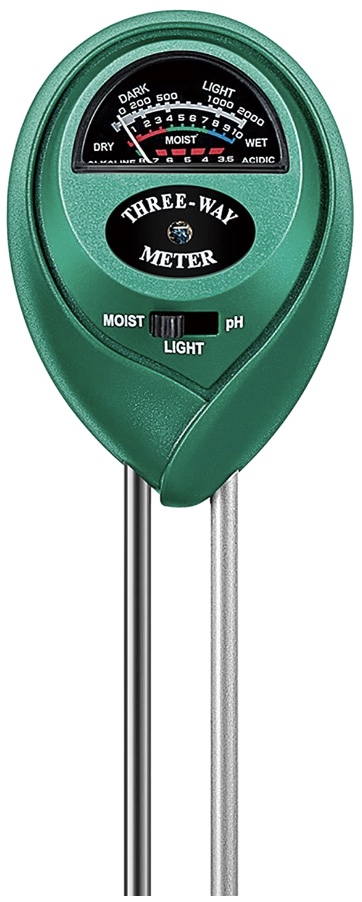
- Combination meters check moisture, pH, and nutrients.
- Digital meters give precise readings on a screen.
- Analog meters use a needle to show levels.
Pros And Cons
| Advantage | Disadvantage |
| Quick and easy to use | May need calibration |
| Provides real-time data | Can be less accurate than lab tests |
| Helps prevent overwatering | Some models are costly |
| Portable and lightweight | Limited to surface soil |
Credit: gardeningproductsreview.com
Soil Kit Essentials
Soil kits help gardeners check soil health at home. They provide simple tools to test soil quality.
These kits give quick results about soil conditions. They are easy to use and affordable for most people.
Components Of Soil Kits
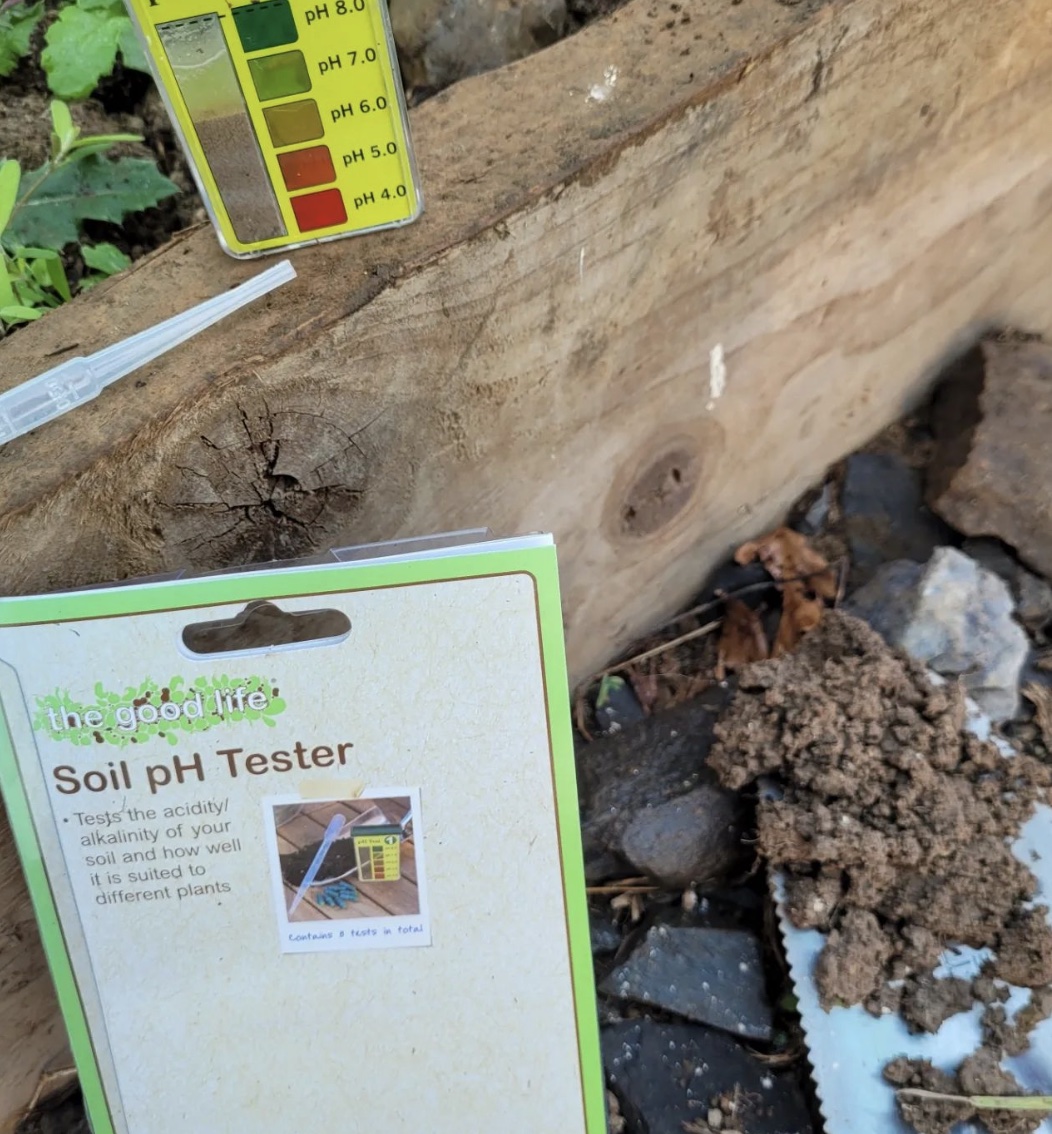
Soil kits usually have small tools and chemicals to test soil. They come in a portable box for convenience.
- Test tubes or small containers for mixing soil and water
- Color charts to compare test results
- Chemical powders or liquids to detect soil nutrients
- Instructions to guide the testing process
- Sometimes a small scoop or spatula for soil sampling
Testing Parameters
Soil kits test basic soil elements that affect plant growth. They help check if soil needs improvement.
- Soil pH to measure acidity or alkalinity
- Nitrogen levels for plant nutrition
- Phosphorus content for root development
- Potassium amount for overall plant health
- Sometimes soil moisture or salinity
Advantages And Limitations
Soil kits are cheap and easy to use. They give quick feedback on soil condition for home gardens.
These kits may not be very accurate. They test only a few soil parameters and need careful handling.
- Advantages:
- Low cost and simple tools
- No special training needed
- Portable and fast results
- Limitations:
- Less precise than lab tests
- Limited range of tests
- Results can vary with user skill
Accuracy And Reliability
Choosing between a soil meter and a soil kit depends on how accurate and reliable you need the results to be. Both tools help test soil, but they work differently.
Understanding their accuracy and reliability helps you pick the right tool for your gardening or farming needs.
Comparing Test Results
Soil meters give quick readings for moisture, pH, and light. They show results instantly but can vary based on the device quality.
Soil kits use chemicals to test soil in more detail. They take longer but often give more exact results for nutrients and pH.
- Soil meters are faster but less detailed
- Soil kits take time but offer deeper analysis
- Results from kits are usually more consistent
- Meters may need calibration for better accuracy
Factors Affecting Accuracy
Many things affect how accurate soil tests are. The tool’s quality, soil type, and how you use the tool all matter.
Soil meters can give wrong readings if the soil is too dry or too wet. Dirt on the probes can also cause errors.
- Clean probes improve meter readings
- Use soil kits as directed for best results
- Test soil from different spots for accuracy
- Temperature and moisture affect meter results
Ease Of Use
Choosing between a soil meter and a soil kit depends on how easy each tool is to use. Both tools help check soil health but differ in their approach.
Understanding which tool fits your needs can save time and effort in garden care or farming.
User Experience With Soil Meters
Soil meters are simple devices that give quick readings of moisture and sometimes other soil conditions. You just insert the meter’s probe into the soil and read the display.
The results appear almost instantly, making soil meters convenient for beginners and busy gardeners.
- Quick to use and gives immediate results
- No need to mix chemicals or wait for reactions
- Portable and easy to carry around
- Requires minimal training or skill
Using Soil Kits Effectively
Soil kits need you to collect soil samples and mix them with liquids or powders to test different soil properties. This process can take more time and steps.
Using the kit correctly requires following instructions carefully to get accurate results.
- Requires gathering soil samples properly
- Mixing chemicals or reagents as directed
- Waiting for color changes or reactions
- Needs some patience and attention to detail
Cost And Value
Choosing between a soil meter and a soil kit depends a lot on cost and value. Both tools help gardeners understand soil health. But their prices and long-term benefits differ.
This guide looks at the initial investment and long-term expenses for each option. It helps you decide which tool fits your budget and needs.
Initial Investment
A soil meter usually costs more upfront than a soil kit. Soil meters are electronic and come with sensors and a display. Soil kits include test strips or chemicals for manual testing.
- Soil meter price range: $20 to $100 or more
- Soil kit price range: $5 to $30
- Soil meters offer quick results with digital readings
- Soil kits require mixing and waiting time
Long-term Expenses
Long-term costs include replacements and accuracy over time. Soil meters may need new batteries or calibration. Soil kits need replacement chemicals or strips after use.
| Expense Type | Soil Meter | Soil Kit |
| Replacement Parts | Batteries, sensors | Test chemicals, strips |
| Frequency | Every 6-12 months | After each test |
| Cost | Moderate | Low per item, adds up |
| Ease of Use | Simple, fast | Requires steps, time |
Credit: gardeningproductsreview.com
Best Choice For Gardeners
Gardeners need the right tools to keep plants healthy. Soil meters and soil kits help test soil quality.
Choosing the best tool depends on your garden’s needs and how you use the results.
Matching Tools To Garden Needs
Soil meters give quick readings for moisture, pH, and light. They are easy to use in the garden.
- Good for daily checks
- Helps adjust watering on the spot
- Does not need mixing or chemicals
- May not be very accurate for nutrients
Soil kits test nutrient levels and pH with chemicals. They take more time but give detailed results.
Expert Recommendations
| Tool Type | Best For | Ease of Use | Accuracy |
| Soil Meter | Quick moisture and light checks | High | Moderate |
| Soil Kit | Detailed nutrient and pH tests | Medium | High |
Experts say use a soil meter for daily care and a soil kit for deeper soil checks. Both tools together help gardeners make better choices.
Maintenance And Durability
Soil meters and soil kits help gardeners check soil health. Both need care to work well for a long time.
Understanding maintenance and durability helps choose the right tool for your garden.
Care Tips For Soil Meters
Soil meters have sensors that need cleaning after each use. Dirt or moisture can cause wrong readings.
Store soil meters in a dry place. Avoid dropping or hitting them to keep sensors safe.
- Wipe sensors gently with a soft cloth
- Keep the meter away from water when not in use
- Replace batteries regularly for accurate results
- Do not expose to extreme temperatures
Longevity Of Soil Kits
Soil kits last long if stored properly. Chemicals inside test tubes can expire or lose strength over time.
Keep kits sealed and away from sunlight. Check expiration dates to ensure accurate soil tests.
- Store kits in a cool, dark place
- Seal all containers tightly after use
- Use kits before expiration for best results
- Handle test tubes carefully to avoid breakage
Credit: gardeningproductsreview.com
Frequently Asked Questions
What Is The Main Difference Between A Soil Meter And Soil Kit?
A soil meter provides instant digital readings of soil conditions. A soil kit usually involves manual testing with chemical solutions. Soil meters offer quick, easy use, while soil kits provide more detailed analysis but take longer.
Are Soil Meters More Accurate Than Soil Kits?
Soil kits generally offer more precise nutrient analysis. Soil meters measure moisture, pH, or light but may lack detailed nutrient data. Accuracy depends on the meter’s quality and the kit’s chemical reagents.
Which Is More User-friendly: Soil Meter Or Soil Kit?
Soil meters are more user-friendly due to instant digital readings. Soil kits require mixing chemicals and waiting for results, which can be complex for beginners. Meters suit casual gardeners; kits suit detailed soil testing.
Can Soil Meters Replace Soil Testing Kits Completely?
No, soil meters cannot fully replace soil kits. Meters are great for quick checks but lack comprehensive nutrient testing. Soil kits provide thorough analysis needed for specific fertilization plans.
Conclusion
Choosing between a soil meter and a soil kit can be tricky. Each tool has its strengths. Soil meters offer quick, easy readings. Soil kits provide detailed analysis but need more effort. Consider your needs and gardening style. For quick checks, a soil meter is handy.
For in-depth results, a soil kit is better. Think about cost and convenience too. Both tools help you understand soil health. This can lead to better plant growth. Make an informed choice for your garden’s success. Your plants will thank you.
