
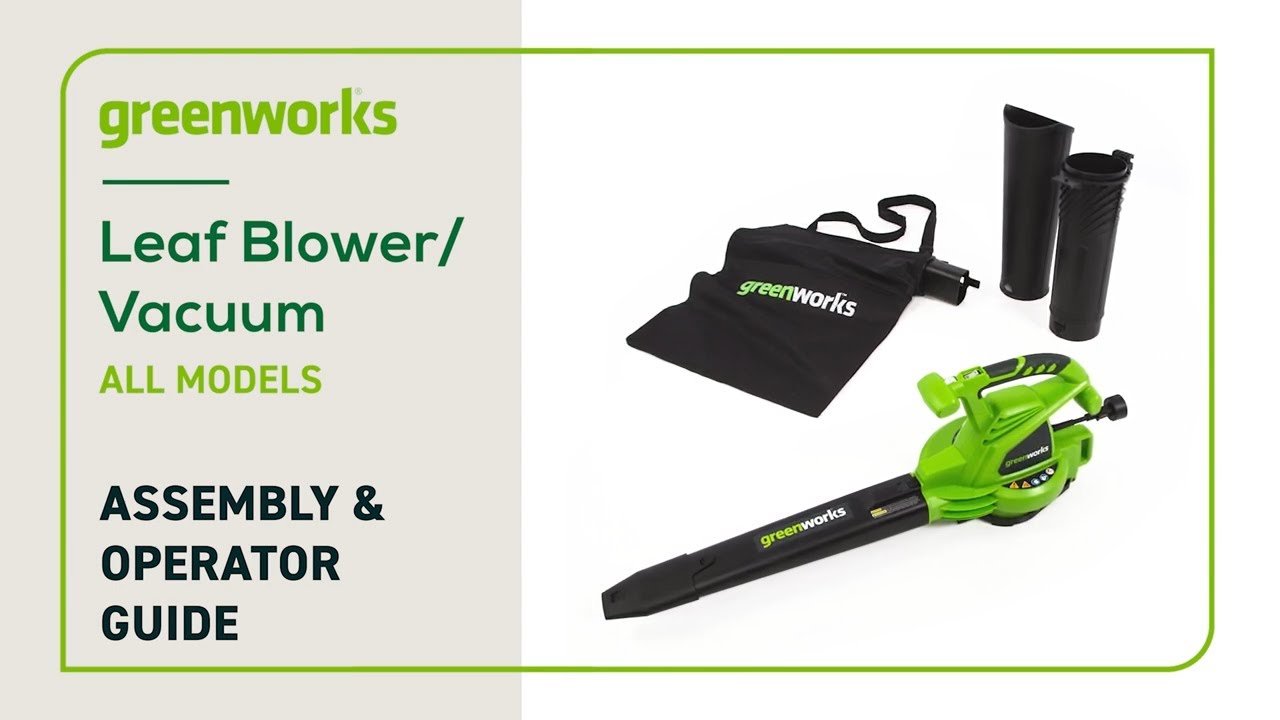
Are you tired of spending hours raking leaves every fall? A leaf vacuum can turn that chore into a quick and easy task.
But before you can enjoy the benefits, you need to know how to assemble it properly. Don’t worry—this guide will walk you through each step in a simple, clear way. By the end, you’ll have your leaf vacuum ready to use, saving you time and effort.
Keep reading to discover how to put your leaf vacuum together like a pro!

Credit: www.youtube.com
Tools And Parts Needed
Assembling a leaf vacuum is simple when you have the right tools and parts. This guide will help you gather what you need before you start.
Having the correct items ready saves time and makes assembly easier. Below are the essential tools and parts for your leaf vacuum.
Basic Tools
You need some common tools to put your leaf vacuum together. These tools help secure parts safely and correctly.
- Screwdriver (Phillips and flathead)
- Wrench or adjustable spanner
- Pliers for gripping and bending
- Socket set for bolts
- Utility knife for opening packages
Main Parts Of Leaf Vacuum
Your leaf vacuum comes with several parts that need assembly. Each part has a specific function in the machine.
- Engine or motor unit
- Vacuum tube or nozzle
- Collection bag or bin
- Handlebar for control
- Fasteners like screws and bolts
Safety Gear
Wear safety gear to protect yourself during assembly. This gear keeps you safe from sharp parts and dust.
- Safety gloves
- Protective eyewear
- Dust mask

Credit: www.familyhandyman.com
Preparing The Work Area
Before you start assembling your leaf vacuum, get your work area ready. A clean and organized space helps you work safely and fast.
Make sure you have enough light and room to spread out all the parts and tools. This prevents losing small pieces.
Clear The Space
Remove any clutter from your workspace. Clear tables or floors provide a flat surface to assemble the vacuum.
- Move furniture or objects away
- Sweep or wipe the area clean
- Check for any hazards like cords or spills
Gather Tools And Parts
Collect all the tools and parts you need before starting. This saves time and avoids interruptions.
- Check the instruction manual for required tools
- Lay out all parts for easy access
- Keep tools close by but out of the way
Ensure Good Lighting
Work in a well-lit area. Good lighting helps you see small parts and read instructions clearly.
- Use natural light if possible
- Turn on overhead lights or lamps
- A portable light can help with tight spaces
Wear Safety Gear
Protect yourself by wearing safety gear. This keeps you safe from sharp edges or dust during assembly.
- Wear gloves to protect your hands
- Use safety glasses to guard your eyes
- Wear closed-toe shoes for foot protection
Assembling The Main Unit
Assembling your leaf vacuum correctly ensures it works well. Follow simple steps to put the main parts together.
This guide covers attaching the handle, connecting the hose, and securing the collection bag.
Attaching The Handle
Find the handle and the main unit. Align the handle with the slot on the vacuum body. Push it firmly until you hear a click.
Use the screws provided to secure the handle. Tighten them with a screwdriver to keep the handle steady.
Connecting The Hose
Locate the hose and the connector on the main unit. Insert the hose end into the connector firmly. Turn it clockwise to lock it in place.
- Check the hose for any damage before connecting.
- Align the hose end with the connector on the vacuum.
- Insert and twist the hose to secure it.
- Make sure the hose fits tightly to avoid leaks.
Securing The Collection Bag
The collection bag catches leaves and debris. Attach it to the vacuum’s outlet securely.
| Bag Part | How to Secure |
| Opening | Slide over the outlet tube |
| Straps | Fasten tightly around the hook |
| Zipper | Close fully before use |

Credit: www.amazon.com
Installing The Blower And Vacuum Tubes
Installing the blower and vacuum tubes is an important part of assembling your leaf vacuum. Proper installation ensures the machine works safely and efficiently.
This guide explains how to attach the tubes and connect the blower. Follow the steps carefully to avoid damage or leaks.
Attaching The Blower Tube
First, locate the blower tube and the blower outlet on your leaf vacuum. The tube fits into the outlet to direct air flow.
- Align the blower tube with the blower outlet.
- Push the tube firmly into the outlet until it clicks or fits snugly.
- Secure the tube using the provided clamps or screws.
- Check that the tube does not wobble or come loose.
Connecting The Vacuum Tube
The vacuum tube collects leaves and debris. It connects to the vacuum inlet on the machine.
Make sure to attach it tightly to prevent air leaks and loss of suction power.
- Find the vacuum inlet on the leaf vacuum.
- Insert the vacuum tube into the inlet firmly.
- Use clamps or fasteners to lock the tube in place.
- Inspect the tube connection for gaps or loose ends.
Tube Compatibility And Sizes
| Tube Type | Diameter (inches) | Purpose |
| Blower Tube | 3 | Directs air from blower |
| Vacuum Tube | 4 | Collects leaves and debris |
| Extension Tube | 3.5 | Extends reach of vacuum |
Securing Connections
Use the following tips to secure your tubes:
- Always tighten clamps firmly, but do not over-tighten.
- Check rubber seals for cracks before installation.
- Replace any worn or damaged parts immediately.
- Test the fit by gently pulling on tubes after installation.
Checking Power Connections
Checking power connections is important before you start assembling your leaf vacuum. It ensures the machine works safely and correctly.
Careful inspection of cables, plugs, and switches prevents electrical problems during use.
Inspect The Power Cord
Look closely at the power cord for any cuts, cracks, or exposed wires. Damaged cords can cause shocks or stop the vacuum from working.
Check The Plug And Socket
Make sure the plug fits tightly into the socket. Loose connections can cause sparks or power loss.
Test The Power Switch
Switch the power button on and off to see if it works smoothly. A faulty switch can stop the vacuum from turning on.
Use This Safety Checklist
- Inspect power cord for damage
- Ensure plug fits socket firmly
- Test the power switch for smooth operation
- Check for any unusual smells near connections
- Make sure the vacuum is unplugged during inspection
| Component | What to Check | Action if Faulty |
| Power Cord | Cuts, cracks, exposed wires | Replace immediately |
| Plug | Loose fit or bent pins | Repair or replace |
| Power Switch | Sticking or no response | Clean or replace switch |
Testing The Leaf Vacuum
Testing the leaf vacuum is important to make sure it works well. It helps find any problems before using it fully.
Proper testing can improve safety and performance. Always test in a safe place away from people and pets.
Check All Connections
Before turning on the leaf vacuum, check all parts are connected tightly. Look at the hose, nozzle, and collection bag.
Loose parts can cause air leaks or make the vacuum less powerful. Secure all clamps and screws to avoid problems.
Test The Power Source
Make sure the vacuum’s power source is ready. For electric models, check the battery or plug it into a power outlet. For gas models, check the fuel level.
Starting the vacuum without enough power can damage the motor. Always use fresh fuel or a fully charged battery.
Run The Vacuum Without Leaves
Turn on the vacuum and let it run for a few minutes without any leaves. Listen for strange noises or vibrations.
This helps to check if the motor and fan are working smoothly. Stop the vacuum immediately if you hear unusual sounds.
Test Suction Power
Place some dry leaves near the nozzle. Turn on the vacuum and see if it pulls the leaves inside easily.
- Leaves should move quickly into the hose
- No blockages should slow down suction
- If suction is weak, check for leaks or clogs
Inspect The Collection Bag
Check the bag or container that collects leaves. Make sure it is attached properly and has no holes.
After testing, empty the bag and look for damage. Replace the bag if it is torn or worn out.
Troubleshooting Common Issues
Assembling a leaf vacuum can sometimes cause problems. Knowing how to fix these issues saves time.
This guide helps you solve common leaf vacuum assembly problems easily.
Vacuum Does Not Start
If the leaf vacuum does not start, first check the power source. Make sure it is plugged in or the battery is charged.
Also, inspect the safety switch. It may not be engaged properly, preventing the vacuum from turning on.
- Check power cord or battery charge
- Ensure safety switch is on
- Look for loose connections
Clogged Hose Or Bag
A clogged hose or bag reduces suction. Remove the hose and inspect inside for leaves or dirt blocking airflow.
Empty the collection bag regularly. A full bag can stop the vacuum from working well.
- Remove hose and check for blockages
- Clear any stuck leaves or debris
- Empty or replace the collection bag
Fan Or Impeller Not Spinning
If the fan or impeller does not spin, check for debris wrapped around it. This can stop it from moving.
Also, inspect if the impeller is damaged or loose. Tighten or replace parts as needed.
- Clear debris from fan and impeller
- Check if impeller is tight and undamaged
- Replace broken parts
Strange Noises During Operation
Strange noises can mean loose parts or worn bearings. Turn off the vacuum and check all bolts and screws.
Lubricate bearings or moving parts if needed. Replace parts that make grinding or rattling sounds.
- Tighten loose bolts and screws
- Lubricate bearings and moving parts
- Replace damaged or noisy components
Vacuum Losing Suction Power
Loss of suction can happen if the air filter is dirty. Clean or replace the filter regularly.
Check for holes or cracks in the hose. Air leaks reduce suction strength.
- Clean or replace air filter
- Inspect hose for holes or cracks
- Seal or replace damaged hose
Maintenance Tips For Longevity
Keeping your leaf vacuum in good shape helps it last longer. Regular care prevents breakdowns and keeps it working well.
Simple maintenance tasks save money and time. Follow these tips to keep your leaf vacuum running smoothly.
Clean After Every Use
Remove leaves and debris from the vacuum bag and tubes. Clean the exterior to avoid dirt buildup.
Check And Replace Filters
Filters keep dust and dirt from entering the engine. Inspect them often and replace if clogged or damaged.
Lubricate Moving Parts
- Use oil or grease on wheels and joints
- Do this every few uses to prevent rust
- Check the manufacturer’s guide for recommended lubricants
Inspect And Tighten Screws
Vibrations can loosen screws and bolts. Check all fasteners regularly and tighten them to keep parts secure.
Store In A Dry Place
Keep your leaf vacuum safe from rain and moisture. Moisture causes rust and damages electrical parts.
Store it in a shed or garage with good ventilation.
Frequently Asked Questions
How Do I Start Assembling A Leaf Vacuum?
Begin by unpacking all parts and checking the instruction manual. Attach the collection bag and secure the vacuum tube properly. Ensure all screws and clamps are tight before use.
What Tools Are Needed To Assemble A Leaf Vacuum?
Most leaf vacuums require a screwdriver and possibly pliers. Refer to the manual for specific tool recommendations. Having these ready speeds up assembly and ensures secure fitting.
How Do I Attach The Collection Bag Correctly?
Align the bag’s opening with the vacuum’s intake. Secure it using clips or Velcro straps provided. Make sure it’s tightly sealed to prevent debris from escaping.
Can I Assemble The Leaf Vacuum Without Instructions?
It’s possible but not recommended. Instructions ensure correct assembly and safety. Following the manual avoids damage and improves vacuum performance.
Conclusion
Assembling a leaf vacuum is simple with the right steps. Start by gathering all necessary tools and parts. Follow the manual for a step-by-step guide. Ensure each part fits securely. Check connections to avoid any mishaps. Regular maintenance keeps your vacuum working efficiently.
Store it in a safe, dry place. This prolongs its lifespan. Remember to clean it after each use. This prevents clogs and ensures smooth operation. With practice, assembly becomes quicker. Enjoy a tidy yard with less effort. Happy cleaning!
