
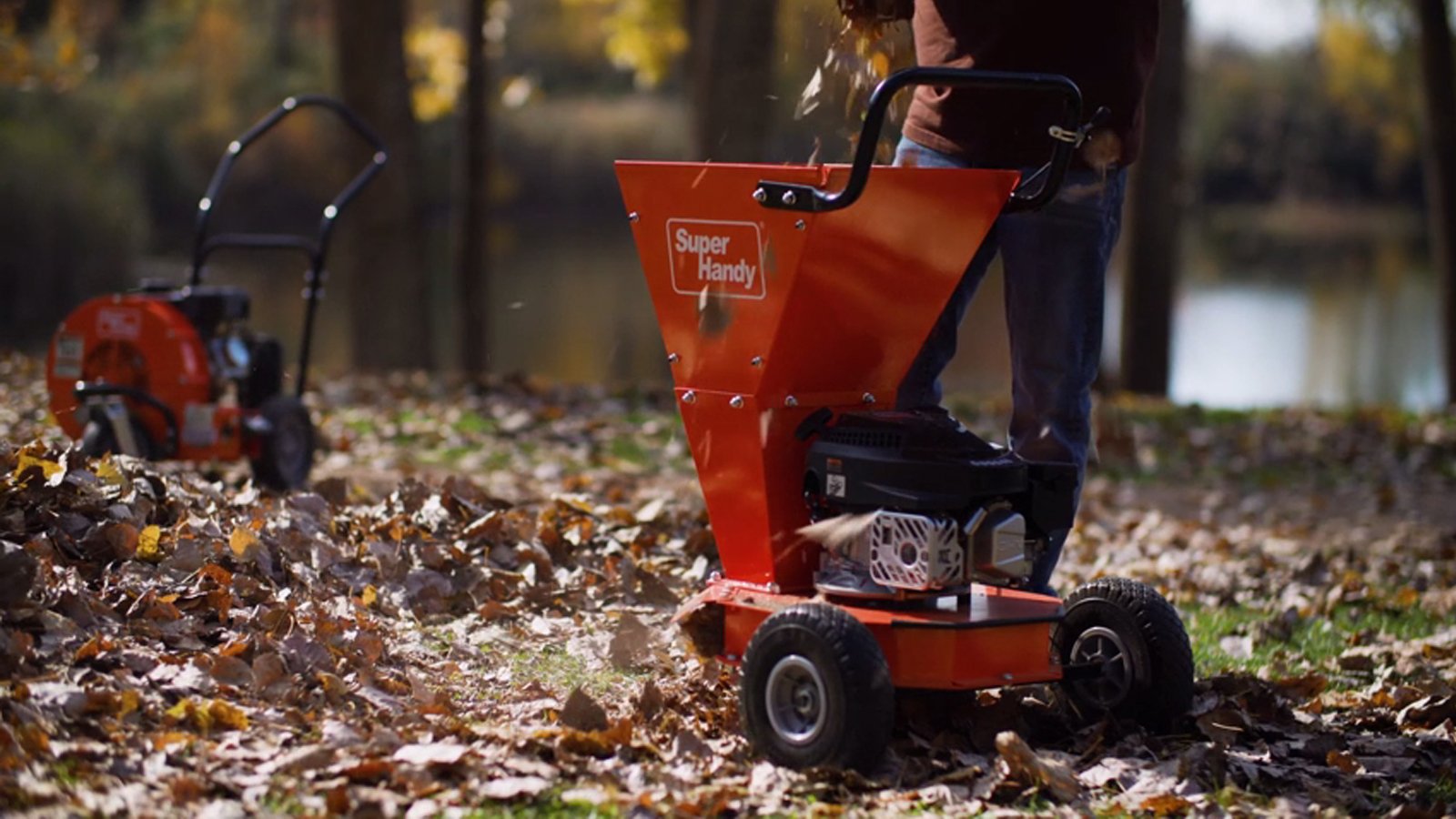
Are you tired of piles of fallen leaves cluttering your yard every autumn? What if you could turn those leaves into something useful instead of just trash?
Mulching leaves with a gas leaf vacuum is a smart, efficient way to clean up your yard while creating natural mulch that nourishes your garden. In this guide, you’ll discover simple steps to make the most out of your gas leaf vacuum, saving you time and effort.
Keep reading, and you’ll learn how to transform your leaf mess into garden gold with ease.
Credit: superhandyus.com
Choosing The Right Gas Leaf Vacuum
Using a gas leaf vacuum makes cleaning leaves faster. Picking the right one helps you work well.
Look at features like power, vacuum ability, and how easy it is to carry. These matter most.
Engine Power And Capacity
Engine power affects how strong the vacuum is. A stronger engine can handle more leaves at once.
Capacity means how much leaves the bag can hold. Bigger bags need fewer stops to empty.
- Higher engine power clears thick piles faster
- Bigger capacity reduces the times you stop
- Choose power and size based on your yard size
Vacuum And Mulching Features
Check if the vacuum also mulches leaves. Mulching turns leaves into small pieces.
Mulching helps reduce leaf volume and makes composting easy. Some models have adjustable mulching.
- Vacuum power should be strong enough to pick dry and wet leaves
- Mulching reduces bag filling and disposal needs
- Adjustable mulching allows control over leaf size
Portability And Weight Considerations
A lighter vacuum is easier to carry and use for longer times. Weight affects comfort.
Portability means how easy it is to move the vacuum around your yard. Look for comfortable handles.
- Lighter models reduce fatigue during use
- Good handles improve grip and control
- Consider size and shape for easy storage

Credit: www.everydaycheapskate.com
Preparing Your Yard For Mulching
Mulching leaves with a gas leaf vacuum works best when your yard is ready. Proper preparation helps the machine work smoothly and prevents damage.
Before mulching, spend time clearing and sorting your leaves. This makes the process easier and more efficient.
Clearing Large Debris
Remove sticks, stones, and other large debris from your yard. These items can clog or damage your gas leaf vacuum. Check the area carefully before you start.
- Pick up branches and twigs by hand
- Rake out stones and trash
- Inspect flower beds and garden paths
- Clear driveways and patios
Dry Vs. Wet Leaves
Dry leaves are easier to mulch than wet leaves. Wet leaves can stick together and clog the vacuum. It is best to mulch leaves on dry days after the dew has dried.
| Leaf Type | Mulching Ease | Vacuum Performance |
| Dry Leaves | High | Optimal |
| Wet Leaves | Low | Risk of Clogging |
Optimal Leaf Piling Techniques
Gather leaves into neat piles before using the gas leaf vacuum. Proper piles help the machine work faster and collect more leaves.
- Rake leaves into small to medium piles
- Keep piles away from flower beds
- Place piles in open areas for easy access
- Do not overfill piles to avoid clumping
Operating The Gas Leaf Vacuum Safely
Using a gas leaf vacuum can help mulch leaves quickly. It is important to follow safety steps. These keep you and others safe while working.
Read the instructions before use. Check the machine for damage or leaks. Always work in a clear area.
Proper Starting Procedures
Start the gas leaf vacuum on flat ground. Make sure the vacuum tube is clear of debris. Hold the machine firmly before starting.
Use the choke if the engine is cold. Pull the starter cord smoothly. Do not force the cord to avoid damage.
- Check fuel level and fill if needed
- Inspect air filter and clean or replace
- Set choke for cold start
- Hold vacuum firmly on the ground
- Pull starter cord slowly and steadily
Handling And Maneuvering Tips
Hold the vacuum with both hands for control. Keep your back straight and use your legs to move. Avoid bending over too much.
Move slowly to avoid tripping. Direct the vacuum tube towards leaves only. Do not vacuum large sticks or stones.
- Use both hands for better grip
- Keep the vacuum tube close to the ground
- Walk slowly and watch your path
- Avoid picking up big debris
- Turn off engine before moving on uneven ground
Safety Gear And Precautions
Wear safety glasses to protect your eyes. Use ear protection to reduce noise. Gloves help protect your hands from cuts and vibration.
Wear long sleeves and pants to guard your skin. Avoid loose clothing that can get caught. Keep bystanders and pets away while operating.
- Safety glasses or goggles
- Ear protection like earplugs or earmuffs
- Heavy-duty gloves
- Long pants and long-sleeved shirts
- Closed-toe shoes with good grip
- Clear the area of people and animals
Maximizing Mulching Efficiency
Mulching leaves with a gas leaf vacuum saves time and space in your yard. It turns bulky leaves into small pieces that break down faster.
To get the best results, you need to use the right settings and keep your equipment in good shape. This helps mulch leaves quickly and prevents clogs.
Adjusting Settings For Leaf Volume
Different amounts of leaves need different vacuum settings. If you have many leaves, use a stronger suction. For fewer leaves, lower the power to save fuel.
Check the chute size and adjust it if possible. A wider chute helps with large piles, while a smaller opening works better for scattered leaves.
- Use high suction for thick leaf piles
- Lower power for light leaf coverage
- Adjust chute size to control leaf intake
Maintenance During Use
Keep the vacuum clean while mulching. Stop often to check for leaf jams and clear the chute. This keeps the machine running smoothly.
Empty the mulch bag before it gets full. A full bag lowers suction and slows down the process. Regular checks help keep good airflow.
- Stop and clear leaf jams quickly
- Empty mulch bag before it is full
- Check air filters for dirt and clean if needed
Avoiding Common Mulching Issues
Avoid wet leaves because they clog the vacuum and slow mulching. Wait for dry weather before starting. Wet leaves stick together and block the machine.
Do not vacuum sticks or large debris. They can damage the blades and cause jams. Pick up big debris before using the vacuum.
- Use the vacuum only on dry leaves
- Remove sticks and large debris first
- Keep blades sharp for better mulching
Post-mulching Cleanup And Storage
After using a gas leaf vacuum to mulch leaves, cleaning and storing the equipment properly is important. This helps keep the vacuum in good shape and ready for the next use.
Follow these steps to empty, clean, and store your leaf vacuum safely and effectively.
Emptying And Cleaning The Mulch Bag
Remove the mulch bag carefully to avoid spilling debris. Empty the contents into a compost bin or trash container. Shake the bag to dislodge any stuck leaves or dirt.
- Detach the mulch bag from the vacuum.
- Hold the bag upright over the compost or trash.
- Open the bag and pour out all debris.
- Shake the bag to remove remaining particles.
- Use a brush or cloth to clean the bag’s interior if needed.
Storing The Vacuum Correctly
Store the gas leaf vacuum in a dry, cool place. Keep it away from moisture to prevent rust and damage. Make sure the vacuum is stable and not at risk of falling.
| Storage Tip | Reason |
| Keep in a dry area | Prevents rust and corrosion |
| Store upright | Avoids fuel leaks and damage |
| Cover with a cloth | Keeps dust off the vacuum |
| Remove mulch bag | Prevents mold and odors |
Preparing For Next Use
Check the vacuum before you use it again. Inspect the fuel level, air filter, and any loose parts. Clean the nozzle and blades if needed. This keeps the vacuum working well and safe.
- Refill fuel tank if low.
- Clean or replace air filter.
- Tighten screws and bolts.
- Remove any blockages from the nozzle.
- Check blade sharpness and clean if dirty.
Using Mulched Leaves In Your Garden
Mulching leaves with a gas leaf vacuum helps recycle garden waste. It turns leaves into small pieces that break down faster in soil.
Using mulched leaves can improve your garden’s health. They add nutrients and protect plants during different seasons.
Benefits For Soil Health
Mulched leaves add organic matter to the soil. This helps soil hold water and nutrients better.
The decomposing leaves feed helpful soil organisms. These organisms improve soil structure and plant growth.
- Improves soil moisture retention
- Adds natural nutrients
- Supports beneficial soil microbes
- Reduces soil erosion
Application Techniques
Spread mulched leaves evenly around plants. Keep a layer about 2 to 3 inches thick to protect roots.
Avoid piling leaves directly on plant stems. This can cause moisture problems and rot.
- Use a rake to spread leaves
- Leave space around plant bases
- Reapply mulch as it breaks down
- Mix leaves with compost for better results
Seasonal Considerations
Apply mulched leaves in late fall to protect soil in winter. They act as insulation against cold weather.
In spring, remove old mulch to allow soil warming. Add fresh mulched leaves for summer moisture control.
- Fall: Use leaves to insulate soil
- Winter: Keep mulch layer intact
- Spring: Clear old leaves, add new mulch
- Summer: Mulch helps retain soil moisture
Credit: www.craftsman.com
Frequently Asked Questions
How Do I Mulch Leaves With A Gas Leaf Vacuum?
To mulch leaves, turn on the gas leaf vacuum and collect leaves. The vacuum shreds leaves into fine mulch, which can be used in gardens or compost.
Can All Gas Leaf Vacuums Mulch Leaves Effectively?
Most gas leaf vacuums have mulching capabilities, but check the model specs. Higher-quality models shred leaves finer and are more efficient.
What Safety Precautions Should I Take When Using Gas Leaf Vacuums?
Wear protective gear like gloves and goggles. Operate in clear areas, avoid loose clothing, and keep children away from the working zone.
Is Mulched Leaf Material Good For Garden Soil?
Yes, mulched leaves enrich soil by adding nutrients and improving moisture retention. They also reduce weed growth and soil erosion.
Conclusion
Mulching leaves with a gas leaf vacuum simplifies yard work. It saves time and effort. The machine efficiently breaks down leaves. Your garden benefits from the natural mulch. Nutrients return to the soil. This process supports healthy plant growth. A tidy and beautiful yard follows.
Always maintain your equipment. Ensure it runs smoothly each season. Practice safe handling of your vacuum. Enjoy the ease of mulching with less hassle. Your garden will thank you. Happy gardening!
