
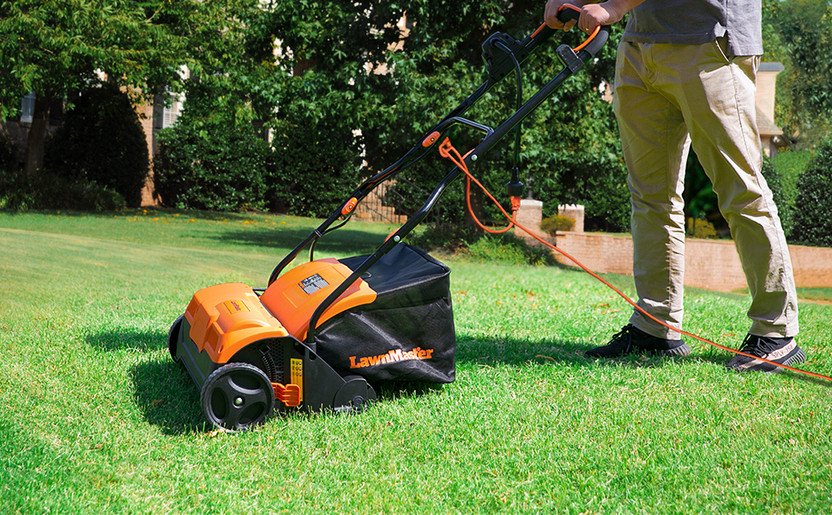
Are you struggling to keep your lawn healthy and green? You might have heard about dethatching and scarifying but aren’t sure which one is right for your yard.
Both methods can improve your lawn’s health, but they work in different ways. Understanding the difference can save you time, money, and effort while making your grass thrive. Keep reading to discover what dethatching and scarifying really mean, how they affect your lawn, and which one you should choose to get the best results.
Your lawn deserves the best care—let’s find out how to give it just that.

Credit: www.youtube.com
Dethatching Basics
Dethatching helps keep your lawn healthy by removing dead grass and roots. It lets air, water, and nutrients reach the soil better.
Knowing when and how to dethatch can make your lawn grow stronger and look greener.
What Is Dethatching
Dethatching is the process of removing the layer of dead grass, roots, and debris that builds up on your lawn. This layer is called thatch. Too much thatch blocks water and nutrients.
Signs Your Lawn Needs Dethatching
- Water pools on the surface and does not soak in.
- Grass looks thin or patchy in some areas.
- Spongy feel when you walk on the lawn.
- Grass roots are shallow and weak.
- Weeds and pests increase in number.
Tools For Dethatching
| Tool | Description |
| Rake | Manual tool with sharp tines for small lawns or light thatch. |
| Power Dethatcher | Electric or gas machine that removes thatch quickly on medium lawns. |
| Verticutters | Machine with blades that cut into the soil and remove thatch and moss. |
| Lawn Scarifier | Heavy-duty machine for thick thatch and moss, often used by professionals. |
Scarifying Essentials
Scarifying is an important lawn care task that helps grass grow healthy. It removes thatch and moss that block water and nutrients.
Knowing when and how to scarify your lawn can make a big difference in its appearance and strength.
What Is Scarifying
Scarifying means cutting into the lawn’s surface to remove dead grass, moss, and thatch. This lets air, water, and nutrients reach the soil better.
The process uses sharp blades or tines to rake through the grass and pull out unwanted debris.
When To Scarify Your Lawn
Scarify your lawn when it shows signs of thatch or moss buildup. This usually happens in spring or autumn.
- Check if your lawn feels spongy or uneven.
- Look for patches of moss or thick dead grass.
- Choose a dry day for scarifying to avoid damage.
- Do not scarify during drought or frost.
Scarifying Equipment Options
There are several tools to scarify lawns. Each has its own use depending on lawn size and condition.
| Equipment | Description | Best For |
|---|---|---|
| Hand Rake | Manual tool with sharp blades for small areas. | Small lawns or spot treatment |
| Scarifying Machine | Powered tool with rotating blades for deep scarifying. | Medium to large lawns |
| Lawn Aerator with Scarifier | Combines aeration and scarifying in one machine. | Lawns needing both treatments |
Key Differences
Dethatching and scarifying both help keep lawns healthy. They remove dead material that blocks water and air.
These two lawn care methods have different goals and use different tools. Understanding the key differences helps you choose the right one.
Purpose And Benefits
Dethatching removes the thin layer of dead grass and roots called thatch. It helps water and nutrients reach the soil better.
Scarifying goes deeper by cutting into the soil and removing moss and thick thatch. It improves lawn growth and reduces disease.
- Dethatching clears dead grass to improve water flow.
- Scarifying cuts soil to remove moss and thick thatch.
- Dethatching prevents lawn suffocation from excess dead material.
- Scarifying promotes stronger root growth and healthier grass.
Process And Techniques
Dethatching uses a rake or machine with thin blades to pull out dead grass. It is less aggressive and less damaging.
Scarifying uses sharp blades or tines that cut into the soil surface. It requires more effort and care to avoid harming the lawn.
- Dethatching tools: spring-tine rakes or dethatching machines.
- Scarifying tools: vertical mowers or scarifiers with sharp blades.
- Dethatching is done in spring or early fall.
- Scarifying is best done in early fall or spring.
Impact On Lawn Health
Dethatching reduces the layer that blocks air and water. It helps the lawn breathe and grow stronger roots.
Scarifying removes moss and heavy thatch. It also improves soil aeration but may cause temporary damage that recovers quickly.
- Dethatching prevents lawn diseases by reducing dead material.
- Scarifying controls moss and thick thatch buildup.
- Dethatching is gentler and safer for light thatch problems.
- Scarifying helps lawns with serious moss or compacted soil.
Choosing The Right Method
Dethatching and scarifying help keep your lawn healthy. Both remove dead grass and debris. Choosing the right method depends on your lawn’s needs and conditions.
This guide explains how to assess your lawn, consider seasons, and understand lawn types. Use this to pick the best method for your grass.
Assessing Lawn Conditions
Check how thick the thatch layer is before deciding. Thatch is a layer of dead grass and roots between soil and green grass. Too much thatch stops water and nutrients from reaching roots.
- Measure thatch depth with a ruler or stick.
- Dethatch if the layer is more than 1/2 inch thick.
- Scarify if the lawn is compacted or has moss growth.
- Look for bare or thin spots that need repair.
Seasonal Considerations
Timing affects how well dethatching or scarifying works. Choose the right season for your grass type to avoid damage.
| Season | Best for Dethatching | Best for Scarifying |
| Spring | Yes, for cool-season grasses | Yes, if moss is present |
| Summer | No, risk of stress to grass | No, avoid heat stress |
| Fall | Yes, for cool-season grasses | Yes, before winter |
| Winter | No, grass is dormant | No, can harm grass |
Lawn Types And Preferences
Different grass types respond better to dethatching or scarifying. Knowing your lawn type helps you pick the right care.
Here are some quick tips:
- Cool-season grasseslike Kentucky bluegrass and fescues benefit from dethatching in early spring or fall.
- Warm-season grassessuch as Bermuda and Zoysia prefer scarifying in late spring or early summer.
- Mossy lawnsneed scarifying to remove moss and allow grass to grow.
- Lawns with thick thatchshould be dethatched to improve air and water flow.
Step-by-step Lawn Care
Taking care of your lawn keeps it healthy and green. Two common ways to improve soil and grass growth are dethatching and scarifying. Both help remove buildup but work differently.
This guide explains how to prepare your lawn and perform each process step-by-step. You will also find tips for aftercare to keep your lawn strong.
Preparing Your Lawn
Start by mowing your lawn to a medium height. This makes it easier to work on the grass. Remove any large debris like sticks or leaves. Water the lawn lightly a day before to soften the soil.
- Cut grass to about 2-3 inches
- Clear away sticks, leaves, and stones
- Water the lawn lightly 24 hours before
- Check weather to avoid rainy days
Performing Dethatching
Dethatching removes the layer of dead grass and roots on the soil surface. Use a dethatching rake or machine. Work in one direction first, then go across to loosen the thatch.
- Choose a dethatching rake or machine
- Rake the lawn slowly in one direction
- Rake again in a perpendicular direction
- Collect the loosened thatch with a rake or mower
- Dispose of the debris properly
Performing Scarifying
Scarifying cuts into the soil to remove moss and compacted roots. Use a scarifier tool or machine with blades. Work the lawn evenly to avoid damage.
| Scarifying Tool | Purpose | Best Use |
| Manual Scarifier | Light moss removal | Small lawns |
| Electric Scarifier | Moderate moss and thatch | Medium lawns |
| Gas Scarifier | Deep soil cutting | Large lawns |
Move the scarifier slowly across the lawn. Remove the debris with a rake. Avoid scarifying when the soil is too dry or wet.
Aftercare Tips
Follow these tips to help your lawn recover well after dethatching or scarifying:
- Water the lawn deeply but do not soak it
- Apply lawn feed or fertilizer suitable for your grass type
- Avoid heavy foot traffic for at least a week
- Reseed bare patches if needed
- Keep mowing regularly once grass starts growing

Credit: www.angi.com
Common Mistakes To Avoid
Dethatching and scarifying help keep your lawn healthy. Both remove dead grass and debris. But many people make mistakes that harm their lawn.
Knowing what to avoid makes a big difference. Here are common errors to watch out for.
Overdoing Treatments
Doing dethatching or scarifying too often can hurt your lawn. It may cause stress and damage the grass roots. The soil can become weak and dry.
Usually, one treatment per year is enough. Avoid repeating treatments before the lawn recovers.
- Do not dethatch or scarify more than once yearly.
- Wait several months between treatments.
- Check the lawn’s condition before starting.
Ignoring Lawn Signals
Your lawn shows signs when it needs dethatching or scarifying. Yellow patches, moss growth, or water pooling are signals. Ignoring these signs can worsen the lawn’s health.
Always inspect your lawn before treatment. Treat only if the thatch layer is thick or moss covers the grass.
- Look for dead grass and moss on the surface.
- Check if water drains slowly.
- Do not treat healthy lawns unnecessarily.
Using Incorrect Equipment
Using the wrong tools can damage your lawn or waste time. Dethatching needs rakes or machines with thin blades. Scarifying needs stronger blades to cut deep.
Make sure the equipment fits the job. Adjust settings for your lawn size and type.
- Use dethatching rakes or blades for light debris.
- Use scarifiers with sharp blades for heavy thatch.
- Adjust blade depth to avoid hurting roots.
- Maintain equipment to keep it sharp and clean.
Expert Tips For Healthy Lawns
Maintaining a healthy lawn needs regular care and attention. Two important practices are dethatching and scarifying. Knowing the difference helps keep grass strong and green.
Both dethatching and scarifying remove unwanted layers from the lawn. These layers can stop water and nutrients from reaching the roots.
Regular Maintenance Routines
Dethatching and scarifying fit into your lawn care schedule. You should check your lawn’s condition before deciding what to do.
- Dethatch when the thatch layer is thicker than half an inch.
- Scarify if the soil is compacted or moss is visible.
- Do these tasks in early spring or autumn.
- Water the lawn a day before treatment.
- Remove debris and grass clippings after the process.
Combining Dethatching And Scarifying
You can use both methods for a very healthy lawn. But do not do them at the same time. Give the lawn some time to recover between treatments.
| Task | Purpose | Timing |
| Dethatching | Remove thick thatch layer | Spring or early fall |
| Scarifying | Loosen soil and remove moss | Late spring or autumn |
| Rest Period | Allow lawn to recover | 4 to 6 weeks between tasks |
Additional Lawn Care Practices
After dethatching or scarifying, support your lawn with these extra steps. They help grass grow strong and healthy.
- Aerate soil to improve air and water flow.
- Apply fertilizer to feed the grass roots.
- Overseed bare patches for even coverage.
- Water deeply but less often to encourage deep roots.
- Mow regularly but keep blades sharp.

Credit: www.reddit.com
Frequently Asked Questions
What Is The Difference Between Dethatching And Scarifying?
Dethatching removes the layer of dead grass and roots on the lawn surface. Scarifying goes deeper, cutting into the soil to remove thatch and moss. Both improve lawn health but serve slightly different purposes.
When Should I Dethatch Or Scarify My Lawn?
Dethatching is best done in early spring or fall when grass grows actively. Scarifying is ideal in early spring or autumn to prepare soil for new growth. Timing depends on lawn type and condition.
Can Dethatching And Scarifying Damage My Lawn?
If done incorrectly or too often, both can stress or damage grass. Use proper tools and techniques for your lawn type. Avoid dethatching or scarifying during drought or extreme heat.
How Do I Know If My Lawn Needs Dethatching Or Scarifying?
If your lawn feels spongy or has thick thatch over ½ inch, dethatching is needed. Moss buildup and compacted soil suggest scarifying to improve aeration and nutrient flow.
Conclusion
Choosing between dethatching and scarifying depends on your lawn’s needs. Dethatching removes surface debris and promotes growth. Scarifying digs deeper, improving soil and root health. Both methods can enhance lawn appearance and health. Assess your lawn’s condition before deciding. Consider factors like grass type and soil quality.
Regular maintenance ensures a lush, vibrant lawn. With the right approach, achieve a healthier lawn. Remember to use the right tools for best results. Consult professionals if unsure. A beautiful lawn is within reach with proper care.
