
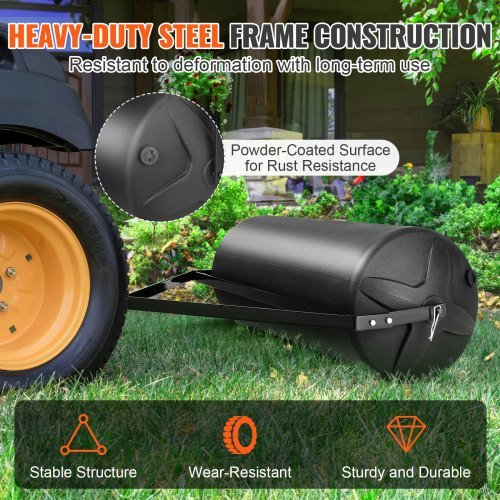
Are you wondering if you can tow a roller behind your tractor? Whether you’re preparing your land for planting or maintaining your fields, knowing how to use your equipment safely and effectively is key.
You might have questions about the best way to connect your roller, what to watch out for, and how to avoid damage to your tractor or the roller itself. Keep reading, because we’re going to break down exactly what you need to know to tow a roller with confidence and get the job done right.
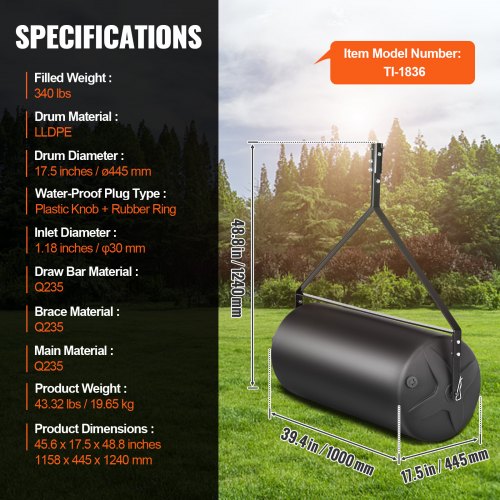
Credit: www.vevor.ca
Towing Basics For Tractors
Towing a roller behind a tractor is common on farms. It helps prepare soil for planting. Knowing the basics keeps the work safe and effective.
This guide covers types of trailers that tractors can tow. It also explains key tractor towing specifications you need to know.
Types Of Trailers Compatible With Tractors
Tractors can tow many trailers, but not all are fit for every tractor. You must pick trailers that match your tractor’s power and hitch type.
- Flatbed trailers for carrying heavy loads and equipment
- Utility trailers for light transport jobs on the farm
- Dump trailers to move soil, sand, or gravel easily
- Roller trailers for soil compaction after plowing
- Livestock trailers designed for safe animal transport
Key Tractor Towing Specifications
To tow safely, check your tractor’s towing limits and hitch details. Exceeding limits can damage the tractor or cause accidents.
| Specification | Details |
| Maximum Towing Capacity | Varies by model, often 5,000 to 15,000 lbs |
| Hitch Type | Category 1, 2, or 3, depending on tractor size |
| Drawbar Height | Usually 16 to 24 inches off the ground |
| Tire Size Compatibility | Ensures trailer tires match tractor speed and load |
| Brake System | May require trailer brakes for heavy loads |
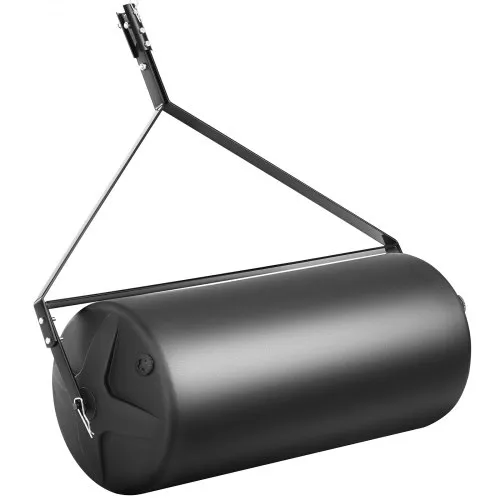
Credit: www.vevor.ca
Roller Tow-ability Factors
Towing a roller behind a tractor depends on many factors. These factors help ensure safe and efficient use.
Knowing the roller’s weight, size, and hitch type is important. These details affect how well the tractor can tow the roller.
Roller Weight And Size Considerations
The roller’s weight is a key factor in tow-ability. The tractor must have enough power to pull the roller safely.
Large or heavy rollers need stronger tractors and proper tires. The size also affects how easy it is to maneuver.
- Check the tractor’s towing capacity before attaching a roller.
- Ensure the roller size fits the tractor’s design for balance.
- Heavy rollers may require slower speeds for safe towing.
- Consider the terrain as it influences towing difficulty.
Hitch Types Suitable For Rollers
The hitch type connects the roller to the tractor. Using the right hitch improves safety and towing efficiency.
Some hitches are better for heavy or large rollers. The hitch must match the roller’s towing design and tractor’s hitch system.
- Category 1 and 2 three-point hitches suit many rollers.
- Drawbar hitches work well for heavier rollers.
- Quick hitch systems save time and improve fit.
- Always check hitch pins and locks before towing.
Safety Tips For Towing Rollers
Towing a roller behind a tractor helps prepare soil for planting. It is important to follow safety tips to avoid accidents and equipment damage.
Always check your equipment and use proper towing techniques. Drive carefully to keep control and protect yourself and others.
Inspecting Equipment Before Towing
Check the roller and tractor before you start towing. Look for any damage or loose parts that could cause problems.
Inspect tires, hitch points, and safety chains. Make sure everything is clean and works well.
- Check tire pressure and condition
- Look for cracks or dents on the roller
- Ensure the hitch is free of rust and damage
- Verify safety chains are not worn or broken
Proper Hitching Techniques
Use the correct hitch for your tractor and roller. Attach the roller securely to avoid detachment during towing.
Connect safety chains and lock pins. Double-check all connections before moving.
- Align hitch and roller connection points
- Insert locking pins and secure them
- Attach safety chains in a crisscross pattern
- Test the hitch by gently pulling before driving
Speed And Handling Guidelines
Drive at a low speed to keep control of the tractor and roller. Avoid sharp turns and sudden stops.
Be careful on slopes or uneven ground. Slow down and use smooth movements to prevent tipping or damage.
- Keep speed under 15 mph (24 km/h)
- Use wide turns to reduce stress on equipment
- Brake slowly to avoid jerks
- Watch for obstacles and rough terrain
Legal Regulations To Follow
Towing a roller behind a tractor requires following specific laws. These rules keep you and others safe on the road.
Understanding legal towing regulations helps avoid fines and accidents. It also ensures your equipment is properly used.
Local Towing Laws
Local laws set limits on what you can tow with a tractor. These rules vary by state and region. You must check them before towing.
- Check the maximum weight allowed for towing
- Ensure the roller is securely attached to the tractor
- Follow speed limits set for vehicles towing equipment
- Use proper hitching methods approved by local authorities
- Carry any required permits or documents during towing
Required Safety Markings And Lights
Safety markings and lights make the roller visible to other drivers. These are often required by law for towing equipment.
| Safety Feature | Description | When Required |
|---|---|---|
| Reflective Tape | Bright tape on the roller’s rear and sides | Always, for low visibility conditions |
| Slow Moving Vehicle Emblem | Triangle sign to warn faster vehicles | When towing on public roads |
| Brake Lights | Lights that signal stopping | If the roller has its own braking system |
| Turn Signals | Lights that show turning direction | When the roller blocks tractor signals |
Common Mistakes To Avoid
Towing a roller behind a tractor can be useful but requires care. Many make errors that cause damage or danger.
Knowing what to avoid helps keep your tractor and roller safe. It also makes your work easier and faster.
Overloading The Tractor
One big mistake is putting too much weight on the tractor. This can harm the engine and brakes. It also makes steering hard.
- Check the tractor’s load limits in the manual
- Do not exceed the recommended weight for towing
- Distribute the load evenly to avoid imbalance
- Use the proper hitch for the roller size
- Drive slowly when towing heavy loads
Ignoring Maintenance Checks
Skipping maintenance is risky. Parts can break when towing a roller. This causes accidents and costly repairs.
| Maintenance Task | Why It Matters | How Often |
| Check tire pressure | Ensures good traction and control | Before every towing session |
| Inspect hitch and connections | Prevents disconnection during towing | Weekly |
| Test brakes | Keeps stopping safe and effective | Monthly |
| Lubricate moving parts | Reduces wear and tear | Every 50 hours of use |
Enhancing Towing Safety
Towing a roller behind a tractor requires careful attention to safety. Proper measures help prevent accidents and damage.
This guide covers key safety tips for towing, focusing on chains, brakes, and operator training.
Using Safety Chains And Brakes
Safety chains provide a backup connection between the tractor and roller. They stop the roller if the main hitch fails.
- Attach safety chains in a crisscross pattern under the hitch.
- Use chains rated for the roller’s weight.
- Check chains for wear before each use.
- Ensure brakes on the roller are functional and tested.
- Brake systems reduce stopping distance and improve control.
Training And Operator Awareness
Operators must know how to tow safely and handle the equipment properly. Training reduces risks on the field.
| Training Topics | Importance |
| Proper hitching techniques | Prevents detachment |
| Use of safety chains | Ensures backup safety |
| Brake operation and testing | Improves stopping control |
| Load limits and speed | Prevents overloading |
| Emergency procedures | Prepares for accidents |
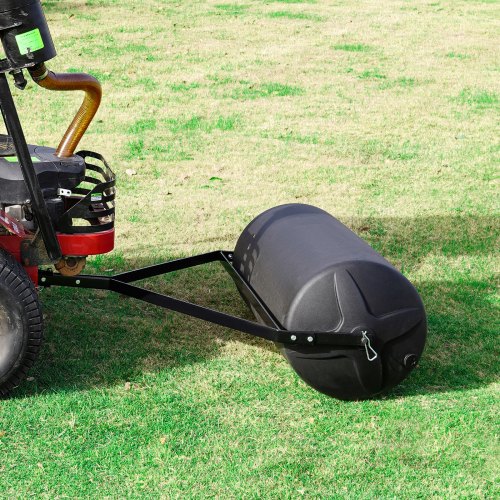
Credit: www.vevor.ca
Frequently Asked Questions
Can A Tractor Tow A Roller Safely?
Yes, a tractor can safely tow a roller if the tractor’s towing capacity matches the roller’s weight. Proper hitching and speed control ensure stability and prevent damage.
What Type Of Roller Can Be Towed Behind Tractors?
Most agricultural and lawn rollers designed for towing can be pulled behind tractors. Ensure the roller has a compatible hitch and is within the tractor’s towing limits.
Do I Need Special Equipment To Tow A Roller?
Typically, no special equipment is needed beyond a proper hitch. However, ensure the tractor and roller have matching coupling systems for safe towing.
How Fast Can I Tow A Roller Behind A Tractor?
It is best to tow rollers at low speeds, usually under 10 mph. This reduces the risk of accidents and ensures better control and safety.
Conclusion
Towing a roller behind a tractor is practical. It enhances soil quality. The process requires basic equipment and knowledge. Always ensure compatibility between the tractor and roller. Check their weight limits. Safety should be your top priority. Secure all attachments properly.
This prevents accidents during operation. Regular maintenance of both machines is important. It extends their lifespan and efficiency. Consider terrain conditions. Adjust your approach if necessary. Understanding these basics helps in achieving better results. With this guide, you can tow confidently.
Enjoy the benefits of improved soil management.
