
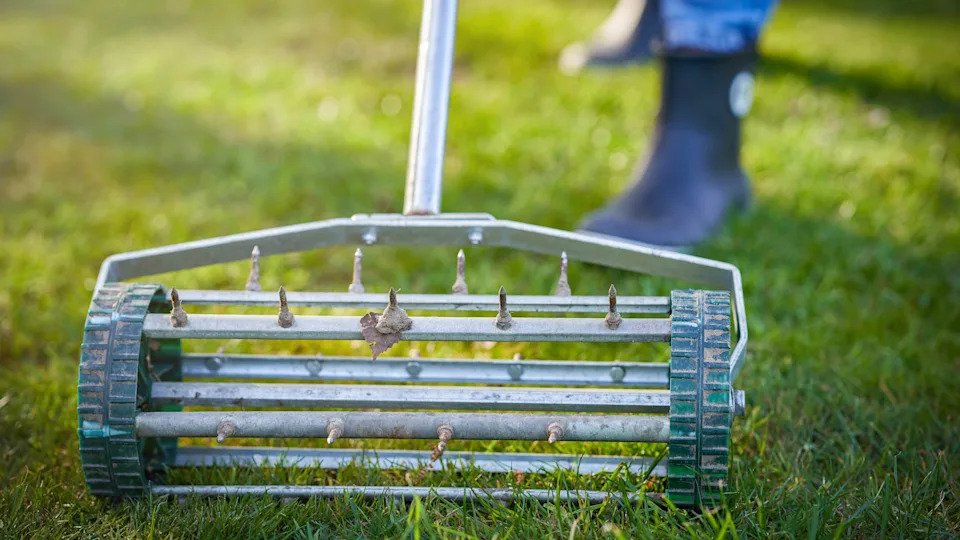
Is your lawn looking tired, patchy, or just not as green as it used to be? You might be wondering if it’s time for aeration.
Knowing when your lawn needs aeration can make all the difference between a dull yard and a lush, healthy one. But how do you tell if your grass is crying out for help beneath the surface? You’ll discover simple signs to watch for and easy ways to check your soil’s health.
Keep reading to learn how to bring your lawn back to life with the right care. Your dream lawn is closer than you think.

Credit: mowcow.com
Why Lawn Aeration Matters
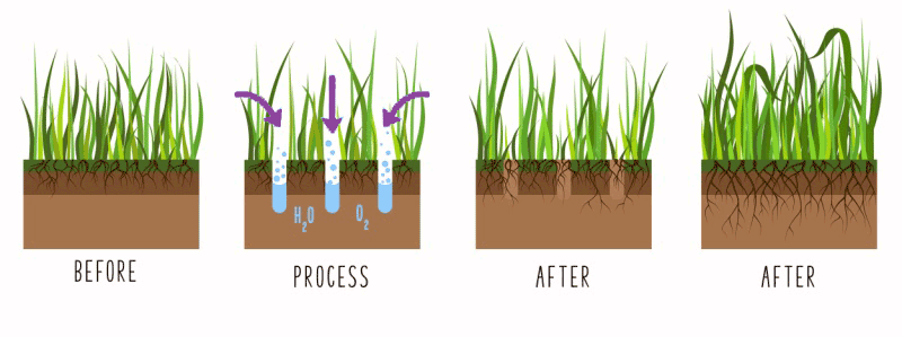
Lawn aeration helps grass grow healthy and strong. It improves air flow and water absorption.
Without aeration, soil becomes hard and roots cannot get nutrients well. This weakens your lawn.
Improves Soil Health
Aeration breaks up compacted soil. This lets air, water, and nutrients reach grass roots easier.
Better soil health means stronger roots and greener grass all year round.
Reduces Water Runoff
When soil is compacted, water flows off instead of soaking in. This wastes water and harms plants.
- Aeration creates holes that hold water
- Water reaches roots deeply
- Lawn stays hydrated longer
- Less water runoff and soil erosion
Enhances Nutrient Uptake
Fertilizers and nutrients need to reach roots to work well. Aeration opens pathways for them.
| Benefit | Effect |
| Better Air Flow | Stronger root growth |
| Improved Water Absorption | Healthier grass |
| More Nutrients Delivered | Vibrant lawn color |

Credit: landzie.com
Soil Compaction And Its Effects
Soil compaction happens when soil particles get squeezed together. This makes the soil hard and dense.
Compacted soil stops air, water, and nutrients from reaching grass roots. This harms your lawn’s health.
What Is Soil Compaction?
Soil compaction means soil loses its natural space between particles. This space is called pore space.
When the pore space shrinks, water and air cannot flow easily. Roots find it hard to grow deep.
Causes Of Soil Compaction
Heavy foot traffic and lawn equipment press down the soil. Wet soil is more likely to get compacted.
- Walking or playing on wet grass
- Using heavy lawn mowers or tractors
- Parking vehicles on the lawn
- Clay soil types compact more easily
Effects Of Soil Compaction On Lawn Health
Compacted soil stops roots from getting air and water. Grass grows weak and thin.
It also causes poor drainage. Water may pool on the surface, leading to dead patches.
- Shallow root growth
- Thinner, weaker grass
- Water runoff and puddles
- Increased weed growth
Signs Your Lawn Needs Aeration
Check for hard soil by pushing a screwdriver into the lawn. If it is hard, soil is compacted.
Other signs include water pooling, bare spots, and slow grass growth. These mean your lawn needs aeration.
- Soil feels hard and dense
- Water does not soak in
- Grass looks thin or patchy
- Weeds start to take over
Visual Signs Of Lawn Stress
Your lawn shows signs when it needs help. Watching it closely can tell you if aeration is needed.
Look for changes in how your grass grows and how the soil behaves. These changes reveal stress.
Thinning Grass
Thinning grass means fewer blades grow in certain spots. The lawn looks less full and weak.
This happens because soil is compacted. Roots cannot get enough air and nutrients to grow thick.
Patchy Growth
Patchy growth shows uneven grass coverage. Some areas grow well; others have bare spots.
Compacted soil often causes patchy growth. Grass struggles to spread evenly across the lawn.
Water Pooling
Water pooling happens when water stays on the surface too long. It forms puddles after rain or watering.
This means soil does not absorb water well. Compacted soil blocks water from reaching roots properly.
Credit: www.ageas.co.uk
Testing Soil Health At Home
Knowing if your lawn needs aeration starts with testing the soil. Healthy soil helps grass grow strong and green.
You can check your soil’s condition easily at home. Simple tests show if your lawn needs aeration.
Diy Soil Penetration Test
Push a screwdriver or a soil probe into your lawn. If it goes in easily, your soil is loose.
If the tool is hard to push, your soil is compacted. Compacted soil means your lawn needs aeration.
- Use a screwdriver or a metal rod
- Try pushing it 6 inches deep
- Check several spots around your lawn
- Hard to push means compact soil
- Easy to push means soil is healthy
Checking Soil Moisture
Soil moisture affects how well water and air reach grass roots. Too wet or too dry soil can hurt your lawn.
Feel the soil by digging a small hole 4 inches deep. Check if the soil feels dry, moist, or wet.
- Dry soil means water is not reaching roots
- Wet soil can cause poor air flow
- Moist soil is best for healthy grass
- Soil that stays wet may need aeration
Impact Of Foot Traffic And Weather
Your lawn’s health changes with how much people walk on it and the weather it faces. These factors can show if aeration is needed.
Aeration helps the soil breathe and water reach roots better. Knowing the signs from foot traffic and weather keeps your lawn green and strong.
Heavy Foot Traffic Areas
Places where people walk a lot can make soil hard and packed. This stops air and water from reaching grass roots well.
Signs include thin grass, bare spots, and soil that feels firm when you press it. These show your lawn needs aeration soon.
- Paths and walkways
- Play areas for kids
- Spaces near garden beds or patios
- Spots where pets run often
Effects Of Drought And Rain
Drought makes soil dry and tight, which blocks air and water. Rain can cause soil to become compacted if water pools or the ground stays wet too long.
Look for puddles, dry patches, or soil that cracks. These signs mean your lawn’s soil needs aeration to improve water flow and root growth.
When To Schedule Aeration
Aeration helps keep your lawn healthy by improving soil air and water flow. Knowing the right time to aerate is important for best results.
Scheduling aeration depends on your grass type and climate. This guide explains the best seasons and how often you should aerate.
Best Seasons For Aeration
The ideal time for aeration matches your lawn’s growth cycle. Cool-season grasses do well in early spring or fall. Warm-season grasses benefit most in late spring through summer.
- Cool-season grasses:Aerate in early spring or fall.
- Warm-season grasses:Aerate in late spring to summer.
- Avoid aerating:During drought or extreme heat.
Frequency Recommendations
How often you aerate depends on soil type and lawn use. Lawns with heavy clay or high foot traffic may need aeration more often.
| Soil or Lawn Type | Recommended Frequency |
| Sandy or loose soil | Once every 2 years |
| Clay or compacted soil | Once a year |
| High traffic lawn | Twice a year |
Choosing The Right Aeration Method
Knowing if your lawn needs aeration is important for healthy grass. Choosing the right aeration method helps your soil breathe better.
There are two main aeration types. Each works best in different lawn conditions.
Core Aeration
Core aeration removes small plugs of soil from your lawn. This helps air, water, and nutrients reach grass roots.
This method works best for lawns with compacted soil or heavy thatch build-up. It improves root growth and lawn health.
- Uses hollow tines to pull soil plugs
- Reduces soil compaction
- Improves water drainage
- Best for clay or heavy soils
Spike Aeration
Spike aeration pokes holes into the soil without removing plugs. It loosens soil and allows air to reach roots.
This method works well for lawns with light compaction. It is easier but less effective than core aeration for dense soil.
- Uses solid spikes to create holes
- Less invasive to the lawn
- Good for sandy or loose soils
- Needs more frequent use than core aeration
Frequently Asked Questions
What Are The Signs That My Lawn Needs Aeration?
Signs include compacted soil, poor grass growth, water pooling, and excessive thatch buildup. These issues reduce nutrient and oxygen flow to grass roots, indicating it’s time for aeration to improve lawn health.
How Often Should I Aerate My Lawn?
Most lawns benefit from aeration once a year, preferably during the growing season. Lawns with heavy foot traffic or clay soil may need aeration twice yearly for better soil aeration and grass growth.
Can I Aerate My Lawn Myself?
Yes, you can aerate your lawn using manual or mechanical aerators. DIY aeration is effective if done correctly, but renting equipment or hiring professionals ensures deeper core aeration and better results.
What Is The Best Time To Aerate A Lawn?
The best time is during active grass growth, typically early spring or fall. Aerating then helps grass recover quickly and absorb nutrients, promoting a healthier and thicker lawn.
Conclusion
Aerating your lawn ensures healthy grass growth. Check for compacted soil and patchy areas. These signs indicate your lawn needs aeration. Regular aeration helps roots breathe and absorb nutrients. This boosts your lawn’s health. A vibrant lawn enhances your home’s appeal.
Consider aeration as a part of your lawn care routine. It’s simple and effective. Keep your lawn lush and green. Healthy lawns start with proper aeration. Take action today for a better tomorrow. Your lawn will thank you.
