
Are you tired of seeing your lawn struggle despite all your efforts? You water it, mow it, and even add fertilizer, but the grass still looks patchy and weak.
What if the secret to a lush, green lawn lies beneath the surface—in the soil itself? Soil testing could be the game-changer you’ve been missing. By understanding exactly what your soil needs, you can give your lawn the right nutrients and care it deserves.
Keep reading to discover how soil testing can transform your lawn health and make your yard the envy of the neighborhood.

Credit: alluvialsoillab.com
Benefits Of Soil Testing
Soil testing helps you understand what your lawn needs. It shows the soil’s nutrient levels and pH balance.
Knowing the soil condition lets you care for your lawn better and avoid wasting resources.
Identifying Nutrient Deficiencies
Soil testing reveals which nutrients are missing or low in your soil. Plants need nutrients like nitrogen, phosphorus, and potassium to grow well.
- Detect low nitrogen that causes yellow leaves
- Find phosphorus deficiency that slows root growth
- Spot potassium lack that reduces disease resistance
Balancing Soil Ph Levels
Soil pH affects how well plants absorb nutrients. Testing shows if the soil is too acidic or too alkaline.
| pH Level | Effect on Lawn |
| Below 6.0 | Too acidic, poor nutrient uptake |
| 6.0 to 7.0 | Ideal for most grasses |
| Above 7.0 | Too alkaline, nutrient lockout |
Preventing Overfertilization
Soil tests help avoid adding too much fertilizer. Overfertilizing can harm the lawn and the environment.
Using soil test results, follow these tips to prevent overfertilization:
- Apply only the nutrients the soil lacks
- Use the correct fertilizer amount as shown by tests
- Space out fertilizer applications for steady growth

Credit: alluvialsoillab.com
How To Collect Soil Samples
Testing your soil helps you understand its health. Good soil means a healthy lawn.
Collecting the right soil samples is key to getting accurate results. Follow simple steps to do it right.
Tools Needed
You need a few tools to collect soil samples. These tools make the process easier and cleaner.
- Soil probe or garden trowel
- Clean bucket or container
- Plastic bags or sample boxes
- Permanent marker for labeling
- Gloves to keep hands clean
Sampling Techniques
Take samples from different spots in your lawn. This gives a good average of soil health.
Dig down about 6 inches to get soil from the root zone. Avoid grass and debris.
- Remove surface debris like grass and leaves.
- Use the probe or trowel to dig a small hole.
- Collect a thin slice of soil from the hole.
- Repeat in 10-15 spots across the lawn.
- Mix all samples in the bucket evenly.
- Place about 1 cup of mixed soil in a bag or box.
- Label your sample with date and location.
Best Time To Test
Test your soil before planting or fertilizing. This helps you plan better care.
Spring and fall are the best seasons for soil testing. The soil is easier to work with then.
- Spring: Before new growth starts
- Fall: After the growing season ends
- Avoid testing during very wet or dry periods
Interpreting Soil Test Results
Soil testing helps you understand what your lawn needs. Reading the results correctly can guide your care.
Knowing which nutrients are low or high helps you add the right treatments. This keeps your lawn healthy and green.
Key Nutrients To Monitor
Focus on three main nutrients in your soil test: nitrogen, phosphorus, and potassium. These affect lawn growth and strength.
- Nitrogen (N):Supports leaf growth and color.
- Phosphorus (P):Helps roots grow deep and strong.
- Potassium (K):Builds resistance to disease and drought.
Understanding Ph Values
Soil pH shows how acidic or alkaline your soil is. It affects how well plants absorb nutrients.
| pH Range | Soil Condition | Lawn Effect |
| Below 6.0 | Acidic | Nutrients may be less available |
| 6.0 to 7.0 | Neutral | Best for most grasses |
| Above 7.0 | Alkaline | Some nutrients become less available |
Using Test Reports Effectively
Use your soil report to plan lawn care. Match fertilizer types and amounts to the test results.
- Check nutrient levels and pH values.
- Choose fertilizers that add missing nutrients.
- Follow application rates on the report.
- Retest soil every 1-2 years for best results.
Improving Lawn Health Post-testing
Soil testing reveals what your lawn needs to grow well. After you get the results, you can take steps to improve your lawn’s health. These steps help your grass get the right nutrients and grow strong.
Use the soil test report to guide your lawn care. Focus on choosing the right fertilizers, adjusting the soil pH, and adding organic matter. Each step plays a key role in making your lawn green and healthy.
Choosing The Right Fertilizers
Select fertilizers based on your soil test results. The report shows which nutrients your lawn lacks. Use fertilizers that provide those nutrients in the right amounts. Avoid over-fertilizing, which can harm your grass.
- Look for fertilizers with nitrogen, phosphorus, and potassium ratios matching your soil needs
- Use slow-release fertilizers for steady nutrition
- Apply fertilizers during the growing season for best results
- Follow label instructions carefully to avoid damage
Adjusting Soil Ph
Soil pH affects how well your lawn absorbs nutrients. The soil test shows if your pH is too high or too low. Use lime to raise pH or sulfur to lower it. Adjusting pH helps your grass grow better.
| Soil pH Level | Adjustment Needed | Common Amendment |
| Below 6.0 | Raise pH | Lime |
| 6.0 to 7.5 | Ideal range | None |
| Above 7.5 | Lower pH | Elemental sulfur |
Incorporating Organic Matter
Adding organic matter improves soil structure and nutrient content. It helps soil hold water and air. Compost and mulch are good sources. Spread them evenly over your lawn and water well.
Benefits of Organic Matter:
- Improves soil texture
- Increases nutrient availability
- Boosts soil moisture retention
- Supports beneficial soil organisms
Common Soil Issues And Solutions
Soil health plays a key role in keeping your lawn green and strong. Testing soil helps find problems under the surface.
Understanding common soil issues lets you fix them and grow a better lawn.
Compacted Soil
Compacted soil makes it hard for grass roots to grow. It stops air, water, and nutrients from reaching roots. This leads to thin, weak grass.
To solve compacted soil, try aeration. This process creates holes in the soil to let air and water in. You can use a lawn aerator tool or hire a service.
Drainage Problems
Poor drainage causes water to pool on the lawn. This can drown grass roots and cause patches. It also encourages weeds and fungi.
- Check if your lawn slopes away from buildings.
- Use soil with good sand and organic matter mix.
- Add drainage tiles or create channels for water flow.
- Avoid overwatering your lawn.
Pest And Disease Management
Soil issues can invite pests and diseases. Healthy soil helps grass fight these problems naturally. Testing can show nutrient shortages or pH imbalances that cause weak grass.
| Issue | Cause | Solution |
| Grubs | Poor soil health | Use natural predators or insecticides |
| Fungal spots | Excess moisture, bad drainage | Improve drainage and reduce watering |
| Root rot | Compacted, waterlogged soil | Aerate soil and fix drainage |
Maintaining Soil Health Long-term
Healthy soil supports a strong and green lawn. Testing soil regularly helps keep it balanced. This guide shows how to maintain soil health for years.
Good soil care improves grass growth and prevents problems. Follow these simple steps to keep your lawn healthy all year.
Regular Testing Schedule
Test your soil at least once a year. Spring or fall are the best times. Regular testing shows nutrient levels and soil pH.
- Collect soil samples from different lawn areas.
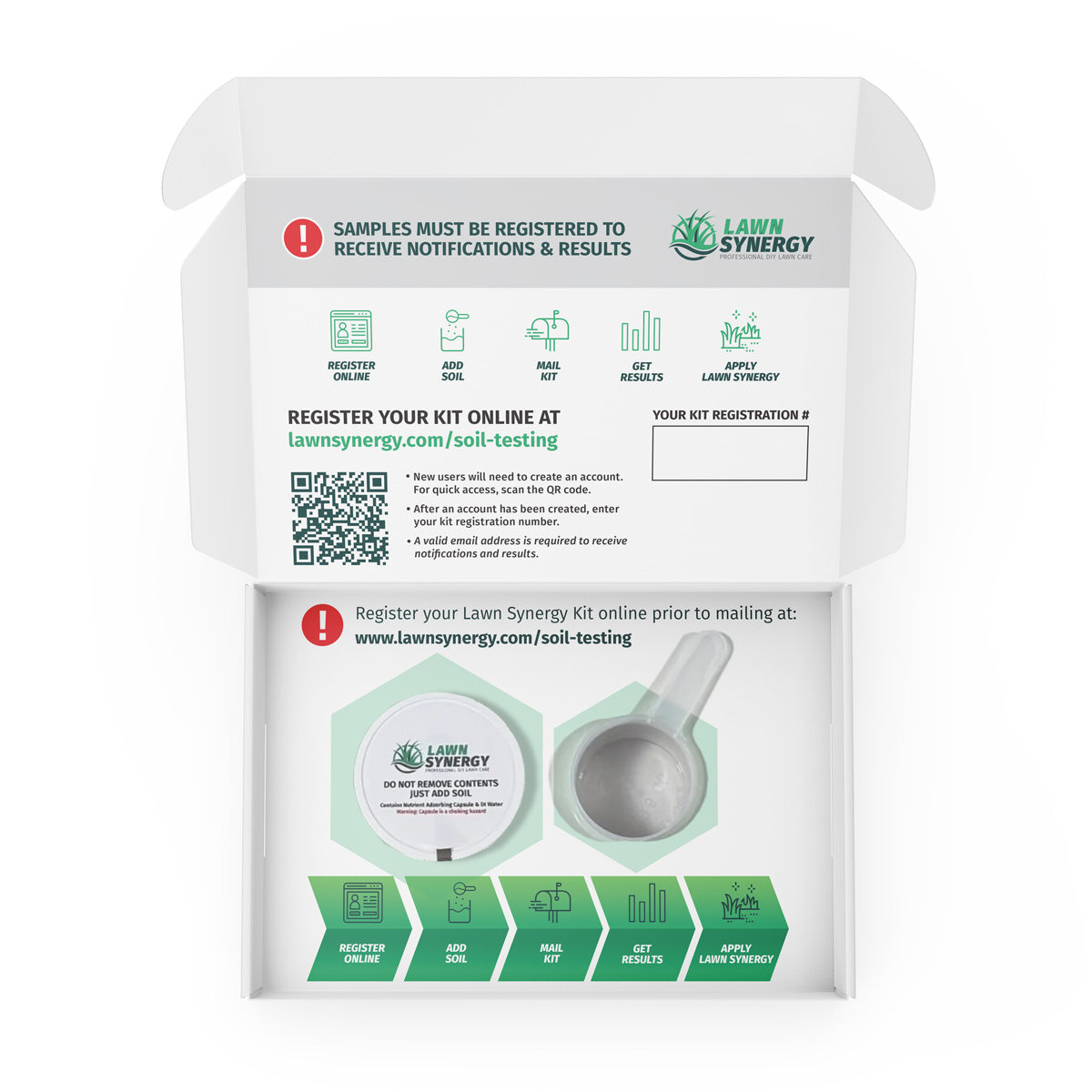
- Send samples to a reliable lab for analysis.
- Review results and note any nutrient deficiencies.
- Apply recommended soil amendments based on the report.
Lawn Care Best Practices
Healthy soil needs good lawn care habits. Use watering, mowing, and fertilizing methods that support soil life.
| Practice | Benefit |
| Water deeply but less often | Encourages deep root growth |
| Keep mower blades sharp | Prevents tearing grass leaves |
| Use slow-release fertilizers | Feeds soil gradually |
| Add organic mulch or compost | Improves soil structure and nutrients |
Seasonal Adjustments
Adjust lawn care based on the season to keep soil healthy. Different seasons affect soil moisture and nutrient needs.
- In spring, aerate soil to reduce compaction.
- Summer needs regular watering and shade protection.
- Fall is ideal for fertilizing and overseeding.
- Winter requires less activity but keep soil covered if possible.
Credit: lawnsynergy.com
Frequently Asked Questions
What Is The Importance Of Soil Testing For Lawn Health?
Soil testing identifies nutrient levels and pH balance. It helps tailor fertilizer use, improving grass growth and reducing waste. Testing ensures a healthy, vibrant lawn by addressing specific soil needs.
How Often Should I Test My Lawn Soil?
Testing lawn soil every 2-3 years is ideal. Frequent checks help monitor nutrient changes and maintain optimal soil conditions. This schedule supports consistent lawn health and prevents nutrient deficiencies.
Can Soil Testing Prevent Lawn Diseases?
Yes, soil testing detects imbalances that weaken grass. Correcting nutrient and pH levels strengthens roots and reduces disease risks. Healthy soil creates a resilient lawn less prone to infections.
What Nutrients Does Soil Testing Check For?
Soil tests measure key nutrients like nitrogen, phosphorus, and potassium. They also assess pH and micronutrients essential for grass growth. This information guides effective fertilization strategies.
Conclusion
Soil testing offers valuable insights for better lawn care. It identifies nutrient gaps and helps choose the right fertilizers. Healthy soil leads to a vibrant, green lawn. Regular testing ensures optimal growth and prevents issues. Simple steps can make a big difference.
Your lawn’s health depends on understanding its needs. Testing provides clarity and direction. So, make soil testing a part of your lawn care routine. Enjoy a lush, thriving lawn with less effort. Remember, informed care leads to lasting beauty. Happy gardening!
