
Using a yard cart can make your outdoor work easier and faster. But, if you’re not careful, it can also lead to accidents or injuries.
You want to keep yourself and your family safe while making the most of your yard cart. That’s why knowing simple, practical safety tips is so important. You’ll discover easy ways to protect yourself and get the job done right.
Keep reading to learn how to handle your yard cart safely every time.
Choosing The Right Yard Cart
Picking the right yard cart helps you work safely and easily. It makes moving tools and materials less tiring.
Think about your needs before buying. Size, strength, and comfort matter a lot.
Size And Weight Capacity
Choose a cart size that fits your yard and the tasks you do. Too big or too small carts can cause problems.
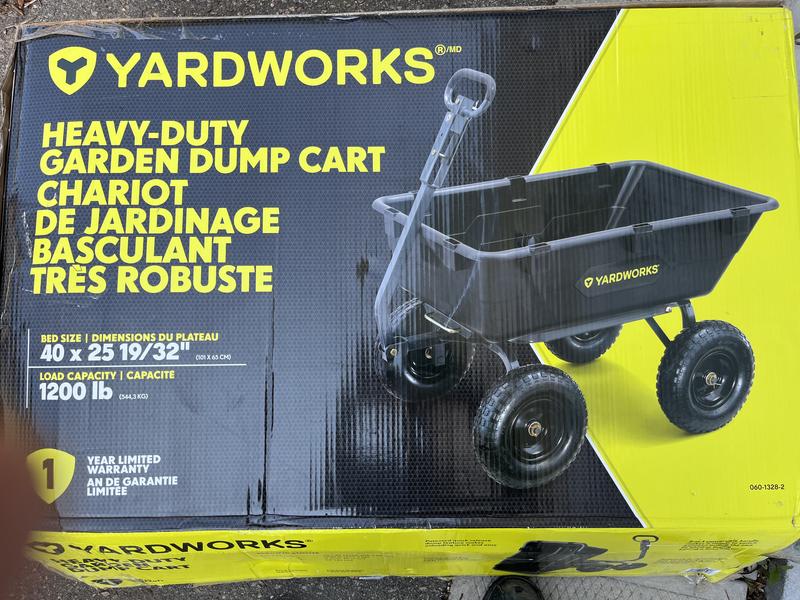
Check the weight capacity. It shows how much the cart can carry safely without breaking.
- Pick a cart that holds all your tools in one trip
- Don’t overload the cart beyond its weight limit
- Consider the space you have to store the cart
Material And Durability
Look for strong materials like steel or heavy-duty plastic. They last longer and handle rough use.
Durable carts resist rust and damage from weather. This keeps them safe to use over time.
- Steel carts are tough but heavier
- Plastic carts are lighter and resist rust
- Check if parts like wheels and handles are sturdy
Handle Design And Comfort
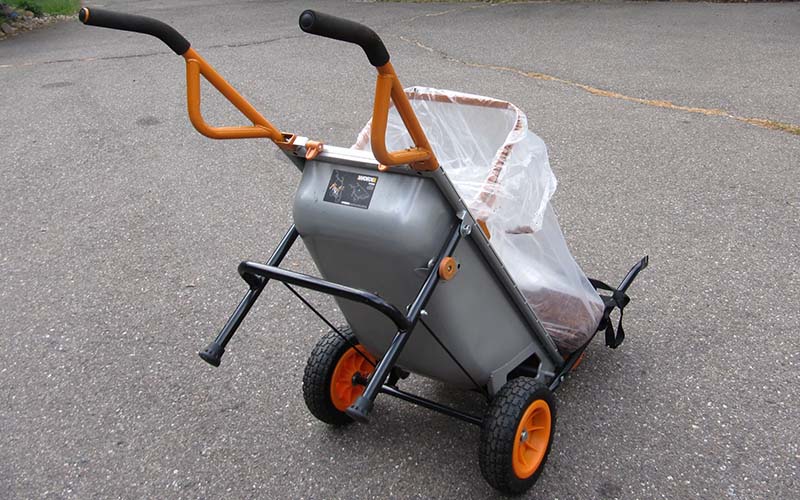
Comfortable handles reduce hand strain during use. Look for grips that feel good and do not slip.
Handle height should fit your body. It helps keep good posture and avoids back pain.
- Choose padded or rubber grips for better hold
- Adjustable handles fit different users
- Check if the handle moves easily for steering
Credit: gardeningproductsreview.com
Safe Loading Practices
Loading a yard cart safely helps prevent accidents and damage. It also makes moving items easier and faster.
Follow simple rules to keep your yard cart steady and secure while you work.
Distributing Weight Evenly
Place heavy items in the center of the yard cart. Keep weight balanced from side to side.
Even weight helps prevent the cart from tipping over or becoming hard to pull.
- Put heavy objects low and in the middle
- Spread items out evenly across the cart bed
- Avoid stacking all weight on one side
Avoiding Overloading
Do not load more than the yard cart’s weight limit. Overloading causes damage to the cart and can cause accidents.
Check the cart’s manual or label to know its maximum weight capacity.
- Weigh heavy items before loading
- Make multiple trips for large loads
- Watch for signs of strain on the cart
Securing Loose Items
Secure loose items to stop them from falling off while moving. Loose items can cause injury or loss.
Use straps, ropes, or nets to hold everything in place.
- Bundle small items together
- Tie down tall or uneven loads
- Check that all items are stable before moving
Proper Maneuvering Techniques
Using a yard cart safely helps prevent injuries and damage. Proper maneuvering makes moving heavy loads easier and safer.
Knowing how to handle the cart correctly improves balance and control on different surfaces.
Pushing Vs Pulling
Pushing a yard cart is safer than pulling. It keeps your body in a stronger position and reduces strain.
Pulling can cause you to lose balance or hurt your back. Use pushing for better control and power.
- Push the cart to keep your back straight
- Pulling can make you stumble or fall
- Use pushing to avoid muscle strain
Navigating Slopes And Uneven Terrain
Move slowly on slopes to keep control. Take small steps and keep the cart close to you.
On rough ground, watch for rocks and holes. Avoid sudden moves that can tip the cart over.
- Go slow uphill and downhill
- Keep the load balanced
- Stop if the cart feels unstable
Using Both Hands For Control
Hold the handles with both hands to keep steady control. This helps you steer and stop the cart easily.
Using both hands also spreads the effort evenly, reducing the risk of accidents and fatigue.
- Grip handles firmly with both hands
- Use your arms and legs to move the cart
- Keep a steady speed and direction
Credit: www.canadiantire.ca
Maintenance And Inspection
Keeping your yard cart in good shape is important for safety. Regular maintenance and inspection help you avoid accidents.
Check your yard cart often. Fix small problems before they become big issues.
Checking Tires And Wheels
Look at the tires for cracks or flat spots. Make sure they are properly inflated if they are air-filled.
Spin the wheels to check for smooth movement. Look for signs of rust or damage on the rims.
- Inspect tire surface for wear and cracks
- Check tire pressure if applicable
- Spin wheels to test smooth rotation
- Look for rust or bent rims
Lubricating Moving Parts
Keep the moving parts of your yard cart well-lubricated. This reduces wear and helps parts move easily.
Apply oil or grease to wheel axles, hinges, and joints. Wipe off any extra lubricant to avoid dirt buildup.
- Use suitable lubricant for metal parts
- Apply to wheel axles and bearings
- Lubricate any hinges or joints
- Clean off excess oil or grease
Inspecting Handles And Frame
Check the handles for cracks or looseness. Tighten any bolts or screws to keep handles secure.
Look over the frame for bends, cracks, or rust. A strong frame is key to safe yard cart use.
- Examine handles for damage or looseness
- Tighten bolts and screws if needed
- Inspect frame for bends or cracks
- Watch for rust spots and clean them
Protective Gear Recommendations
Using the right protective gear helps keep you safe when handling a yard cart. Safety gear protects your hands, feet, and eyes from common yard hazards.
Follow these simple gear tips to avoid injuries and work more comfortably outside.
Gloves For Grip And Protection
Wearing gloves improves your grip on the yard cart handles. Gloves protect your hands from blisters, cuts, and splinters. Choose gloves that fit well and have a textured surface.
Footwear For Stability
Good footwear keeps your feet steady on uneven ground. Wear shoes with strong soles and good traction. Avoid sandals or flip-flops to prevent foot injuries.
- Wear closed-toe shoes with slip-resistant soles
- Choose boots with ankle support for rough terrain
- Ensure shoes are comfortable for long work periods
- Check shoes for damage before use
Eye Protection From Debris
Eye protection guards your eyes from flying dirt, dust, and small branches. Use safety goggles or glasses designed for outdoor work. Clear lenses work well in all light conditions.
| Type of Eye Protection | Key Feature |
| Safety Goggles | Seal around eyes, blocks all debris |
| Safety Glasses | Lightweight, protects from side impacts |
| Face Shield | Full face coverage, best for heavy debris |
Common Yard Cart Hazards
Using a yard cart can make outdoor work easier. It helps carry tools, plants, and debris. Still, there are risks to watch out for.
Knowing the common dangers can keep you safe. Pay attention to your cart and the area around you.
Pinch Points And Sharp Edges
Yard carts have moving parts that can pinch your fingers. Sharp edges on metal or plastic parts can cause cuts.
Always check the cart for damage. Keep hands clear from hinges and joints when moving or folding the cart.
- Wear gloves to protect your hands.
- Inspect for rust or broken parts before use.
- Use caution near folding handles and wheels.
- Keep children away from the cart during operation.
Tripping And Falling Risks
A yard cart can block your view or create obstacles. Uneven ground or clutter can cause trips and falls.
Watch your path and clear debris before moving the cart. Use the cart on stable surfaces to avoid tipping.
- Wear sturdy shoes with good grip.
- Do not overload the cart beyond its weight limit.
- Keep pathways clear and well-lit.
- Push the cart slowly to maintain control.
Weather-related Dangers
Wet or icy weather makes surfaces slippery. Rain can cause rust on metal parts, weakening the cart.
Use the yard cart carefully in bad weather. Store it in a dry place to keep it safe and functional.
- Avoid using the cart on icy or wet grass.
- Check wheels for mud or ice buildup.
- Dry and clean the cart after use in rain.
- Store indoors or cover to prevent rust.

Credit: cedarcide.com
Frequently Asked Questions
How Do I Safely Load A Yard Cart?
Distribute weight evenly to avoid tipping. Load heavy items low and close to the cart’s center. Avoid overloading beyond the cart’s capacity to ensure safe handling and prevent accidents.
What Are Key Precautions When Using A Yard Cart?
Wear gloves and sturdy shoes for protection. Always push, don’t pull, to maintain control. Check for clear pathways and avoid steep slopes to reduce the risk of tipping.
How Can I Maintain My Yard Cart For Safety?
Regularly inspect tires for proper inflation and damage. Lubricate moving parts to ensure smooth operation. Tighten loose bolts and clean the cart to prevent wear and tear.
Is It Safe To Transport Children In A Yard Cart?
No, yard carts are not designed for passengers. Carrying children risks injury due to instability and lack of safety features. Use appropriate equipment designed for transporting children instead.
Conclusion
Yard carts help make outdoor work easier and faster. Follow safety tips to avoid accidents and injuries. Always check the cart before use for any damage. Use the cart on flat surfaces and avoid overload. Keep your hands and feet clear while moving it.
Store the cart in a safe place after work. Simple steps keep you safe and protect your yard cart. Stay careful and enjoy your outdoor tasks with confidence. Safety first makes every job better and stress-free.
