
Have you ever invested time and money into lawn edging only to wonder how long it will actually last? You’re not alone.
Many homeowners are eager to enhance their gardens with neat, defined edges but are unsure about the lifespan of their investment. We’ll uncover the secrets behind the longevity of lawn edging, helping you make informed decisions that ensure your garden looks pristine for years to come.
Imagine the satisfaction of a well-maintained lawn where everything stays in place, season after season. Ready to discover how you can achieve this? Keep reading, and you’ll find the answers you’ve been searching for.

Credit: www.flexiborder.co.uk
Types Of Lawn Edging Materials
Lawn edging helps keep your garden neat and defined. Different materials last for different times.
Choosing the right material affects how long your lawn edging will last and how it looks.
Plastic Edging
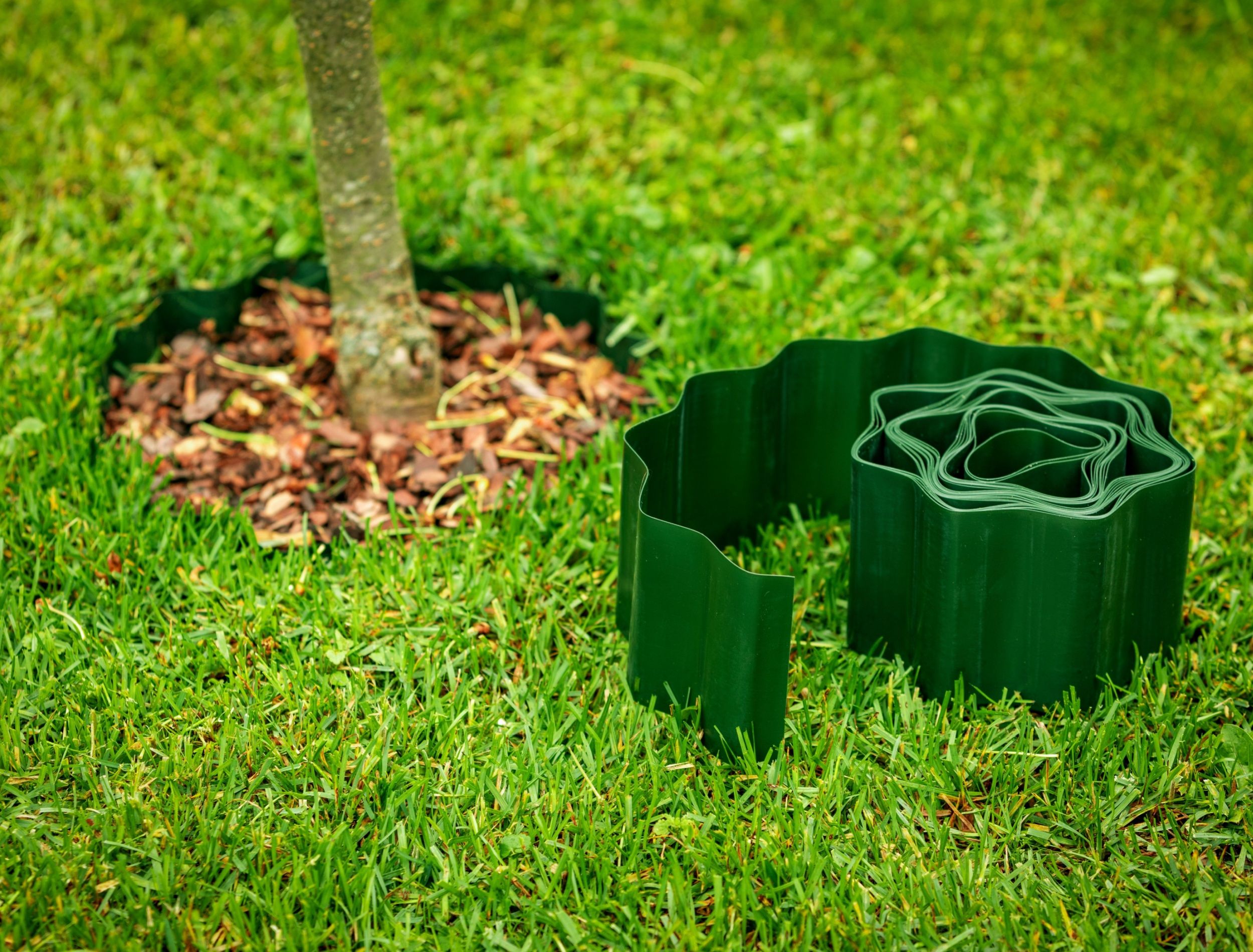
Plastic edging is lightweight and easy to install. It is flexible and can curve around flower beds.
This type of edging can last about 5 to 10 years. It may break down faster in strong sunlight.
- Resists moisture and insects
- Can crack in cold weather
- Needs replacement more often than metal or stone
Metal Edging
Metal edging is strong and durable. It gives a clean, modern look to your lawn borders.
It can last 20 years or more if it does not rust. Steel and aluminum are common metals used.
- Resists warping and cracking
- May rust without protective coating
- Requires proper installation for best life span
Stone Edging
Stone edging is very sturdy and natural-looking. It can last many decades with little care.
Natural stone resists weather and damage. It adds a classic style to gardens and lawns.
- Can be heavy and hard to install
- Does not need replacement often
- May shift if ground moves
Brick And Concrete Edging
Brick and concrete edging is long-lasting and strong. It creates a formal and clean lawn edge.
These materials can last 50 years or more. They resist weather well but may crack in cold climates.
- Requires solid base for installation
- Can be painted or stained
- Heavy and less flexible
Wood Edging
Wood edging offers a natural, warm look. It is easy to install but needs care to last long.
Wood can last 5 to 15 years depending on type and treatment. Untreated wood decays faster.
- Treated wood resists rot and insects
- May need replacement every few years
- Natural look blends well with plants
Factors Affecting Lawn Edging Lifespan
Lawn edging helps keep your garden looking neat. Its lifespan depends on many factors. Understanding these can help you choose the best edging for your yard.
This guide covers four main factors that affect how long lawn edging lasts. These are climate and weather, soil conditions, installation quality, and maintenance.
Climate And Weather Impact
Climate plays a big role in lawn edging durability. Rain, snow, heat, and cold can wear down edging materials over time.
- Heavy rain can cause rust in metal edging.
- Freezing and thawing cycles may crack plastic or concrete edging.
- Strong sun can fade colors and weaken some materials.
- Wind may loosen edging not installed deeply.
Soil Conditions
Soil type and moisture affect how edging holds up. Certain soils cause more damage than others.
| Soil Type | Effect on Edging |
| Clay | Holds water, may cause rust or rot |
| Sandy | Drains well but may shift edging |
| Loamy | Balanced moisture, less damage |
| Rocky | Can damage edging physically |
Installation Quality
How edging is installed affects its lifespan. Proper setup prevents early damage and shifting.
- Edges should be set at the right depth.
- Materials must be joined tightly without gaps.
- Use stakes or anchors to keep edging stable.
- Avoid sharp bends that can cause breaks.
Maintenance Practices
Regular care extends the life of lawn edging. Clean and check edging often for damage.
- Remove dirt and debris from edges.
- Repair cracks or breaks quickly.
- Re-anchor loose edging parts.
- Apply protective coatings if needed.
Expected Durability Of Different Edging Materials
Lawn edging helps keep your garden neat and tidy. Choosing the right material affects how long your edging lasts.
Different materials have different strengths and weaknesses. Understanding these can help you pick the best option.
Plastic: Pros And Cons
Plastic edging is lightweight and easy to install. It resists moisture and does not rust. But, it can crack in cold weather.
- Resistant to water and rust
- Easy to shape and install
- Can break or crack under stress
- May fade in sunlight over time
Metal: Longevity Insights
Metal edging is strong and lasts longer than plastic. It can handle heavy pressure and keeps its shape well.
- Very durable and sturdy
- Resistant to impact and wear
- May rust if not coated
- Needs occasional maintenance
Stone: Durability Traits
Stone edging offers a natural look with great durability. It withstands weather changes and lasts many years.
| Stone Type | Durability | Maintenance |
| Granite | Very High | Low |
| Limestone | High | Medium |
| Sandstone | Medium | Medium |
Brick And Concrete: Lifespan Factors
Brick and concrete edging are solid and long-lasting. They resist damage well but can crack from freeze-thaw cycles.
- Strong and heavy materials
- Good resistance to outdoor elements
- Can crack if ground shifts
- May need repair over time
Wood: Wear And Tear
Wood edging gives a warm, natural look. It lasts less than stone or metal and can rot or warp without care.
- Natural appearance
- Prone to rotting and insect damage
- Needs regular sealing or treatment
- Usually lasts a few years

Credit: 2xedge.com
Signs Lawn Edging Needs Replacement
Lawn edging helps keep your garden neat and tidy. Over time, it can wear out and lose its effectiveness.
Knowing when to replace your lawn edging can save you time and keep your yard looking great.
Visible Damage
Cracks, breaks, or missing pieces show your lawn edging is damaged. This damage makes it less effective at holding soil and grass.
- Cracked or broken edges
- Missing or chipped sections
- Rust on metal edging
- Faded or worn-out material
Shifting Or Sinking
Lawn edging should stay firmly in place. If it moves, sinks, or leans, it may no longer hold soil or grass properly.
| Problem | Effect |
| Edging shifts or moves | Uneven lawn border |
| Edging sinks into the ground | Soil and mulch spill out |
| Edges lean outward or inward | Weed growth increases |
Weed Growth Issues
Weeds growing through or near your edging may mean it is no longer a good barrier. This can spoil your lawn’s neat look.
Common weed problems include:
- Weeds growing between edging and soil
- Roots pushing edging up
- Gaps allowing weed seeds to enter
Loss Of Shape Or Function
If your lawn edging loses its shape, it can fail to separate lawn and garden beds. Bent or warped edging may not work well.
- Bent or warped edging pieces
- Edges that no longer hold soil
- Soft or rotted materials
- Sections that crumble or break easily
Tips To Extend Lawn Edging Life
Lawn edging helps keep your yard neat and tidy. Taking care of it well can make it last longer.
Use simple methods to protect your lawn edging from damage and wear. This guide shares useful tips.
Proper Installation Techniques
Start with a strong base for your lawn edging. Make sure the ground is level and firm. This stops the edging from shifting or breaking.
- Dig a trench deep enough to hold the edging firmly.
- Use stakes or anchors to keep the edging in place.
- Choose materials that fit your lawn type and weather.
- Check alignment as you install to keep edges straight.
Regular Cleaning And Upkeep
Clean your lawn edging often to stop dirt and debris from building up. This prevents damage and keeps it looking good.
| Cleaning Task | Frequency |
| Remove leaves and grass clippings | Weekly |
| Wash off dirt and mud | Monthly |
| Check for cracks or damage | Seasonally |
| Re-secure loose edging pieces | As needed |
Seasonal Care
Prepare your lawn edging for changing seasons. This helps it stay strong and last through harsh weather.
- In spring, check for winter damage and fix it.
- During summer, trim grass near the edging to avoid overgrowth.
- In fall, clear fallen leaves regularly.
- Before winter, protect edging from heavy snow or ice.
Preventing Physical Damage
Protect lawn edging from tools and heavy objects that can cause cracks or breaks.
Follow these tips to avoid damage:
- Keep lawn mowers and trimmers away from edging edges.
- Use gentle tools when working near the edging.
- Avoid parking vehicles or placing heavy items on edging.
- Repair small cracks quickly to stop them from growing.
Credit: www.backyardboss.net
Frequently Asked Questions
How Long Does Plastic Lawn Edging Last?
Plastic lawn edging typically lasts 5 to 10 years. Its durability depends on climate and sunlight exposure. High-quality plastic resists cracking and fading longer. Regular maintenance can extend its lifespan significantly.
Is Metal Lawn Edging More Durable Than Plastic?
Yes, metal lawn edging lasts longer, often 20+ years. It withstands weather and physical impact better than plastic. Rust-resistant coatings improve metal edging longevity. Proper installation and upkeep enhance its durability.
What Factors Affect Lawn Edging Lifespan?
Lawn edging lifespan depends on material type, climate, and maintenance. Harsh weather and UV exposure reduce durability. Regular cleaning and repairs help extend edging life. Choosing quality materials also improves longevity.
How Often Should Lawn Edging Be Replaced?
Lawn edging replacement varies by material and condition. Plastic edging may need replacement every 5-10 years. Metal edging can last 20 years or more. Inspect edging annually for damage or wear to decide.
Conclusion
Lawn edging can last several years with proper care. Choosing the right material matters a lot. Regular maintenance keeps edges neat and strong. Weather and lawn conditions also affect durability. Check your edging often for signs of wear. Fix small problems before they get worse.
A well-edged lawn looks tidy and inviting. Take simple steps to extend your edging’s life. Your garden will thank you with lasting beauty.
