

Are your sidewalks looking a little rough around the edges? If so, you’re not alone.
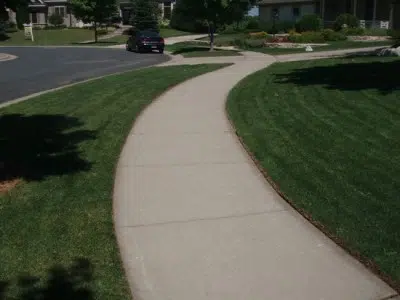
Many homeowners struggle to keep their sidewalks neat and tidy. But what if I told you there’s a simple way to give your sidewalks a clean, polished look that can transform the appearance of your entire yard? Learning how to edge along sidewalks is the secret to achieving that crisp, professional finish you’ve been dreaming of.
In this guide, you’ll discover easy-to-follow techniques that will make your sidewalks stand out. Imagine the satisfaction of seeing those perfectly defined edges every time you walk up to your home. Ready to impress your neighbors and boost your curb appeal? Let’s dive in!
Credit: warnersoutdoorsolutions.com
Choosing The Right Tools
Edging along sidewalks keeps your yard neat and clean. Using the right tools makes the job easier and better.
There are many tools to choose from. It is important to pick ones that fit your needs and skill level.
Manual Vs. Powered Edgers
Manual edgers work by hand. They are simple and need no fuel or electricity.
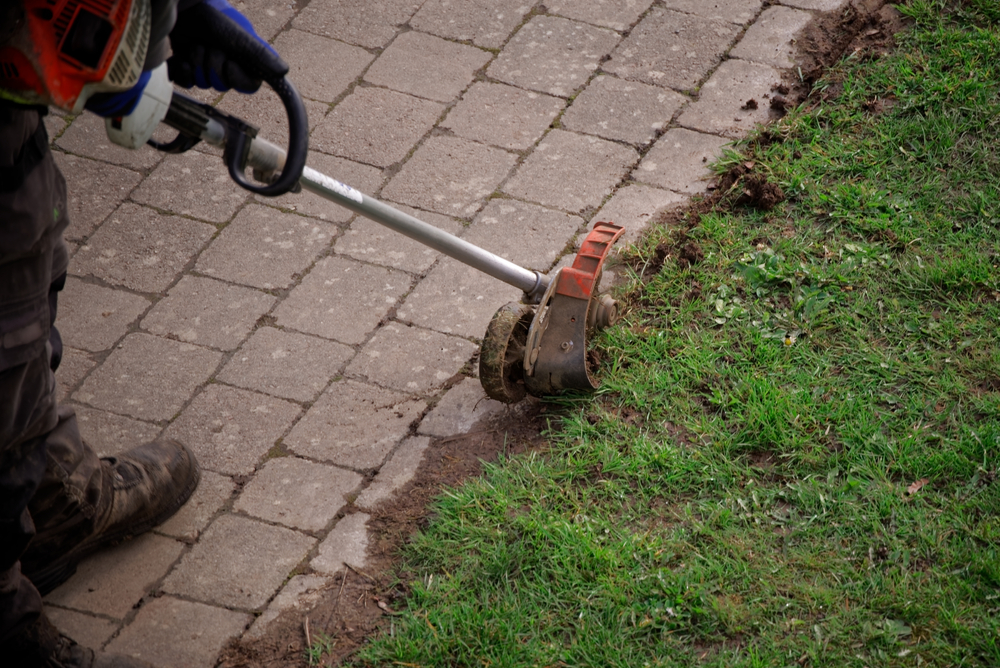
Powered edgers use gas or electricity. They cut faster and with less effort.
- Manual Edgers:Best for small jobs and soft soil.
- Powered Edgers:Good for large areas and tough edges.
- Manual Edgers:Quiet and eco-friendly.
- Powered Edgers:Can be heavier and louder.
Essential Tool Features
Look for tools with sharp blades. Sharp blades cut clean edges easily.
Choose edgers with comfortable handles. Good grip reduces hand fatigue.
- Blade size should match your sidewalk width.
- Check if the tool is easy to start and use.
- For powered edgers, consider battery life or fuel capacity.
- Look for adjustable blade depth for different soils.
Safety Gear To Use
Always wear safety gear to protect yourself. Edging tools can cause injuries.
Use gloves to protect your hands. Wear safety glasses to shield your eyes.
- Gloves help prevent blisters and cuts.
- Safety glasses stop dirt and debris from hitting your eyes.
- Wear long pants and closed shoes for extra protection.
- For powered edgers, use ear protection to reduce noise.
Credit: www.redfin.com
Preparing The Area
Edging along sidewalks creates a clean, neat border. Preparing the area well makes edging easier and lasts longer.
Start by clearing the work zone and checking soil conditions. Marking the edging lines helps guide your work for a smooth finish.
Clearing Debris
Remove leaves, sticks, and trash from the sidewalk edges. Clear dirt clumps and grass that might block your edging tools.
- Rake away loose debris
- Pull out weeds close to the sidewalk
- Trim overgrown grass near the edge
- Clear any stones or broken concrete pieces
Marking Edging Lines
Use chalk or string to mark a straight line along the sidewalk edge. This line will guide your cuts for a clean edge.
| Tool | Purpose |
|---|---|
| Chalk Line | Draws a clear, visible line |
| Garden String | Helps keep a straight edge |
| Spray Paint | Marks permanent or semi-permanent lines |
Checking Soil Conditions
Test the soil near the sidewalk for hardness and moisture. Soft soil cuts easier and holds edging better.
- Dig a small hole to check soil texture
- Water dry soil and wait 30 minutes
- Remove hard clumps or rocks
- Add soil conditioner if soil is too sandy or clay-like
Techniques For Clean Edges
Edging along sidewalks makes your lawn look neat and well cared for. Clean edges create a sharp line between grass and pavement. Using the right techniques helps you get tidy results every time.
Focus on posture, angle, and depth to cut clean edges. These factors work together to give your lawn a smooth, professional finish.
Proper Posture And Grip
Stand straight but relaxed when edging. Keep your feet shoulder-width apart for balance. Hold the edger handle firmly but not too tight to avoid fatigue.
A steady grip helps you guide the edger smoothly along the sidewalk. Use both hands to keep control and reduce shaking.
- Stand with feet apart for good balance
- Hold the handle firmly but comfortably
- Use both hands for better control
Cutting At The Correct Angle
Hold the edger blade at about a 90-degree angle to the sidewalk edge. This angle cuts straight down for a clean line. Avoid tilting the blade too much forward or backward.
Moving the edger slowly along the edge helps prevent uneven cuts. Keep the blade steady to get a smooth finish.
- Keep blade at a 90-degree angle to the edge
- Do not tilt blade forward or backward
- Move edger slowly for smooth cutting
Maintaining Consistent Depth
Set the edger blade to cut just below the soil surface. This depth removes grass roots without digging too deep. A shallow cut helps keep the sidewalk clean.
Keep the depth the same along the entire edge. This consistency prevents uneven lines and damage to the lawn.
- Adjust blade to cut slightly below soil surface
- Avoid cutting too deep to protect lawn roots
- Keep depth even along the entire edge

Credit: www.reddit.com
Maintaining Your Edging Tools
Keeping your edging tools in good shape helps you work better. Regular care makes them last longer.
Simple maintenance tasks keep your tools sharp and clean. This guide covers cleaning, sharpening, and storage.
Cleaning After Use
Cleaning your edging tools right after use stops rust and damage. Remove dirt and grass from blades and handles.
- Wipe blades with a dry cloth
- Use water and mild soap for tough dirt
- Dry tools completely before storing
- Apply light oil to metal parts to prevent rust
Sharpening Blades
Dull blades make edging harder and less clean. Keep blades sharp for smooth cuts and less effort.
| Sharpening Tool | Use | Tip |
|---|---|---|
| Flat file | Sharpen straight edges | Keep file angle steady |
| Sharpening stone | Refine blade edge | Use water or oil on stone |
| Power grinder | Quick sharpening | Use gentle pressure to avoid overheating |
Storage Tips
Proper storage stops damage and keeps tools ready to use. Store tools in dry, clean places.
- Hang tools to avoid blade contact with the ground
- Keep blades covered or sheathed
- Store in a dry shed or garage
- Check tools regularly for signs of rust or wear
Common Mistakes To Avoid
Edging along sidewalks helps keep your yard neat and tidy. Doing it right makes your lawn look clean and cared for. Avoiding common mistakes will save you time and effort.
These mistakes can cause damage or make your work harder. Learn what to avoid to get the best results when edging.
Over-edging
Cutting too deep or too wide can hurt your lawn and sidewalk edges. Over-edging can cause soil erosion and damage grass roots.
Stay close to the edge and avoid cutting more than needed. Use light passes instead of one heavy cut.
Ignoring Safety Precautions
Edging tools can be dangerous if you don’t use them safely. Not wearing protective gear or rushing can cause injuries.
Always wear gloves, eye protection, and sturdy shoes. Keep bystanders away and watch for obstacles in your path.
- Wear safety glasses to protect eyes
- Use gloves to avoid cuts and blisters
- Keep feet covered with strong shoes
- Be aware of electric cords or pipes
Skipping Tool Maintenance
Dull or dirty edging tools make the job harder and damage plants. Skipping maintenance shortens tool life and lowers performance.
Clean blades after use and sharpen them regularly. Check for loose parts and oil moving pieces to keep tools working well.
- Clean dirt and grass from blades after each use
- Sharpen blades to ensure smooth cuts
- Tighten screws and bolts often
- Oil moving parts to prevent rust
Enhancing Sidewalk Appearance
Edging sidewalks creates a neat and clean look. It helps define the path and adds charm to your outdoor space.
Using simple materials and plants can make your sidewalks stand out. Regular care keeps the edges sharp and inviting.
Adding Mulch Or Gravel
Mulch or gravel along sidewalks adds color and texture. These materials also prevent weeds and keep soil moist.
- Choose mulch or gravel that matches your garden style.
- Lay a weed barrier fabric before adding mulch or gravel.
- Spread a 2 to 3 inch layer to cover the soil well.
- Keep the material within the edging line to avoid spillover.
Planting Border Plants
Border plants soften sidewalk edges and add greenery. Select low-growing plants to keep the path clear.
| Plant Type | Height | Sunlight |
| Hostas | 12-18 inches | Shade to partial sun |
| Lavender | 18-24 inches | Full sun |
| Boxwood | 12-24 inches | Partial to full sun |
| Thyme | 4-6 inches | Full sun |
Regular Upkeep Schedule
Consistent maintenance keeps sidewalk edges sharp and tidy. Create a simple routine for best results.
- Trim grass and plants along edges weekly.
- Remove weeds and debris regularly.
- Top up mulch or gravel every few months.
- Check edging materials for damage and repair as needed.
Frequently Asked Questions
What Is Edging Along Sidewalks?
Edging along sidewalks means trimming and defining the grass or soil edges next to the pavement. It creates a clean, neat look and prevents grass from growing onto the sidewalk. Proper edging improves curb appeal and helps maintain sidewalk safety by keeping edges clear.
Why Should I Edge My Sidewalk Regularly?
Regular edging keeps sidewalks tidy and prevents grass overgrowth onto pavement. It enhances your lawn’s appearance and reduces maintenance effort later. Consistent edging also protects sidewalks from root damage and helps maintain clear walking paths for safety and accessibility.
What Tools Are Best For Sidewalk Edging?
Common tools for edging sidewalks include manual edgers, string trimmers, and powered lawn edgers. Manual edgers give precision, while powered options save time and effort. Choose a tool based on your yard size, budget, and how often you plan to edge.
How Do I Edge Sidewalks Without Damaging Them?
Use a sharp edging tool and angle it slightly away from the sidewalk. Avoid excessive force to prevent cracks or chips. Maintain a consistent depth and keep tools clean to ensure smooth, damage-free edging along sidewalks.
Conclusion
Edging along sidewalks takes practice and patience. Stay balanced and move slowly for best results. Watch your foot placement and keep your eyes ahead. Use the right tools to shape clean edges. Keep sidewalks neat by trimming grass and weeds regularly.
Small steps lead to better control and smoother edges. Try these tips often, and you will improve quickly. Enjoy cleaner, safer sidewalks around your home or neighborhood. Simple care makes a big difference in curb appeal. Keep practicing to build your confidence and skill.
