
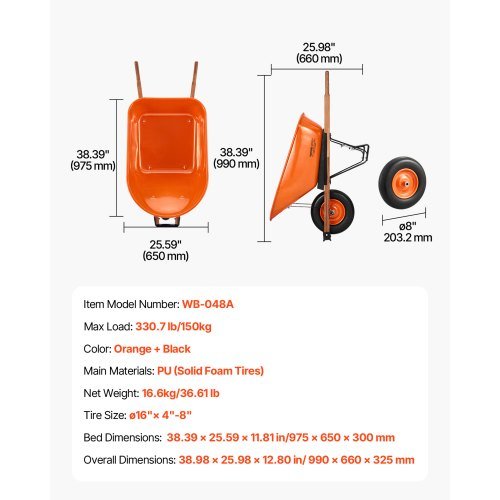
Have you ever found yourself questioning just how much weight your trusty wheelbarrow can handle? Whether you’re tackling a garden project, moving heavy materials on a construction site, or simply curious about the limits of this indispensable tool, understanding the maximum weight a wheelbarrow can carry is crucial.
Imagine effortlessly loading it up without the fear of overburdening it and risking a spill or, worse, a broken wheelbarrow. You’ll discover everything you need to know about the weight capacity of wheelbarrows, empowering you to make informed decisions and work efficiently.
Stick around to learn how you can maximize your wheelbarrow’s potential and avoid unnecessary mishaps.
Wheelbarrow Weight Limits
Wheelbarrows carry loads to help with work around homes and gardens.
Knowing the maximum weight a wheelbarrow can hold keeps you safe and protects the tool.
Standard Capacity Range
Most wheelbarrows have a standard weight limit. This limit fits light to medium jobs.
| Type | Max Weight Capacity (lbs) |
| Home Use | 100 to 150 |
| Light Garden Work | 150 to 200 |
| General Purpose | 200 to 250 |
Heavy-duty Models
Heavy-duty wheelbarrows carry more weight for tough jobs like construction.
- Can hold between 300 and 600 pounds
- Stronger frame and tire design
- Often made with steel tubs and reinforced handles
Factors Affecting Load Limits
Several things change how much weight a wheelbarrow can safely hold.
- Material type of the tub (plastic or metal)
- Size and type of the wheel
- Strength of handles and frame
- Type of terrain used on
- User’s strength and control

Credit: www.tractorsupply.com
Types Of Wheelbarrows
Wheelbarrows come in different styles and materials. Each type has its own weight limit and use.
Choosing the right wheelbarrow helps you carry heavy loads safely. Let’s look at the main types.
Single Wheel Vs. Dual Wheel
Single wheel wheelbarrows have one wheel in the center. They are easier to turn and work well on rough ground.
Dual wheel wheelbarrows have two wheels side by side. They are more stable and can carry heavier loads.
- Single wheel max weight: about 100 to 150 kg (220 to 330 lbs)
- Dual wheel max weight: about 150 to 200 kg (330 to 440 lbs)
- Single wheel better for tight spaces
- Dual wheel better for balance and heavy loads
Material Differences
Wheelbarrows can be made from steel, plastic, or wood. Each material affects the weight capacity.
Steel wheelbarrows are strong and hold heavy loads. Plastic ones are lighter but carry less weight.
- Steel: max weight around 150 to 200 kg (330 to 440 lbs)
- Plastic: max weight around 70 to 100 kg (150 to 220 lbs)
- Wood: varies, usually less than steel but more than plastic
Electric And Motorized Options
Electric wheelbarrows use motors to help move heavy loads. They reduce the effort needed to push or pull.
Motorized wheelbarrows can carry more weight than manual ones. They often handle loads over 200 kg (440 lbs).
- Electric wheelbarrows max weight: 200 to 300 kg (440 to 660 lbs)
- Motors help on slopes and rough terrain
- They cost more but save physical effort
Choosing The Right Wheelbarrow
Picking the right wheelbarrow depends on the weight it can carry. Knowing the maximum weight helps you avoid damage and work safely.
Consider your tasks and environment before choosing. This guide helps you find the best fit for your needs.
Assessing Your Load Needs
Think about what you usually carry in your wheelbarrow. Loads like soil, bricks, or tools have different weights.
Check the weight of your typical loads to pick a wheelbarrow with the right capacity. Overloading can cause breaks or accidents.
- Light loads: gardening tools, plants
- Medium loads: soil, mulch, gravel
- Heavy loads: bricks, concrete, stones
Considering Terrain And Usage
Think about the ground where you will use the wheelbarrow. Rough or uneven terrain needs a strong, stable model.
For smooth surfaces, a smaller wheelbarrow can work. On tough ground, choose one with larger wheels and a sturdy frame.
- Flat surfaces: smaller, lighter wheelbarrow
- Uneven terrain: larger wheels, strong build
- Frequent use: durable materials and design
Ergonomics And Handling
Choose a wheelbarrow that feels comfortable to push and lift. Good handles and balance reduce strain on your body.
Look for features like padded grips and proper wheel placement. These help you move heavy loads with less effort and risk.
- Padded handles for comfort
- Balanced design for easier lifting
- Lightweight frame for better control
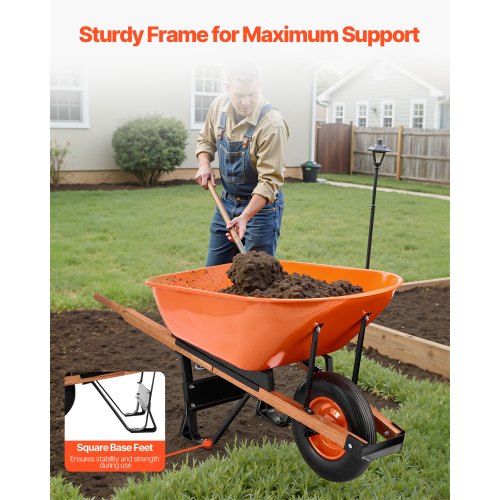
Credit: www.vevor.com
Safety Tips For Heavy Loads
Using a wheelbarrow safely is important, especially with heavy loads. Knowing the maximum weight helps avoid accidents.
Follow safety tips to protect yourself and keep the wheelbarrow working well. This guide covers loading, balance, and maintenance.
Proper Loading Techniques
Load the wheelbarrow evenly to avoid tipping. Do not exceed the weight limit shown in the manual or on the wheelbarrow.
Place heavy items at the bottom and lighter ones on top. Avoid stacking too high to keep the load stable.
- Check the wheelbarrow’s max weight capacity before loading
- Distribute weight evenly across the tray
- Keep heavy items close to the wheel to reduce effort
- Avoid overloading beyond the recommended limit
Balancing The Load
Balance is key to safe wheelbarrow use. An unbalanced load can cause tipping or strain your body.
Center the weight so the wheel carries most of it. Use your arms to guide and keep control.
- Keep the load centered over the wheel
- Adjust items to prevent leaning to one side
- Hold handles firmly with both hands
- Move slowly on uneven ground to maintain balance
Maintenance For Safe Operation
Regular maintenance keeps your wheelbarrow safe and easy to use. Check parts before each use.
Fix or replace worn parts like tires, handles, and bolts. Proper care prevents accidents and extends tool life.
- Inspect tires for air pressure and damage
- Tighten loose bolts and screws
- Check handles for cracks or splinters
- Clean the wheelbarrow after use to prevent rust
Maximizing Wheelbarrow Performance
Knowing the maximum weight your wheelbarrow can carry helps you work safely. Overloading can damage parts and make it hard to move. This guide covers key tips to keep your wheelbarrow strong and efficient.
Focus on tire care, regular checks, and better parts. These steps improve how your wheelbarrow handles loads and lasts longer.
Tire Pressure And Type
Correct tire pressure keeps your wheelbarrow stable and easy to push. Different tire types suit different surfaces. Choose the right tires and keep them inflated properly.
- Check tire pressure before each use.
- Use pneumatic tires for soft or rough ground.
- Use solid tires for flat, hard surfaces.
- Keep tires inflated to the recommended PSI.
- Replace worn tires promptly.
Regular Inspections
Inspect your wheelbarrow often to spot problems early. Look at the frame, handles, and wheel for damage or wear. Fix small issues to avoid big repairs later.
| Part | What to Check | How Often |
| Frame | Cracks and rust | Monthly |
| Handles | Loose screws or splinters | Monthly |
| Wheel | Alignment and bearing noise | Before each use |
| Tires | Pressure and damage | Before each use |
Upgrading Components
Upgrading parts can increase your wheelbarrow’s weight capacity and ease of use. Stronger wheels and handles help carry heavier loads without strain.
- Heavy-duty pneumatic tires
- Steel or reinforced handles
- Rust-resistant frame coatings
- Better wheel bearings

Credit: www.vevor.com
Frequently Asked Questions
What Is The Typical Maximum Weight For A Wheelbarrow?
Most standard wheelbarrows can carry between 100 to 150 pounds. Heavy-duty models handle up to 300 pounds or more. Always check the manufacturer’s specifications for exact weight limits.
How Does Wheelbarrow Weight Capacity Affect Usage?
Weight capacity determines how much load you can safely transport. Overloading risks damage and reduces maneuverability. Choosing the right capacity improves efficiency and prevents accidents.
Can Wheelbarrow Weight Limits Vary By Material?
Yes, steel wheelbarrows often support higher weights than plastic ones. Material quality and design impact maximum load capacity. Select materials based on your workload needs.
Why Is Exceeding Wheelbarrow Weight Dangerous?
Overloading strains the wheel and frame, causing breakdowns or accidents. It also makes handling difficult and unsafe. Always adhere to the recommended weight limit for safety.
Conclusion
Knowing your wheelbarrow’s weight limit keeps work safe and easy. Overloading can cause damage or accidents. Choose the right wheelbarrow for your tasks. Regular checks help spot wear and tear early. Use the wheelbarrow within its capacity to avoid problems.
This simple step saves time and money in the long run. Keep loads manageable. Work smarter, not harder.

