
Imagine stepping out into your yard, feeling the crunch of fallen leaves beneath your feet, or noticing pesky grass clippings scattered everywhere after mowing. It can be overwhelming and time-consuming to manage the debris that accumulates on your lawn.
That’s where a lawn sweeper comes into play. But when is the right time to use one? Understanding the perfect moment to introduce this tool into your lawn care routine can save you hours of work and transform your yard into a pristine, inviting space.
Curious to learn more about maximizing your lawn’s beauty and efficiency? Let’s explore the ideal scenarios for using a lawn sweeper, ensuring your outdoor space always looks its best.
Credit: www.vevor.com
Benefits Of Lawn Sweepers
Lawn sweepers help keep your yard clean and healthy. They remove leaves, grass clippings, and debris easily.
Using a lawn sweeper saves time and effort compared to raking by hand. It also improves the look of your lawn.
Improved Lawn Appearance
Lawn sweepers quickly pick up leaves and debris that make your yard look messy. This keeps your lawn neat and tidy.
Removing dead leaves and grass clippings helps the grass show its green color better. Your lawn looks fresh and healthy.
Time And Effort Savings
A lawn sweeper covers a large area fast. It takes less time than raking by hand.
You use less physical effort because you push or pull the sweeper. This makes yard work easier and less tiring.
- Works faster than raking
- Reduces back and arm strain
- Clears large yards with less work
Enhanced Grass Health
Removing debris lets sunlight reach the grass blades. This helps the grass grow strong and green.
Clearing dead leaves and clippings prevents mold and pests. This keeps your lawn healthier over time.
- Improves air flow in the soil
- Reduces risk of lawn diseases
- Promotes better grass growth

Credit: www.vevor.com
Ideal Times To Use A Lawn Sweeper
A lawn sweeper helps keep your yard clean by picking up leaves, grass clippings, and other debris. Knowing when to use it makes yard work easier and more effective.
Using a lawn sweeper at the right times protects your grass and improves your lawn’s health. Here are some ideal moments to use this tool.
After Leaf Fall
After trees shed their leaves in autumn, your yard can get covered quickly. A lawn sweeper removes leaves before they smother the grass and cause damage.
- Collect fallen leaves easily without raking
- Prevent leaf buildup that blocks sunlight
- Keep the lawn ready for winter
Post-mowing Cleanup
After mowing, grass clippings and small debris often remain on the lawn. A sweeper clears these leftovers quickly and evenly.
| Benefit | Details |
| Prevents thatch buildup | Removes clippings that can suffocate grass |
| Keeps lawn neat | Leaves a clean finish after mowing |
| Reduces pests | Clears debris that can attract insects |
Removing Grass Clippings
Grass clippings can pile up in some areas, causing patches and poor growth. Use a lawn sweeper to remove clumps and keep the lawn healthy.
Regular sweeping helps your lawn breathe and absorb water better.
Clearing Pine Needles And Debris
Pine needles and small twigs fall around trees and shrubs. They can harm grass and make the lawn look messy. A lawn sweeper collects this debris with ease.
| Type of Debris | Why Remove It? |
|---|---|
| Pine Needles | Can acidify soil and harm grass |
| Twigs | Block lawn mower and create uneven surface |
| Leaves | Cause mold and block sunlight |
Factors Affecting Sweeper Use
A lawn sweeper helps keep your yard clean by picking up leaves and debris. Knowing when to use it depends on several factors. These factors help you decide the best time and way to use your sweeper.
Understanding your lawn’s needs can save time and improve cleanup results. The following sections explain the main factors to consider before using a lawn sweeper.
Lawn Size And Type
The size of your lawn affects how often you need to use the sweeper. Large lawns may require more frequent sweeping. The type of grass also matters because some grass types hold debris differently.
- Small lawns might only need occasional sweeping.
- Medium to large lawns benefit from regular use.
- Thick or tall grass can trap more leaves and sticks.
- Thin grass may allow debris to fall through, needing more passes.
Weather Conditions
Weather plays a big role in when to use a lawn sweeper. Wet leaves can clog the sweeper and make cleanup harder. Dry days are best for using the sweeper.
| Weather Condition | Impact on Sweeper Use |
| Dry and calm | Ideal for sweeping leaves and debris |
| Wet or rainy | Leaves stick and may clog the sweeper |
| Windy | Leaves blow away, making sweeping less effective |
Debris Volume And Type
The amount and kind of debris on your lawn affect how you use the sweeper. Some sweepers work better with light debris like leaves. Others can handle heavier items like small sticks.
Consider these debris types:
- Dry leaves: Easy to sweep and collect.
- Wet leaves: Harder to sweep, may need extra passes.
- Grass clippings: Can be light but sticky if wet.
- Small sticks and pine needles: May require slower sweeping.
Choosing The Right Lawn Sweeper
A lawn sweeper helps clean leaves, grass clippings, and debris from your yard. Picking the right one makes the job easier and faster.
Think about the size of your lawn and the type of debris you want to collect before buying a lawn sweeper.
Push Vs. Tow-behind Models
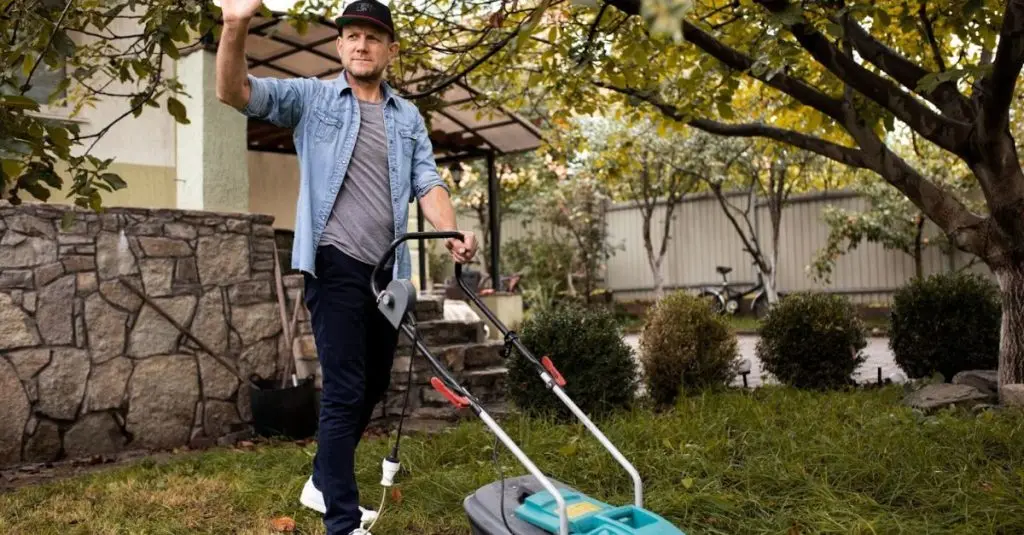
Push lawn sweepers are smaller and lighter. You push them by hand to clean small yards.
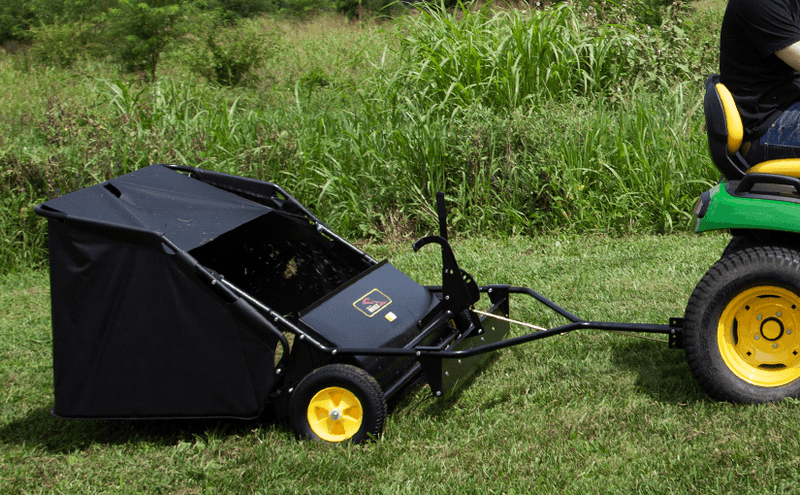
Tow-behind models attach to a lawn tractor or ATV. They cover more ground quickly and work well for larger lawns.
- Push models are good for yards under half an acre
- Tow-behind models fit yards larger than half an acre
- Push sweepers are easier to store
- Tow-behind sweepers require a vehicle to pull them
Capacity And Size Considerations
Choose a lawn sweeper with a hopper size that matches your yard size. A bigger hopper means fewer trips to empty it.
Large hoppers are better for heavy debris or big lawns. Small hoppers work well for light cleanup and small yards.
- Small hoppers hold about 2-3 bushels of debris
- Medium hoppers hold about 4-6 bushels
- Large hoppers can hold 7 or more bushels
Adjustable Features And Settings
Look for lawn sweepers with adjustable brush height. This helps clean different types of grass and debris.
Some models let you change the brush speed or angle. This improves cleaning on uneven ground or thick debris.
- Adjust brush height for different grass lengths
- Change brush speed for light or heavy debris
- Adjust angle to clean close to edges and corners
Maintenance Tips For Lawn Sweepers
Keeping your lawn sweeper in good shape helps it work better and last longer. Regular care prevents damage and saves money. These tips cover cleaning, storage, brush and wheel care, and fixing common problems.
Follow these simple steps to keep your lawn sweeper ready for use every season.
Cleaning And Storage
Always clean your lawn sweeper after use. Remove leaves, grass, and debris from the brushes and hopper. Dirt left on the machine can cause rust or block moving parts.
- Use a brush or air compressor to clear dirt.
- Wash with water if needed, but avoid soaking metal parts.
- Dry the sweeper completely before storing.
- Store in a dry, covered place to prevent rust.
Brush And Wheel Care
| Part | Care Tip | Frequency |
|---|---|---|
| Brushes | Check for wear and clean debris | Before and after use |
| Wheels | Inspect for damage and lubricate axles | Monthly during season |
| Brush Adjustment | Adjust height to match lawn conditions | Before each use |
Proper brush and wheel care keeps your sweeper working smoothly. Replace worn brushes to keep the lawn clean. Lubricate wheels to avoid squeaking and stiff movement.
Troubleshooting Common Issues
Some problems happen often but are easy to fix. Use this guide to spot and solve them.
- If brushes do not spin, check for stuck debris or broken parts.
- If the sweeper does not pick up well, adjust the brush height or clean the brushes.
- If wheels are hard to turn, clean and lubricate the axles.
- Replace any damaged parts as soon as possible to avoid further issues.
Safety Tips While Using A Lawn Sweeper
Using a lawn sweeper can make yard work easier. It helps collect leaves, grass, and debris quickly.
Safety is important when operating this tool. Follow these tips to avoid accidents and injuries.
Protective Gear Recommendations
Always wear protective gear before using a lawn sweeper. This helps protect your body from flying debris.
Wear safety goggles to protect your eyes. Gloves protect your hands from cuts and blisters.
- Safety goggles or glasses
- Durable work gloves
- Closed-toe shoes or boots
- Long pants and sleeves
Avoiding Hazards
Check your yard before using the lawn sweeper. Remove rocks, sticks, and toys that can cause damage.
Do not use the lawn sweeper on wet grass. Wet conditions can make the tool slip and cause injury.
- Clear the area of hard objects
- Avoid wet or slippery surfaces
- Keep children and pets away
- Watch for uneven ground or holes
Proper Handling Techniques
Push the lawn sweeper with steady and even pressure. Do not force it or push too fast.
Keep your hands and feet away from moving parts. Stop the sweeper before making any adjustments.
- Maintain a firm grip on the handle
- Keep the sweeper level for best results
- Stop the sweeper before emptying debris
- Store the sweeper safely after use
Credit: www.vevor.com
Frequently Asked Questions
When Is The Best Time To Use A Lawn Sweeper?
Use a lawn sweeper during dry conditions in spring or fall. It helps remove leaves, grass clippings, and debris efficiently without clogging.
How Often Should I Use A Lawn Sweeper?
Use a lawn sweeper every 1-2 weeks during heavy leaf fall or after mowing. Regular use keeps your lawn clean and healthy.
Can A Lawn Sweeper Replace Raking Completely?
A lawn sweeper reduces the need for raking but may not replace it fully. It works best on flat, dry lawns with light debris.
What Types Of Debris Can A Lawn Sweeper Handle?
Lawn sweepers handle leaves, grass clippings, pine needles, and small twigs. Avoid using them on wet or thick debris for best results.
Conclusion
A lawn sweeper helps keep your yard clean and healthy. Use it after leaves, grass clippings, or small debris cover the lawn. It saves time and effort compared to raking. Sweeping also prevents mold and pests from growing. Choose the right time based on your lawn’s needs.
Regular use makes your grass look neat and fresh. A clean yard feels better to walk on and enjoy. Simple tool, big help.
