

Is your lawn looking a bit lackluster? You might be dealing with thatch, a layer of dead grass, roots, and debris that can suffocate your lawn and prevent it from thriving.
But don’t worry—transforming your grass from drab to fab doesn’t require expensive equipment or professional services. All you need is a trusty rake and a bit of elbow grease. In this guide, we’ll show you how to dethatch your lawn with a rake, a simple yet effective method that can breathe new life into your outdoor space.
By taking this hands-on approach, you can enjoy a healthier, lusher lawn that will make your neighbors green with envy. Ready to roll up your sleeves and get started? Keep reading to discover how you can easily revitalize your lawn.
Why Dethatching Matters
Dethatching helps keep your lawn healthy and green. It removes thick layers of dead grass and roots.
Too much thatch blocks water and nutrients from reaching the soil. This can make your grass weak.
Effects Of Thatch On Lawn Health
Thatch is a layer of dead grass and roots that builds up on the lawn surface. A thin layer is normal, but thick thatch causes problems.
- Blocks water from reaching grass roots
- Stops air from getting into the soil
- Allows pests and diseases to grow
- Makes grass roots shallow and weak
- Causes uneven lawn growth
Signs Your Lawn Needs Dethatching
Look for these signs to know if your lawn needs dethatching. Act early to prevent damage to your grass.
| Sign | Description |
| Spongy Feel | Lawn feels soft when you walk on it |
| Water Pools | Water sits on the surface and drains slowly |
| Thin Grass | Grass looks weak and thin in spots |
| Excess Thatch Layer | Thatch layer thicker than half an inch |
| Increased Weeds | More weeds growing than usual |
Choosing The Right Rake
Dethatching your lawn removes dead grass and debris. Using the right rake makes this job easier and more effective.
Picking the right rake depends on your lawn size and thatch thickness. This guide helps you find the best rake for dethatching.
Types Of Rakes For Dethatching
There are different rakes made for dethatching lawns. Each type works best for certain lawn conditions and user needs.
- Thatch Rake:Has sharp, curved blades to pull up thatch. Good for small to medium lawns.
- Leaf Rake:Has flexible, fan-shaped tines. Works for light dethatching and debris removal.
- Metal Garden Rake:Has strong, straight tines. Useful for heavy dethatching on thick thatch layers.
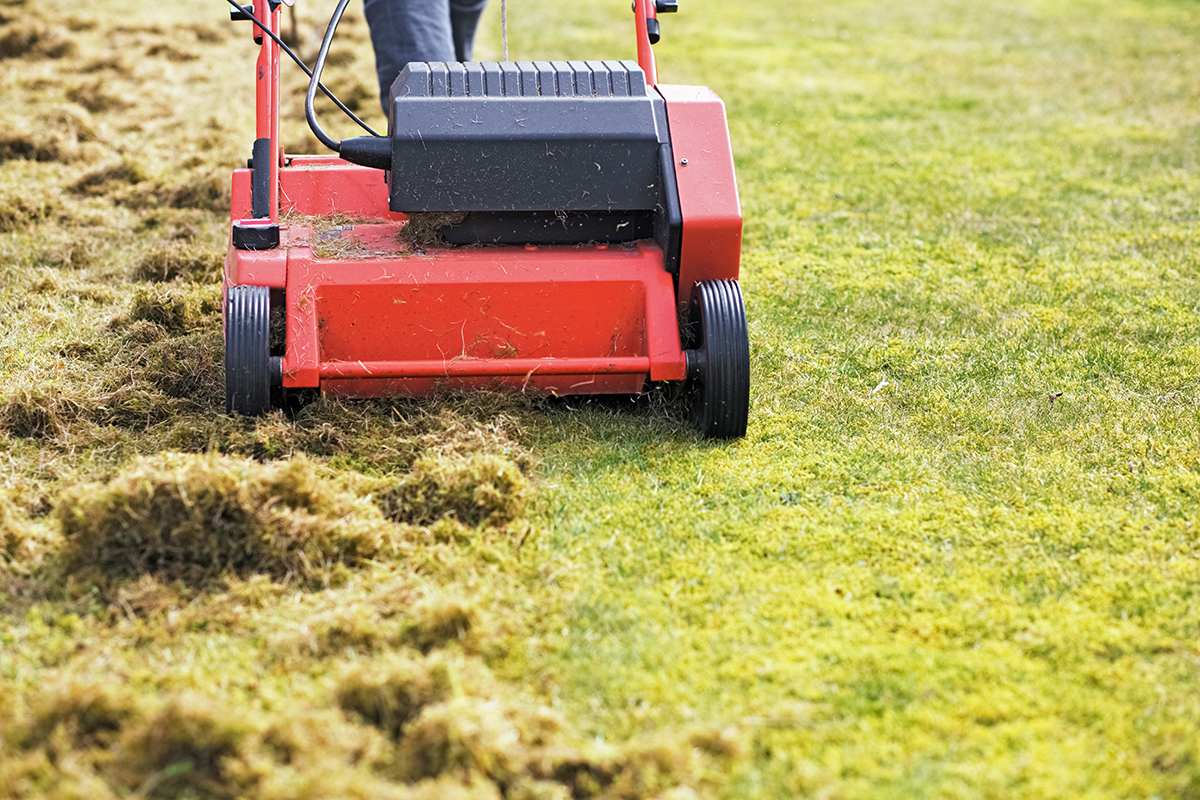
- Power Rake (Scarifier):A machine rake for large lawns. Uses rotating blades to remove thatch quickly.
Features To Look For
Choose a rake with features that make dethatching easier and less tiring. Comfort and strength are key.
- Handle Length:A longer handle helps reduce back strain.
- Tine Material:Steel tines are strong and last longer than plastic ones.
- Tine Shape:Curved tines pull up thatch better than straight ones.
- Weight:A lightweight rake is easier to use for long periods.
- Grip:Look for a comfortable, non-slip grip to prevent hand fatigue.
Preparing Your Lawn
Before dethatching your lawn with a rake, prepare the grass well. This helps remove dead grass and allows new growth.
Proper preparation makes dethatching easier and helps your lawn stay healthy after the process.
Mowing And Watering Tips
Mow your lawn to about 2 to 3 inches tall before dethatching. This height lets the rake reach the thatch layer.
- Cut the grass evenly and remove clippings.
- Water the lawn one day before dethatching.
- Make sure soil is moist but not wet.
Clearing Debris
Remove leaves, sticks, and other debris from your lawn. This clears the way for the rake to work well.
| Type of Debris | Removal Method |
|---|---|
| Leaves | Use a leaf blower or rake |
| Sticks and Twigs | Pick up by hand or use a rake |
| Grass Clippings | Rake or mow with bag attachment |

Credit: www.youtube.com
Step-by-step Dethatching Process
Dethatching removes dead grass and roots from your lawn. This helps air, water, and nutrients reach the soil.
You can dethatch your lawn using a rake. Follow these simple steps to do it right and keep your grass healthy.
Proper Raking Technique
Use a dethatching rake with sharp, curved blades. These blades pull up the thatch without damaging the grass.
Start by raking in one direction. Then rake again at a right angle. This helps remove more thatch evenly.
- Wear gloves to protect your hands
- Use firm but gentle pressure
- Cover small sections at a time
- Collect and remove the loosened thatch
Timing And Frequency
Rake your lawn in early spring or early fall. These times let the grass recover quickly after dethatching.
Dethatch your lawn once a year. Doing it too often can harm your grass and soil.
- Check your lawn for thick thatch layers before raking
- If thatch is less than half an inch, dethatching is not needed
- Water your lawn a day before raking to soften the soil
Aftercare For Your Lawn
After dethatching your lawn with a rake, it needs care to stay healthy. Proper aftercare helps grass grow strong again.
Taking the right steps after dethatching protects your lawn from stress and damage. Let’s look at what to do next.
Removing Thatch Debris
Clear away the thatch debris left on the lawn surface. This debris can block sunlight and water from reaching the grass.
Use a garden rake or leaf blower to collect the thatch. Dispose of it in your compost or yard waste bin.
- Rake gently to avoid damaging new grass
- Remove all loose thatch pieces
- Do this soon after dethatching
Fertilizing And Watering
Apply fertilizer to help your lawn recover quickly. Use a balanced fertilizer with nitrogen, phosphorus, and potassium.
Water your lawn deeply right after fertilizing. Keep the soil moist but not soaked for the next two weeks.
- Fertilize within 24 hours after dethatching
- Water early in the morning for best results
- Water at least 1 inch per week
Credit: www.lawnstarter.com
Common Mistakes To Avoid
Dethatching your lawn helps keep it healthy and green. But doing it wrong can hurt your grass instead.
Learn the common mistakes to avoid when dethatching with a rake. This will save your lawn and time.
Over-dethatching Risks
Removing too much thatch can damage your grass roots. This makes your lawn weak and patchy.
Over-dethatching also leaves soil exposed. This can lead to weeds and dry spots in your yard.
- Do not rake the lawn too hard or too often
- Check how thick the thatch layer is before starting
- Stop if you see bare spots forming
- Give your lawn time to recover after dethatching
Using The Wrong Tools
Using the wrong rake can make dethatching harder and less effective. It can also hurt your grass.
Choose a rake made for dethatching, with sharp, stiff blades. Avoid using leaf rakes or garden rakes.
- Leaf rakes have soft tines that do not remove thatch well
- Garden rakes can damage roots or tear grass
- Dethatching rakes have curved blades to pull up dead grass
- Using a proper rake saves time and protects your lawn
Alternative Dethatching Methods
Dethatching helps keep your lawn healthy by removing dead grass layers. Using a rake is common but not the only way.
Here are other ways to dethatch your lawn that can save time and effort.
Using Power Rakes
Power rakes are machines that remove thatch fast. They work well on medium to large lawns.
These tools have blades that cut through the thatch and pull it up from the soil surface.
- Adjust blade depth to avoid damaging grass roots
- Run power rake across the lawn in straight lines
- Collect the debris after raking for cleanup
- Use when the soil is dry for best results
Hiring Professional Services
Professional lawn care services have special tools and experience. They can dethatch your lawn quickly and safely.
They assess your lawn’s condition and choose the best dethatching method for you.
- Save time and effort
- Get expert advice on lawn care
- Avoid damage from improper dethatching
- Often include cleanup and lawn treatment

Credit: www.familyhandyman.com
Frequently Asked Questions
What Is Lawn Dethatching And Why Is It Important?
Lawn dethatching removes excess thatch, a layer of dead grass and roots. It improves air, water, and nutrient flow, promoting healthier grass growth and preventing lawn diseases.
How Often Should I Dethatch My Lawn With A Rake?
Dethatch your lawn once every 1-3 years, depending on grass type and thatch thickness. Avoid frequent dethatching to prevent damaging grass roots and soil structure.
What Is The Best Time To Dethatch A Lawn?
The best time to dethatch is during the lawn’s active growing season. For cool-season grasses, spring or early fall works best; warm-season grasses benefit from late spring to early summer.
Can I Use A Regular Rake To Dethatch My Lawn?
Yes, a specialized dethatching rake with sharp, curved blades is best. It effectively removes thatch without harming grass, unlike a regular leaf rake, which is less efficient.
Conclusion
Dethatching your lawn with a rake keeps grass healthy and strong. Removing dead grass lets water and air reach roots easily. Regular dethatching helps your lawn grow thick and green. Be gentle to avoid hurting the grass. Choose the right time, usually in spring or fall.
With patience and care, your lawn will look its best. Try this simple method to keep your yard neat and fresh. A little effort makes a big difference in lawn health.

