
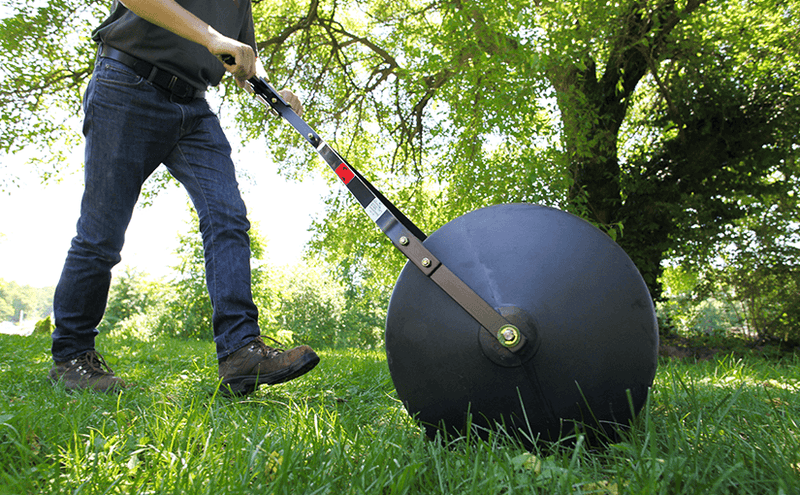
Imagine stepping onto your lawn and feeling the satisfaction of perfectly even grass underfoot. You know that achieving a lush, smooth lawn doesn’t happen by accident.
One of the secrets to this outdoor bliss is using a lawn roller at just the right time of year. But when is that? You might be wondering how timing can make such a difference. Well, here’s the thing: using a lawn roller at the optimal time can transform your patchy, bumpy yard into a green masterpiece.
We’ll reveal the best time of year to use a lawn roller to ensure your lawn is the envy of the neighborhood. Stick around to discover how you can unlock the full potential of your lawn with this simple yet effective tool.

Credit: www.reddit.com
When To Roll Your Lawn
Rolling your lawn helps flatten bumps and improve soil contact. Choosing the right time makes rolling more effective and safer for your grass.
Understanding the best seasons to roll your lawn keeps it healthy and looking great all year long.
Spring Benefits
Spring is a good time to roll your lawn after winter frost. The soil is moist and soft, which helps the roller smooth the surface without damage.
- Improves seed-to-soil contact for new grass seed
- Flattens molehills and uneven spots from winter
- Helps level the lawn before summer growth
Fall Advantages
Fall is another ideal time to roll your lawn. The cooler temperatures and moist soil reduce stress on grass.
| Fall Rolling Advantages | Description |
| Better soil settling | Soil firms up after summer heat |
| Improved root growth | Grass builds strong roots before winter |
| Prepares lawn for winter | Reduces bumps that cause damage in cold |
Avoiding Summer And Winter
Rolling your lawn during summer or winter can harm the grass. Dry soil in summer causes stress, and frozen soil in winter can crack.
- Summer rolling can dry out grass roots
- Winter rolling can damage frozen soil structure
- Avoid rolling when soil is very hard or frozen
Types Of Lawn Rollers
Lawn rollers help level and smooth your grass. They press down bumps and improve seed contact with soil.
Choosing the right type of lawn roller makes a difference. Different rollers serve different yard needs.
Water-filled Rollers
Water-filled rollers are hollow and fill with water for weight. You can adjust their heaviness by adding or removing water.
They are easy to move when empty and heavy when filled. This makes them good for most lawn jobs.
Steel Rollers
Steel rollers are solid and very heavy. They press down soil deeply and are best for large lawns.
These rollers are hard to move but give strong results. Use them carefully to avoid soil damage.
Light Vs Heavy Rollers
Light rollers work well on soft soil and new grass. They avoid crushing the roots and keep soil loose.
Heavy rollers press hard and fix bumps quickly. They are good for firm soil but can harm delicate grass.
- Light rollers: gentle, easy to handle
- Heavy rollers: strong, better for large areas
- Choose based on soil type and lawn needs
Preparing Your Lawn
Using a lawn roller helps create a smooth and even surface. It presses the soil and grass, making your lawn look neat. To get the best results, prepare your lawn carefully before rolling.
Proper preparation helps avoid damage to your grass and soil. It also improves the roller’s effectiveness. Follow simple steps to get your lawn ready for rolling.
Mowing Tips Before Rolling
Mow your lawn to a medium height before using the roller. Do not cut the grass too short. This protects the grass blades during rolling.
Remove grass clippings to keep the roller clean. A clean lawn surface helps the roller press evenly.
- Set mower blades to a medium height
- Do not mow if grass is wet
- Clear all grass clippings after mowing
Watering Schedule
Water your lawn one or two days before rolling. Moist soil is easier to flatten and shape. Avoid rolling on very wet or dry soil.
After rolling, wait a few days before watering again. This lets the soil settle and the grass recover from pressure.
- Water lawn 1-2 days before rolling
- Do not roll on soggy soil
- Hold off watering 3-4 days after rolling
Clearing Debris
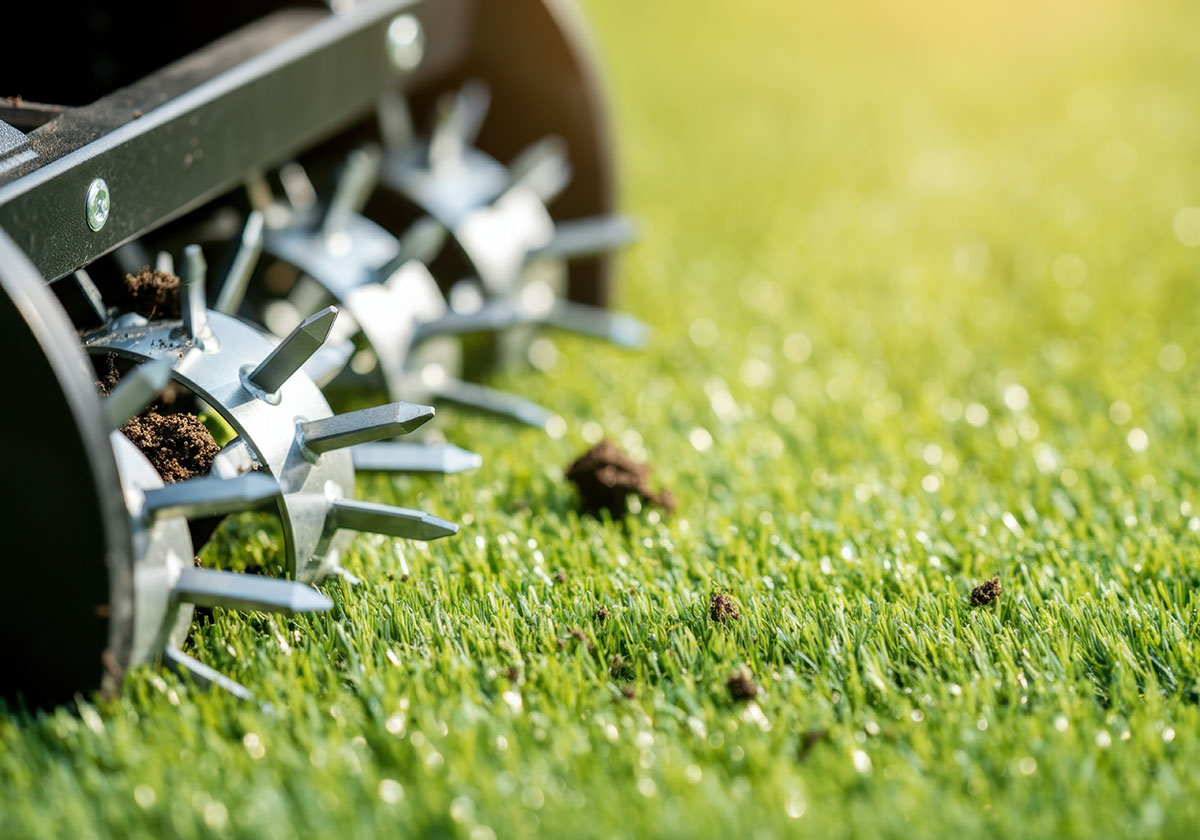
Remove sticks, stones, and leaves from your lawn. Debris can damage the roller and create uneven spots. Clear the lawn completely before starting.
Use a rake or leaf blower to gather debris. Check the lawn carefully to avoid missing small objects.
- Pick up sticks and stones by hand
- Rake leaves and grass clippings
- Use a leaf blower for small debris
- Inspect lawn for hidden objects
Credit: www.lawnstarter.com
Rolling Techniques
Using a lawn roller correctly helps level your yard and improve soil contact. Good rolling methods prevent damage and give a smooth lawn surface.
Learn how to roll your lawn with the right patterns, timing, and care on uneven ground for the best results.
Best Rolling Patterns
Choose rolling patterns that cover the lawn evenly without overworking any area. Start at one edge and move in straight lines.
- Roll in parallel lines across the lawn
- Overlap each pass slightly to avoid gaps
- Change direction on the second pass to cross-roll
- Avoid rolling in circles to prevent soil compaction spots
Frequency And Duration
Do not roll the lawn too often. Over-rolling can harm grass roots and soil structure.
| Time of Year | Recommended Rolling Frequency | Duration per Session |
| Spring | Once every 2 weeks | 20 to 30 minutes |
| Summer | Once a month | 15 to 20 minutes |
| Fall | Once every 2 weeks | 20 to 30 minutes |
| Winter | Avoid rolling | Not recommended |
Handling Uneven Ground
Uneven ground needs gentle rolling to avoid making dips worse. Take care on slopes and bumps.
Tips for rolling uneven ground:
- Roll slowly to control pressure on high spots
- Fill low areas with soil before rolling
- Use lighter water-filled rollers if possible
- Avoid rolling after heavy rain to prevent soil damage
Benefits Of Proper Rolling Timing
Using a lawn roller at the right time helps keep your grass healthy. Rolling your lawn at the best season improves soil and seed growth.
Proper timing prevents damage and helps the lawn grow evenly. Knowing when to roll is key for a strong lawn.
Improved Soil Contact
Rolling the lawn presses seeds and soil together. This helps the soil hold moisture and nutrients better.
Good soil contact also stops seeds from moving or washing away during rain.
Enhanced Seed Germination
Rolling at the right time helps seeds sprout faster. It creates a smooth, firm surface for seeds to grow.
Firm soil keeps seeds warm and moist, which helps them grow strong roots.
- Seeds stay in place
- Better water absorption
- Warmer soil temperature
Reduced Lawn Damage
Rolling when the soil is dry prevents compacting the ground too much. This avoids damage to grass roots.
Proper timing means less stress on the lawn. It keeps your grass healthy and green for longer.
Common Mistakes To Avoid
Using a lawn roller can help make your grass smooth and even. Still, many people make mistakes when using it. These mistakes can harm your lawn instead of helping it.
Knowing what to avoid will keep your lawn healthy and looking good. Here are some common mistakes to watch out for.
Over-rolling
Rolling your lawn too much can compact the soil. This stops air, water, and nutrients from reaching the grass roots. The grass may then become weak or die.
Limit rolling to only a few times each year. Use the roller gently and avoid pressing too hard on the grass.
Rolling Wet Lawns
Rolling your lawn when it is wet can cause damage. Wet soil is soft and easily compressed, which can harm grass roots and create uneven surfaces.
Wait until the lawn is dry before rolling. Dry grass and soil give better results and keep your lawn safe.
Ignoring Lawn Type
Different lawns need different care. Some grass types do not respond well to rolling. Rolling the wrong lawn can hurt the grass or slow its growth.
Check your lawn type before using a roller. Ask a local garden center or lawn care expert if you are unsure.

Credit: www.reddit.com
Frequently Asked Questions
When Is The Best Season To Use A Lawn Roller?
The best season to use a lawn roller is during early spring or fall. Grass is actively growing, and soil is moist but not soggy. This timing helps smooth the lawn without damaging the grass or compacting the soil too much.
How Often Should You Roll Your Lawn Annually?
Rolling your lawn once or twice a year is usually sufficient. Over-rolling can compact soil, harming root growth. Early spring and early fall are ideal times for rolling to fix uneven surfaces without stressing the grass.
Can You Use A Lawn Roller In Summer?
Using a lawn roller in summer is not recommended. The soil is often dry and hard, increasing risk of damage. Rolling during dry conditions can stress grass and compact soil, reducing lawn health.
Why Should You Avoid Rolling Wet Lawns?
Avoid rolling wet lawns because it can cause soil compaction. Compacted soil restricts water, air, and nutrient flow to roots. Rolling on wet ground may also create ruts and damage grass blades.
Conclusion
Using a lawn roller at the right time helps keep grass healthy. Early spring and early fall are best for rolling your lawn. These seasons offer softer soil that rolls easily without damage. Avoid rolling during very dry or frozen conditions.
Proper timing supports smooth, even ground and stronger roots. Remember, gentle rolling works better than heavy pressure. Follow these tips to keep your lawn looking neat and green all year. A little care makes a big difference in lawn health and appearance.
