
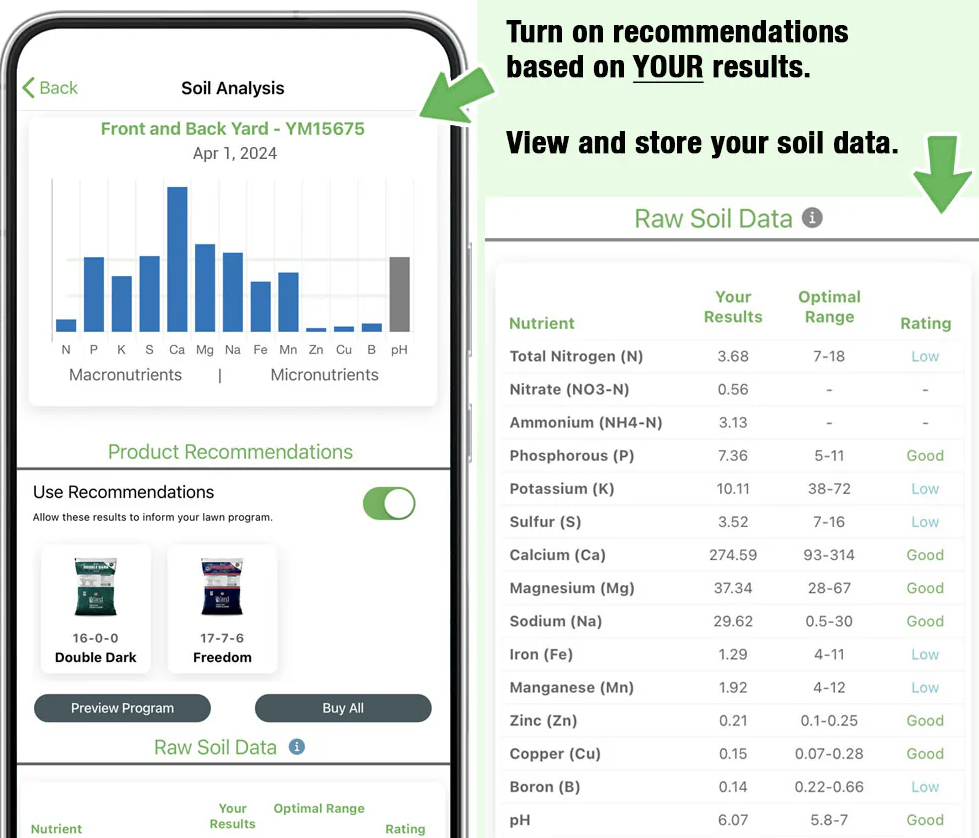
If you’ve ever wondered why your plants aren’t thriving as they should, the secret might lie beneath the surface. Soil pH plays a crucial role in the health of your garden.
It affects how well plants can absorb nutrients. You might think checking soil pH requires fancy tools or a trip to the garden store, but that’s not the case. You can easily check soil pH naturally, using simple methods that are right at your fingertips.
Imagine the satisfaction of understanding your garden’s needs without spending a penny. Excited to learn these natural techniques? Let’s dive in, and soon you’ll be on your way to becoming a more knowledgeable and successful gardener.
Credit: www.youtube.com
Soil Ph And Its Importance
Soil pH measures how acidic or alkaline the soil is. It plays a big role in plant health.
Knowing soil pH helps gardeners and farmers choose the right plants and care for them well.
Impact On Plant Growth
Different plants grow best in certain pH ranges. Too high or too low pH can harm plant roots.
- Acid-loving plants prefer low pH (acidic soil).
- Neutral pH suits most vegetables and flowers.
- Alkaline soil supports plants like lavender and some herbs.
- Extreme pH levels can stunt growth or kill plants.
Effects On Nutrient Availability
Soil pH changes how nutrients dissolve and reach plant roots. Some nutrients appear or disappear at certain pH levels.
| pH Range | Available Nutrients | Limited Nutrients |
| 4.5 – 5.5 | Iron, Manganese | Calcium, Magnesium |
| 6.0 – 7.0 | Most nutrients | None |
| 7.5 – 8.5 | Calcium, Magnesium | Iron, Phosphorus |
Signs Of Soil Ph Imbalance
Soil pH affects how well plants grow. If the soil is too acidic or alkaline, plants show signs of stress.
Checking these signs helps you know if your soil needs adjustment for better plant health.
Visual Plant Symptoms
Plants react to soil pH problems in different ways. Leaves may turn yellow or brown, or plants may grow slowly.
- Yellowing leaves, especially older ones
- Brown leaf edges or spots
- Stunted growth or weak stems
- Poor flowering or fruiting
- Leaf curling or wilting
Common Soil Issues
Soil with wrong pH can cause nutrient problems. Some nutrients become unavailable or toxic to plants.
| Soil pH Problem | Effect on Soil | Plant Impact |
|---|---|---|
| Acidic Soil (pH below 6) | Aluminum toxicity, low calcium | Root damage, yellow leaves |
| Neutral Soil (pH 6-7) | Optimal nutrient availability | Healthy growth |
| Alkaline Soil (pH above 7) | Iron and manganese deficiency | Leaf chlorosis, poor growth |
Diy Soil Ph Testing Methods
Soil pH shows how acidic or alkaline your soil is. Knowing soil pH helps plants grow better.
You can test soil pH at home using easy methods. These tests do not need special tools.
Using Vinegar And Baking Soda
This test uses vinegar and baking soda to check if soil is acidic or alkaline. Vinegar reacts with alkaline soil and baking soda reacts with acidic soil.
First, place a small soil sample in two containers. Add vinegar to one and baking soda mixed with water to the other. Look for fizzing to find soil pH type.
- If soil fizzes with vinegar, it is alkaline.
- If soil fizzes with baking soda, it is acidic.
- No fizzing means soil is neutral.
Cabbage Juice Test
Red cabbage juice changes color in different pH levels. This makes it a natural pH indicator for soil.
Boil red cabbage leaves in water to make purple juice. Mix soil with water and add the cabbage juice. Watch the color change to guess soil pH.
- Red or pink means acidic soil
- Purple means neutral soil
- Green or yellow means alkaline soil
Water And Soil Observation
You can learn about soil pH by watching how soil and water react. This test is simple but less exact.
Mix soil with clean water and stir well. Let it sit for a few minutes. Check if the water looks cloudy or clear and smell the mix for clues on soil health.
- Clear water often means neutral soil
- Cloudy water can mean high clay or alkaline soil
- A sour smell may show acidic soil
Preparing Soil Samples For Testing
Testing soil pH helps you understand the soil’s acidity or alkalinity. Proper sample preparation gives accurate results.
This guide explains how to collect soil and prepare it for natural pH testing.
Collecting Soil Properly
Collect soil from different spots to get a good mix. Avoid areas near compost, fertilizer, or plants.
- Use a clean trowel or shovel to dig 6 to 8 inches deep.
- Take small samples from 5 to 10 places in the area.
- Remove leaves, grass, and stones from the samples.
- Place all samples in a clean bucket or container.
Drying And Mixing Soil
Dry the soil to avoid changes in pH caused by moisture. Mix samples well for a uniform test.
| Drying Step | Mixing Step |
| Spread soil thinly on a clean paper or tray. | Break clumps and mix all samples evenly. |
| Let soil air dry at room temperature. | Remove any debris like roots or stones. |
| Do not use heat or sun to dry soil. | Use a clean spoon or hand to mix well. |
Interpreting Diy Test Results
Testing your soil’s pH at home can help you understand its health. Simple tests use natural ingredients to show if soil is acidic, neutral, or alkaline.
Knowing what the test colors or reactions mean guides you in improving your soil for better plant growth.
What Each Reaction Means
Different color changes or reactions tell you about your soil’s pH level. Here are common results and their meanings.
| Test Reaction | Meaning |
| Red or Pink | Soil is acidic (pH below 7) |
| Green or No Change | Soil is neutral (pH around 7) |
| Blue or Purple | Soil is alkaline (pH above 7) |
Adjusting Soil Based On Results
After knowing your soil pH, you can take simple steps to balance it for better plant health.
- If soil is acidic, add lime or wood ash to raise pH.
- If soil is alkaline, add sulfur or organic matter like compost.
- For neutral soil, maintain current care and test regularly.
- Always retest soil after a few weeks to check changes.

Credit: extension.colostate.edu
Natural Ways To Adjust Soil Ph
Soil pH affects how plants absorb nutrients. Checking and adjusting pH naturally helps plants grow strong.
Using natural methods to balance soil pH keeps your garden healthy and eco-friendly.
Using Organic Matter
Adding organic matter like compost improves soil structure and acidity. It slowly changes soil pH over time.
- Compost adds beneficial microbes
- Peat moss lowers pH for acidic soils
- Wood ash raises pH for alkaline soils
- Manure improves nutrient levels and pH balance
Adding Lime Or Sulfur
Lime raises soil pH, making it less acidic. Sulfur lowers pH, making soil more acidic. Use them carefully.
| Material | Effect on pH | Best Use |
| Dolomitic Lime | Raises pH | For acidic soils |
| Calcitic Lime | Raises pH | For acidic soils |
| Elemental Sulfur | Lowers pH | For alkaline soils |
| Aluminum Sulfate | Lowers pH | For quick results |
Plant Choices For Different Ph Levels
Select plants that grow well in your soil’s pH. This reduces the need to change soil chemistry.
- Acid-loving plants: azaleas, blueberries, rhododendrons
- Neutral pH plants: beans, carrots, lettuce
- Alkaline-tolerant plants: lavender, lilacs, clematis
Tips For Maintaining Balanced Soil Ph
Soil pH is important for healthy plant growth. Balanced soil pH helps plants absorb nutrients well.
Checking soil pH naturally and keeping it balanced improves your garden’s health. Here are some tips.
Regular Testing Schedule
Test your soil pH at least twice a year. Early spring and late fall are good times to check.
Regular tests help catch pH changes before they harm your plants. Keep a log to track results.
- Test soil before planting new crops
- Check pH after adding soil amendments
- Retest if plants show nutrient problems
Soil Care Best Practices
Good soil care keeps pH balanced naturally. Use organic matter to improve soil health.
Avoid using too much fertilizer or lime at once. Add amendments slowly and test often.
- Add compost or aged manure to feed soil microbes
- Use mulch to keep soil moist and stable
- Plant cover crops to protect and enrich soil
- Avoid overwatering to prevent pH changes

Credit: www.familyhandyman.com
Frequently Asked Questions
How Can I Test Soil Ph Without A Kit?
You can test soil pH naturally using vinegar and baking soda. Vinegar reacts with alkaline soil, while baking soda reacts with acidic soil, indicating pH levels.
What Plants Indicate Acidic Or Alkaline Soil Naturally?
Plants like azaleas thrive in acidic soil, while lavender prefers alkaline soil. Observing plant health helps infer your soil’s pH level naturally.
Why Is Checking Soil Ph Important For Gardening?
Soil pH affects nutrient availability and plant growth. Testing pH ensures you choose suitable plants and amend soil properly for healthy gardens.
How Often Should I Check Soil Ph Naturally?
It’s best to test soil pH at least twice a year, during spring and fall, to monitor changes and adjust soil conditions accordingly.
Conclusion
Testing soil pH naturally helps you care for plants better. Use simple methods like vinegar, baking soda, or cabbage water. These tests show if soil is acidic, neutral, or alkaline. Knowing soil pH guides you to choose the right plants and fertilizers.
Healthy soil means stronger plants and bigger harvests. Try these easy tests at home without special tools. Start today and watch your garden grow well. Soil pH matters. Keep it balanced for happy plants.
