
Are you tired of spending your weekends battling a yard full of leaves and debris? You’re not alone.
Every homeowner dreams of a clean, pristine lawn without the constant hassle. But with so many tools available, how do you choose the right one for your needs? Enter the age-old debate: Lawn Sweeper vs Leaf Blower. This comparison isn’t just about functionality; it’s about finding the perfect balance between efficiency, ease, and cost-effectiveness.
Imagine reclaiming your weekends and transforming your lawn into the envy of the neighborhood. By the end of this article, you’ll have a clear understanding of which tool best suits your lifestyle and lawn care needs. Say goodbye to endless hours of raking and hello to more free time. Ready to make an informed decision? Let’s dive into the details and discover which tool will become your new best friend.

Credit: www.familyhandyman.com
Lawn Sweeper Basics
A lawn sweeper is a tool to clean leaves and debris from your yard. It works by sweeping the debris into a collection bag or hopper.
Using a lawn sweeper saves time and effort compared to raking. It keeps your lawn neat and healthy.
Types Of Lawn Sweepers
There are three main types of lawn sweepers: push, tow-behind, and powered. Each type fits different lawn sizes and needs.
- Push Sweepers:You push these by hand. They work well for small lawns.
- Tow-Behind Sweepers:These attach to a lawn tractor or ATV. They cover large areas quickly.
- Powered Sweepers:These use a motor to spin brushes. They need less effort than push sweepers.
How Lawn Sweepers Work
Lawn sweepers use rotating brushes to pick up leaves and debris. The brushes spin as you move the sweeper forward.
The debris moves into a collection bag or hopper behind the brushes. This makes cleanup easy and fast.
- Brushes rotate to lift debris from the grass
- Debris moves into a collection container
- Collected material can be emptied and composted
Ideal Lawn Sizes For Sweepers
Choose a lawn sweeper type based on your lawn size. Smaller sweepers fit small yards, larger ones suit big lawns.
Push sweepers work best for lawns up to half an acre. Tow-behind sweepers handle lawns over one acre well.
- Small Lawns (under 0.5 acre):Push lawn sweepers are efficient and easy to use.
- Medium Lawns (0.5 to 1 acre):Powered sweepers save time and effort.
- Large Lawns (over 1 acre):Tow-behind sweepers cover large areas quickly.
Leaf Blower Fundamentals
Leaf blowers are tools used to move leaves and debris. They help clean yards quickly and easily.
Understanding how leaf blowers work can help you choose the right one for your needs.
Types Of Leaf Blowers
Leaf blowers come in different types. Each type suits different yard sizes and tasks.
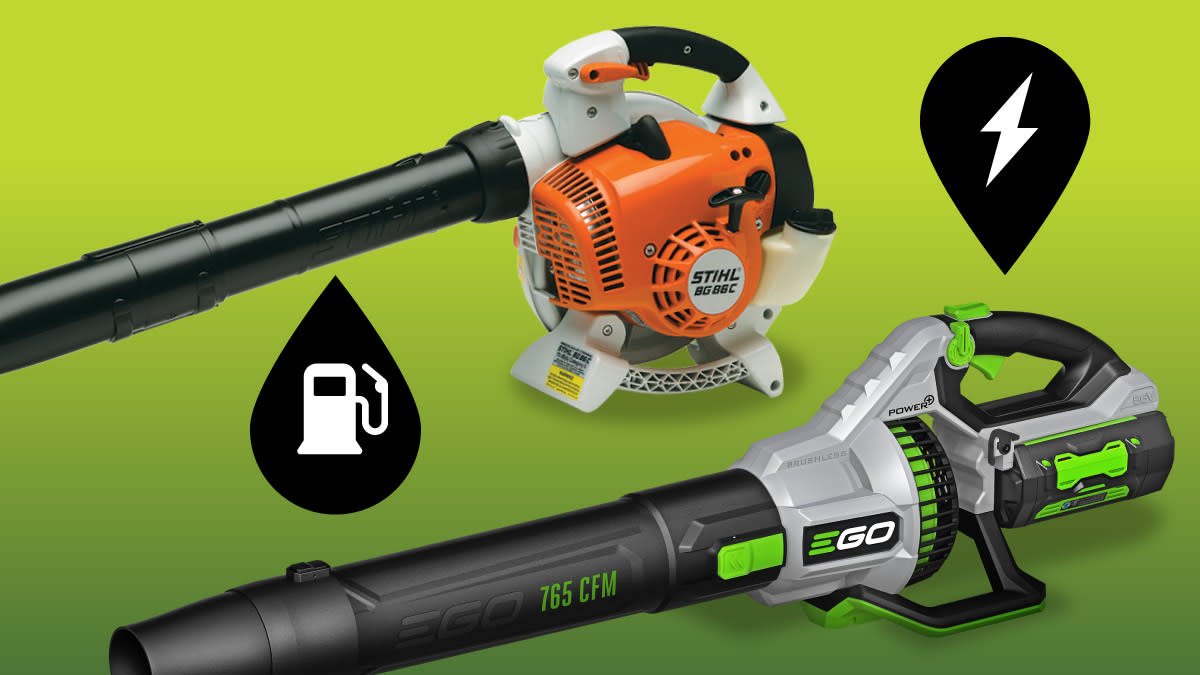
- Electric Leaf Blowers: Lightweight and quiet, best for small yards.
- Battery-Powered Leaf Blowers: Cordless and easy to use, good for medium yards.
- Gas-Powered Leaf Blowers: Strong and heavy, ideal for large yards and tough jobs.
Operating Mechanism
Leaf blowers use a motor to push air at high speed. This air moves leaves and debris.
Electric and battery models use electric motors. Gas models use small engines fueled by gasoline.
- Electric and battery blowers are lighter and quieter.
- Gas blowers create more power but are louder and heavier.
- All types have a trigger or switch to control airflow.
Best Use Cases
Different leaf blowers fit different cleaning jobs. Choose based on yard size and debris amount.
Electric models work well for small lawns with light debris. Battery models suit medium yards and regular use.
- Gas-powered blowers handle large yards and heavy leaf piles.
- Battery blowers offer good balance for most homeowners.
- Electric blowers are best for quick cleanups near homes.
Performance Comparison
Lawn sweepers and leaf blowers both help clean outdoor spaces. Each tool works differently to remove leaves and debris.
This comparison looks at how well they perform in key areas like debris collection and speed.
Efficiency In Debris Collection
Lawn sweepers use brushes to pick up leaves and grass clippings. They collect debris into a bag or hopper.
Leaf blowers push leaves into piles but do not collect them. You still need to gather the piles by hand or with another tool.
- Lawn sweepers collect debris as you move
- Leaf blowers move debris but do not collect
- Sweepers reduce the need to rake after use
Handling Wet And Dry Leaves
Lawn sweepers work best with dry leaves. Wet leaves can stick to brushes and clog the machine.
Leaf blowers handle wet and dry leaves well. The strong air helps move wet leaves easily into piles.
- Sweepers may struggle with wet leaves
- Blowers clear wet leaves faster
- Dry leaves are easy for both tools
Speed And Coverage
Lawn sweepers cover ground steadily. They clean as you push, but slow down on thick debris.
Leaf blowers work quickly over large areas. They push debris fast, but still need extra cleanup.
| Tool | Speed | Coverage |
|---|---|---|
| Lawn Sweeper | Moderate | Good for yards and driveways |
| Leaf Blower | Fast | Wide open spaces |
Ease Of Use
Choosing between a lawn sweeper and a leaf blower depends on how easy they are to use. Both tools help clean yards but work differently. Understanding their ease of use can help you pick the right one.
We will look at setup and operation, weight and maneuverability, and noise levels. These factors affect how comfortable and simple the tools are to handle.
Setup And Operation
Lawn sweepers usually need some assembly before use. You must attach parts like the handle and hopper. After that, you push the sweeper over the lawn to collect debris.
Leaf blowers are often ready to use right away. Some models only need to be charged or fueled. You hold the blower and aim the air to move leaves and debris.
- Lawn Sweeper: Requires assembly and manual pushing
- Leaf Blower: Minimal setup, mostly handheld use
Weight And Maneuverability
Lawn sweepers are usually heavier because of their wheels and collection bags. They roll easily but can be hard to push on uneven ground. Maneuvering around tight spaces can be tricky.
Leaf blowers are lighter and easy to carry. You can move quickly and reach tight spots like flower beds and corners. Some models come with straps to reduce arm fatigue.
- Lawn Sweeper: Heavier, good for flat areas
- Leaf Blower: Lighter, easier to handle in small spaces
Noise Levels
Lawn sweepers make very little noise because they have no engines. You can use them without disturbing neighbors. They are a quiet choice for yard cleanup.
Leaf blowers can be quite loud, especially gas-powered ones. Noise can bother people nearby and may require hearing protection. Electric models tend to be quieter but still produce some sound.
- Lawn Sweeper: Quiet operation
- Leaf Blower: Can be noisy, varies by power source
Maintenance Needs
Keeping your yard tools in good shape saves time and money. Lawn sweepers and leaf blowers need regular care to work well.
We will look at cleaning, durability, and common repairs for both tools. This helps you choose the right one for your needs.
Cleaning And Upkeep
Lawn sweepers need their brushes cleaned often. Leaves and debris can get stuck in the brushes and wheels.
- Remove debris from brushes after each use
- Check tires and clean them regularly
- Lubricate moving parts to avoid rust
- Store in a dry place to prevent damage
Leaf blowers require cleaning of air filters and spark plugs. This keeps the engine running smoothly.
Durability
| Tool | Material | Expected Life |
| Lawn Sweeper | Steel frame, plastic brushes | 5 to 10 years |
| Leaf Blower | Plastic body, metal engine parts | 3 to 7 years |
Lawn sweepers often last longer due to their simple design. Leaf blowers have more parts that can wear out faster.
Common Repairs
Lawn sweepers may need brush replacements or wheel fixes. These parts wear out after heavy use.
Leaf blowers often need spark plug changes and air filter cleaning. Engine repairs can be more costly.
- Lawn Sweeper: brush replacement, wheel tightening
- Leaf Blower: spark plug replacement, air filter cleaning
- Leaf Blower: carburetor tuning or engine repair
Environmental Impact
Lawn sweepers and leaf blowers help clean yards but affect the environment differently. Understanding their impact can guide better choices.
Both tools use energy and create noise. Their emissions and eco-friendly options vary a lot.
Emissions And Noise Pollution
Leaf blowers often run on gas engines, which release harmful emissions. These emissions add to air pollution and hurt health.
Lawn sweepers are usually manual or electric. They produce little to no emissions and are quieter than gas blowers.
- Gas leaf blowers emit carbon monoxide and hydrocarbons.
- Electric leaf blowers produce fewer emissions but still cause noise.
- Lawn sweepers have minimal noise and no direct emissions.
Energy Consumption
Gas-powered leaf blowers use fossil fuels, which are non-renewable and pollute the air. They consume more energy overall.
Electric leaf blowers use electricity, which may come from renewable or non-renewable sources. Lawn sweepers need no fuel or electricity if manual.
- Gas leaf blowers have high energy use and emissions.
- Electric blowers use energy but can be powered by clean sources.
- Manual lawn sweepers use no energy beyond human effort.
Eco-friendly Options
Manual lawn sweepers are the most eco-friendly option. They create no emissions and use no electricity or fuel.
Electric leaf blowers are better than gas models. Battery-powered options reduce noise and emissions further.
- Choose manual lawn sweepers for zero emissions.
- Use electric or battery leaf blowers to reduce pollution.
- Avoid gas-powered tools to protect air quality and reduce noise.
Cost Analysis
Choosing between a lawn sweeper and a leaf blower means looking at costs. Understanding initial and ongoing expenses helps you decide what fits your budget.
We will compare costs in three parts: initial investment, operating costs, and long-term value.
Initial Investment
A lawn sweeper usually costs more upfront than a leaf blower. The price depends on size and brand. Leaf blowers have a wide range of prices, with some models costing less than lawn sweepers.
- Lawn sweepers: $100 to $400
- Leaf blowers: $30 to $300
Operating Costs
Operating costs include fuel, electricity, and maintenance. Leaf blowers often use gas or electricity, which adds to monthly expenses. Lawn sweepers need little maintenance and have no fuel costs.
| Equipment | Fuel/Electricity | Maintenance |
| Lawn Sweeper | None | Low |
| Gas Leaf Blower | High | Medium |
| Electric Leaf Blower | Low | Low |
Long-term Value
Lawn sweepers last many years with little cost. Leaf blowers may wear out faster and need repairs. The choice depends on how often you use the tool and your budget.
- Lawn sweepers: durable and low upkeep
- Leaf blowers: may need parts replaced
- Both can save time on yard work
Credit: www.amazon.ca
Choosing The Right Tool
Choosing between a lawn sweeper and a leaf blower depends on your yard and needs. Both tools help clean up leaves and debris but work differently.
This guide helps you decide which tool fits best for your lawn care tasks.
Assessing Lawn Size And Debris Type
Consider your lawn size and what kind of debris you have. Large lawns with heavy leaf fall may need a different tool than small yards with light debris.
- Lawn Sweeper:Ideal for large lawns with dry leaves and grass clippings.
- Leaf Blower:Works well on small to medium lawns and hard-to-reach areas.
- Debris Type:Wet or stuck leaves may require a sweeper or manual raking.
Budget Considerations
| Tool | Price Range | Maintenance |
| Lawn Sweeper | Moderate to High | Low, mainly cleaning brushes |
| Leaf Blower | Low to Moderate | Medium, engine or battery care |
Think about your budget and how much you want to spend on buying and maintaining the tool.
Personal Preferences And Needs
Your comfort and the way you like to work matter. Some people prefer pushing a sweeper; others like the quick action of a blower.
- Choose a lightweight tool if you want easy handling.
- Consider noise levels if you have neighbors close by.
- Battery-powered tools offer more mobility than corded ones.
- Check if storage space is limited before picking a large tool.

Credit: www.popularmechanics.com
Frequently Asked Questions
What Is The Main Difference Between A Lawn Sweeper And Leaf Blower?
A lawn sweeper collects leaves and debris using brushes and a hopper. A leaf blower moves leaves by air pressure. Sweepers are better for large, dry debris, while blowers are ideal for quick clearing and wet leaves.
Which Is Better For Large Yards, Lawn Sweeper Or Leaf Blower?
Lawn sweepers are generally better for large yards. They collect debris efficiently in one pass. Leaf blowers are useful for spot cleaning but may require more effort for big areas.
Can A Leaf Blower Replace A Lawn Sweeper?
A leaf blower cannot fully replace a lawn sweeper. It moves debris but doesn’t collect it. Sweepers save time by gathering debris directly, reducing cleanup after blowing.
Are Lawn Sweepers Or Leaf Blowers Easier To Use?
Leaf blowers are typically easier to maneuver and use. Lawn sweepers require pushing and managing collected debris. However, sweepers reduce physical strain by collecting leaves automatically.
Conclusion
Choosing between a lawn sweeper and a leaf blower depends on your needs. Lawn sweepers collect leaves quickly and keep your yard tidy. Leaf blowers move leaves fast but may scatter debris. Consider yard size, leaf amount, and effort level.
Both tools help maintain a clean lawn in different ways. Think about what suits your space and comfort best. Either tool can make yard work easier and faster. Simple, clear choices lead to better lawn care results.

