
Have you ever looked at your lawn and wished it was as lush and green as the ones you see in magazines? You’re not alone.
Many homeowners dream of having that perfect carpet of grass, but often overlook the most crucial step in achieving it: preparing the soil. Before you lay down that beautiful sod, it’s essential to get the groundwork right. This is the foundation of your lawn’s health and appearance.
If the thought of prepping your lawn soil seems daunting, don’t worry. We’re here to guide you through the process, ensuring that you have everything you need to create a thriving, vibrant lawn. Stick with us as we reveal the secrets to turning your outdoor space into the envy of the neighborhood.
Credit: crystelmontenegrohome.com
Assess Soil Condition
Before laying sod, check your soil condition carefully. Good soil helps grass grow strong and healthy.
Assessing the soil means testing its pH and nutrients, knowing the soil type, and checking if it is compacted.
Test Soil Ph And Nutrients
Soil pH shows how acidic or alkaline the soil is. Grass grows best in soil with pH between 6 and 7.
Test soil nutrients to see if it has enough nitrogen, phosphorus, and potassium. These help grass grow well.
- Use a soil test kit or send soil to a lab
- Follow instructions to collect soil samples
- Add lime if soil is too acidic
- Add sulfur if soil is too alkaline
- Apply fertilizers based on nutrient test results
Identify Soil Type
Soil type affects how water drains and how roots grow. Common types are sandy, clay, and loam soil.
Sandy soil drains fast but holds fewer nutrients. Clay soil holds water but drains slowly. Loam soil is best for lawns.
- Sandy soil feels gritty and loose
- Clay soil feels sticky and hard when dry
- Loam soil feels soft and crumbly
Check For Compaction
Compacted soil stops roots from growing deep. It also reduces air and water flow.
Test compaction by pushing a screwdriver or rod into the soil. If it is hard to push, the soil is compacted.
- Use a garden fork or soil probe to check
- Look for hard or dense soil layers
- Break up compacted soil by tilling or aerating
Credit: crystelmontenegrohome.com
Clear The Area
Preparing your lawn soil before laying sod is important. Clearing the area makes sure the new grass grows well.
Start by removing unwanted plants, debris, and obstacles. This helps the sod settle evenly and roots grow deep.
Remove Existing Grass And Weeds
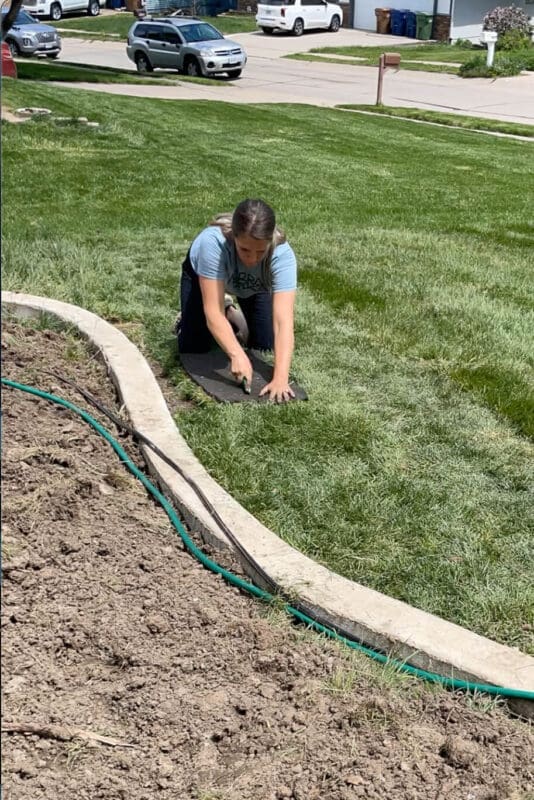
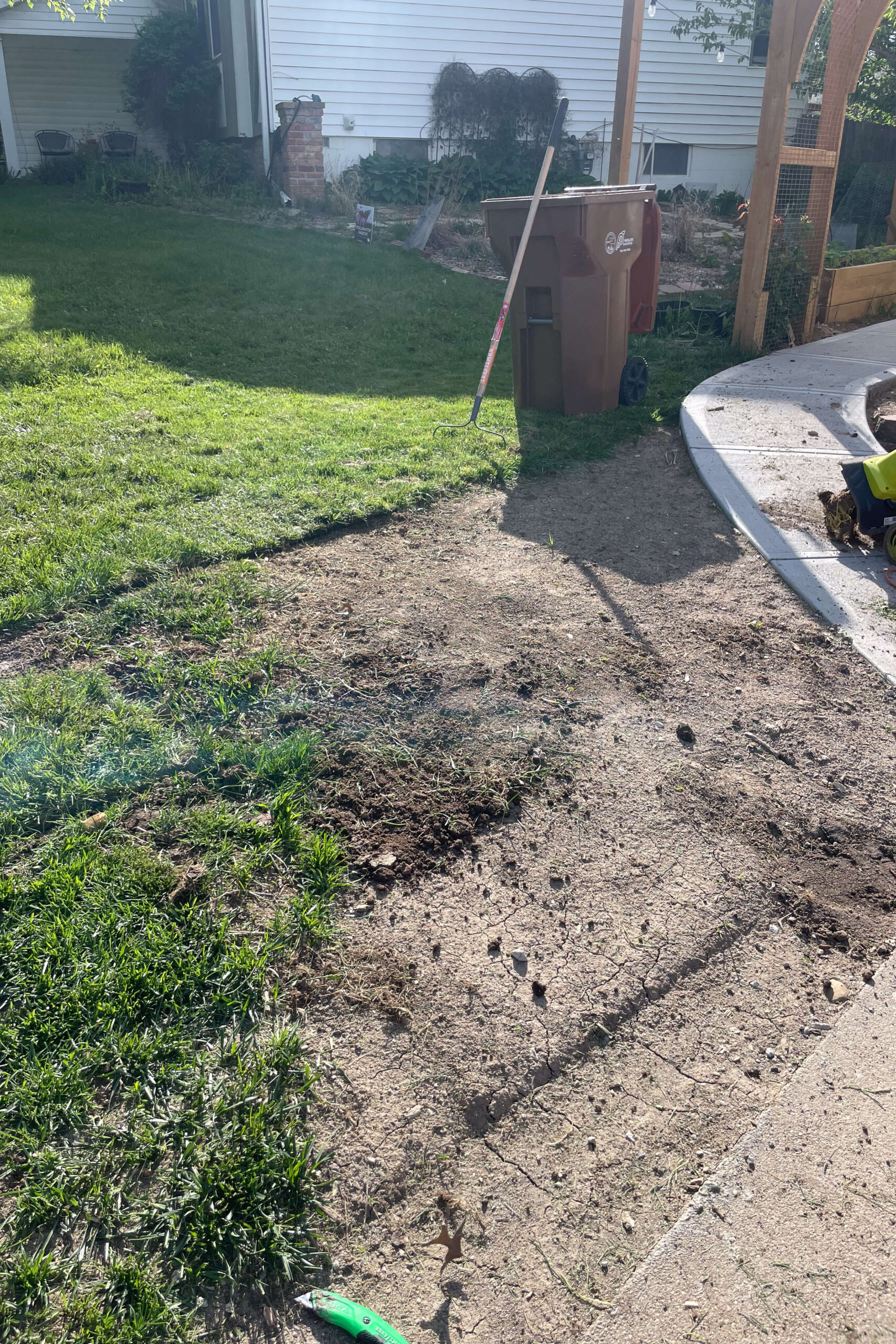
Remove all old grass and weeds from the soil. You can use a shovel or a sod cutter. Make sure to get the roots out to stop regrowth.
Dispose Of Debris
Clear away leaves, sticks, and trash from the area. A clean surface helps the sod stay in place and look nice.
- Rake the area thoroughly
- Bag leaves and small branches
- Remove trash and old plant material
- Check for hidden debris under the soil surface
Eliminate Rocks And Roots
Rocks and roots can stop sod roots from growing well. Remove any you find to create a smooth soil bed.
| What to Remove | Why It Matters |
| Large rocks | Prevent sod from lying flat |
| Small stones | Block root growth |
| Old roots | Compete for nutrients |
| Hidden stumps | Cause uneven surface |
Improve Soil Quality
Good soil is the base for a healthy lawn. Preparing soil before laying sod helps grass grow strong.
Improving soil quality means adding nutrients and balancing its texture and pH. This creates a good home for roots.
Add Organic Matter
Organic matter like compost or peat moss improves soil texture. It helps soil hold water and air.
Mix organic matter into the top 4 to 6 inches of soil before placing sod. This makes soil soft and rich.
- Use compost, leaf mold, or aged manure
- Work it evenly into soil with a rake or tiller
- Helps soil drain well and keeps roots healthy
Incorporate Fertilizers
Fertilizers give soil the nutrients grass needs to grow. Use balanced fertilizer with nitrogen, phosphorus, and potassium.
Spread fertilizer evenly over the soil and mix it in. This feeds the sod roots as they start to grow.
- Nitrogen helps leaf growth
- Phosphorus supports roots
- Potassium strengthens grass against stress
Adjust Ph Levels
Soil pH affects how well plants absorb nutrients. Lawns grow best in soil with pH between 6.0 and 7.0.
Test soil pH before installing sod. Add lime to raise pH if soil is too acidic or sulfur to lower it if too alkaline.
- pH below 6.0 means soil is acidic
- pH above 7.0 means soil is alkaline
- Use soil test kits or send samples to a lab
Loosen And Level Soil
Preparing the soil is important before laying sod. Loose and level soil helps grass grow strong and healthy.
Good soil preparation makes it easier for roots to spread and absorb water. It also prevents bumps under the sod.
Till The Soil
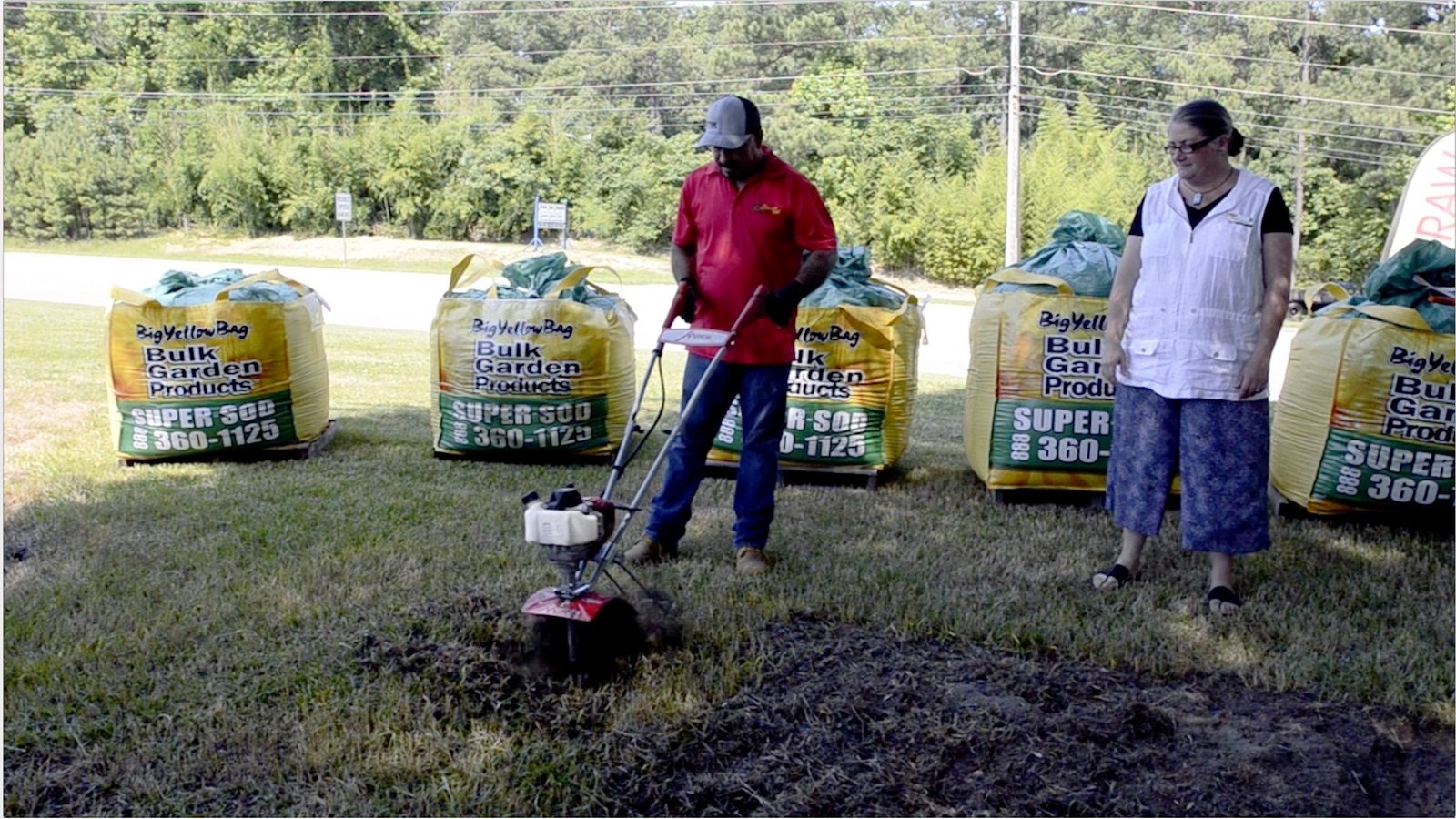
Tilling breaks up hard soil and mixes in nutrients. Use a rototiller or garden fork to loosen soil about 4 to 6 inches deep.
Tilling improves soil texture and allows air, water, and roots to move freely. Avoid over-tilling to keep soil structure healthy.
Break Up Clumps
After tilling, large clumps of soil may remain. Break these clumps into smaller pieces by hand or with a rake.
Smaller soil pieces create a smooth surface and help roots make good contact with the soil below the sod.
Level The Surface
Use a rake or leveling tool to make the soil surface flat and even. Remove rocks, sticks, or debris while leveling.
A level surface prevents water from pooling and helps sod pieces fit tightly together for a neat lawn.
Prepare For Drainage
Good drainage is key to healthy lawn soil. Before laying sod, check the soil to avoid water problems.
Proper drainage helps roots grow and stops water from pooling on the surface.
Check For Water Pooling
Look for spots where water collects after rain or watering. These areas need attention to prevent soggy soil.
Mark these places to fix drainage before installing sod.
Create Proper Slopes
Slopes guide water away from your lawn. Aim for a slight slope of at least 2% away from buildings.
- Use a rake or shovel to level the soil gently.
- Make sure the slope directs water to a drainage area.
- Avoid flat areas where water can sit.
Install Drainage If Needed
If your soil drains poorly, add drainage solutions before sod installation. This protects your lawn from excess water.
| Drainage Method | Description |
| French Drain | A trench with gravel and a pipe to carry water away. |
| Dry Well | A pit filled with stones to collect and disperse water underground. |
| Surface Drain | Grated channels that remove water from the soil surface. |
Final Soil Preparation Steps
Preparing your lawn soil before laying sod is important. Final steps help create a smooth base. This makes the sod settle well and grow strong roots.
These last actions include watering the soil, compacting it lightly, and marking where the sod will go. Each step sets the stage for healthy grass.
Water The Soil
Water the soil evenly until it is moist but not soggy. Moist soil helps the sod roots join with the ground. Avoid puddles to prevent soil washing away.
Compact Lightly
Lightly compact the soil to firm it without making it too hard. This prevents air pockets under the sod. Use a roller or hand tamper gently to press the soil.
- Check soil moisture before compacting.
- Roll in one direction first.
- Then roll at a right angle to cover the area well.
- Do not press too hard to keep soil loose enough for roots.
Mark Installation Boundaries
Mark the edges where you will place the sod. This helps keep the installation neat and accurate. Use string lines, stakes, or spray paint to outline the area.
| Tool | Purpose |
| String and Stakes | Create straight lines for sod edges |
| Spray Paint | Mark curves or irregular shapes |
| Measuring Tape | Measure exact sod dimensions |
Credit: www.outdoorguide.com
Frequently Asked Questions
How Do I Test Soil Before Sod Installation?
Test soil pH and nutrient levels using a soil test kit. This helps determine if amendments like lime or fertilizer are needed. Proper soil testing ensures your sod will grow healthy and strong.
What Soil Amendments Improve Sod Growth?
Add organic matter like compost to improve soil structure and drainage. Lime can adjust pH, while fertilizers provide essential nutrients. These amendments create an ideal environment for sod roots to establish quickly.
How Deep Should I Till The Soil Before Laying Sod?
Till soil to a depth of 4 to 6 inches. This loosens compacted soil and promotes root penetration. Proper tilling improves aeration and water absorption, helping your sod thrive.
Why Is Soil Leveling Important Before Sod Installation?
Leveling prevents water pooling and uneven growth. It creates a smooth surface for sod to root evenly. Proper soil leveling ensures a beautiful, uniform lawn after installation.
Conclusion
Preparing your lawn soil well makes sod installation easier and more successful. Clear debris, loosen the soil, and add nutrients for strong roots. Level the ground to avoid bumps and water pooling. Proper soil care helps the grass grow healthy and green fast.
Take time now to save effort later. Your lawn will thank you with a lush, beautiful look. Ready for sod? Start with good soil preparation.
