
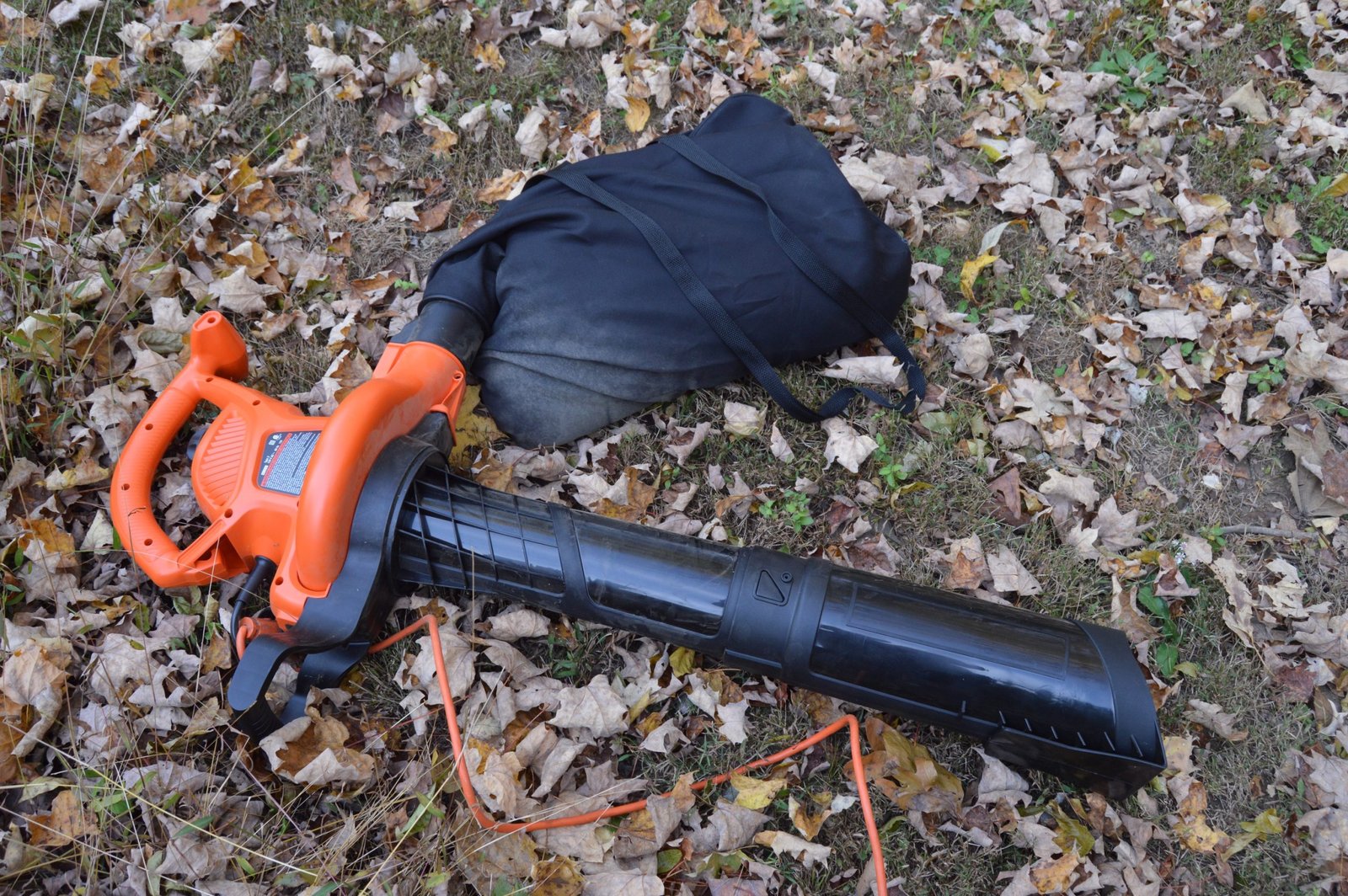
Autumn leaves create a beautiful tapestry on the ground, but when it’s time to clean them up, the task can feel overwhelming. If you’ve ever found yourself battling piles of leaves with a rake, you know the backache it can bring.
Enter the leaf vacuum—a powerful ally that makes yard work a breeze. But, like any tool, using it comes with its own set of safety considerations. Are you using yours correctly? You might think you know all the tricks, but missing a single safety step can turn your yard work into a headache.
In this guide, you’ll discover essential tips to ensure you’re using your leaf vacuum safely and effectively. Read on, because safeguarding your time, effort, and well-being starts here.

Credit: youskydirect.com
Choosing The Right Leaf Vacuum
Leaf vacuums help clean yards quickly and easily. Picking the right one makes your work safer and better.
Think about your yard size and safety needs before buying a leaf vacuum. This will help you choose the best tool.
Types Of Leaf Vacuums
Leaf vacuums come in different types. Each type works best for certain jobs and yard sizes.
- Electric leaf vacuums are light and quiet. They are good for small yards.
- Gas leaf vacuums are powerful. They work well on big yards and heavy leaves.
- Backpack leaf vacuums let you move freely. They are good for uneven or large areas.
- Push leaf vacuums are easier to handle. They fit medium-sized yards.
Size And Power Considerations
Choose a leaf vacuum size that fits your yard. Too big or small can make cleaning hard or unsafe.
Power matters. Strong vacuums handle wet or thick leaves better. Light power is enough for dry leaves.
- Small yards: Light, low-power vacuums save energy and are easy to carry.
- Medium yards: Medium power and size balance ease and strength.
- Large yards: High power and bigger size cut work time but need care.
Safety Features To Look For
Safety features protect you while using the leaf vacuum. Look for tools that keep you safe from injury.
Good safety features also help prevent accidents and machine damage.
- Automatic shut-off stops the vacuum if it jams or tips over.
- Ergonomic handles reduce hand strain and improve grip.
- Adjustable speed controls let you work safely on different surfaces.
- Noise reduction features protect your hearing during long use.
- Safety guards cover the intake to avoid finger or debris injuries.
Preparing For Safe Operation
Using a leaf vacuum can make yard work easier. Safety is important before you start using it.
Prepare yourself and the equipment well to avoid accidents and damage.
Wearing Protective Gear
Always wear protective gear before operating a leaf vacuum. This helps keep you safe from flying debris.
Use gloves, safety glasses, and sturdy shoes to protect your hands, eyes, and feet.
- Wear gloves to avoid cuts and blisters
- Use safety glasses to protect your eyes
- Wear long pants and sturdy shoes for full protection
- Consider ear protection if the vacuum is loud
Inspecting The Equipment
Check the leaf vacuum before use. Look for any damage or loose parts.
Make sure the vacuum bag is secure and the engine or motor works well.
- Check fuel or battery levels
- Look for cracks or broken parts
- Test the on/off switch to ensure it works
- Clear any blockages in the intake area
Clearing The Work Area
Remove obstacles from your yard before you start. This prevents accidents and damage to the vacuum.
Pick up sticks, stones, and toys that may block or harm the machine.
- Clear the area of large debris
- Keep children and pets away
- Mark hidden objects like sprinkler heads
- Make sure the ground is dry to avoid slipping
Operating The Leaf Vacuum Safely
Using a leaf vacuum can make yard work easier and faster. Safety is very important when handling this tool.
Follow simple rules to protect yourself and others while you work with the leaf vacuum.
Proper Handling Techniques
Hold the leaf vacuum firmly with both hands. Keep your hands dry and clean to avoid slipping.
- Start the vacuum on a flat surface.
- Keep the nozzle close to the ground.
- Do not pull the vacuum backward quickly.
- Turn off the vacuum before moving to a new area.
Avoiding Hazardous Materials
Check the area before vacuuming to remove dangerous objects. Sharp or large items can damage the machine or hurt you.
| Hazardous Items | Reason to Avoid |
| Glass pieces | Can break and cause cuts |
| Stones | Can damage the vacuum blades |
| Wet leaves | Can clog the machine |
| Metal scraps | Can cause injury and damage |
Maintaining Balance And Posture
Stand with your feet shoulder-width apart. Keep your back straight and bend your knees slightly.
Tips for Good Posture:
- Do not lean forward too much.
- Switch hands if you feel tired.
- Take breaks to avoid muscle strain.
Preventing Common Accidents
Leaf vacuums help keep yards clean but can be dangerous if not used right. Knowing how to avoid accidents makes work safer.
Follow these tips to prevent common accidents while using a leaf vacuum. Stay alert and use the machine with care.
Recognizing Potential Risks
Leaf vacuums have sharp blades and strong suction. These can cause injuries if you do not pay attention.
- Watch for loose clothing or jewelry that can get caught.
- Keep hands and feet away from the intake area.
- Be careful of rocks, sticks, and other hard objects that can fly out.
- Use the vacuum on stable ground to avoid slips and falls.
Dealing With Blockages Safely
Blockages can stop your leaf vacuum. Fixing them safely keeps you from harm.
| Action | Do | Do Not |
| Clearing debris | Turn off the machine and disconnect power | Reach inside while running |
| Checking intake | Use a stick or tool to remove blockage | Use your hands directly |
| Restarting vacuum | Confirm all parts are clear and secure | Start if blockage remains |
Emergency Shutdown Procedures
Knowing how to stop the vacuum quickly can prevent serious injuries.
- Release the throttle or power trigger immediately.
- Switch off the machine using the main power button or switch.
- Disconnect the power source or unplug the vacuum.
- Move the vacuum away from the work area once it stops.
- Check for damage or hazards before restarting.
Maintaining Your Leaf Vacuum
Keeping your leaf vacuum in good shape helps it work well longer. Regular care prevents damage and saves money.
Follow simple steps to clean, check, and store your leaf vacuum safely. This keeps it ready for use anytime.
Regular Cleaning Tips
Clean your leaf vacuum after each use to stop dirt buildup. Remove leaves and debris from the collection bag and nozzle.
- Empty the collection bag when full
- Wipe down the exterior with a damp cloth
- Use compressed air to clean hard-to-reach parts
- Check and clean the air filter regularly
Checking For Wear And Tear
Inspect your leaf vacuum to find worn parts early. Look for cracks, loose screws, and damaged cables.
| Part | What to Check | When to Replace |
| Collection Bag | Holes or tears | When holes appear |
| Air Filter | Dirt buildup or damage | Every 3 months or if dirty |
| Power Cord | Frayed or cuts | Immediately for safety |
| Blades or Fan | Chips or bending | When damaged |
Storing Equipment Safely
Store your leaf vacuum in a dry, cool place to avoid rust and damage. Keep it off the ground and away from moisture.
- Disconnect the vacuum from power before storage
- Empty the collection bag completely
- Cover the vacuum with a cloth or plastic cover
- Store accessories in a labeled box or container
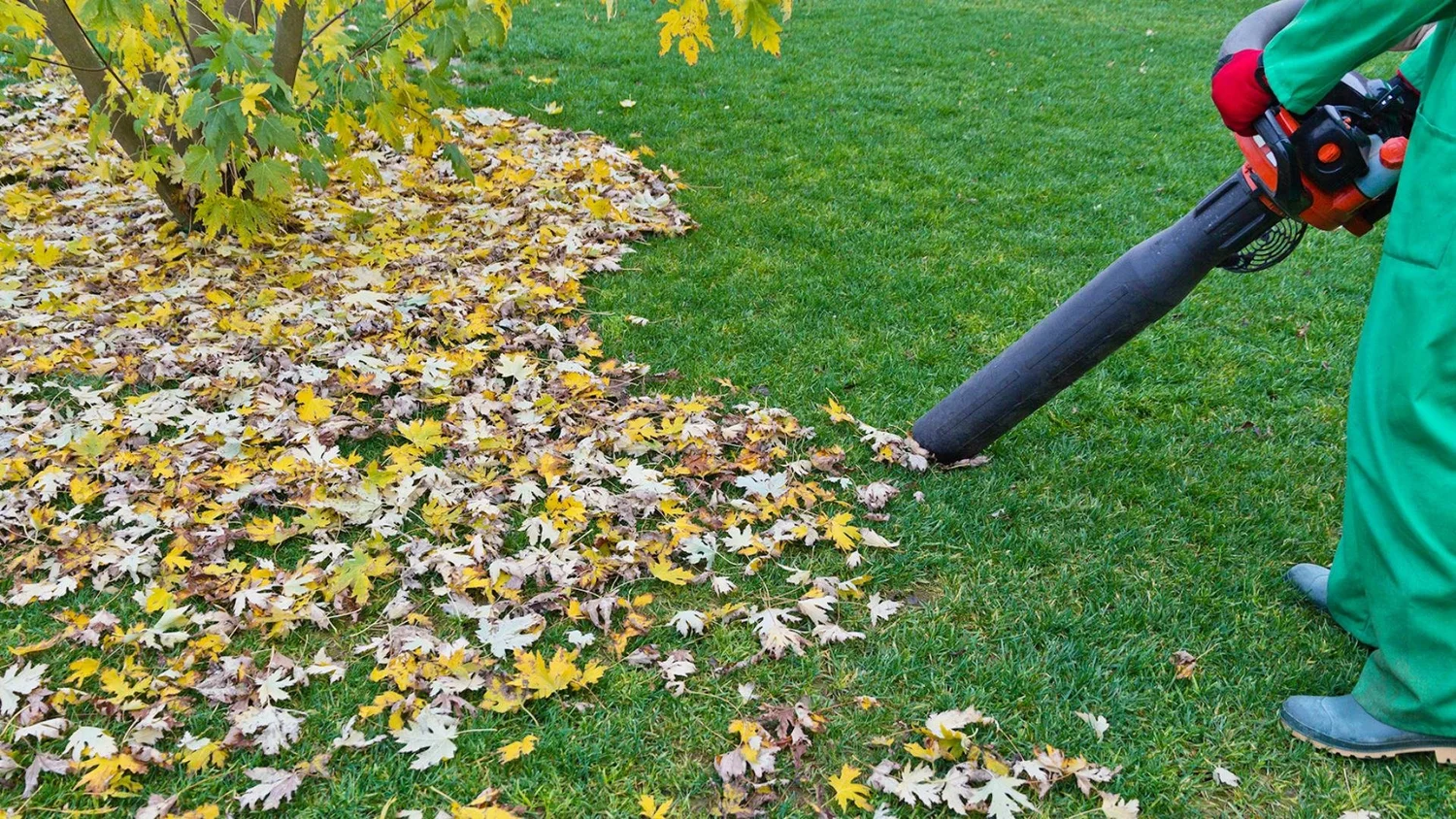
Credit: www.ecograssus.com
Environmental And Noise Considerations
Using a leaf vacuum can help keep your yard clean. It is important to think about the environment and noise when you use one. This guide gives tips to use leaf vacuums safely and responsibly.
Taking care of noise levels and eco-friendly habits can protect your neighbors and nature. Follow these ideas to reduce harm and enjoy a quieter, cleaner space.
Minimizing Noise Pollution
Leaf vacuums can be loud. Loud noise can disturb neighbors and wildlife. Use these tips to keep noise low while cleaning.
- Run the vacuum only during daytime hours
- Wear ear protection to keep your hearing safe
- Choose leaf vacuums with low noise levels
- Turn the machine off when not in use
- Keep the vacuum well maintained to avoid extra noise
Eco-friendly Usage Practices
Using leaf vacuums in a green way helps protect soil and air. Follow simple steps to reduce pollution and save energy.
| Practice | Benefit |
| Use biodegradable bags | Reduces plastic waste |
| Empty bags in compost | Supports natural recycling |
| Use electric or battery models | Lower emissions and noise |
| Avoid vacuuming wet leaves | Prevents engine strain and pollution |
| Plan vacuuming to avoid peak hours | Less disturbance and better air quality |

Credit: www.youtube.com
Frequently Asked Questions
How Do I Operate A Leaf Vacuum Safely?
Always wear protective gear like gloves and goggles. Keep the vacuum away from children. Read the manual before use. Avoid loose clothing and operate on dry leaves to prevent clogging and accidents.
What Safety Gear Is Essential When Using Leaf Vacuums?
Wear safety goggles to protect your eyes from debris. Use ear protection against loud noise. Gloves help prevent cuts and blisters. Sturdy shoes protect your feet from sharp objects on the ground.
Can Leaf Vacuums Be Used In Wet Conditions?
Avoid using leaf vacuums on wet leaves or grass. Wet debris can clog the vacuum and cause motor damage. It also increases the risk of slipping and accidents. Always wait for dry conditions before use.
How To Maintain A Leaf Vacuum For Safe Use?
Clean the vacuum after each use to prevent blockages. Check for damaged parts or loose screws regularly. Replace worn-out components promptly. Store in a dry place away from children and pets to maintain safety.
Conclusion
Using a leaf vacuum safely protects you and your home. Always read the instructions before starting. Wear gloves and eye protection for safety. Keep children and pets away while working. Check the vacuum for damage before use. Clean the machine regularly to keep it working well.
Take breaks to avoid tiredness and accidents. Safe habits make yard work easier and safer. Follow these tips to enjoy a clean yard without risks. Safety first, always.
