
Are you looking to make your garden greener or your home cleaner with less hassle? A hose end sprayer might just be the tool you need.
It’s efficient, easy to use, and can save you time and effort. But, like any tool, getting the best results requires a few insider tips. Imagine effortlessly spraying your plants with the right amount of nutrients or cleaning your driveway with precision, all while conserving water and minimizing waste.
You might wonder, “How can I achieve this? ” Well, you’re in the right place. We’re going to unveil some practical tips for using a hose end sprayer effectively. Stick around to discover how you can transform your outdoor tasks into simple, quick, and satisfying experiences.
Credit: www.youtube.com
Choosing The Right Sprayer
Using a hose end sprayer helps spread liquids over plants or lawns easily. Picking the right sprayer makes your work faster and safer.
Consider the types of sprayers and how you will use them. Also, check the build quality to get the best results.
Types Of Hose End Sprayers
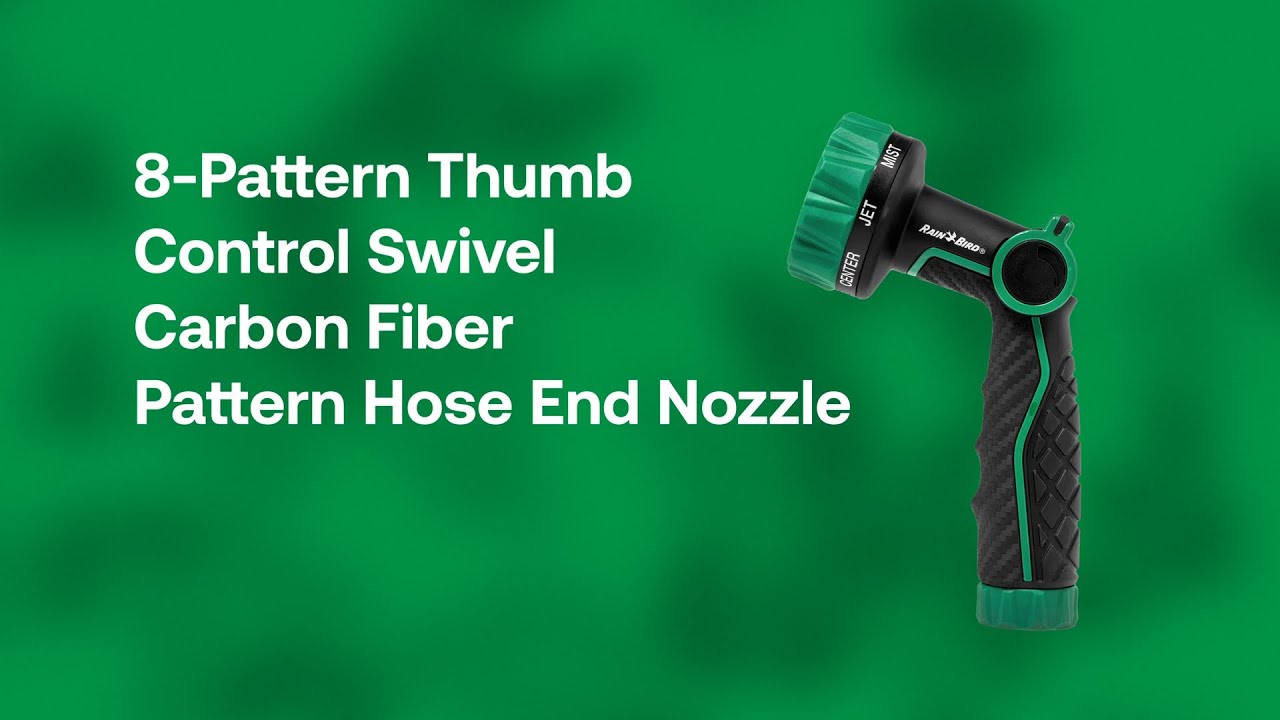
There are three main types of hose end sprayers: dial, trigger, and constant flow. Each type works best for different jobs and liquids.
- Dial sprayers:Let you set the mix ratio before spraying.
- Trigger sprayers:Spray only when you press the trigger.
- Constant flow sprayers:Spray continuously once turned on.
Matching Sprayer To Task
Choose a sprayer that fits the type of liquid and the size of the area you want to cover. Use low-pressure sprayers for delicate plants and high-pressure for tough jobs.
| Task | Recommended Sprayer |
| Fertilizing small garden | Dial sprayer |
| Applying weed killer | Trigger sprayer |
| Covering large lawn | Constant flow sprayer |
Material Quality And Durability
Look for sprayers made with strong plastic or metal parts. Good materials last longer and resist damage from chemicals and sunlight.
- Check if seals and valves are chemical-resistant.
- Choose sprayers with sturdy connectors to avoid leaks.
- Pick models with easy-to-clean parts to prevent clogging.
Preparing Your Sprayer
Getting your hose end sprayer ready is important for safe and effective use. Proper preparation helps you spray evenly and avoid mistakes.
Follow these tips to prepare your sprayer well before starting any job.
Assembling Components Correctly
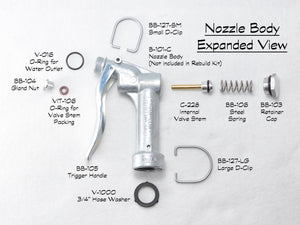
Make sure all parts fit tightly and are in the right place. Check the nozzle, hose connector, and chemical container for damage.
- Attach the nozzle firmly to the sprayer head.
- Secure the hose connector to avoid water leaks.
- Insert the chemical container properly and close it tightly.
- Inspect all seals and washers for wear or cracks.
Calibrating For Accurate Mixing
Correct mixing ensures the right amount of chemical is applied. Use the sprayer instructions to set the right ratio of water and product.
| Sprayer Setting | Water Volume (Gallons) | Chemical Amount (Ounces) |
| Low | 1 | 2 |
| Medium | 2 | 4 |
| High | 3 | 6 |
Checking For Leaks And Blockages
Leaks and blockages reduce spraying performance and waste chemicals. Test your sprayer before use to catch these issues.
Follow this checklist:
- Run water through the sprayer without chemicals.
- Look for drips around connectors and seals.
- Check the nozzle for clogs by spraying water.
- Clean or replace any blocked parts.
- Make sure the sprayer sprays evenly and smoothly.
Filling And Mixing Solutions
Using a hose end sprayer correctly helps spread chemicals evenly. Filling and mixing the right way keeps the sprayer working well.
Good mixing protects plants and surfaces from damage. It also saves money by using the right amount of product.
Selecting The Proper Chemicals
Choose chemicals made for hose end sprayers. Check the label for instructions and safety tips. Only use products that mix well with water.
Avoid using thick or sticky chemicals. They can clog the sprayer. Use products made for garden and lawn use.
Measuring Concentrates Precisely
Measure the chemical concentrate carefully. Use the correct tools like measuring cups or syringes. Too much or too little can harm plants.
- Read the product label for mixing ratios
- Use clean measuring tools for each product
- Double-check amounts before adding to sprayer
Avoiding Cross-contamination
Clean the sprayer before switching chemicals. Rinse it well with water to remove residues. Cross-contamination can cause damage or reduce effectiveness.
Use separate measuring tools for different chemicals. Store chemicals in their original containers. Keep everything labeled clearly.
Credit: www.triconsprayers.com
Spraying Techniques
Using a hose end sprayer correctly helps you cover plants evenly. Good spraying protects plants and saves chemicals.
Learning the right techniques will make your spraying more effective. It also helps avoid waste and damage.
Adjusting Spray Patterns
Most hose end sprayers allow you to change the spray pattern. Different patterns suit different jobs and plants.
Use a wide spray for large areas and a narrow spray for focused spots. Adjust the nozzle to get the best shape.
- Wide spray covers more area quickly
- Narrow spray targets specific plants or weeds
- Mist spray helps cover delicate plants gently
Maintaining Consistent Pressure
Consistent water pressure ensures even spraying. Too much pressure causes drips and waste. Too little pressure makes spraying uneven.
Keep the water flow steady by adjusting the hose valve. Check the sprayer’s instructions for the best pressure range.
- Use a hose without kinks to keep pressure steady
- Adjust the water flow slowly to avoid spikes
- Replace worn parts to maintain good spray quality
Optimal Spraying Speed And Distance
Move at a steady speed to cover plants evenly. Moving too fast misses spots, while moving too slow wastes spray.
Hold the sprayer at the right distance. Too close can harm plants, and too far reduces coverage.
- Walk slowly and steadily for good coverage
- Keep the nozzle 12 to 18 inches from plants
- Adjust distance based on spray pattern and plant type
Safety Precautions
Using a hose end sprayer needs care to keep you safe. Chemicals can be harmful if not handled right. Follow safety rules to protect yourself and the environment.
Wear the right gear and use the sprayer carefully. This guide covers key safety tips for using a hose end sprayer.
Wearing Protective Gear
Always wear protective gear to avoid skin and eye contact with chemicals. This gear also helps prevent breathing in harmful sprays.
- Wear long sleeves and pants to cover your skin
- Use chemical-resistant gloves to protect your hands
- Put on safety goggles to shield your eyes
- Wear a mask or respirator if recommended on the chemical label
- Use closed-toe shoes to protect your feet
Handling Chemicals Safely
Handle chemicals with care to avoid spills and accidents. Read all label instructions before use. Store chemicals in a safe place out of reach of children and pets.
| Safety Tip | Why It Matters |
| Mix chemicals outside or in a well-ventilated area | Prevents inhaling harmful fumes |
| Never mix different chemicals unless label says it is safe | Can cause dangerous reactions |
| Clean the sprayer after use | Prevents chemical buildup and damage |
| Dispose of leftover chemicals properly | Protects people and the environment |
| Wash hands thoroughly after handling | Removes any chemical residue |
Environmental Considerations
Protect nature by using your sprayer carefully. Avoid spraying near water sources or on windy days. This lowers the chance of chemicals spreading where they do not belong.
Follow these guidelines to keep the environment safe:
- Do not spray when the wind speed is above 5 mph
- Keep chemicals away from streams, ponds, and wells
- Use only the amount needed to reduce waste
- Store leftover chemicals in original containers with labels
Cleaning And Maintenance
Keeping your hose end sprayer clean helps it work well for a long time. Regular care stops clogs and damage.
Simple cleaning and good storage keep your sprayer ready to use anytime. Follow these tips to maintain it.
Flushing After Use
Flush the sprayer with clean water after each use. This removes leftover chemicals and dirt inside the sprayer.
Run water through the sprayer until it flows clear. This prevents buildup that can block the nozzle or hose.
- Detach the sprayer from the hose
- Fill a bucket with clean water
- Run water through the sprayer into the bucket
- Repeat until water runs clear
- Shake out excess water before storing
Storing Properly
Store your sprayer in a dry, cool place away from sunlight. This stops parts from wearing out quickly.
Keep the sprayer in a place where it will not get crushed or bent. Avoid leaving it outside in bad weather.
- Hang the sprayer or place it on a shelf
- Keep it away from heat and freezing cold
- Make sure it is dry before storing
- Check for leaks or damage before storage
Troubleshooting Common Issues
If the sprayer sprays unevenly or does not spray at all, check for clogs. Dirt can block the nozzle or hose.
Leaks can happen if parts are loose or worn out. Tighten connections or replace damaged parts as needed.
- No spray: clean nozzle and check water flow
- Weak spray: check for low water pressure
- Leaks: tighten or replace seals and connectors
- Clogged hose: flush with clean water and remove debris
Maximizing Efficiency
Using a hose end sprayer saves time and effort for watering and applying treatments. To get the best results, you need to use it efficiently.
Simple tips can help you apply liquids evenly while reducing waste. This guide focuses on key ways to improve your sprayer use.
Timing Your Application
Choose the right time of day to spray. Early morning or late afternoon is best to avoid heat and wind.
Applying treatments during these times helps the liquid soak in better and reduces evaporation.
Using Weather To Your Advantage
Check the weather forecast before spraying. Avoid windy or rainy days to keep the spray on target.
Calm weather helps prevent drift and loss of product. Rain soon after spraying can wash away the treatment.
- Spray when wind is below 5 mph
- Wait for dry conditions after application
- Avoid spraying before rain or storms
Reducing Waste And Overuse
Measure the amount of product carefully. Use only what the instructions say for your area.
Rinse the sprayer after use to keep it working well. This prevents clogs and keeps flow steady.
- Calibrate your sprayer for correct mix ratios
- Keep spray nozzles clean and well-maintained
- Apply evenly to avoid extra waste

Credit: gsplantfoods.com
Frequently Asked Questions
How Do I Prepare A Hose End Sprayer For Use?
To prepare, attach the sprayer firmly to the hose. Fill the container with the recommended solution. Always check for leaks and ensure proper nozzle settings before starting.
What Chemicals Are Safe For Hose End Sprayers?
Use water-based, liquid fertilizers, or pesticides labeled for hose sprayers. Avoid thick or granular chemicals to prevent clogging and damage.
How Can I Adjust Spray Patterns On A Hose Sprayer?
Most sprayers have adjustable nozzles. Turn the nozzle to select from mist, stream, or shower patterns for effective coverage.
How Do I Clean A Hose End Sprayer After Use?
Rinse the container and spray nozzle with clean water. Run clear water through the sprayer to flush out residues and prevent clogging.
Conclusion
Using a hose end sprayer can save time and effort in your garden. Always check the settings before spraying to avoid waste. Clean the sprayer after each use for better performance. Store it in a dry place to keep it working longer.
Follow these tips to get the best results every time. Enjoy a healthier garden with less hassle. Simple steps make a big difference in your plant care routine. Keep your sprayer ready, and your garden will thank you.
