
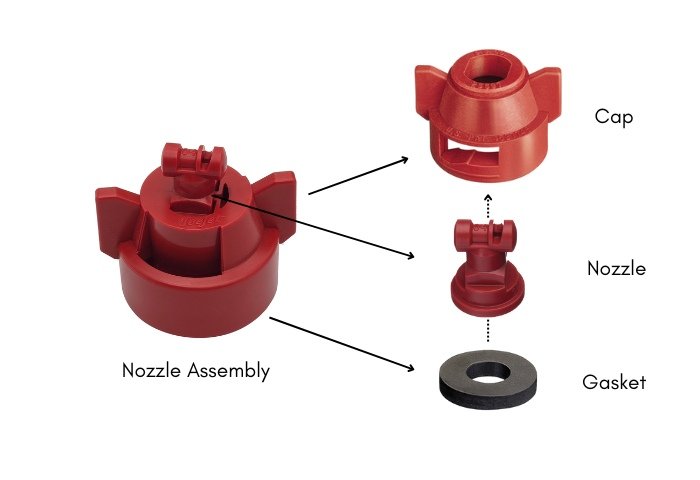
Are you struggling with a sprayer that’s just not performing like it used to? Perhaps your spray patterns are uneven, or maybe it’s become a chore to get the coverage you need.
The culprit might be a worn-out nozzle. Replacing a nozzle on a sprayer might sound daunting, but it’s actually a straightforward task that you can tackle on your own. Imagine saving time and hassle by ensuring your sprayer works like new again.
In this guide, you’ll learn step-by-step how to replace the nozzle on your sprayer, so you can get back to completing your tasks efficiently and with ease. Let’s dive in and transform your sprayer back to its optimal performance!
Tools Needed
Replacing the nozzle on a sprayer is a simple task. You need the right tools to do it safely and correctly.
This guide lists the tools and gear you will need before starting the replacement.
Essential Equipment
You need a few basic tools to remove the old nozzle and attach the new one.
- Adjustable wrench or pliers to loosen the nozzle
- Replacement nozzle that fits your sprayer model
- Clean cloth or rag to wipe dirt and debris
- Small brush to clean the nozzle area
- Container to catch any leftover liquid
Having these tools ready makes the process faster and safer.
Safety Gear
Wear safety gear to protect yourself from chemicals and sharp parts.
- Gloves to protect your hands from sprays and dirt
- Safety goggles to shield your eyes from splashes
- Long sleeves to protect your skin
- Mask to avoid inhaling sprays or dust
Using safety gear helps avoid injuries and keeps you safe during the work.
Prepare The Sprayer
Replacing the nozzle on a sprayer starts with proper preparation. This helps avoid spills and damage.
Follow simple steps to get your sprayer ready for the new nozzle installation.
Turn Off And Empty
First, turn off the sprayer to stop any flow of liquid. This keeps you safe from sprays.
Next, empty the tank completely. Remove all liquid to avoid spills during nozzle removal.
- Switch off the sprayer power or close the valve
- Pour out any remaining liquid safely
- Check the tank is fully empty before proceeding
Clean The Nozzle Area
Clean the area around the nozzle to remove dirt and debris. This makes nozzle removal easier.
Use a damp cloth to wipe the nozzle and surrounding parts gently. Avoid using harsh chemicals.
- Wipe the nozzle surface with a soft cloth
- Remove any stuck dirt or plant material
- Inspect for damage before replacing the nozzle
Remove The Old Nozzle
Removing the old nozzle from your sprayer is an important task before fitting a new one. It ensures the sprayer works properly and sprays evenly.
Follow the right steps carefully to avoid damaging the sprayer or nozzle parts during removal.
Loosen The Nozzle
Begin by loosening the nozzle carefully. Use your hand or a wrench if it is tight. Turn the nozzle counterclockwise to unscrew it.
- Hold the sprayer firmly to avoid spills.
- Use a cloth for better grip if the nozzle is slippery.
- Apply gentle pressure to prevent breaking the nozzle.
- If stuck, apply a little penetrating oil and wait five minutes.
Inspect For Damage
After removing the nozzle, check it carefully for any cracks, clogs, or wear. This helps you decide if a replacement is necessary.
| Type of Damage | Signs to Look For | Effect on Sprayer |
|---|---|---|
| Cracks | Visible splits or breaks | Leaks and uneven spray |
| Clogs | Blocked openings or residue build-up | Reduced spray pressure |
| Wear | Worn edges or misshaped parts | Poor spray pattern |

Credit: www.no-tillfarmer.com
Choose The Right Replacement
Replacing a nozzle on your sprayer needs careful choice. Using the wrong nozzle can waste spray and damage plants.
Pick a nozzle that fits your sprayer and matches your spraying task for best results.
Match Nozzle Types
Nozzles come in various types. Each type works best for certain jobs. Look at your old nozzle first. Match its style and size for a proper fit.
- Flat fan nozzles spray in a wide, flat shape.
- Cone nozzles spray in a circular pattern.
- Flood nozzles give a heavy, wide spray.
- Adjustable nozzles let you change spray angle and flow.
Check Spray Patterns
Spray pattern affects coverage and drift. Choose a pattern that fits your need. Check the pattern on the replacement nozzle before buying.
| Nozzle Type | Spray Pattern | Best Use |
| Flat Fan | Wide, flat | Herbicides, pesticides |
| Cone | Circular, full or hollow | Fertilizers, insecticides |
| Flood | Heavy, wide | Weed control in large areas |
| Adjustable | Variable | Multiple spraying needs |
Install The New Nozzle
Replacing the nozzle on your sprayer is easy and helps keep it working well. First, remove the old nozzle carefully.
Now, you are ready to install the new nozzle. Follow these steps to do it right.
Attach Securely
Place the new nozzle on the sprayer’s tip. Make sure it fits tightly.
Turn the nozzle clockwise to screw it in. Do not force it too hard.
- Check the nozzle threads for dirt before attaching
- Screw the nozzle gently but firmly
- Stop when you feel resistance to avoid damage
Test For Leaks
After attaching, test the sprayer to find leaks. Turn on the sprayer and watch the nozzle.
If you see drips or sprays from the connection, tighten the nozzle more. Check again.
- Turn on the sprayer slowly
- Look for any water or fluid leaks
- Tighten the nozzle if leaks appear
- Repeat testing until no leaks show

Credit: www.amazon.com
Maintenance Tips
Replacing the nozzle on your sprayer keeps it working well. Proper care helps it last longer.
Follow simple maintenance steps to avoid problems and ensure good spray results.
Regular Cleaning
Clean the sprayer nozzle after each use. Dirt and residue can block the nozzle and reduce spray quality.
- Rinse the nozzle with clean water.
- Use a soft brush to remove stubborn dirt.
- Check for clogs and clear them gently.
- Never use sharp objects to clean the nozzle.
- Dry the nozzle before storing the sprayer.
Storage Advice
Store your sprayer and nozzle correctly to avoid damage and freezing during cold weather.
| Storage Tip | Reason |
| Keep sprayer indoors | Protect from cold and sun |
| Remove and dry nozzle | Prevent rust and clogging |
| Store nozzle separately | Avoid damage from pressure |
| Use a protective cover | Keep dust and dirt away |

Credit: ucanr.edu
Frequently Asked Questions
How Do I Remove A Sprayer Nozzle Safely?
Turn off the sprayer and release pressure first. Use gloves to protect your hands. Gently twist or pull the nozzle to remove it without damaging the sprayer.
When Should I Replace A Sprayer Nozzle?
Replace the nozzle if spray patterns are uneven or clogged. Also, change it when worn out or damaged to maintain spraying accuracy.
What Tools Are Needed To Replace A Sprayer Nozzle?
Usually, no special tools are required. Sometimes, a wrench or pliers can help loosen a stuck nozzle. Always check your sprayer’s manual for specific tools.
How To Clean A Sprayer Nozzle Before Replacing?
Rinse the nozzle with water to remove debris. Use a soft brush or needle to unclog tiny holes. This can extend nozzle life before replacement.
Conclusion
Replacing a sprayer nozzle is simple and quick with the right steps. Clean the sprayer first to avoid clogs. Carefully remove the old nozzle and fit the new one tightly. Test the sprayer to ensure it works well and sprays evenly.
Regular nozzle checks keep your sprayer efficient and save product waste. Practice this routine to keep your sprayer in good shape. Easy to do, saves money, and improves your spraying results. Try it yourself and see the difference.
