

Are you struggling with garden plants that just won’t thrive, no matter how much care you give them? Poor soil might be the hidden culprit behind your gardening woes.
When your soil lacks essential nutrients, your plants can’t grow strong and healthy. But don’t worry—you’re not alone, and there are solutions! We’ll explore the key nutrients that might be missing from your soil and how their absence impacts plant growth.
Imagine transforming your garden into a lush, thriving oasis with just a few simple changes. By understanding what nutrients your soil is missing, you’ll gain the power to nurture your plants back to life. Ready to unlock the secrets of healthy soil and discover what your garden truly needs? Keep reading to find out!

Credit: plantrevolution.com
Key Nutrients Missing In Poor Soil
Poor soil often lacks important nutrients needed for healthy plant growth. These missing nutrients affect crop yields and plant health.
Understanding which nutrients are missing helps in choosing the right soil treatments and fertilizers.
Nitrogen Deficiency
Nitrogen is vital for leaf growth and plant color. Without enough nitrogen, plants look pale and grow slowly. Leaves may turn yellow and drop early.
Phosphorus Shortage
Phosphorus helps plants form roots and flowers. Low phosphorus causes poor root growth and delayed flowering. Plants may appear stunted and dark green or purple.
Potassium Lack
Potassium controls water use and disease resistance. Plants without enough potassium have weak stems and yellow or brown leaf edges.
- Weak plant stems
- Yellowing or browning leaf edges
- Poor fruit and flower development
- Increased vulnerability to disease
Calcium And Magnesium Deficits
| Nutrient | Role in Plants | Deficiency Symptoms |
| Calcium | Builds cell walls and root tips | Root damage, distorted new leaves |
| Magnesium | Central element in chlorophyll | Yellow spots between leaf veins |
Trace Element Deficiencies
Trace elements like iron, zinc, and copper are needed in small amounts. Lack of these can cause poor growth and leaf discoloration.
- Iron: Yellow leaves with green veins
- Zinc: Stunted leaves and shoots
- Copper: Wilting and leaf curling
Symptoms Of Nutrient Deficiencies In Plants
Plants need many nutrients to grow healthy. Poor soil often lacks these important nutrients.
When nutrients are missing, plants show signs like yellow leaves or weak stems. Learning these signs helps fix problems early.
Yellowing Leaves And Stunted Growth
Yellow leaves often mean plants lack nitrogen or iron. These nutrients help leaves stay green and make food.
Stunted growth happens when plants do not get enough phosphorus or potassium. These help roots and flowers grow strong.
- Nitrogen deficiency causes older leaves to turn yellow
- Iron deficiency causes yellow between leaf veins
- Phosphorus shortage slows down plant height
- Potassium lack makes growth weak and slow
Poor Root Development
Roots need nutrients like phosphorus and calcium to grow well. Without these, roots stay small and weak.
Poor root growth means plants cannot absorb enough water or nutrients. This causes overall weak health.
- Phosphorus helps roots grow deep and strong
- Calcium supports root structure and cell walls
- Magnesium aids nutrient uptake in roots
Leaf Spots And Discoloration
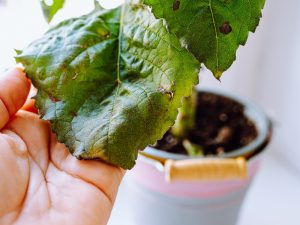
Leaf spots or unusual colors can show a lack of nutrients like potassium or magnesium. These nutrients protect leaf health.
Discoloration often looks like spots, patches, or edges turning brown or purple.
- Potassium deficiency causes brown leaf edges or spots
- Magnesium lack creates yellow spots between veins
- Manganese shortage causes small brown spots on leaves
Weak Stems And Wilting
Weak stems and wilting mean plants lack nutrients like calcium or potassium. These keep stems strong and water moving.
Without enough nutrients, plants droop even with water. Stems may break easily.
- Calcium strengthens cell walls in stems
- Potassium helps regulate water inside plants
- Insufficient nutrients cause wilting despite watering
Causes Of Nutrient Loss In Soil
Soil needs nutrients to grow healthy plants. Poor soil lacks important nutrients. Many reasons cause nutrients to leave the soil.
Understanding these causes helps farmers and gardeners keep soil rich and fertile.
Soil Erosion And Leaching
Soil erosion happens when wind or water washes soil away. This removes the topsoil that holds many nutrients.
Leaching happens when rain or irrigation water washes nutrients deep into the ground. Plants cannot reach these nutrients anymore.
- Erosion removes nutrient-rich topsoil
- Leaching moves nutrients below root level
- Both reduce nutrient availability for plants
Over-farming And Crop Removal
Growing crops repeatedly without rest uses up soil nutrients. Plants absorb nutrients to grow, leaving less behind.
Harvesting crops removes nutrients from the field. Without replacing these nutrients, the soil becomes poor over time.
- Continuous farming drains soil nutrients
- Removing crops takes nutrients out of soil
- Soil needs time and care to recover nutrients
Improper Fertilizer Use
Using too little fertilizer does not supply enough nutrients. Using too much can harm plants and soil life.
Wrong types of fertilizer can cause nutrient imbalance. This reduces the soil’s ability to support healthy plants.
- Too little fertilizer starves plants
- Too much fertilizer can damage soil
- Choosing correct fertilizer keeps soil balanced
Soil Ph Imbalances
Soil pH measures how acidic or alkaline the soil is. If pH is too high or low, plants cannot absorb nutrients well.
Incorrect pH changes nutrient availability. Some nutrients become locked in the soil and cannot be used by plants.
- Low pH (acidic) can block nutrients like calcium
- High pH (alkaline) can block nutrients like iron
- Balanced pH helps plants take up nutrients easily
Credit: a1gardeningsydney.com.au
Testing Soil For Nutrient Deficiencies
Soil health affects plant growth and crop yield. Testing soil helps find which nutrients are missing.
Knowing nutrient levels guides farmers and gardeners to improve soil quality effectively.
Soil Sampling Techniques
Collecting soil samples correctly is key to accurate test results. Samples must represent the area well.
- Use a clean tool to take soil from several spots.
- Take samples from 6 to 8 inches deep.
- Mix samples in a clean container for one combined sample.
- Remove roots, rocks, and debris from the sample.
- Label the sample with the date and location.
Laboratory Analysis Options
Laboratories use different methods to check soil nutrients. Each method shows specific nutrient levels.
| Test Type | What It Measures | Cost Range |
| Basic Nutrient Test | Nitrogen, Phosphorus, Potassium | Low |
| pH and Salinity Test | Soil acidity and salt levels | Low |
| Micronutrient Analysis | Iron, Zinc, Copper, Manganese | Medium |
| Organic Matter Content | Decomposed plant and animal material | Medium |
| Comprehensive Soil Test | All major and minor nutrients | High |
Interpreting Test Results
Test results show nutrient levels as low, adequate, or high. Understanding these helps fix soil problems.
Use this guide to understand common nutrient deficiency signs:
- Nitrogen:Yellow leaves and slow growth.
- Phosphorus:Dark green or purple leaves.
- Potassium:Brown leaf edges and weak stems.
- Iron:Yellow leaves with green veins.
- Magnesium:Yellowing between leaf veins.
Improving Nutrient Content In Poor Soil
Poor soil lacks important nutrients that plants need. This can stop plants from growing well.
You can improve soil by adding materials and using good farming practices. These help bring back nutrients.
Organic Matter Addition
Adding organic matter like compost or manure helps poor soil. It adds nutrients and improves soil texture.
Organic matter also helps soil hold water and air. This supports healthy roots and microbes.
- Compost adds nitrogen, phosphorus, and potassium
- Manure improves soil structure and nutrient content
- Mulch protects soil and adds organic material as it breaks down
Balanced Fertilizer Application
Balanced fertilizers give plants the nutrients they need. Use fertilizers that match your soil’s needs.
Too much of one nutrient can harm plants. Test soil to know what nutrients to add.
- Nitrogen helps leaves grow green and strong
- Phosphorus supports root and flower growth
- Potassium improves overall plant health and disease resistance
Crop Rotation And Cover Crops
Crop rotation means planting different crops each season. This prevents nutrient loss and soil problems.
Cover crops protect soil and add nutrients. They stop erosion and improve soil structure.
- Legumes add nitrogen to soil
- Grasses help build organic matter
- Rotation reduces pests and diseases
Soil Ph Adjustment
Soil pH affects nutrient availability. Adjust pH to help plants absorb nutrients better.
Lime raises pH in acidic soils. Sulfur lowers pH in alkaline soils.
- Test soil pH before adding materials
- Use lime for soils below pH 6.0
- Use sulfur for soils above pH 7.5

Credit: plantrevolution.com
Long-term Soil Fertility Strategies
Poor soil often lacks essential nutrients needed for healthy plant growth. These nutrients include nitrogen, phosphorus, potassium, and organic matter.
Maintaining soil fertility over time requires careful planning. Using long-term strategies helps keep soil healthy and productive.
Sustainable Farming Practices
Sustainable farming protects soil by reducing erosion and nutrient loss. Crop rotation and cover cropping add nutrients back to the soil.
These practices reduce the need for chemical fertilizers and improve soil structure for better water retention.
- Crop rotation breaks pest cycles and adds nutrients
- Cover crops prevent soil erosion and add organic matter
- Reduced tillage keeps soil layers intact
Composting And Mulching Benefits
Compost adds valuable nutrients and organic matter to poor soil. It improves soil texture and water-holding capacity.
Mulching protects the soil surface. It reduces moisture loss and keeps soil temperature stable.
- Compost supplies nitrogen, phosphorus, and potassium
- Mulch prevents weeds and erosion
- Both increase beneficial soil organisms
Integrating Microbial Soil Health
Microbes help break down organic matter and release nutrients. Healthy microbial life boosts soil fertility naturally.
Adding organic materials and avoiding harsh chemicals supports these microbes. This leads to better nutrient cycling and plant growth.
- Microbes fix nitrogen and decompose organic matter
- Healthy soil microbes improve nutrient availability
- Encourage microbes by using natural fertilizers
Frequently Asked Questions
What Nutrients Are Commonly Missing In Poor Soil?
Poor soil often lacks nitrogen, phosphorus, and potassium. These nutrients are vital for healthy plant growth. Deficiencies reduce crop yields and affect soil fertility. Trace elements like magnesium and calcium may also be insufficient in poor soil.
How Does Nitrogen Deficiency Affect Soil Quality?
Nitrogen deficiency leads to yellowing leaves and stunted plant growth. It limits protein production, reducing crop yield. Poor nitrogen levels indicate weak soil health and nutrient imbalance. Adding nitrogen-rich fertilizers can improve soil fertility.
Why Is Phosphorus Important In Poor Soil?
Phosphorus supports root development and energy transfer in plants. Lack of phosphorus results in weak roots and poor flowering. It is essential for healthy crop production. Phosphorus deficiency is common in poor, sandy, or acidic soils.
Can Poor Soil Lack Essential Micronutrients?
Yes, poor soil often lacks micronutrients like iron, zinc, and manganese. These support enzyme function and plant metabolism. Deficiencies cause chlorosis and poor growth. Testing soil helps identify micronutrient gaps for proper supplementation.
Conclusion
Poor soil often lacks key nutrients like nitrogen, phosphorus, and potassium. These nutrients help plants grow strong and healthy. Without them, plants may grow slowly or look weak. Testing soil can show which nutrients are missing. Adding the right fertilizers or organic matter can improve soil health.
Healthy soil leads to better plant growth and higher yields. Remember, good soil means happy plants. Take care of your soil to see the best results in your garden or farm.
