
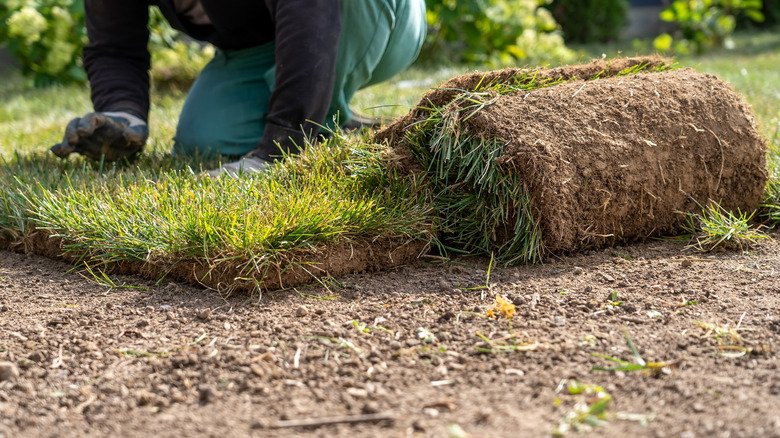
Imagine stepping onto your lawn and feeling the vibrant, lush grass beneath your feet. That’s the dream, right?
If you’ve recently laid sod, you’re already on your way to achieving that perfect green oasis. But to make sure your sod takes root and thrives, there’s one critical step you can’t skip: rolling it. It might sound simple, but doing it right makes all the difference.
You’re about to discover how to roll your newly laid sod like a pro, ensuring your lawn becomes the envy of the neighborhood. Ready to unlock the secrets to a flawless lawn? Let’s dive into the steps that will transform your yard into a stunning masterpiece.
Benefits Of Rolling Sod
Rolling sod after laying it helps the grass grow better and stronger. It improves how the sod touches the soil below.
Rolling also reduces air pockets and helps roots grow well. These benefits make your lawn healthier and last longer.
Improved Soil Contact
Rolling pushes the sod firmly against the soil. This close contact helps the grass absorb water and nutrients easier.
Good soil contact also reduces the chance of the sod drying out or moving away from the ground.
Reduced Air Pockets
Air pockets under the sod can stop roots from growing well. Rolling removes these pockets by pressing the sod down.
- Prevents dry spots in the lawn
- Stops roots from drying out
- Helps even watering across the sod
Enhanced Root Growth
Rolling helps roots grow deeper and spread out. This makes the grass stronger and better at staying green.
| Root Growth Benefit | Effect |
|---|---|
| Deeper roots | More water access |
| Wider roots | Stronger grass hold |
| Better soil contact | Improved nutrient uptake |
When To Roll Sod
Rolling sod helps it make good contact with the soil. It removes air pockets under the sod pieces. This step improves root growth and sod health.
Knowing the right time to roll sod can save you from problems later. Rolling too early or too late can harm the sod’s roots.
Ideal Timing After Installation
Roll the sod right after laying it down. The soil should be moist but not muddy. This helps the sod stick well to the ground.
- Lay the sod pieces tightly together.
- Water the sod lightly before rolling.
- Use a roller to press the sod evenly.
- Water again after rolling to settle the sod.
Weather Considerations
| Weather Condition | Rolling Advice |
|---|---|
| Dry, Sunny Days | Roll early to keep sod moist; water well after rolling. |
| Wet or Rainy Days | Wait until ground is firm; avoid rolling if soil is muddy. |
| Cold Weather | Roll quickly after installation to reduce frost damage risk. |
| Hot Weather | Roll in the morning or evening; avoid midday heat. |
Choosing The Right Roller
Rolling newly laid sod helps to press it firmly into the soil. This step removes air pockets and improves root contact. Choosing the right roller makes this process easier and more effective.
Different rollers work best for different lawn sizes and soil types. Knowing the types and the factors like size and weight can help you pick the best one for your lawn.
Types Of Lawn Rollers
Lawn rollers come in several types. The most common ones include water-filled, drum, and hand rollers. Each type has its own benefits for sod installation.
- Water-Filled Rollers:These are lightweight when empty and easy to move. You fill them with water to add weight for rolling.
- Drum Rollers:Made of heavy metal drums. They provide strong pressure and work well on larger lawns.
- Hand Rollers:Smaller and manually pushed. Good for small areas and tight spots.
Size And Weight Factors
The size and weight of the roller affect how well it presses the sod. You want enough weight to press the sod down but not so much that it damages the roots.
| Roller Size | Recommended Lawn Size | Weight Range |
|---|---|---|
| Small (12-18 inches) | Small lawns or patches | 20-40 pounds |
| Medium (18-24 inches) | Medium lawns | 40-80 pounds |
| Large (24-36 inches) | Large lawns or commercial use | 80-150+ pounds |
Credit: crystelmontenegrohome.com
Step-by-step Rolling Process
Rolling newly laid sod helps it settle well into the soil. It improves root contact and reduces air pockets.
Follow the right steps to roll your sod carefully. This ensures a healthy, even lawn.
Preparing The Lawn
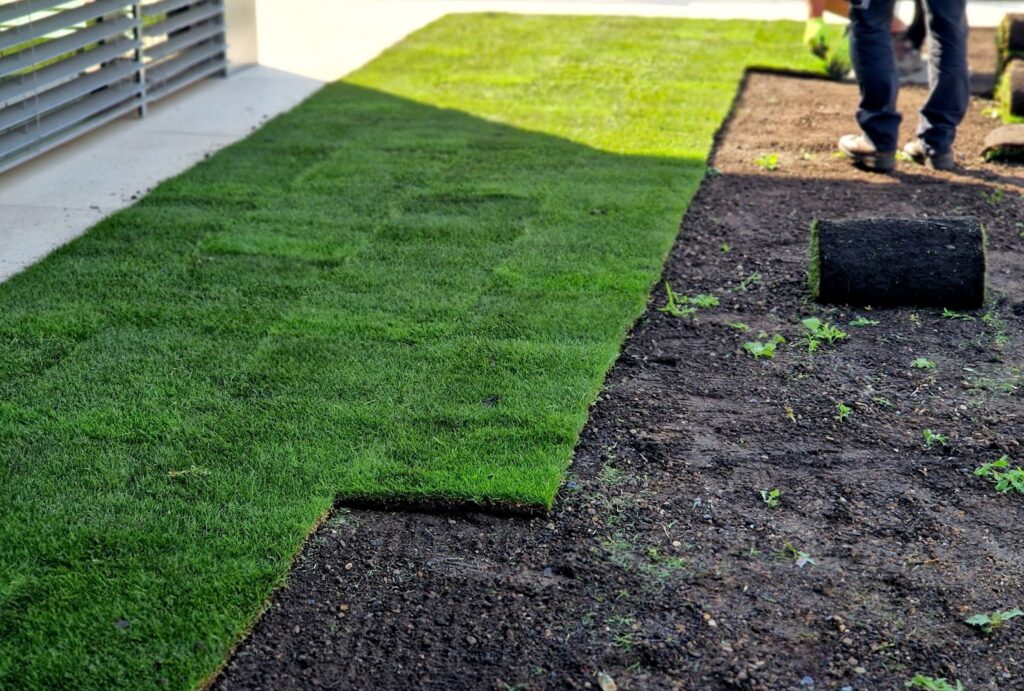
Before rolling, make sure the soil is level and moist. Remove any rocks or debris that could damage the sod.
- Clear the area of sticks, stones, and trash
- Water the soil lightly to make it damp but not soggy
- Level uneven spots with a rake or shovel
- Lay the sod tightly without gaps
Rolling Techniques
Use a lawn roller to press the sod evenly. Roll in one direction first, then cross-roll for best contact.
- Fill the roller with water for extra weight
- Start at one corner of the lawn
- Roll slowly in straight lines across the sod
- Make a second pass rolling perpendicular to the first
- Avoid rolling too hard to prevent damaging roots
Post-rolling Care
| Task | Time | Details |
|---|---|---|
| Watering | Immediately after rolling | Keep soil moist but not flooded |
| Avoid Foot Traffic | First 2 weeks | Prevent damage to new roots |
| Check for Gaps | Weekly | Fill any spaces with soil or additional sod |
| Mowing | After 2-3 weeks | Cut when grass reaches 3 inches tall |
Common Mistakes To Avoid
Rolling newly laid sod helps the roots make good contact with the soil. Doing it right improves the lawn’s growth and health. Avoid these common mistakes to get the best results.
Knowing when and how to roll sod can save you time and money. The wrong steps can harm your new grass instead of helping it.
Rolling Too Early Or Late
Rolling sod too soon can damage the roots before they settle in. Waiting too long lets air pockets stay under the sod. Both hurt root growth.
Roll the sod after laying it but before watering. This timing helps press the sod firmly against the soil for better root contact.
Overweight Rolling
Using a roller that is too heavy can crush the sod and soil. This blocks air and water from reaching the roots. The sod may die or grow poorly.
Choose a roller that is light to medium weight. It should press the sod down gently without causing damage.
Ignoring Soil Moisture
Rolling sod on dry soil does not help roots grow well. Dry soil can cause the sod to lift or dry out. Wet soil that is too soggy can get compacted.
Check soil moisture before rolling. The soil should feel damp but not muddy. This balance helps the sod settle and roots grow fast.
Credit: www.monarchsod.com
Maintaining Your Rolled Lawn
Rolling newly laid sod helps it settle into the soil. Proper care after rolling keeps your lawn healthy and green.
Follow good watering, mowing, and fertilizing practices to help grass grow strong and look great.
Watering Tips
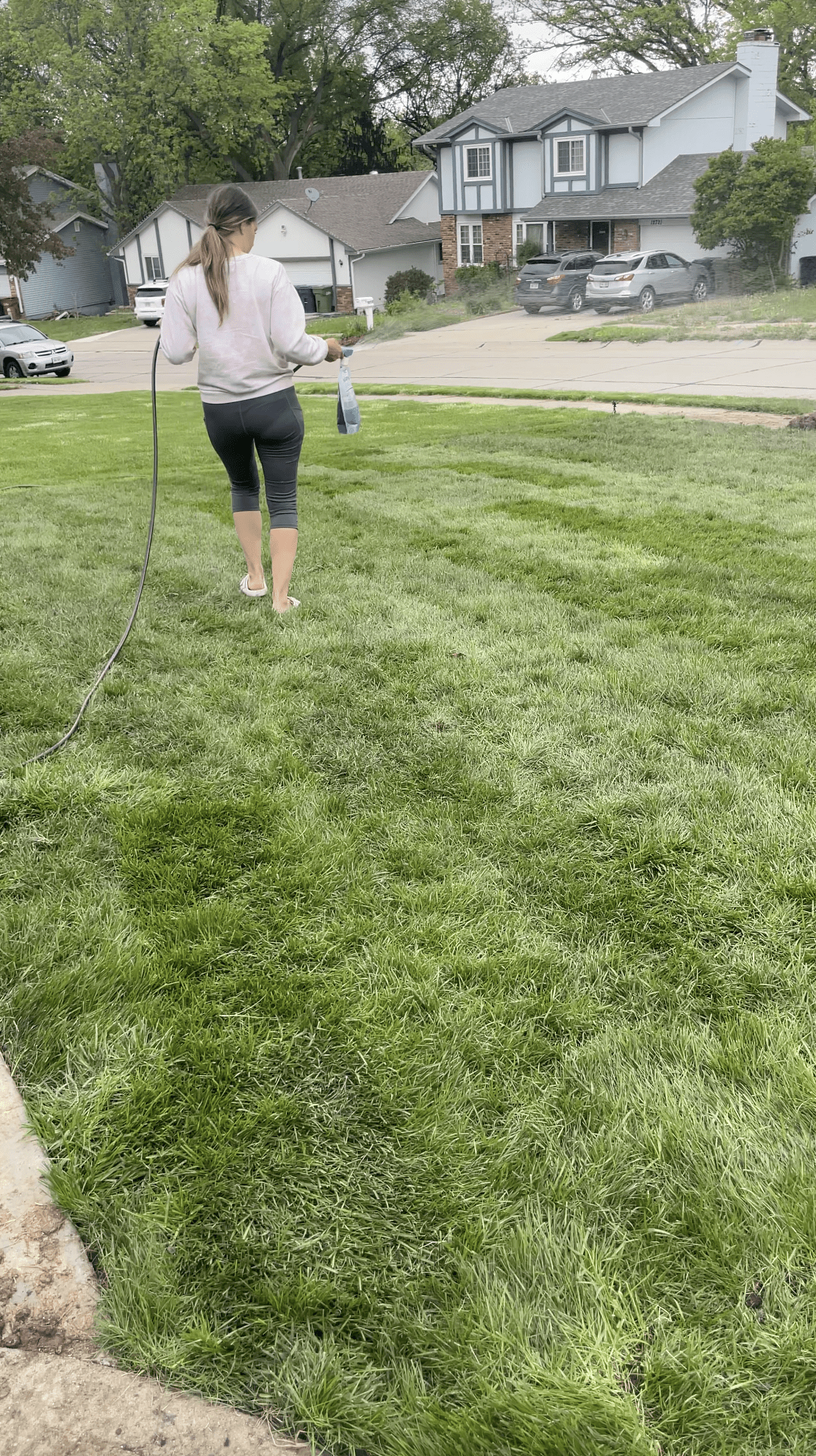
Water your sod right after rolling. Keep the soil moist but not soaked. Water deeply to reach the roots.
Reduce watering as the grass grows. Early morning is the best time to water your lawn.
- Water daily for the first two weeks
- Switch to watering every other day after two weeks
- Water 1 to 1.5 inches per week once established
- Avoid watering in the evening to prevent disease
Mowing Guidelines
Wait until your sod roots well before mowing. Usually, this takes about two to three weeks after rolling.
Set your mower blades high at first. Cut no more than one-third of the grass height each time.
- Keep mower blades sharp for clean cuts
- Avoid mowing wet grass to reduce damage
- Lower the mowing height gradually over weeks
- Remove clippings if thick or heavy
Fertilizing Schedule
Fertilize your lawn about four to six weeks after rolling the sod. Use a balanced fertilizer for best results.
Follow a regular feeding schedule to keep your grass healthy and green all season long.
- Apply fertilizer 4-6 weeks after laying sod
- Use a slow-release, balanced fertilizer
- Feed every 6 to 8 weeks during growing season
- Water after fertilizing to help nutrients soak in
Credit: www.monarchsod.com
Frequently Asked Questions
How Soon Should I Roll Newly Laid Sod?
Roll newly laid sod immediately after installation. This ensures good soil contact and prevents air pockets. Rolling helps sod roots establish quickly and promotes even moisture absorption.
What Type Of Roller Is Best For Sod?
Use a lightweight lawn roller filled halfway with water. This provides enough pressure to secure sod without damaging it. Avoid heavy rollers that can compact soil and hinder root growth.
Should I Roll Sod When The Ground Is Wet?
Avoid rolling sod on overly wet ground. Excess moisture can compact soil and suffocate roots. Wait until the soil is moist but not saturated for the best results.
How Often Should I Water Sod After Rolling?
Water sod daily for the first two weeks. Keep soil consistently moist to help roots establish. Reduce watering gradually as sod matures and roots grow deeper.
Conclusion
Rolling newly laid sod helps it settle firmly on the soil. This step improves root contact and reduces air pockets. A smooth, even roll also prevents dry spots and uneven growth. Remember to roll soon after laying the sod for best results.
Keep the sod moist and avoid heavy traffic for a few weeks. These simple steps help your lawn grow healthy and strong. Your effort will pay off with a lush, green yard to enjoy.

