
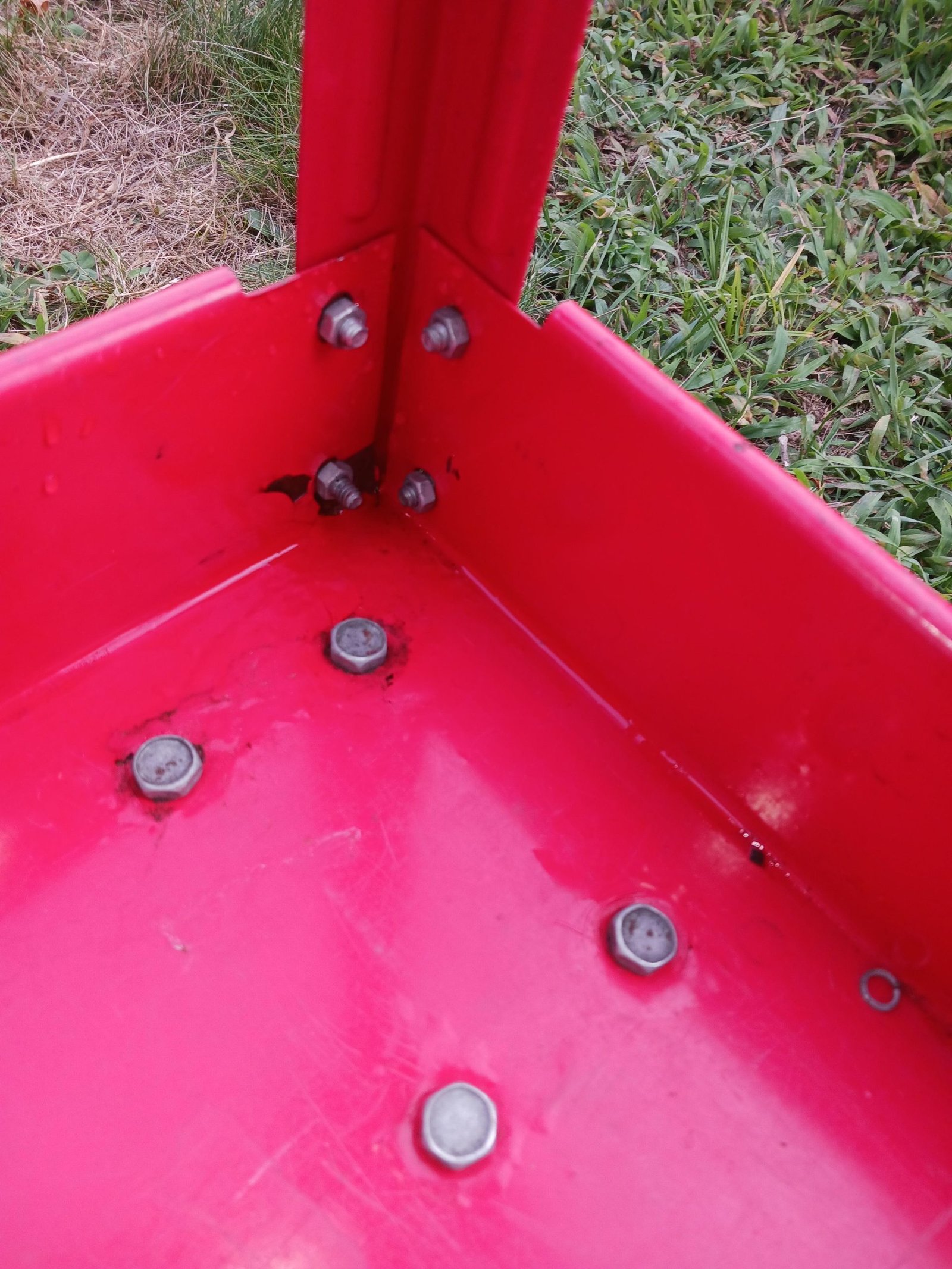
Are you tired of seeing your trusty garden cart succumb to unsightly rust? You invest time and effort into your garden, and the last thing you want is your equipment deteriorating before your eyes.
Rust doesn’t just affect the look of your cart; it can also weaken its structure and shorten its lifespan. But don’t worry, you’re not alone, and there’s a solution. This guide is here to help you discover simple yet effective strategies to keep your garden cart rust-free.
Stick with us, and you’ll learn how to protect your investment and keep your gardening tools in top shape for years to come. Ready to give your garden cart the care it deserves? Let’s dive in!
Credit: www.donedeal.ie
Causes Of Rust On Garden Carts
Rust can damage your garden cart and shorten its life. Knowing what causes rust helps you protect your cart better.
Many factors lead to rust, especially in outdoor tools like garden carts. Moisture and damage play big roles.
Exposure To Moisture
Water from rain, dew, or wet soil stays on metal parts. This causes rust over time. Moisture reacts with metal, making it corrode and weaken.
Leaving your cart outside without cover makes it wet often. High humidity also speeds up rust formation. Rust starts where water sits longest.
Scratches And Paint Damage
Paint protects metal from moisture. Scratches or chips remove this layer. When paint breaks, metal is open to air and water. This leads to rust spots.
- Scratches from heavy loads or sharp tools
- Paint peeling caused by sunlight or chemicals
- Damage from dropping or bumping the cart
Poor Storage Conditions
| Storage Condition | Effect on Garden Cart |
|---|---|
| Outdoor, uncovered | Constant moisture, faster rust |
| Damp garage or shed | High humidity, slow paint damage |
| Near chemicals or fertilizers | Corrosive environment, paint breakdown |
| On wet ground | Water contact with wheels and base |
Good storage keeps your cart dry and safe. Avoid places where moisture or chemicals can reach the metal parts.
Choosing Rust-resistant Materials
Rust can damage garden carts and shorten their life. Picking rust-resistant materials helps your cart last longer. Some materials resist rust better than others.
This guide covers popular rust-resistant materials for garden carts. Knowing the options helps you make a smart choice.
Galvanized Steel Carts
Galvanized steel has a coating that stops rust from forming. It uses zinc to protect the metal underneath. This makes it a strong choice for garden carts.
- Offers good protection against rust and corrosion
- Stronger than many other rust-resistant materials
- Needs regular cleaning to keep the coating intact
- Can be heavier compared to aluminum or plastic carts
Aluminum And Plastic Options
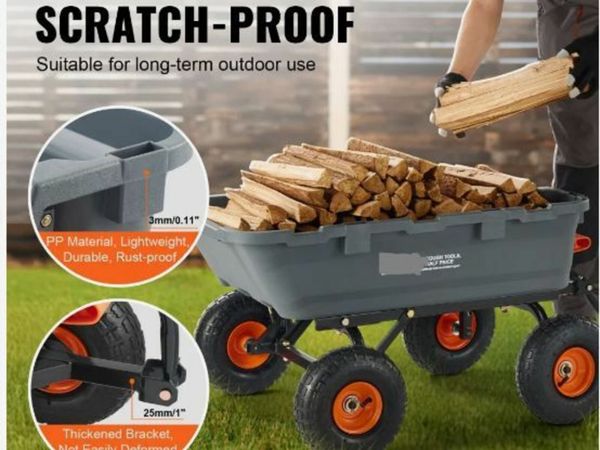
Aluminum and plastic do not rust like steel. They are lighter and easy to move around in the garden.
| Material | Rust Resistance | Weight | Durability |
| Aluminum | High | Light | Moderate to High |
| Plastic | Very High | Very Light | Moderate |
Regular Cleaning And Maintenance
Keeping your garden cart clean helps prevent rust and extends its life. Dirt and moisture cause metal to corrode faster. Regular care stops damage before it starts.
Focus on removing dirt and drying the cart after use. These simple steps protect the metal and keep your cart working well.
Removing Dirt And Debris
After using the garden cart, clear away all dirt and debris. Soil and plant material hold moisture, which can lead to rust. Clean the cart promptly for best results.
- Use a stiff brush to scrub off mud and grass.
- Wash the cart with water and mild soap.
- Rinse thoroughly to remove soap residue.
- Check corners and joints for trapped dirt.
- Clean the wheels and axles as well.
Drying After Use
Moisture left on the cart causes rust spots to form. Dry the cart completely after cleaning or rain. Use a cloth or let it air dry in the sun.
| Drying Method | Details |
| Wipe with Cloth | Use a dry towel to remove water from all surfaces |
| Air Dry | Leave the cart in sunlight for at least 30 minutes |
| Use Compressed Air | Blow out water from tight spots like wheels and joints |
| Store in Dry Place | Keep the cart indoors or under cover to avoid moisture |

Credit: www.reddit.com
Protective Coatings And Treatments
Rust can damage your garden cart and shorten its life. Applying protective coatings helps stop rust from forming. These coatings create a barrier against moisture and air.
Using the right treatment keeps your cart strong and looking good. It also saves money on repairs and replacements later.
Applying Rust-resistant Paint
Rust-resistant paint shields metal surfaces from water and oxygen. It stops rust before it starts by sealing the metal completely. Always clean and dry the cart before painting.
Use a brush or spray paint designed for metal. Apply two or more thin coats for better coverage. Let each coat dry before applying the next one.
- Remove dirt and old rust with sandpaper
- Use a primer made for metal surfaces
- Choose paint labeled “rust-resistant” or “rust-proof”
- Apply paint in a well-ventilated area
- Allow proper drying time between coats
Using Sealants And Sprays
Sealants and sprays add an extra layer of protection to your garden cart. They block moisture and stop rust from spreading. These products are easy to apply and dry quickly.
Sprays reach small areas and crevices that paint might miss. Sealants provide a thick, clear coat that protects the metal without changing its look.
- Clean the cart thoroughly before application
- Use rust-inhibitor sprays for hard-to-reach spots
- Apply sealants evenly for full coverage
- Reapply every few months for ongoing protection
- Follow the instructions on the product label
Proper Storage Techniques
Rust can damage your garden cart and shorten its life. Proper storage helps keep it dry and safe. Storing your cart correctly stops water and moisture from causing rust.
Using the right storage place and protection makes a big difference. This guide explains good storage options to avoid rust on your garden cart.
Indoor Vs Outdoor Storage
Keeping your garden cart indoors is the best way to avoid rust. Indoor spaces protect it from rain, snow, and humidity. A garage, shed, or basement works well.
Outdoor storage exposes your cart to weather changes. Moisture from rain or dew can cause rust fast. If you must store it outside, choose a dry spot away from direct rain.
- Indoor storage keeps the cart dry and safe
- Outdoor storage risks water and moisture damage
- Pick a dry, shaded spot if outside is the only option
- Regularly check outdoor carts for signs of rust
Using Covers And Shelters
Covers help protect your garden cart from water and dirt. Use waterproof covers made for outdoor equipment. Make sure the cover fits well and allows air to flow.
Shelters like small canopies or lean-tos provide extra protection. They block rain and sun while keeping the cart ventilated. A good shelter reduces moisture buildup and rust risk.
- Waterproof covers keep rain and dirt off
- Well-fitted covers prevent moisture buildup
- Shelters protect from sun and rain
- Good airflow stops mold and rust
Credit: medium.com
Quick Rust Repair Methods
Rust on your garden cart can cause damage and reduce its life. Fixing rust quickly helps protect the metal and keeps the cart strong.
This guide shows simple ways to repair rust fast. These methods use easy steps anyone can follow at home.
Sanding And Priming
Start by sanding the rusty area to remove loose rust and smooth the surface. Use medium-grit sandpaper for best results.
After sanding, apply a rust-inhibiting primer. This stops rust from coming back and helps paint stick better.
- Use sandpaper or a wire brush to clean rust
- Wipe dust off with a cloth
- Apply a thin, even coat of rust primer
- Let the primer dry completely before painting
Touch-up Painting
After priming, paint the area with a matching outdoor metal paint. This seals the surface and protects it from moisture.
Use small brushes for touch-ups. Apply paint in thin layers and let each layer dry before adding the next.
- Choose paint made for metal and outdoor use
- Apply thin coats to avoid drips
- Allow paint to dry fully between coats
- Check for missed spots and repaint if needed
Frequently Asked Questions
How Can I Prevent Rust On My Garden Cart?
Regularly clean and dry your garden cart after use. Apply a rust-resistant paint or protective coating. Store it in a dry, covered area to avoid moisture exposure. These steps significantly reduce rust formation and prolong your cart’s life.
What Materials Resist Rust On Garden Carts?
Garden carts made from aluminum, stainless steel, or galvanized steel resist rust. These materials naturally prevent oxidation. Choosing a cart with rust-resistant materials reduces maintenance and ensures durability in outdoor conditions.
How Often Should I Inspect My Garden Cart For Rust?
Inspect your garden cart every month during active use. Look for scratches, paint chips, and early rust spots. Promptly treat any damage to prevent rust from spreading and compromising the cart’s structure.
Is Rust Prevention Spray Effective For Garden Carts?
Yes, rust prevention sprays form a protective barrier against moisture. Apply spray after cleaning and drying the cart. Reapply regularly, especially before wet seasons, to maintain optimal protection and extend the cart’s usability.
Conclusion
Rust can damage your garden cart and make it weak. Clean your cart regularly to keep dirt and moisture away. Use a protective cover when not in use. Apply rust-resistant paint or spray to protect the metal parts. Store the cart in a dry place to avoid water damage.
Taking small steps can help your cart last longer. Keep it strong and ready for your garden work. A little care goes a long way. Your garden cart will stay useful and look good.

