
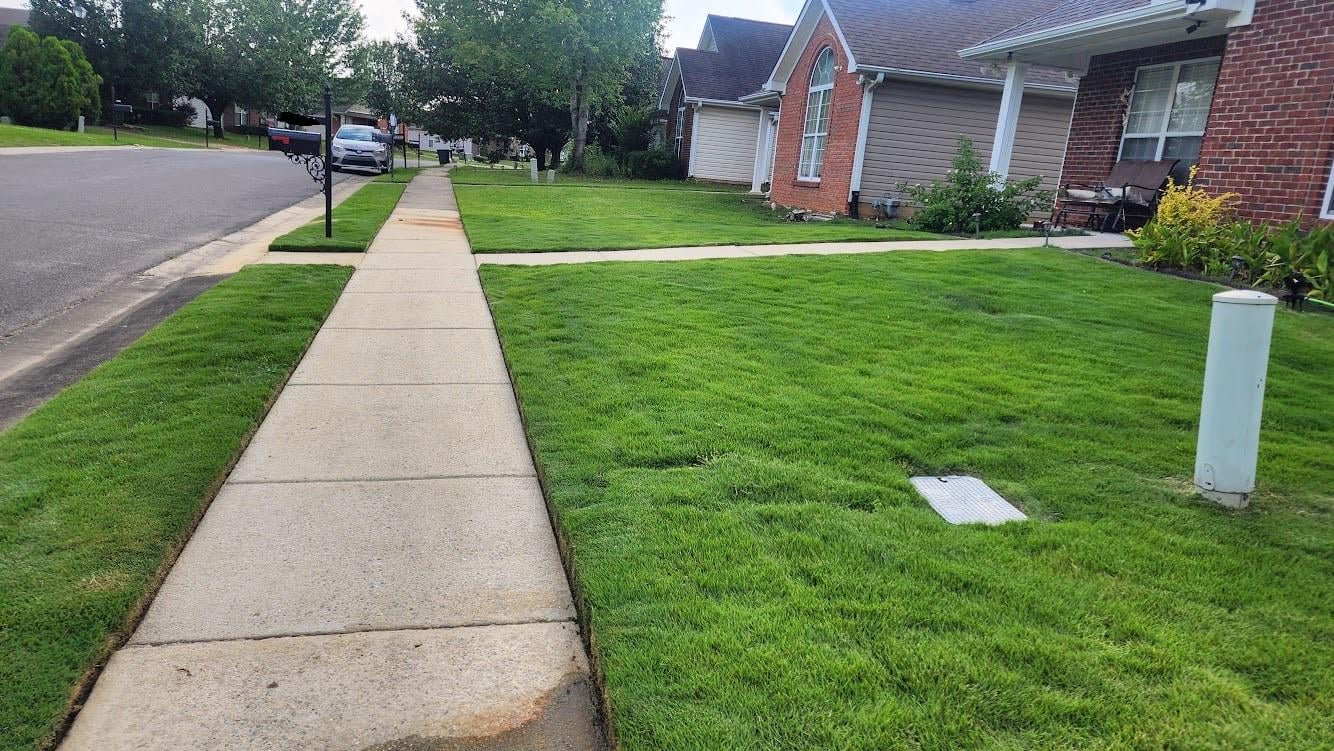
Are you wondering how often you should edge your lawn to keep it looking its best? You’re not alone.
Many homeowners struggle to find the perfect balance between too often and not enough. An unkempt lawn can make your outdoor space look messy, while overdoing it can harm your grass and take up too much of your time. You’ll discover the ideal frequency for edging your lawn, ensuring it stays neat and healthy without unnecessary effort.
By the end, you’ll have the confidence to maintain a pristine lawn that boosts your home’s curb appeal and brings you a sense of pride every time you step outside.

Credit: www.reddit.com
Why Lawn Edging Matters
Lawn edging gives your yard a clean and neat look. It defines the borders between grass and other areas.
Edging also helps keep your garden healthy and easy to maintain. It stops grass from spreading where you don’t want it.
Enhancing Curb Appeal
Well-edged lawns look sharp and tidy. This makes your home more attractive to visitors and neighbors.
- Creates clear borders for a polished look
- Highlights flower beds and walkways
- Improves overall yard design and layout
Preventing Grass Overgrowth
Lawn edging stops grass from growing into unwanted areas. This helps keep paths and garden beds clear.
| Benefit | Details |
| Control | Limits grass spread beyond lawn borders |
| Maintenance | Makes mowing and trimming easier |
| Health | Prevents grass from crowding other plants |
Protecting Garden Beds
Edging forms a barrier that keeps mulch and soil in place. It stops grass roots from invading flower beds.
- Maintains soil moisture by keeping mulch contained
- Reduces weed growth by separating beds from lawn
- Keeps garden beds looking well-defined and cared for

Credit: www.reddit.com
Factors Influencing Edging Frequency
Edging your lawn keeps it looking neat and well-maintained. The frequency of edging depends on several factors. These factors affect how fast the edges grow and how often they need trimming.
Knowing what influences edging can help you plan the right schedule for your lawn care. Below are key factors that affect how often you should edge your lawn.
Grass Type And Growth Rate
Different grass types grow at different speeds. Warm-season grasses grow faster in summer and slower in winter. Cool-season grasses grow quickly in spring and fall. Fast-growing grass needs more frequent edging to keep edges clean.
- Warm-season grasses: Bermuda, Zoysia, St. Augustine
- Cool-season grasses: Kentucky Bluegrass, Fescue, Ryegrass
Climate And Seasonal Changes
Climate and seasons affect grass growth. In rainy seasons, grass grows faster and requires more edging. Dry or cold seasons slow growth, so edging can be less frequent. Adjust your edging schedule based on weather patterns.
| Season | Growth Rate | Edging Frequency |
| Spring | High | Weekly to biweekly |
| Summer | Medium to High | Biweekly |
| Fall | Medium | Biweekly to monthly |
| Winter | Low | Monthly or less |
Lawn Usage And Traffic
The amount of use and foot traffic impacts edging needs. Lawns with heavy use may need edging more often to keep edges tidy. Areas with less traffic can have longer gaps between edging sessions.
Consider these points for lawn usage:
- High traffic: Edging every 1-2 weeks
- Moderate traffic: Edging every 2-3 weeks
- Low traffic: Edging every 3-4 weeks
Recommended Edging Schedules
Edging your lawn keeps it neat and tidy. It also helps prevent grass from spreading into unwanted areas. Knowing how often to edge depends on your lawn’s needs.
This guide explains common edging schedules. You will learn the benefits of weekly, biweekly, and monthly edging. Seasonal changes also affect how often you should edge.
Weekly Edging Benefits
Edging weekly keeps your lawn looking sharp all the time. It stops grass from growing over sidewalks and flower beds quickly. This schedule works well for busy yards.
- Maintains clean lines around paths and driveways
- Prevents grass from invading garden beds
- Reduces the need for heavy trimming later
- Helps spot weeds and pests early
Biweekly And Monthly Options
Edging every two or four weeks saves time. This works well for lawns that grow slower or have less foot traffic. It still keeps edges neat but with less effort.
| Schedule | Best For | Benefits |
| Biweekly | Moderate growth lawns | Balanced care, less frequent work |
| Monthly | Slow growing or drought-tolerant lawns | Minimal maintenance, saves time |
Adjusting For Seasonal Needs
Lawn growth changes with the seasons. You should edge more often in spring and summer. In fall and winter, reduce edging frequency to avoid stressing the grass.
Seasonal Edging Tips:
- Spring:Edge weekly to manage fast growth.
- Summer:Maintain weekly or biweekly edging.
- Fall:Edge biweekly to prepare for dormancy.
- Winter:Edge monthly or as needed.
Best Tools For Lawn Edging
Edging your lawn keeps it neat and healthy. The right tools make the job easier and faster.
This guide covers manual edgers, powered tools, and how to keep them safe and well maintained.
Manual Edgers
Manual edgers use physical effort to cut grass edges. They are simple and affordable.
- Half-moon edger: A curved blade to slice soil edges.
- Spade or shovel: Used for rough or deep edging.
- Hand shears: Good for small or delicate areas.
Powered Edging Tools
Powered tools save time and reduce work. They come in electric, battery, or gas versions.
| Tool | Power Source | Best Use |
| String trimmer | Electric or gas | Light edging and trimming |
| Walk-behind edger | Gas or battery | Long straight edges |
| Oscillating blade edger | Electric | Precise, clean cuts |
Maintenance And Safety Tips
Keep tools sharp and clean. Wear gloves and eye protection during use.
- Clean blades after each use to prevent rust.
- Sharpen edges for better cutting.
- Check power cords or batteries before starting.
- Wear sturdy shoes and long pants.
- Keep bystanders at a safe distance.
Common Edging Mistakes To Avoid
Edging your lawn keeps it neat and tidy. But some common mistakes can harm your grass and soil.
Knowing what to avoid helps your lawn stay healthy and look its best all year.
Cutting Too Deep
Cutting the edges of your lawn too deep can damage grass roots. It also makes the edge look uneven.
Keep your cuts shallow and steady to protect your lawn’s health and appearance.
Ignoring Soil Health
Soil health is important for strong grass roots. Edging without checking soil can lead to poor growth.
- Test soil pH to ensure it suits your grass type
- Add compost or organic matter to improve soil quality
- Avoid compacting soil near edges by walking on it
- Water the soil to keep it moist but not soggy
Over-edging Risks
| Risk | Effect |
|---|---|
| Frequent edging | Weakens grass and causes stress |
| Removing too much soil | Exposes roots and dries out lawn |
| Damaging nearby plants | Hurts garden beds and flower borders |
Limit edging to once every one to two weeks to avoid these problems.
Credit: www.landscapingnetwork.com
Tips For Maintaining Perfect Borders
Edging your lawn keeps it looking clean and neat. It helps stop grass from growing into flower beds or walkways. Regular edging gives your yard a polished look.
Knowing how often to edge and how to care for the borders helps your lawn stay healthy. Use the right tools and techniques for the best results.
Regular Trimming Techniques
Trim your lawn edges every one to two weeks during the growing season. Use a string trimmer or an edging tool to create sharp lines. Avoid cutting too deep to protect grass roots.
- Trim edges after mowing the lawn
- Cut along sidewalks, driveways, and flower beds
- Remove grass clippings from borders
- Use gloves and safety glasses during trimming
Using Mulch And Borders
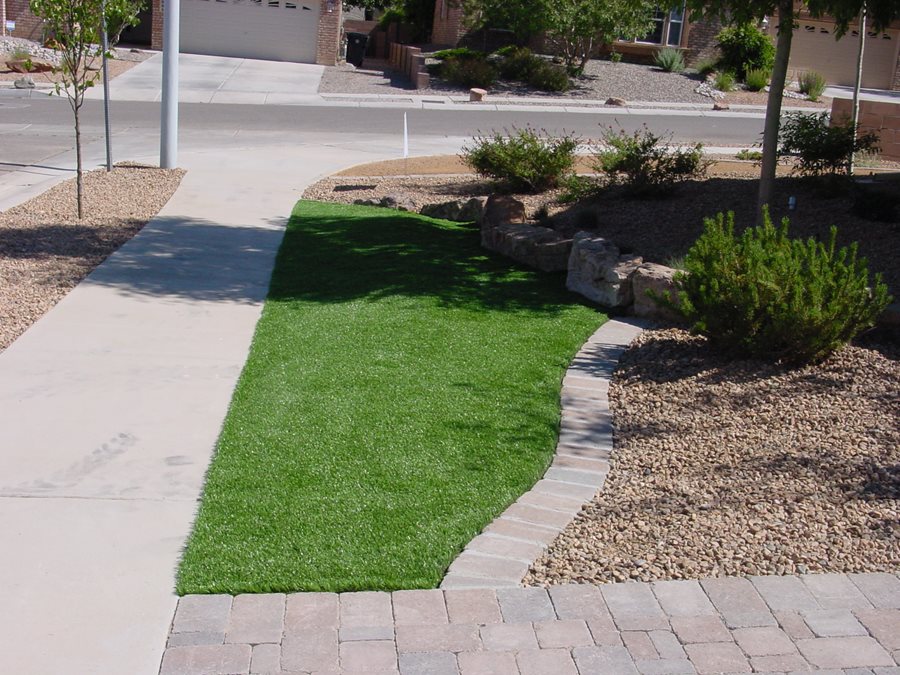
Mulch helps define borders and reduces weed growth. Adding physical borders like stones or plastic edging keeps mulch and soil in place.
| Border Type | Benefits | Maintenance Tips |
| Stone Edging | Durable and natural look | Check for loose stones yearly |
| Plastic Edging | Easy to install and flexible | Replace broken sections |
| Mulch | Improves soil and stops weeds | Replenish mulch every 6 months |
Watering And Fertilizing Strategies
Water the lawn edges deeply but less often to encourage strong roots. Use fertilizer suited for your grass type to keep borders green.
- Water early in the morning to reduce evaporation
- Apply fertilizer in spring and fall
- Use a spreader for even fertilizer distribution
- Avoid overwatering to prevent fungus
Frequently Asked Questions
How Often Should I Edge My Lawn In Spring?
Edge your lawn every 1 to 2 weeks in spring. This keeps clean boundaries and promotes healthy grass growth. Frequent edging prevents overgrowth and enhances lawn appearance.
Does Edging Affect Lawn Health?
Yes, edging improves lawn health by preventing grass from invading flower beds. It also reduces weed growth and soil erosion near edges. Proper edging boosts lawn maintenance and visual appeal.
What Tools Are Best For Lawn Edging?
Use manual or powered edgers for clean, precise edges. Manual tools suit small yards, while powered edgers handle larger areas quickly. Choose based on yard size and your comfort level.
Can Over-edging Harm My Lawn?
Over-edging can stress grass roots and cause damage. Limit edging to every 1-2 weeks to avoid cutting too deep. Proper technique preserves lawn health and appearance.
Conclusion
Edging your lawn keeps it neat and healthy. Aim to edge every one to two weeks during growing seasons. This prevents grass from spreading into unwanted areas. Regular edging also improves your lawn’s appearance. Remember to adjust edging frequency based on your grass type and weather.
Small efforts make a big difference in lawn care. Stay consistent, and your yard will look its best year-round. Simple steps lead to a cleaner, sharper lawn edge. Keep it easy and enjoy the results.

