
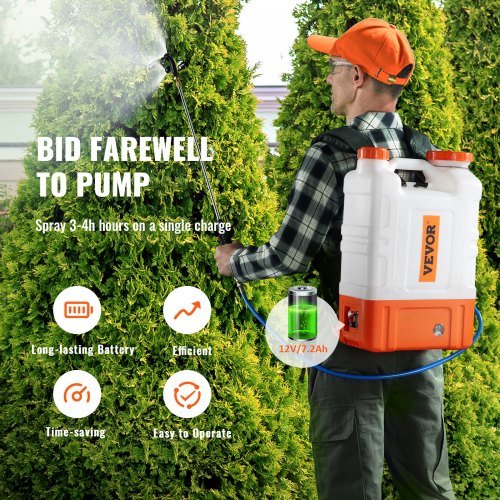
Are you tired of constantly replacing your backpack sprayer? You’re not alone.
Many people wonder just how long these handy tools should last. Investing in a backpack sprayer can be a significant decision, especially if you’re using it for maintaining your garden, farm, or lawn. You want to make sure you’re getting the most bang for your buck.
But how do you know if your sprayer is on its last leg or still has years of service ahead? Understanding the lifespan of a backpack sprayer can save you time, money, and frustration. Dive into our article to discover the key factors that influence the longevity of these essential devices, and learn how to extend the life of your sprayer, ensuring it serves you well for years to come. Your garden will thank you!
Backpack Sprayer Basics
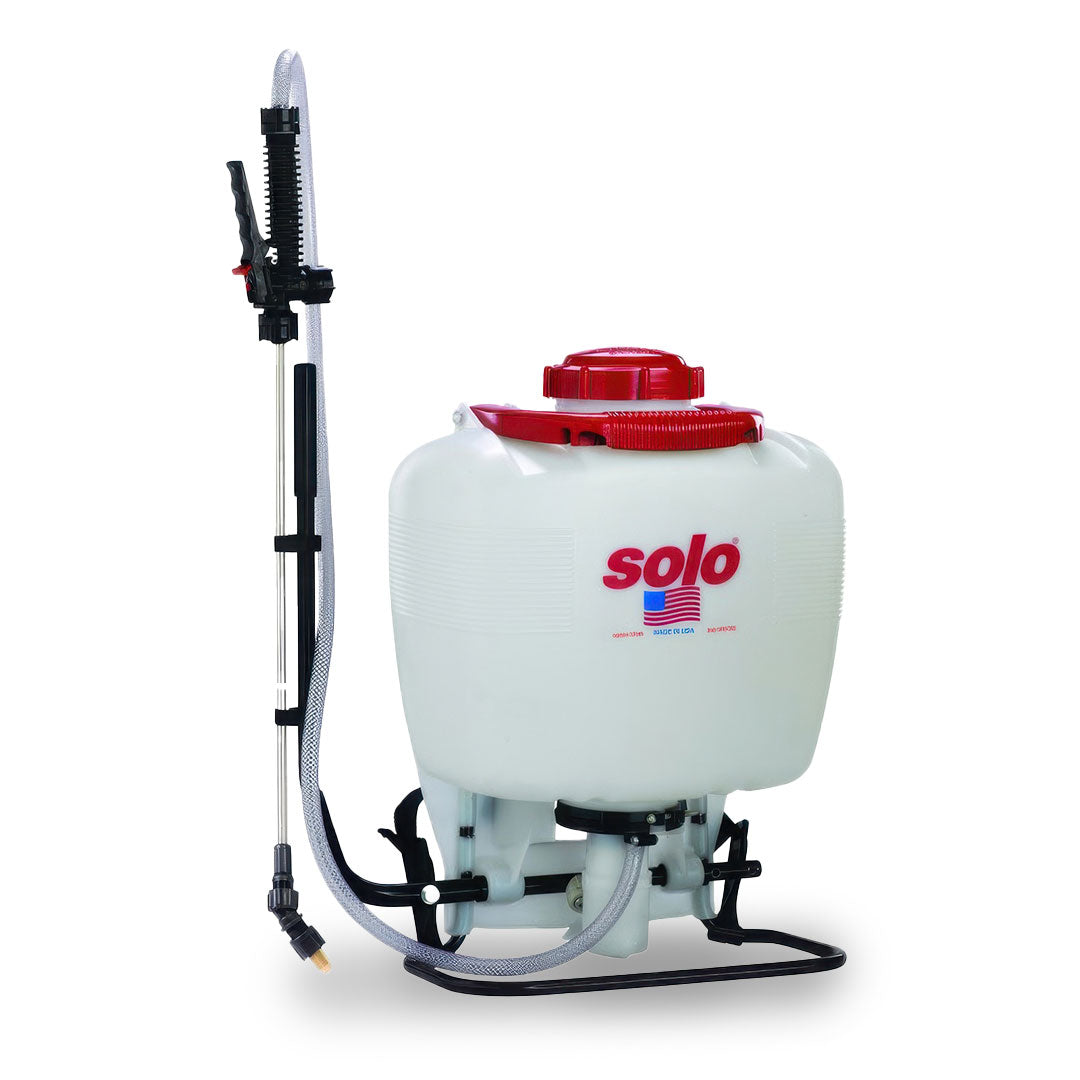
A backpack sprayer is a portable tool used to apply liquids. It helps spread pesticides, herbicides, or fertilizers on plants.
These sprayers come in different types and have many uses. Knowing their basics helps you pick the right one and use it well.
Types Of Backpack Sprayers
Backpack sprayers vary by how they pump and spray. Each type fits different tasks and user needs.
- Manual Sprayers:You pump them by hand. They are simple and low cost.
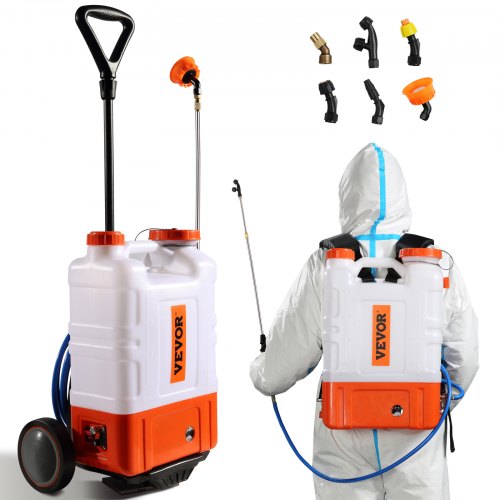
- Battery-Powered Sprayers:Use a battery to pump liquid. They save effort and spray evenly.
- Gas-Powered Sprayers:Use a small engine for heavy-duty work. They cover large areas fast.
- Compression Sprayers:Build pressure inside the tank to spray. Common for garden use.
Common Uses And Applications
Backpack sprayers serve many roles in farming, gardening, and cleaning. They help apply liquids safely and precisely.
| Application | Description |
| Pest Control | Spray insecticides to protect plants from insects. |
| Weed Management | Apply herbicides to kill unwanted plants. |
| Fertilizing | Distribute liquid fertilizer to boost plant growth. |
| Cleaning | Use disinfectants or cleaners on outdoor surfaces. |
| Watering | Spray water on plants in small areas or containers. |
Credit: tlhort.com
Factors Affecting Lifespan
The lifespan of a backpack sprayer depends on many factors. These factors affect how long the sprayer works well and stays reliable.
Knowing what influences the sprayer’s life helps you take better care of it and avoid early damage.
Material Quality
The materials used to build a backpack sprayer play a big role in how long it lasts. Strong plastics and metals resist wear and corrosion better. Low-quality materials break or crack faster.
| Material | Durability | Resistance to Chemicals |
| High-Density Polyethylene (HDPE) | High | Good |
| Stainless Steel | Very High | Excellent |
| Low-Grade Plastic | Low | Poor |
| Aluminum | Medium | Moderate |
Frequency Of Use
How often you use the sprayer changes how long it lasts. Heavy use wears out parts faster. Occasional use helps the sprayer last longer but still needs care.
- Daily use may require more frequent repairs.
- Weekly use can extend the sprayer’s life.
- Rare use still needs proper maintenance.
Maintenance Practices
Regular cleaning and checking parts keep the sprayer working well. Neglecting maintenance causes clogs, leaks, and damage to seals and pumps.
- Rinse the tank after every use.
- Inspect hoses and nozzles for cracks.
- Lubricate moving parts as needed.
- Replace worn or damaged parts quickly.
Storage Conditions
Where and how you store the backpack sprayer affects its lifespan. Keeping it in a dry, shaded place protects it from damage.
| Storage Condition | Effect on Sprayer |
| Dry and cool place | Prevents rust and material decay |
| Exposed to sunlight | Causes plastic parts to weaken |
| Left wet or dirty | Leads to rust and clogs |
| Stored with chemicals inside | Can damage seals and tank |
Average Lifespan Estimates
Backpack sprayers vary in how long they last. Their lifespan depends on build quality and use. Knowing the average lifespan helps in planning replacements.
This guide breaks down the average lifespan of different backpack sprayer types. It covers entry-level models, mid-range options, and professional-grade sprayers.
Entry-level Models
Entry-level backpack sprayers usually cost less and are made with basic materials. They work well for light, occasional use in small gardens or yards.
- Average lifespan is about 1 to 3 years.
- Plastic tanks may crack over time.
- Seals and hoses can wear out quickly.
- Parts may be harder to replace.
Mid-range Options
Mid-range sprayers use stronger materials and better parts. They suit regular use for home gardens or small farms. These models balance cost and durability.
| Feature | Expected Lifespan |
| Tank Material | High-density polyethylene or similar |
| Pump Type | Manual or low-pressure piston |
| Average Lifespan | 3 to 5 years |
| Maintenance Needs | Regular cleaning and seal replacement |
Professional-grade Sprayers
Professional-grade sprayers are built to last and handle heavy use. They often have metal parts and high-pressure pumps. These units suit farmers and pest control workers.
- Metal frame and tank increase durability.
- Replaceable parts extend service life.
- Proper maintenance can push lifespan beyond 7 years.
- High-pressure pumps require periodic servicing.
Credit: www.vevor.ca
Maintenance Tips For Longevity
Backpack sprayers can last many years with proper care. Regular maintenance keeps them working well.
Follow simple steps to clean, replace parts, and store your sprayer correctly. This helps avoid damage.
Cleaning Procedures
After each use, rinse the tank and all parts with clean water. This removes leftover chemicals that can cause wear.
- Empty the tank completely before cleaning.
- Use a brush to scrub the tank’s inside if needed.
- Flush the hose and nozzle with water to clear clogs.
- Dry all parts before reassembling to prevent rust.
Replacing Worn Parts
Check your sprayer for worn parts regularly. Replace damaged seals, hoses, and nozzles to keep it running smoothly.
| Part | Signs of Wear | Replacement Frequency |
| Seals | Leaks or cracks | Every 6-12 months |
| Hoses | Cracks, stiffness | Every year |
| Nozzles | Uneven spray, clogging | As needed |
Proper Storage Techniques
Store your backpack sprayer in a dry, cool place. This prevents damage from weather and extends its life.
- Drain all liquid before storing.
- Keep it away from direct sunlight.
- Avoid freezing temperatures.
- Hang the sprayer to keep hoses straight.
Signs Your Sprayer Needs Replacement
Backpack sprayers are useful tools for gardening and farming. Over time, they wear out and need replacement.
Knowing the signs helps you avoid poor spraying and wasted chemicals. Watch for leaks, pump issues, and nozzle problems.
Leaks And Cracks
Leaks or cracks in the tank or hose let chemicals escape. This wastes product and can be unsafe.
Check for wet spots or cracks on the sprayer body. Cracks often grow bigger and cause bigger leaks.
- Wet spots on the outside
- Visible cracks or splits in plastic
- Loss of pressure due to leaks
- Chemical smell around the sprayer
Pump Performance Issues
The pump pushes liquid out of the sprayer. If it fails, spraying becomes weak or stops.
Signs of pump problems include hard pumping or no pressure. Old pumps may leak or stop working well.
- Hard or stiff pumping action
- Low spray pressure
- Pump leaks or drips
- Pump handle moves without pressure
Nozzle Clogging
Nozzles spray the liquid evenly. When clogged, spray patterns become uneven or stop.
Frequent clogging means nozzles may be worn out or damaged. This reduces spray efficiency and coverage.
- Uneven spray patterns
- Reduced spray distance
- Need to clean nozzles often
- Visible damage or wear on nozzle tips

Credit: www.petratools.com
Extending Sprayer Life With Upgrades
A backpack sprayer can last many years if you keep it in good shape. Small upgrades help the sprayer work better and last longer. These improvements save money over time.
Two key areas for upgrades are the nozzles and the pump parts. Upgrading these parts makes the sprayer more efficient and reduces wear and tear.
Upgrading Nozzles
Nozzles control how the spray comes out. Old or damaged nozzles can cause uneven spraying and waste liquid. Upgrading to better nozzles improves spray quality and saves product.
- Choose nozzles made of durable materials like stainless steel or ceramic.
- Pick adjustable nozzles to change spray patterns easily.
- Replace nozzles regularly to avoid clogs and wear.
- Use nozzles designed for your spray type and pressure.
Enhancing Pump Components
The pump moves the liquid through the sprayer. Upgrading pump parts reduces leaks and improves pressure. This keeps the sprayer working well for years.
| Pump Component | Upgrade Benefit | Material |
|---|---|---|
| Seals and O-rings | Stop leaks and hold pressure | Viton or rubber |
| Diaphragm | Improves flow and pump life | Teflon or reinforced rubber |
| Valves | Better liquid control and less wear | Plastic or metal |
Cost Vs. Lifespan Considerations
Choosing a backpack sprayer means thinking about both cost and how long it will last. Some models are cheap but may not last long. Others cost more but offer better durability.
This guide compares budget models with premium ones to help you understand value over time.
Budget Models
Budget backpack sprayers usually cost less upfront. They are made with basic materials and simpler designs. These sprayers work well for occasional use but may wear out faster.
- Lower initial price
- Plastic parts prone to cracking
- Shorter warranty periods
- May need replacement within 1-3 years
- Good for light, occasional tasks
Premium Long-term Value
Premium sprayers cost more but last longer. They use higher quality materials and have better construction. This means fewer repairs and longer lifespan.
| Feature | Budget Models | Premium Models |
| Price | Low ($30-$70) | High ($100-$250) |
| Lifespan | 1-3 years | 5-10 years |
| Material Quality | Basic plastic | Durable plastic and metal |
| Warranty | 6 months to 1 year | 2 to 5 years |
| Maintenance | Frequent repairs | Less frequent repairs |
Frequently Asked Questions
How Long Does A Backpack Sprayer Typically Last?
A backpack sprayer usually lasts 3 to 5 years with proper care. Regular maintenance and cleaning extend its lifespan significantly.
What Factors Affect A Backpack Sprayer’s Durability?
Material quality, frequency of use, and maintenance impact a sprayer’s durability. Harsh chemicals and poor storage can shorten its life.
How Can I Extend My Backpack Sprayer’s Lifespan?
Clean the sprayer after each use, store it in a dry place, and replace worn parts promptly to extend its life.
When Should I Replace My Backpack Sprayer?
Replace it if leaks develop, pressure weakens, or parts break beyond repair. Regular inspection helps identify when replacement is needed.
Conclusion
A backpack sprayer can last many years with care. Clean it after each use to avoid damage. Store it in a dry place away from sunlight. Replace worn parts to keep it working well. Regular checks help spot small problems early.
Good maintenance saves money and time. Choose quality sprayers for longer use. Remember, how long it lasts depends on use and care. Taking simple steps makes your sprayer reliable and durable. Keep it ready for your next job.
