
Are you tired of spending endless hours trying to keep your lawn looking pristine, only to find leaves and debris still lingering? You’re not alone.
Many homeowners struggle with setting the right lawn sweeper height, a crucial yet often overlooked task that makes all the difference. Imagine a lawn that looks like it belongs in a magazine, where every sweep is efficient and effortless. This is not just a dream.
With the right guidance, you can achieve this. You’ll discover the secrets to setting the perfect lawn sweeper height, ensuring your lawn is always picture-perfect. Stay with us, and learn how a simple adjustment can save you time and frustration while giving you the flawless lawn you deserve.
Choosing The Correct Sweeper Height
Setting the right height on your lawn sweeper helps you clean your lawn well. The correct height stops damage to your grass. It also makes the sweeper work better to pick up leaves and debris.
Understanding what affects the sweeper height and knowing your sweeper type helps you choose the best setting. This guide covers important points to consider.
Factors Affecting Sweeper Height
Many things affect what height setting works best for your lawn sweeper. These factors help you decide the right adjustment for your tool.
- Grass Length:Taller grass needs a higher sweeper height to avoid pulling or cutting.
- Debris Size:Large leaves or branches require a higher setting to collect without clogging.
- Lawn Surface:Uneven or rough ground may need a higher height to prevent damage to the sweeper brushes.
- Brush Type:Different brushes work best at different heights depending on their stiffness and shape.
- Weather Conditions:Wet grass may need a higher height to avoid clumping and slipping.
Types Of Lawn Sweepers
Lawn sweepers come in different styles. Each type may need a different height setting to work well on your lawn.
| Type of Sweeper | Description | Recommended Height Setting |
|---|---|---|
| Push Sweepers | Operated by walking behind it. Best for small to medium lawns. | Medium height to avoid grass damage and pick up debris well. |
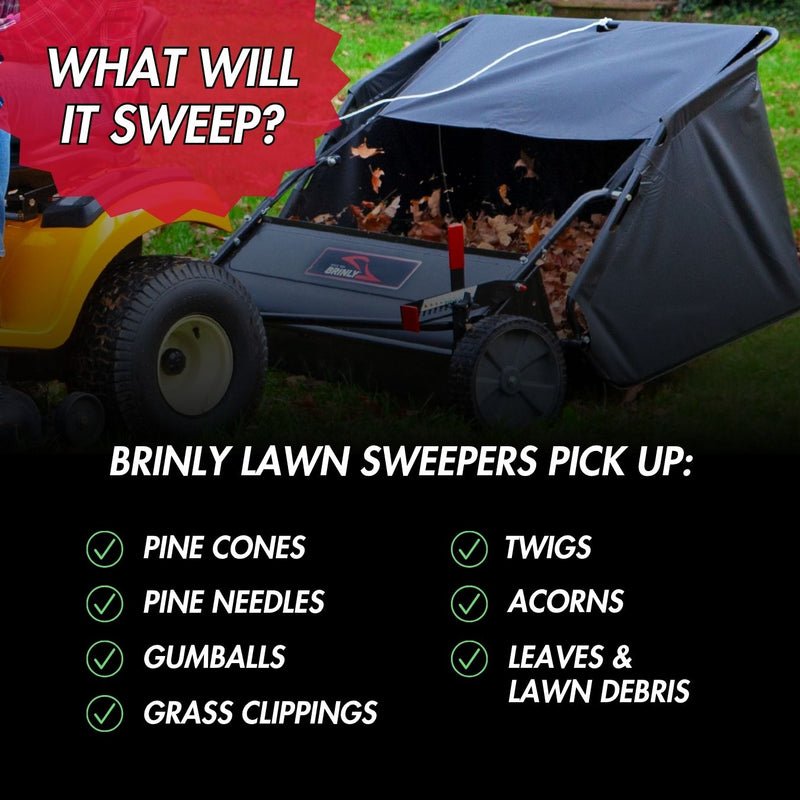
| Tow-Behind Sweepers | Attached to a lawn tractor. Good for large lawns and heavy debris. | Higher setting to handle rough terrain and large debris. |
| Electric Sweepers | Powered by battery or plug-in. Light and easy to use. | Lower to medium height for light debris and well-maintained lawns. |

Credit: www.vevor.com
Preparing Your Lawn For Sweeping
Setting the right height on your lawn sweeper helps clean your yard well. Before you start, prepare your lawn carefully. This will make sweeping easier and better.
Two key tasks are clearing debris and mowing your grass properly. These steps help your sweeper work without trouble.
Clearing Debris
Remove large sticks, stones, and trash from your lawn before sweeping. These items can block the sweeper and cause damage.
- Pick up large branches and twigs by hand
- Rake leaves into piles away from the main lawn
- Remove any trash or plastic items
- Clear heavy debris that could jam the sweeper brushes
Mowing Tips Before Sweeping
Mow your lawn before using the sweeper to make debris easier to collect. Keep the grass at a moderate height for best results.
| Grass Height | Reason |
| Too short (under 1 inch) | Sweeper may miss some debris |
| Moderate (1 to 2 inches) | Best for sweeping and debris pickup |
| Too tall (over 3 inches) | May clog the sweeper brushes |
Adjusting The Sweeper Height
Setting the right lawn sweeper height helps clean your lawn effectively. It keeps your grass safe while picking up leaves and debris.
Adjusting the height is simple. It lets you match the sweeper to your grass length and lawn conditions.
Step-by-step Adjustment Guide
Start by stopping the sweeper and placing it on a flat surface. Follow these steps to adjust the height correctly.
- Locate the height adjustment knob or lever on your sweeper.
- Turn or move the knob to raise or lower the brushes.
- Set the height so brushes just touch the ground without digging in.
- Test the sweeper by pushing it on the lawn.
- Adjust again if brushes are scraping too hard or missing debris.
Repeat these steps until you find the best height for your lawn type and debris amount.
Tools Needed For Adjustment
You need only a few simple tools to adjust your lawn sweeper height. Check your model’s manual for specifics.
- Wrench or socket set for bolts
- Screwdriver for screws
- Work gloves to protect your hands
- Flat surface to place the sweeper securely
Having these tools ready helps you make quick and safe adjustments to your sweeper.

Credit: www.amazon.com
Testing And Fine-tuning
Setting the right lawn sweeper height takes testing and fine-tuning. You need to check how well the sweeper collects debris.
Small height changes can improve cleaning results. Testing helps find the best setting for your lawn.
Evaluating Sweeping Performance
After setting the height, walk behind the sweeper and watch how it picks up leaves and grass clippings. Look for missed spots or damage to the grass.
- Check if debris is picked up evenly across the lawn
- Notice if the sweeper brushes dig into the soil or scalp the grass
- Observe if large debris is pushed aside instead of collected
- Test on different grass lengths and lawn conditions
- Adjust height slightly and retest to improve results
Common Height Adjustment Mistakes
Many people make simple mistakes when adjusting the sweeper height. These errors reduce performance or harm the lawn.
| Mistake | Effect |
| Setting height too low | Scrapes grass and soil, causing damage |
| Setting height too high | Leaves debris on the lawn, poor collection |
| Not adjusting for grass length | Poor pickup on tall or thick grass |
| Ignoring terrain changes | Uneven sweeping and missed debris spots |
| Skipping testing after adjustments | Unnoticed problems reduce cleaning quality |
Maintaining Your Lawn Sweeper
Setting the right height on your lawn sweeper helps it work well and last longer. Good care keeps the sweeper in top shape.
Regular maintenance prevents problems and makes your lawn look neat. Follow simple tips to keep your sweeper clean and ready.
Cleaning And Storage Tips
Clean your lawn sweeper after each use to stop rust and dirt build-up. Remove grass, leaves, and debris from brushes and wheels.
Store the sweeper in a dry place. Cover it or keep it inside to protect from rain and sun damage.
- Brush off debris with a stiff brush
- Wash with water but avoid soaking parts
- Dry all parts before storage
- Keep in a garage or shed
- Use a cover to block dust and moisture
Regular Maintenance Checks
Check your lawn sweeper often. Look for loose bolts, worn brushes, or damaged wheels. Fix problems early to avoid bigger repairs.
Keep the height adjustment mechanism clean and working smoothly. Test the sweeper height before each use for best results.
- Tighten all nuts and bolts
- Replace worn or broken brushes
- Lubricate moving parts as needed
- Test height settings regularly
- Inspect wheels for cracks or damage

Credit: www.youtube.com
Frequently Asked Questions
How Do I Adjust Lawn Sweeper Height Correctly?
To adjust the height, start by consulting your sweeper’s manual. Then, set the brushes so they lightly touch the grass. Avoid too high or too low settings to prevent damage or missed debris. Fine-tune while testing on a small lawn area for best results.
Why Is Lawn Sweeper Height Important?
Proper height ensures efficient debris collection without harming the grass. Too low can damage grass blades. Too high may leave leaves and twigs behind. The right height balances cleaning performance and lawn health for a neat, healthy yard.
When Should I Change Lawn Sweeper Height?
Adjust height when grass length changes or debris type varies. Longer grass or heavier debris needs higher settings. Short grass or light debris requires lower settings. Regular adjustments keep your sweeper effective and protect your lawn.
Can Wrong Lawn Sweeper Height Damage My Lawn?
Yes, setting sweeper too low can scalp and damage grass. It may uproot or bruise blades, causing stress. Too high settings reduce cleaning efficiency, leaving debris that harms grass health over time.
Conclusion
Setting the right lawn sweeper height makes your yard look neat and healthy. Too low can damage grass; too high may leave debris behind. Adjust the height based on grass length and debris size. Check your sweeper often to keep it working well.
A well-set height saves time and effort. Your lawn will thank you with a cleaner, greener look. Simple steps lead to great results. Try these tips on your next lawn care day.
