
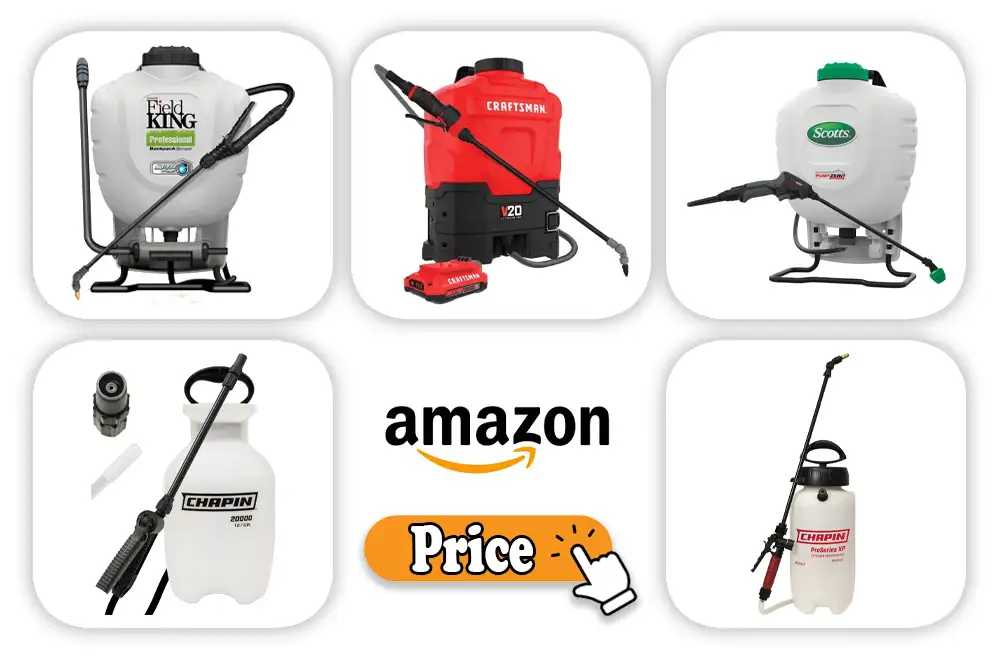
Have you ever been in the middle of a project when your sprayer suddenly stops working? Frustrating, isn’t it?
Whether you’re painting a room, treating your garden, or cleaning your driveway, a malfunctioning sprayer can bring everything to a halt. You start to wonder what’s gone wrong and if you can fix it without spending a fortune. We’ll explore the common reasons why sprayers stop working and, more importantly, how you can get them back up and running.
By understanding these issues, you’ll not only save time and money but also avoid future headaches. So, if you’re eager to get your sprayer back in action, keep reading to discover solutions that will make your DIY and maintenance tasks smooth and hassle-free.
Common Sprayer Problems
Sprayers are useful tools for many tasks like gardening and cleaning. Sometimes, they stop working properly. Knowing common problems helps fix them fast.
This guide covers common sprayer problems. You will learn about clogged nozzles, leaking hoses, pump failures, pressure loss, and electrical issues.
Clogged Nozzles
Nozzles can get blocked by dirt or debris. This stops the spray or makes it uneven. Cleaning nozzles often keeps them working well.
Using water or a soft brush can clear small clogs. Avoid sharp tools that might damage the nozzle.
- Dirt and debris build up inside
- Mineral deposits harden over time
- Damaged nozzles cause poor spray patterns
- Regular cleaning prevents blockages
Leaking Hoses
Hoses can develop cracks or holes. Leaks reduce pressure and waste liquid. Check hoses for damage regularly.
Replace or patch broken hoses to keep sprayers working. Tighten hose connections to avoid leaks.
- Cracks from wear and tear
- Loose connections cause leaks
- Holes can form from sharp objects
- Proper storage prevents hose damage
Pump Failures
Pumps move liquid through the sprayer. If the pump breaks, the sprayer stops working. Pump failure can come from worn parts or lack of maintenance.
Check pump seals and clean pump parts. Replace damaged parts to restore pump function.
- Worn seals cause leaks inside the pump
- Clogged filters block liquid flow
- Broken valves stop pumping action
- Regular cleaning extends pump life
Pressure Loss
Low pressure makes spraying weak or uneven. Pressure loss can happen from leaks, pump issues, or blocked parts.
Check all parts for damage. Fix leaks and clean blockages to restore pressure.
- Leaks reduce pressure inside the system
- Clogged nozzles lower spray force
- Faulty pumps fail to build pressure
- Pressure gauges help find problems
Electrical Issues
Electric sprayers may stop if wiring or switches fail. Battery problems also cause sprayers to stop working.
Check batteries, wires, and switches. Replace damaged parts to fix electrical problems.
- Dead or weak batteries cause power loss
- Loose wires interrupt electrical flow
- Broken switches stop the motor
- Keep contacts clean and dry

Credit: www.no-tillfarmer.com
Identifying Sprayer Issues
Sprayers can stop working for many reasons. It is important to find the exact problem.
This guide helps you check common sprayer issues step-by-step.
Signs Of Blockages
Blockages stop the spray from flowing properly. Look for weak spray or no spray at all.
- Check the nozzle for dirt or debris.
- Look inside the hose for clogs.
- Flush the sprayer with clean water to clear blockages.
Detecting Leaks
Leaks waste spray and reduce pressure. Look for wet spots or drips on the sprayer parts.
Check the hose, connections, and tank for cracks or holes.
Checking Pump Performance
The pump moves spray through the system. A broken pump causes poor spray or no spray.
| Check | What to Look For |
| Pump Noise | Loud or no noise means a problem |
| Pump Movement | Should move smoothly and steadily |
| Leakage | Oil or fluid leaks around the pump |
Testing Pressure Levels
Pressure affects how well the sprayer works. Low pressure causes weak spray.
- Use a pressure gauge to check pressure.
- Compare pressure to sprayer specifications.
- Look for pressure drops during use.
Inspecting Wiring
Electrical issues stop the sprayer from running. Check all wiring for damage or loose connections.
Look for:
- Frayed or broken wires
- Corroded connectors
- Loose plugs or terminals
Quick Fixes For Nozzle Clogs
Nozzles in sprayers can stop working due to clogs. Dirt, debris, and dried chemicals block the spray.
Fixing nozzle clogs quickly helps keep your sprayer working well. Here are easy ways to clean and replace nozzles.
Cleaning Techniques
Remove the nozzle from the sprayer carefully. Use warm water to soak the nozzle for a few minutes. This softens dried material inside.
- Use a soft brush to scrub the nozzle gently.
- Do not use sharp objects that can damage the nozzle.
- Rinse the nozzle with clean water after cleaning.
Using Compressed Air
Compressed air can blow out clogs inside the nozzle. Hold the nozzle firmly and direct the air through the opening.
| Tool | Purpose | Safety Tip |
|---|---|---|
| Air Compressor | Blow out debris and dirt | Wear eye protection |
| Nozzle Holder | Secure nozzle while cleaning | Use gloves to avoid injury |
| Air Hose | Direct air flow | Check pressure settings |
Replacing Nozzles
If cleaning does not work, replace the nozzle. Using the right nozzle keeps sprays even and effective.
- Check the sprayer manual for the correct nozzle size.
- Buy nozzles made for your sprayer model.
- Install the new nozzle by twisting it on securely.
- Test the sprayer to confirm the flow is good.

Credit: www.no-tillfarmer.com
Repairing Hoses And Leaks
Sprayers stop working often because of hose problems and leaks. Fixing these can save your sprayer and keep it working well.
Leaks reduce pressure and make spraying uneven. Repairing hoses quickly helps avoid bigger damage and saves money.
Patch Repair Methods
You can fix small holes or cracks in hoses by patching them. This is a simple way to stop leaks without replacing the hose.
Clean the hose area around the leak. Dry it well before applying the patch. Use a patch kit made for rubber or plastic hoses.
- Cut a patch slightly bigger than the hole
- Apply adhesive or glue from the kit
- Press the patch firmly on the hose
- Let it dry for the time the instructions say
- Test the hose for leaks before use
When To Replace Hoses
Replace hoses if the damage is large or if leaks come back after patching. Old hoses may become weak or cracked.
Check hoses for soft spots, cracks, or wear. Replace hoses that feel brittle or do not hold pressure well.
- Multiple leaks that need constant patching
- Large holes or cracks that patches cannot cover
- Hose material is dry and cracking
- Leaks near connectors or fittings
- Loss of pressure even after repairs
Maintaining Pump Health
Sprayers stop working often due to pump problems. Keeping the pump healthy helps your sprayer last longer.
Simple care steps can prevent many common pump issues. Focus on lubrication, seals, and regular checks.
Lubrication Tips
Proper lubrication reduces pump wear and tear. Use the right oil or grease for your pump type.
Check the pump manual for lubrication points and intervals. Avoid over-lubricating to stop leaks.
- Use manufacturer-recommended lubricant
- Lubricate moving parts regularly
- Clean old grease before applying new
- Do not mix different lubricant types
Seal Replacement
Seals stop fluid leaks and keep pressure steady. Worn seals cause pump failure and poor spraying.
Check seals often for cracks or damage. Replace seals that look worn or hard to keep the pump tight.
- Use seals made for your pump model
- Replace seals during pump maintenance
- Inspect seals after heavy use
- Keep seals clean and dry before installation
Preventive Checks
Regular checks catch pump problems early. Look for leaks, noises, and pressure drops.
Keep a maintenance schedule to inspect the pump. Fix small issues before they cause big damage.
- Check hoses and connections for cracks
- Test pump pressure regularly
- Listen for unusual sounds
- Clean filters and strainers often
Restoring Pressure
Sprayers need good pressure to work well. Low pressure can stop sprayers from spraying correctly. Fixing the pressure helps the sprayer work like new.
There are simple ways to restore pressure. Adjusting valves, cleaning filters, and replacing pressure gauges are key steps.
Adjusting Valves
Valves control the flow of liquid in the sprayer. If valves are not set right, pressure can drop. Adjusting them can fix this problem quickly.
- Turn off the sprayer before adjusting valves.
- Check if the valve handles are loose or stuck.
- Turn valves slowly to open or close them.
- Test the sprayer pressure after adjusting.
- Repeat if pressure is still low.
Cleaning Filters
Filters catch dirt and debris from the liquid. Dirty filters block flow and lower pressure. Cleaning filters helps restore smooth spraying.
Filter Cleaning Tips:
- Remove the filter from the sprayer carefully.
- Rinse it with clean water to remove dirt.
- Use a soft brush to clean stubborn debris.
- Dry the filter completely before reinstalling.
- Check for cracks or damage and replace if needed.
Replacing Pressure Gauges
The pressure gauge shows how much pressure the sprayer has. A broken gauge can give wrong readings. Replacing it ensures you know the true pressure.
| Pressure Gauge Issue | Effect on Sprayer | Solution |
|---|---|---|
| Cracked glass | Hard to read pressure | Replace the gauge |
| Needle stuck | Incorrect pressure reading | Install new gauge |
| Leaks around gauge | Pressure loss | Seal or replace gauge |
Fixing Electrical Problems
Sprayers can stop working because of electrical problems. These issues often prevent the sprayer from turning on or working properly.
Fixing electrical problems involves checking connections, replacing fuses, and maintaining the battery. Each step helps find and solve the issue.
Checking Connections
Loose or dirty connections can stop a sprayer from working. Check all wires and plugs for tight fits and clean contacts. Look for corrosion or broken wires that need repair.
Replacing Fuses
A blown fuse can cut power to the sprayer. Check the fuse box and replace any fuses that look damaged or burnt out.
- Turn off the sprayer before checking fuses.
- Locate the fuse box near the battery or control panel.
- Remove the fuse carefully and inspect it.
- Replace the fuse with the same type and rating.
- Test the sprayer to see if it works again.
Battery Maintenance
| Battery Check | Action |
| Corroded terminals | Clean with baking soda and water |
| Low voltage | Charge or replace the battery |
| Loose cables | Tighten cable connections |
| Old battery | Replace with a new one |
Good battery care keeps the sprayer running. Clean terminals, check voltage, and tighten cables regularly.

Credit: www.yarramate.com
Preventing Future Failures
Sprayers stop working mainly due to wear and tear or improper care. Taking steps to prevent issues helps keep them running longer.
Following simple habits can reduce breakdowns and save repair costs. Focus on regular care, correct storage, and good parts.
Regular Maintenance Schedule
Check your sprayer often to spot problems early. Clean nozzles and filters to avoid clogging. Replace worn seals and hoses to stop leaks.
- Clean sprayer parts after each use
- Inspect hoses and seals monthly
- Test spray pattern regularly
- Replace damaged parts immediately
- Store sprayer dry and covered
Proper Storage Tips
Store sprayers in a dry, cool place to prevent rust and damage. Keep them out of direct sunlight and away from freezing temperatures.
| Storage Condition | Benefit |
| Dry area | Stops rust and corrosion |
| Cool temperature | Prevents seal and hose damage |
| Covered or indoor | Keeps dirt and dust off |
Using Quality Parts
Use parts made for your sprayer model. Cheap parts wear out fast and cause more problems. Good parts fit well and last longer.
Choose quality parts by checking these:
- Manufacturer’s recommended brands
- Material strength and durability
- Warranty or return policy
Frequently Asked Questions
Why Does My Sprayer Lose Pressure Suddenly?
A sprayer may lose pressure due to clogged nozzles, leaks, or a faulty pump. Regular cleaning and inspection keep it working well.
How Can I Prevent Sprayer Nozzle Blockages?
Clean nozzles after each use and strain liquids before filling. Using filtered water helps avoid debris buildup that causes blockages.
What Causes Sprayer Pump Failure?
Pump failure often results from worn seals, lack of lubrication, or chemical corrosion. Proper maintenance and using compatible fluids extend pump life.
Why Is My Sprayer Leaking Fluid?
Leaks happen due to cracked hoses, loose fittings, or damaged seals. Check connections regularly and replace damaged parts to stop leaks.
Conclusion
Sprayers stop working for many simple reasons. Dirt, clogs, or worn parts often cause trouble. Regular cleaning and checks keep sprayers working well. Fix small problems early to avoid big repairs. Using the right parts helps sprayers last longer. Understanding these issues saves time and money.
Take care of your sprayer to keep it strong. Ready to spray again? Just follow these easy tips.
