
Are you tired of dealing with an uneven lawn that’s ruining your garden’s aesthetics? A lawn roller might just be the solution you need!
In this Lawn Roller Buying Guide, you’ll discover how this simple tool can transform your outdoor space into a lush, level paradise. Imagine effortlessly smoothing out those pesky bumps and creating a perfectly manicured lawn that will be the envy of your neighborhood.
This guide will walk you through everything you need to know to choose the right lawn roller for your needs. From understanding the different types and materials to practical tips on usage, we’ve got you covered. By the end of this guide, you’ll be equipped with the knowledge to make a confident purchase and enjoy a picture-perfect lawn. Ready to roll? Let’s dive in!
Benefits Of Using A Lawn Roller
A lawn roller is a simple tool that helps keep your lawn neat and healthy. It presses the soil and grass evenly to improve how your lawn looks and grows. Using a lawn roller after seeding or before mowing can make a big difference.
This guide explains key benefits of using a lawn roller. Learn how it improves lawn appearance, helps seeds grow, and smooths rough spots in your yard.
Improving Lawn Appearance
A lawn roller presses down small bumps and loose soil. This makes your lawn look flat and tidy. It also helps grass blades stand up straight for a fresh, even look. Rolling your lawn regularly can give it a professional finish.
- Flattens bumps and uneven patches
- Pushes grass blades upright
- Creates a smooth, uniform surface
- Enhances lawn color by improving soil contact
Enhancing Seed Germination
After planting grass seeds, using a lawn roller helps press them into the soil. This close contact improves seed-to-soil contact. It protects seeds from birds and wind. As a result, more seeds grow into healthy grass plants.
| Benefit | Effect on Seed Growth |
| Presses seeds into soil | Improves seed contact |
| Reduces seed loss | Protects from birds and wind |
| Creates firm soil surface | Supports root development |
Smoothing Uneven Ground
Lawn rollers help fix uneven ground caused by digging, mole hills, or frost. Rolling the lawn compresses soil clumps and fills low spots. This creates a safer and more comfortable lawn for walking or playing.
- Fill holes and low spots with topsoil before rolling.
- Roll the lawn slowly in different directions.
- Do not roll when soil is very wet to avoid compaction.
Credit: www.vevor.com
Types Of Lawn Rollers
Lawn rollers help smooth your yard after seeding or repair work. They press the soil to create an even surface. Different types suit different lawn sizes and tasks.
Choosing the right roller depends on power source, size, and how you plan to use it. Here are the main types of lawn rollers to consider.
Manual Lawn Rollers
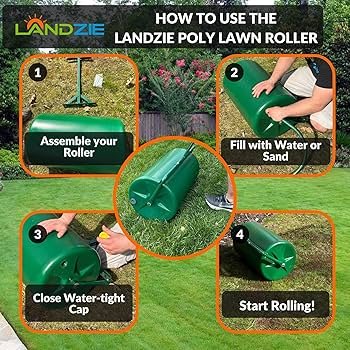
Manual lawn rollers are pushed by hand. They are simple and easy to use on small lawns. These rollers often have a handle and a drum filled with water or sand.
- Lightweight and affordable
- Best for small yards or gardens
- Requires physical effort to move
- Easy to store and maintain
Tow-behind Lawn Rollers
Tow-behind rollers attach to a lawn tractor or ATV. These are larger and cover more ground quickly. They work well on medium to large lawns and fields.
| Feature | Benefit |
| Size | Large drum for wide coverage |
| Power Source | Pulled by vehicle |
| Use | Good for big lawns and uneven soil |
| Weight | Can be filled with water or sand for heavy rolling |
Powered Lawn Rollers
Powered lawn rollers have their own motor. They are heavy-duty and need less effort to operate. These rollers suit commercial use and large properties.
Advantages of powered lawn rollers:
- Easy to move without extra help
- Can handle tough soil and big areas
- Often have adjustable speed settings
- More expensive and need fuel or battery
Choosing The Right Size
Picking the right size lawn roller is important for your lawn care. The size affects how well the roller works and how easy it is to use.
Choosing a roller that fits your lawn and your needs helps you get better results and saves time.
Considering Lawn Area
Think about how big your lawn is before buying a roller. Large lawns need bigger rollers to cover more ground quickly.
Small lawns work well with smaller rollers. They are easier to move and control in tight spaces.
- Large lawns: Choose wide rollers to cover more area
- Small lawns: Pick compact rollers for easy handling
- Medium lawns: Use medium-sized rollers for balance
Weight And Capacity Factors
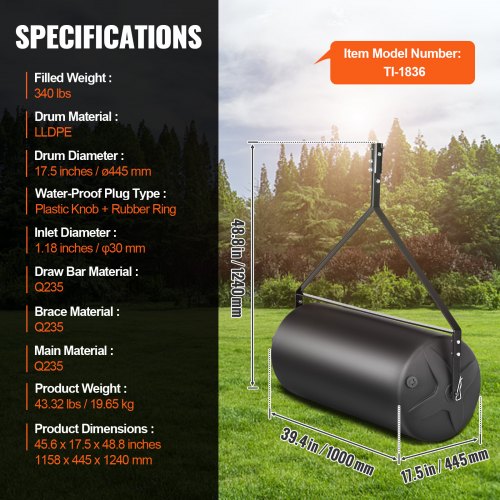
The weight of the roller affects how well it presses your lawn. Heavier rollers flatten soil better but can be harder to push.
Some rollers can be filled with water or sand to add weight. Check the roller’s capacity before buying to ensure it suits your needs.
- Lighter rollers: Easy to use but less pressure
- Heavier rollers: More pressure but harder to move
- Fillable rollers: Adjustable weight for different jobs

Credit: www.amazon.com
Material And Durability
Lawn rollers help smooth your yard and press seeds into the soil. Choosing the right material affects how long your roller lasts.
Durability depends on the build quality and material. Good materials resist damage and wear over time.
Steel Vs Plastic Rollers
Steel rollers are strong and heavy. They press the soil deeply and last a long time.
Plastic rollers are lighter and easier to carry. They may not be as tough as steel but resist rust.
- Steel rollers provide better soil compaction
- Plastic rollers weigh less and are easier to move
- Steel can rust without proper care
- Plastic is less durable under heavy use
Weather Resistance
Weather resistance helps your lawn roller last through rain and sun. Some materials handle weather better.
Steel rollers may rust if left wet. Plastic rollers resist water but can crack in cold weather.
- Steel rollers need drying and storage inside to avoid rust
- Plastic rollers resist rust but can fade in sunlight
- Both types benefit from proper storage during bad weather
Additional Features To Look For
Lawn rollers help smooth your yard and improve its appearance. Choosing the right one depends on more than just size and weight.
Look at extra features that make the roller easier to use and maintain. These can save time and effort during lawn care.
Filling Options: Water Or Sand
Many lawn rollers can be filled with water or sand to add weight. Each option has benefits and drawbacks.
Water is easy to add and remove, making the roller lighter when empty. Sand adds more weight but is harder to handle.
- Water fills quickly and drains easily
- Sand increases weight for better compaction
- Empty rollers are easier to store and move
- Choose based on your lawn size and strength
Adjustable Handles
Adjustable handles let you set the roller height for comfort. This feature helps reduce strain on your back and arms.
Some handles fold down for easy storage. Look for models with sturdy, rust-resistant materials for long use.
- Set handle height to fit your height
- Foldable handles save space
- Strong grips improve control
- Check for secure locking mechanisms
Ease Of Transport
Moving a lawn roller can be hard if it is heavy or bulky. Look for features that make transport easier.
Wheels or a lightweight frame help carry the roller around your yard or garage. Some rollers come with handles designed for transport.
- Wheels allow smooth movement over grass
- Lightweight materials reduce carrying effort
- Transport handles make lifting easier
- Consider storage space before buying

Credit: www.amazon.com
Maintenance Tips For Longevity
Taking care of your lawn roller helps it last longer. Proper maintenance keeps it working well.
Simple cleaning and storage steps protect your roller from damage and rust.
Cleaning After Use
Clean your lawn roller after every use. Remove dirt, grass, and debris to stop rust.
Use water and a brush to scrub the surface gently. Avoid harsh chemicals that can damage metal.
- Rinse off mud and grass clippings
- Wipe dry with a clean cloth
- Check for any stuck debris and remove it
- Apply light oil to metal parts to prevent rust
Storage Recommendations
Store your lawn roller in a dry place. Moisture causes rust and damages the roller.
Keep it off the ground on a raised surface or shelf. Cover it with a waterproof tarp or cloth.
- Choose a dry, sheltered area like a garage or shed
- Keep the roller away from rain and snow
- Cover to protect from dust and moisture
- Check storage area for pests or rodents that can cause damage
Common Mistakes To Avoid
Using a lawn roller can help you get a smooth and even lawn. But some common mistakes can harm your grass or soil.
Knowing what to avoid will save your lawn and make your work easier. Read on to learn about two key mistakes.
Over-rolling The Lawn
Rolling the lawn too much can damage the grass roots. It can also compact the soil too tightly.
Compacted soil stops water, air, and nutrients from reaching the roots. This can cause the grass to die or grow weak.
- Roll only when needed, such as after seeding or leveling.
- Limit the number of passes to avoid heavy compaction.
- Use a light roller for delicate or new grass.
Using On Wet Soil
Rolling on wet soil can cause serious problems. Wet soil is soft and can be easily compacted or damaged.
This can lead to uneven surfaces and poor grass growth. Wet soil also tends to stick to the roller, making the job harder.
- Wait until the soil is dry or only slightly moist.
- Check soil moisture by feeling the ground before rolling.
- Avoid rolling after heavy rain or irrigation.
Budget Considerations
Choosing the right lawn roller means thinking about your budget first. You want a tool that fits your price range without losing quality. This guide helps you balance cost and value well.
Knowing how to invest smartly saves money in the long run. Let’s look at ways to decide what to spend and where to save.
Balancing Cost And Quality
Low-cost rollers may look good but might break or wear out fast. High-quality rollers cost more but last longer and work better. Think about what you need and how often you will use the roller.
- Check the roller’s material and build quality
- Compare prices of similar models
- Look for user reviews and ratings
- Consider warranty and customer support
Investing In Long-term Value
Spending more upfront can save money later. A sturdy lawn roller reduces repair costs and lasts many seasons. Think about the total cost, not just the price tag.
| Factor | Low-Cost Roller | High-Quality Roller |
|---|---|---|
| Initial Price | Low | High |
| Durability | Short-term | Long-term |
| Maintenance | Frequent | Rare |
| Performance | Basic | Consistent |
| Resale Value | Low | Higher |
Frequently Asked Questions
What Is The Purpose Of A Lawn Roller?
A lawn roller flattens uneven soil and seeds, promoting smooth turf. It improves seed-to-soil contact for better germination. It also helps level the lawn after aeration or repair work.
How To Choose The Right Lawn Roller Size?
Select a roller size based on lawn area and tractor power. Larger rollers cover more ground but need more strength to pull. For small gardens, manual rollers are ideal; for large lawns, consider tow-behind models.
Should I Use A Water Or Steel Lawn Roller?
Water rollers are lighter and adjustable by filling or emptying. Steel rollers are heavier and provide more compaction. Choose water rollers for gentle smoothing; use steel rollers for firm, heavy-duty leveling.
When Is The Best Time To Use A Lawn Roller?
Use a lawn roller after seeding or lawn repairs. Early spring or fall is ideal for rolling when soil is moist. Avoid rolling on dry or saturated soil to prevent damage.
Conclusion
Choosing the right lawn roller helps keep your grass smooth and healthy. Consider size, weight, and material for best results. A good roller fits your lawn’s needs and your budget. Using it regularly improves soil contact and lawn appearance. Small steps lead to a greener, neater yard.
Keep these tips in mind for easy lawn care. Your lawn will thank you with a fresh, even look. Simple tools can make a big difference. Take care, and enjoy your beautiful lawn.
