
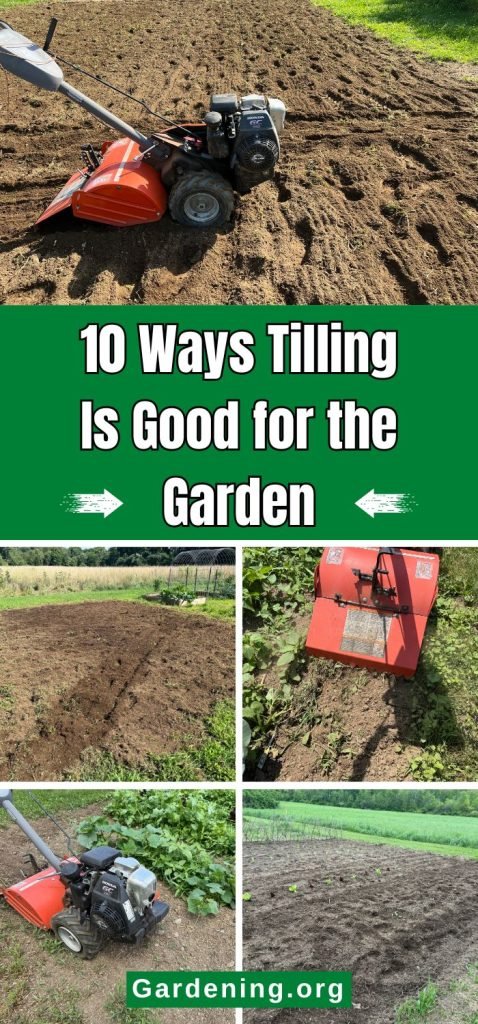
Are you planning your next gardening project and wondering if adding compost before tilling is the way to go? You’re not alone!
This question puzzles many gardeners, both beginners and seasoned pros. The choice to mix compost into your soil before tilling can mean the difference between a lush, thriving garden and one that struggles to grow. In this post, we’ll dive into the benefits and potential drawbacks of this practice, offering insights to help you make the best decision for your garden.
Stick around, and you’ll discover why this simple step could be the secret to achieving the vibrant, productive garden you’ve always dreamed of. Ready to unlock the potential of your soil? Let’s dig in!

Credit: www.youtube.com
Benefits Of Adding Compost
Adding compost before tilling helps improve your garden soil. It makes the soil healthier and easier to work with.
Compost adds natural nutrients and supports plant growth. It also helps the soil hold water better.
Improved Soil Structure
Compost changes the soil texture. It makes heavy clay soil lighter and sandy soil thicker.
This helps roots grow well and air to reach plants. Good soil structure means plants are stronger and healthier.
Enhanced Nutrient Content
Compost adds many nutrients like nitrogen, phosphorus, and potassium. These help plants grow big and green.
The nutrients come slowly, so plants get food for a long time. This reduces the need for chemical fertilizers.
Increased Moisture Retention
Compost helps soil keep water longer. This is good for plants during dry days.
Better moisture means less watering is needed. It also protects plants from drought stress.
Timing For Compost Application
Adding compost to soil helps plants grow healthy and strong. Timing the compost application is important for best results.
Knowing when to add compost can improve soil quality and save work later in the season.
Before Tilling
Adding compost before tilling mixes it deep into the soil. This helps improve soil texture and nutrients.
It is best to apply compost a few days before tilling. This gives the soil time to absorb moisture and nutrients.
- Spread compost evenly over the soil surface.
- Wait 2 to 3 days before tilling.
- Tilling mixes compost into the top 6 to 8 inches of soil.
After Tilling
Compost can be added after tilling as a top dressing. This is easier but may not mix well into the soil.
Adding compost after tilling helps feed plants on the surface. It also reduces soil disturbance.
- Spread compost evenly over the tilled soil.
- Water the soil to help nutrients soak in.
- Lightly rake or hoe to mix compost into the top inch.
Seasonal Considerations
Season affects how and when you apply compost. Soil temperature and moisture are key factors.
Apply compost in early spring or fall for best results. Avoid adding compost when soil is frozen or too dry.
- Spring: Add compost before planting to boost nutrients.
- Fall: Apply compost to improve soil over winter.
- Summer: Compost may dry out quickly; water well.
- Winter: Avoid composting on frozen or snow-covered soil.
Methods For Incorporating Compost
Adding compost to your garden improves soil health and plant growth. The way you add compost affects how well nutrients reach the roots.
There are several simple methods to mix compost with your soil. Each method suits different garden needs and soil types.
Surface Application
Surface application means spreading compost on top of the soil. This method helps mulch the soil and feed earthworms.
- Spread a thin layer of compost over garden beds.
- Water the area to help nutrients soak in.
- Leave it on the surface to protect soil from erosion.
Mixing With Soil
Mixing compost into the soil improves nutrient contact with roots. It also boosts soil structure and moisture retention.
| Method | Tool Needed | Benefit |
| Shallow mixing | Garden fork or hoe | Quick nutrient access |
| Deep mixing | Rototiller | Improved aeration and drainage |
Layering Techniques
Layering means alternating soil and compost in thin layers. This method slowly releases nutrients as layers break down.
Benefits of layering:
- Reduces soil compaction
- Improves water retention
- Feeds plants over time

Credit: www.no-tillfarmer.com
Common Mistakes To Avoid
Adding compost before tilling can help your soil grow better plants. But some mistakes can harm your garden.
Learn about common errors to avoid for healthy soil and strong plants.
Using Unfinished Compost
Unfinished compost can bring pests and diseases to your soil. It also steals nitrogen from plants while breaking down.
Make sure compost is dark, crumbly, and smells earthy before adding it to your garden.
Over-application Risks
Adding too much compost can cause problems for your plants and soil.
- Too much compost can burn plant roots.
- It may increase salt levels in the soil.
- Overuse can cause nutrient imbalances.
- It may lead to excessive weed growth.
Use compost in moderation to keep your garden healthy.
Ignoring Soil Ph
Soil pH affects how plants absorb nutrients. Compost can change the pH levels.
| Soil pH Level | Effect of Compost |
|---|---|
| Acidic (below 6.0) | Compost may raise pH slightly, helping plants |
| Neutral (6.0–7.0) | Compost keeps pH stable, good for most plants |
| Alkaline (above 7.0) | Compost can increase alkalinity, may harm some plants |
Test your soil pH before adding compost to avoid harming your plants.
Tips For Successful Tilling With Compost
Adding compost before tilling can improve soil quality and plant growth. It helps mix nutrients evenly into the soil.
To get the best results, follow key tips on equipment, soil moisture, and soil health monitoring.
Proper Equipment Use
Use tilling tools that match your soil type and garden size. Sharp blades cut through compost and soil well. Avoid compacting soil by not using heavy equipment on wet ground.
- Choose a tiller with adjustable depth settings.
- Check blades for damage before starting.
- Use lightweight tools for small gardens.
- Clean equipment after tilling to prevent disease.
Soil Moisture Management
Soil moisture affects how well compost mixes with soil. Tilling dry soil can cause dust and poor compost integration. Too wet soil clumps and compacts easily.
| Soil Condition | Effect on Tilling | Recommendation |
| Too Dry | Dusty, poor mixing | Water soil lightly 1 day before tilling |
| Ideal Moisture | Easy to till, good mixing | Soil feels like a wrung-out sponge |
| Too Wet | Clumps, compaction risk | Wait 2-3 days after rain to till |
Monitoring Soil Health
Regular checks keep soil balanced and fertile. Compost adds nutrients but testing avoids overuse. Watch for signs of pests or diseases after tilling.
- Test soil pH and nutrient levels yearly.
- Look for earthworms as a sign of healthy soil.
- Observe plant growth to catch issues early.
- Add compost based on test results, not guesswork.

Credit: www.geme.bio
Frequently Asked Questions
Should I Add Compost Before Or After Tilling?
Adding compost before tilling helps mix nutrients evenly into the soil. It improves soil structure and boosts fertility. Tilling distributes compost deeper, promoting better root growth and moisture retention. This method ensures plants receive balanced nutrients for healthier growth.
How Does Compost Improve Soil Before Tilling?
Compost enriches soil with organic matter and beneficial microbes. It enhances soil texture, drainage, and nutrient content. Adding compost before tilling allows these benefits to integrate throughout the soil, creating a fertile environment for seeds and plants to thrive.
Can Tilling Affect Compost Benefits?
Yes, tilling helps incorporate compost into the soil, maximizing its benefits. However, excessive tilling can disrupt soil structure and harm microbes. Gentle tilling after adding compost balances nutrient mixing without damaging soil health.
What Is The Best Time To Add Compost Before Tilling?
The best time is a few weeks before planting. Adding compost then lets it break down and enrich soil effectively. Tilling afterward mixes nutrients, preparing the soil for planting season.
Conclusion
Adding compost before tilling helps improve soil health and structure. It feeds plants with essential nutrients and boosts moisture retention. Compost also supports beneficial microbes that keep soil alive. Mixing compost early allows it to blend evenly with soil. This practice creates a better environment for roots to grow strong.
Overall, adding compost before tilling leads to healthier plants and higher yields. A simple step that makes a big difference in your garden. Consider it for better soil and stronger crops.
