

Do you want your lawn to stand out in your neighborhood, even if it’s on challenging clay soil? You’re in the right place.
Edging your lawn is the secret to transforming a plain yard into a picture-perfect landscape. But when you’re dealing with clay soil, it can feel like you’re up against a brick wall. The good news? It’s possible to achieve clean, crisp edges with the right techniques.
Imagine the pride you’ll feel looking at your beautifully defined lawn, the envy of all who pass by. Ready to discover how you can easily edge your lawn on clay soil, making it the envy of your block? Let’s dive into the simple steps that will make your lawn’s edges the talk of the town.
Preparing Clay Soil For Edging
Clay soil can be hard to work with when edging a lawn. It holds water and gets compacted easily. Preparing the soil well helps create clean, neat edges.
Good preparation makes it easier to dig and shape the edges. It also helps plants near the edge grow better by improving soil conditions.
Assessing Soil Moisture Levels
Check if the clay soil is too wet or too dry before edging. Soil that is too wet can be sticky and hard to shape. Dry soil may be too hard to dig.
- Take a handful of soil and squeeze it.
- If water drips out, the soil is too wet.
- If it crumbles easily, the soil is too dry.
- Soil that holds shape but does not drip is ready to work.
Loosening Compacted Soil
Clay soil often becomes compacted and hard. Loosening it helps create a smooth edge and improves drainage. Use tools like a garden fork or tiller to break the soil.
| Tool | Use | Benefit |
|---|---|---|
| Garden Fork | Insert and twist to break soil | Loosens soil without disturbing plants |
| Rotary Tiller | Run over soil surface | Breaks hard soil quickly |
| Hand Trowel | Dig small areas | Good for precision work near edges |
Removing Debris And Rocks
Clear away sticks, rocks, and old roots from the soil. These items make edging uneven and can damage tools. Removing debris creates a clean base for the lawn edge.
- Use a rake to gather small debris.
- Pick out rocks by hand or with a shovel.
- Dispose of old roots and plant remains properly.
- Check the soil surface and below to about 6 inches deep.
Credit: www.landscapingnetwork.com
Choosing The Right Tools
Edging your lawn on clay soil needs the right tools to make the job easier. Clay soil is dense and can be tough to work with. Picking the right edging tools helps create clean lines without damaging your soil or plants.
Good tools save time and effort. They also keep your lawn edges sharp and tidy. Let’s look at the best tools for edging clay soil.
Manual Vs. Powered Edgers
Manual edgers use your own strength to cut edges. They are simple and quiet. Powered edgers use motors to make the job faster. They handle thick clay soil better.
Manual edgers work well for small yards or light edging. Powered edgers suit bigger lawns and hard soil. Powered tools can cut deeper and save energy.
- Manual edgers cost less and need no fuel or electricity
- Powered edgers work faster on tough clay soil
- Manual tools are lighter and easier to store
- Powered tools require more maintenance
Essential Hand Tools
Some hand tools help make edging on clay soil easier. A sharp spade or half-moon edger cuts clean lines. A garden fork helps loosen clay before edging. A sturdy hand trowel is good for small touch-ups.
- Sharp spade or edging shovel
- Half-moon lawn edger
- Garden fork for loosening soil
- Hand trowel for detail work
- Gloves to protect your hands
Using the right hand tools helps you control the edge shape. They work best if the clay soil is soft or moist.
Maintenance Tips For Edging Tools
Keep your edging tools sharp and clean. Dull blades make cutting clay soil harder. Clean tools prevent rust and damage. Store tools in a dry place to last longer.
- Sharpen blades regularly with a file or grinder
- Clean dirt off after each use
- Oil metal parts to stop rust
- Tighten loose screws or bolts
- Store tools off the ground in a dry spot
Good care keeps tools working well. It also makes edging your lawn on clay soil easier over time.
Techniques For Creating Clean Edges
Edging a lawn on clay soil needs special care. Clay soil is dense and sticky, making clean edges hard to form. Using the right techniques helps create sharp and neat lawn edges.
Follow these steps to mark, cut, and shape the edges for a tidy lawn border on clay soil.
Marking The Edge Line
Start by deciding where you want the lawn edge. Use a string or garden hose to show the line clearly. This helps keep the edge straight or smoothly curved.
Mark the edge line with spray paint or small flags. This guide will make cutting easier and more accurate.
Cutting Through Clay Soil
Clay soil is heavy and hard, so use a sharp spade or edging tool. Push the tool straight down along the marked line to cut through the soil.
Remove the soil carefully in small sections. Keep the blade clean and sharp to avoid tearing the edges.
- Use a sharp spade or half-moon edger
- Cut straight down to keep edges clean
- Remove soil in small, manageable pieces
- Clean tool blade often to prevent soil buildup
Shaping And Smoothing Edges
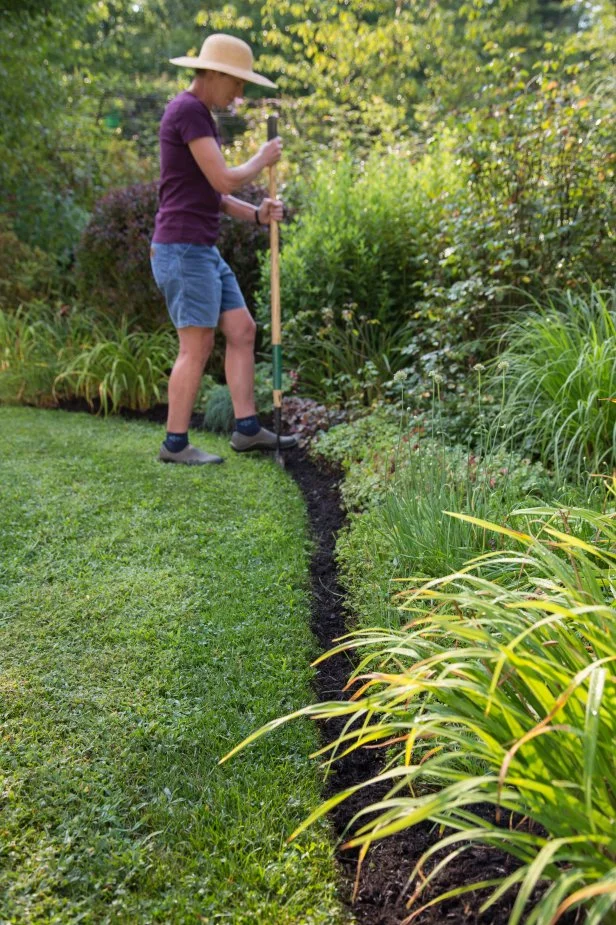
After cutting, shape the edge by smoothing the soil with a small rake or hand tool. Press soil firmly to keep the edge stable.
Water the edge lightly to help the soil settle. This prevents cracks and keeps a neat finish.
- Use a hand rake to smooth soil along edges
- Firm soil by pressing with a flat tool or your foot
- Lightly water to settle soil
- Check edges regularly and trim if needed
Credit: www.hgtv.com
Managing Clay Soil Challenges
Clay soil is thick and holds water well. It can be hard to work with for lawn edging. This soil type often causes problems like compaction and poor drainage.
To edge a lawn on clay soil, you must manage these challenges. Proper care helps grass grow strong and healthy.
Dealing With Heavy Compaction
Clay soil compacts easily when walked on or worked. This makes it hard for roots to grow and air to reach the soil. To fix compaction, you need to loosen the soil.
Use a garden fork or aerator to punch holes in the soil. This creates space for air and water. Avoid walking on the soil too much during wet weather.
- Use aeration tools to loosen soil
- Work the soil when it is dry
- Reduce foot traffic on the lawn
Improving Drainage
Clay soil holds water and drains slowly. Poor drainage can cause water to pool and harm grass roots. Improving drainage helps keep the lawn healthy.
Add organic matter like compost to the soil. This makes the soil lighter and helps water move through. You can also create small slopes to guide water away from the lawn edge.
- Add compost or aged manure
- Mix organic matter into topsoil
- Shape the soil to direct water flow
Preventing Soil Cracking
Clay soil can crack during dry periods. Cracks can damage roots and make the lawn uneven. Keeping the soil moist helps stop cracking.
Water the lawn regularly but avoid overwatering. Mulch around the edges to keep moisture in the soil. This protects the lawn and keeps cracks from forming.
- Water the lawn during dry spells
- Apply mulch near the edges
- Keep soil covered to hold moisture
Maintaining Lawn Edges Over Time
Keeping your lawn edges neat is important for a tidy yard. Clay soil can make this task harder, but with care, you can keep edges sharp.
Regular attention helps prevent grass from growing over paths and flower beds. Learn simple ways to maintain lawn edges on clay soil.
Regular Trimming Schedule
Trim your lawn edges often to stop grass from spreading. A set schedule makes the job easier and keeps edges clear.
- Trim edges every one to two weeks during growing season.
- Use a sharp edging tool or string trimmer for clean cuts.
- Clear clippings to avoid buildup along edges.
- Check edges after trimming and shape as needed.
- Adjust trimming frequency in dry or cold weather.
Reinforcing Edges With Mulch Or Borders
Adding mulch or borders helps protect edges from damage. These materials keep soil in place and reduce grass encroachment.
| Type | Benefit | Notes |
|---|---|---|
| Mulch | Retains moisture and stops weeds | Apply 2-3 inches thick |
| Stone Border | Prevents soil erosion | Use sturdy stones for stability |
| Metal or Plastic Edging | Keeps grass roots contained | Install at least 4 inches deep |
| Wooden Edging | Natural look, easy to install | Choose rot-resistant wood |
Seasonal Care Tips
Clay soil changes with the seasons. Adjust your care to keep edges healthy year-round.
- Spring: Loosen clay soil around edges to improve drainage.
- Summer: Water edges deeply but less often to prevent hard soil.
- Fall: Remove fallen leaves to stop mold and grass smothering.
- Winter: Avoid heavy foot traffic on edges to reduce soil compaction.

Credit: www.reddit.com
Frequently Asked Questions
How Do I Edge A Lawn On Clay Soil Effectively?
To edge a lawn on clay soil, first soften the soil by watering. Use a sharp spade or edging tool to create clean, defined edges. Remove excess soil and compact the edges gently to prevent erosion. Regular maintenance keeps the edges sharp and attractive.
What Tools Are Best For Edging Clay Soil Lawns?
For clay soil lawns, use a sturdy spade, half-moon edger, or a power edger. These tools cut through compact clay easily. Choose sharp blades for clean cuts. Proper tools make edging faster and result in neat, professional-looking edges.
How Often Should I Edge A Lawn On Clay Soil?
Edge your clay soil lawn every 4 to 6 weeks during the growing season. Frequent edging prevents grass from overgrowing paths or flower beds. Regular attention keeps lawn edges tidy and improves overall garden appearance.
Can I Improve Clay Soil Before Edging My Lawn?
Yes, improve clay soil by adding organic matter like compost. This enhances drainage and loosens the soil. Better soil makes edging easier and promotes healthy grass growth along the edges.
Conclusion
Edging a lawn on clay soil takes patience and care. Use sharp tools to cut through the tough ground. Keep the edges clean to stop grass from spreading. Water the soil lightly to make digging easier. Regular maintenance helps your lawn look neat and healthy.
Small efforts add up to big results over time. A well-edged lawn improves your garden’s overall look. Try these steps to keep your clay soil lawn tidy and strong.
