
Have you ever faced the frustration of dealing with stubborn plant diseases that threaten the health of your garden? If you’re nodding your head, you’re not alone.
Many gardeners find themselves in a battle against fungi that can wreak havoc on their precious plants. But here’s the intriguing question: Can a hose end sprayer be the secret weapon you need for applying fungicide effectively? Imagine transforming your garden’s health with just a simple tool you may already have in your shed.
The possibility of using a hose end sprayer for fungicide application could change the way you protect your plants, making it easier and more efficient. This method promises not only convenience but also the potential to save time and effort, allowing you to focus more on enjoying your garden rather than constantly worrying about its wellbeing. We’ll explore whether a hose end sprayer can be your go-to solution for applying fungicide. We’ll break down the pros and cons, offer practical tips, and help you understand if this approach is right for your garden. So, if you’re ready to discover a potentially game-changing technique that could keep your plants thriving, read on!
Benefits Of Hose End Sprayers
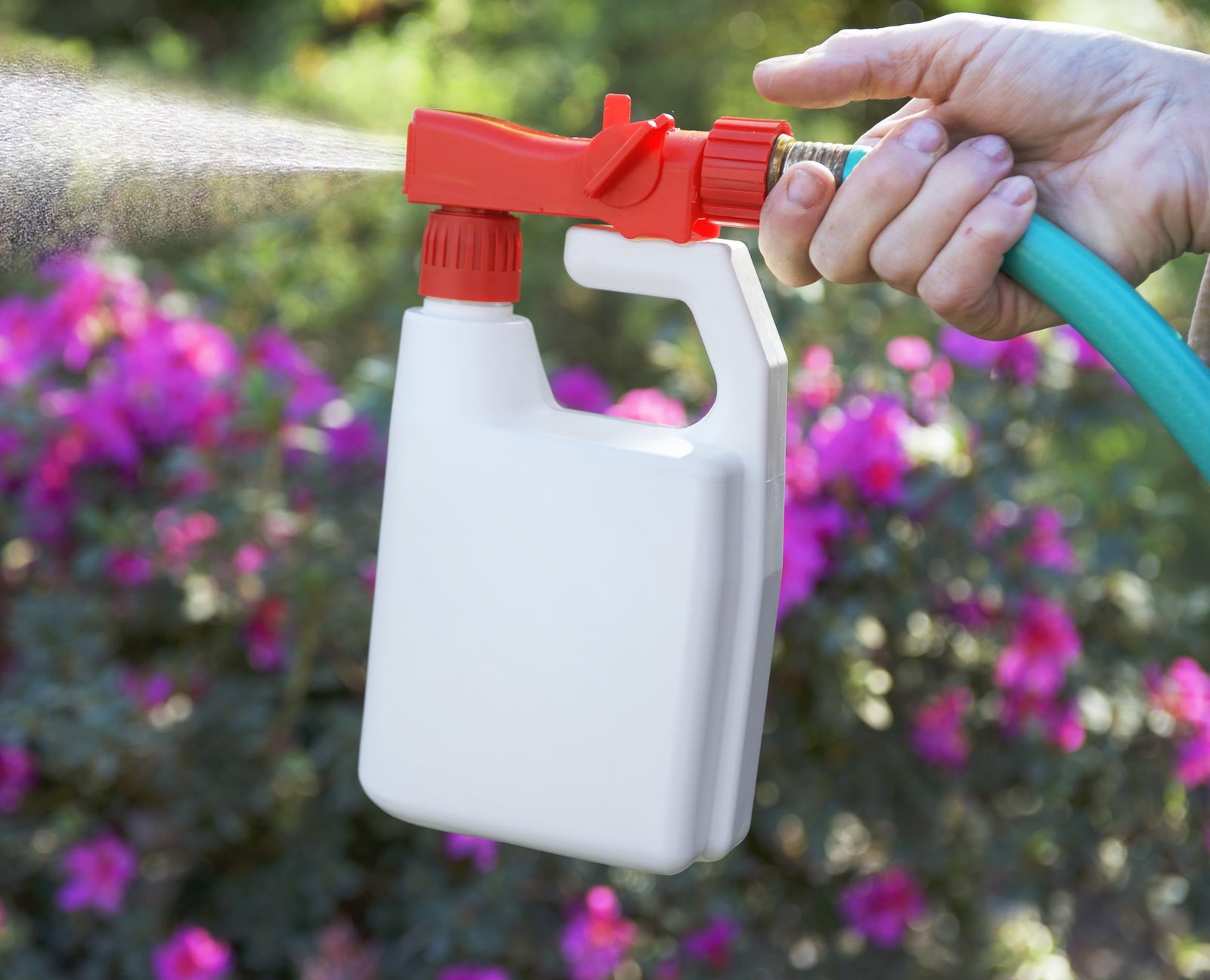
Hose end sprayers are tools that attach to garden hoses. They help apply liquids like water, fertilizers, or fungicides easily. Many gardeners use them to save time and effort.
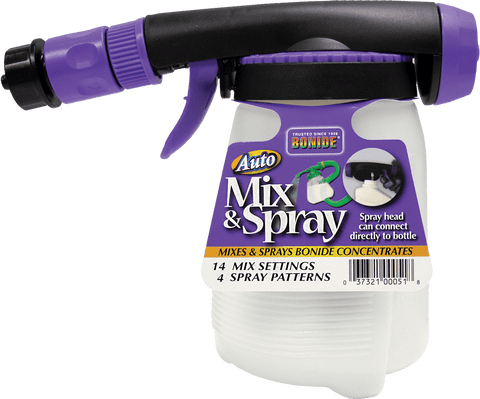
These sprayers mix the liquid automatically and spray it over plants. This makes treating large areas simple and quick. Let’s look at why hose end sprayers are helpful.
Ease Of Use And Convenience
Hose end sprayers are easy to set up. You only need to connect them to a hose and add the fungicide. The sprayer mixes the solution automatically while watering.
- No need to measure and mix by hand.
- Sprays evenly over plants.
- Lightweight and easy to carry.
- Suitable for all skill levels.
Coverage And Efficiency
These sprayers cover large areas quickly. They provide a fine spray that reaches leaves and stems well. This helps protect plants from fungal diseases better than spot treatments.
| Feature | Benefit |
|---|---|
| Adjustable spray pattern | Controls how wide the spray spreads |
| Consistent flow | Ensures even application of fungicide |
| Quick coverage | Treats large garden areas in less time |
Cost-effectiveness
Using a hose end sprayer saves money on fungicides. It mixes the right amount with water, reducing waste. This means you use only what your plants need.
Also, these sprayers reduce labor time. Less time spent spraying means lower overall costs in garden care.

Credit: www.amazon.com
Types Of Fungicides Suitable For Hose End Sprayers
Hose end sprayers make it easy to apply fungicides in gardens and lawns. Not all fungicides work well with this tool. Knowing which types fit best helps you get good results.
Some fungicides mix well with water and spray easily. Others come in solid form and may not dissolve properly. Choosing the right type keeps your plants healthy and your sprayer working right.
Liquid Vs. Granular Fungicides
Liquid fungicides are ready to mix with water. They dissolve quickly and spray evenly from hose end sprayers. This makes them a good choice for this tool.
Granular fungicides are solid particles. They need to dissolve fully before use. They often do not work well in hose end sprayers because they can clog the nozzle.
- Liquid fungicides mix easily with water.
- Granular fungicides may clog sprayers.
- Granules are better for soil application, not spraying.
- Choose liquid types for hose end sprayers.
Concentration And Dilution Factors
Fungicides need proper dilution for safe use. Hose end sprayers mix the concentrate with water automatically. Using the right concentration keeps plants safe and stops damage.
Check the label for correct dilution rates. Over-concentration can harm plants. Too little may not control fungus. Adjust the sprayer settings to match the product’s instructions.
- Follow label instructions for dilution.
- Set sprayer to the recommended rate.
- Too strong can burn plants.
- Too weak may not stop fungus.
- Test spray on a small area first.
Preparing Your Hose End Sprayer For Fungicide
Using a hose end sprayer for fungicide needs careful preparation. Cleaning and mixing the solution correctly ensures safety and effectiveness.
Follow the steps below to keep your sprayer ready and apply fungicide safely.
Cleaning And Maintenance
Before using a hose end sprayer for fungicide, clean it thoroughly. Remove any old chemicals to avoid harmful reactions.
- Detach the sprayer from the hose.
- Rinse with clean water several times.
- Use mild soap and a brush to clean the nozzle and tank.
- Flush the sprayer with water to remove soap residue.
- Let the sprayer dry completely before use.
Mixing Fungicide Solutions Safely
Mix fungicide solutions outside or in a well-ventilated area. Wear gloves and protective clothing to prevent contact with skin.
| Safety Tip | Description |
|---|---|
| Read the label | Follow the manufacturer’s mixing instructions exactly. |
| Measure accurately | Use proper tools to measure fungicide and water. |
| Add fungicide slowly | Pour fungicide into water, not the other way around. |
| Mix well | Shake or stir the solution until fully blended. |
| Check sprayer | Ensure the sprayer is clean and working before applying. |
Credit: shop.pikenursery.com
Application Tips For Effective Fungicide Spraying
When using a hose-end sprayer for fungicide, it’s essential to follow some application tips to ensure effective spraying. This includes understanding the optimal weather conditions, spraying techniques, and frequency and timing of application.
Optimal Weather Conditions
Optimal weather conditions for fungicide spraying include cool, calm weather with low winds. Avoid spraying during intense sunlight or heavy rain, as this can reduce the effectiveness of the fungicide.
- Temperature: 60-80°F (15-27°C) for optimal absorption
- Humidity: Low to moderate humidity for best results
- Wind: Light winds or calm conditions for even coverage
Spraying Techniques For Even Coverage
To achieve even coverage with your hose-end sprayer, start by spraying a test area to ensure the correct dosage and coverage. Move the sprayer in a steady, back-and-forth motion to cover the entire area.
- Hold the sprayer 12-18 inches away from the plant
- Move the sprayer in a steady, back-and-forth motion
- Overlap your passes to ensure complete coverage
Frequency And Timing
The frequency and timing of fungicide application depend on the specific product and the severity of the disease. Typically, fungicides are applied every 7-14 days, starting at the first sign of disease.
It’s essential to follow the product label instructions and take note of any specific timing or frequency recommendations. Additionally, consider the growth stage and environmental factors when determining the best application schedule.
Common Mistakes To Avoid
Using a hose end sprayer for fungicide can be easy if done right. Many people make simple mistakes that cause problems.
Knowing what to avoid helps you use the sprayer safely and effectively. Read about common errors to protect your plants and yourself.
Over-application Risks
Applying too much fungicide can harm plants and waste the product. Hose end sprayers may deliver more than needed if not checked carefully.
Overuse can cause leaf burn, damage roots, and reduce plant growth. It also increases the chance of fungus becoming resistant.
- Follow the label instructions for the right amount.
- Test the sprayer on a small area first.
- Adjust the sprayer settings to control flow rate.
- Spray only when plants need treatment, not too often.
Ignoring Safety Precautions
Fungicides can be harmful to people and pets if safety rules are ignored. Hose end sprayers spread chemicals over a wide area.
Always wear protective gear and keep children and animals away while spraying. Clean the sprayer after use to avoid contamination.
- Wear gloves, goggles, and a mask when spraying.
- Do not spray on windy days to avoid drift.
- Store fungicides out of reach of children and pets.
- Wash hands and clothes after handling fungicides.
Credit: www.thelawnforum.com
Enhancing Yard Health Beyond Fungicide
Using a hose end sprayer for fungicide helps fight lawn diseases. You can do more to keep your yard healthy. Good yard care includes many simple steps.
This guide shows ways to improve yard health along with fungicide use. It covers lawn care and pest control tips.
Complementary Lawn Care Practices
Healthy lawns resist diseases better. Follow these practices to support your lawn:
- Mow grass at the right height to avoid stress.
- Water deeply but less often to encourage roots.
- Use fertilizer based on soil tests for balanced nutrition.
- Remove leaves and debris to prevent mold growth.
- Aerate soil to improve air and water flow.
Integrated Pest And Disease Management
Managing pests and diseases together protects your lawn naturally. Use these steps to keep problems low:
| Method | Description |
| Monitoring | Regularly check plants for signs of pests or diseases. |
| Biological Control | Use natural predators to reduce harmful insects. |
| Cultural Practices | Change watering and mowing to lower disease risks. |
| Chemical Control | Apply fungicides and pesticides only when needed. |
Frequently Asked Questions
Can A Hose End Sprayer Apply Fungicide Effectively?
Yes, a hose end sprayer can apply fungicide effectively. It evenly distributes the solution over plants. Ensure proper dilution and mixing for best results.
What Types Of Fungicides Work With Hose End Sprayers?
Water-based fungicides are best for hose end sprayers. Avoid thick or oil-based products to prevent clogging. Always read the label for compatibility.
How To Prevent Clogging In A Hose End Sprayer?
To prevent clogging, strain fungicide solutions before use. Clean the sprayer regularly and use only recommended products. Proper maintenance extends sprayer life.
Is A Hose End Sprayer Safe For All Plants?
Generally, yes, but always check fungicide labels. Some plants may be sensitive to certain chemicals. Test on a small area first to avoid damage.
Conclusion
A hose end sprayer can work well for applying fungicide. It helps spread the product evenly over plants. Using it saves time and effort compared to hand spraying. Always follow the fungicide instructions carefully for best results. Check the sprayer for proper mixing and flow.
This tool suits many garden and lawn needs. With the right care, it keeps plants healthy and free from disease. Simple, effective, and easy to use—just what you need.

