
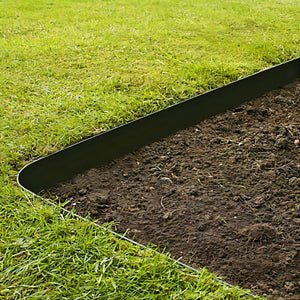
Do you ever find yourself frustrated with your garden’s messy edges or grass creeping where it shouldn’t? If so, you’re not alone.
Many homeowners face the same challenge, and the solution might be simpler than you think. The secret lies in getting your lawn edging just right. But how deep should lawn edging be to keep your garden looking sharp and tidy?
This question might seem minor, yet it holds the key to a picture-perfect outdoor space. Understanding the ideal depth for lawn edging can make all the difference in maintaining a well-manicured lawn. Keep reading to discover practical tips and expert insights that will transform your garden and save you time and effort. Your pathway to a pristine lawn starts here.
Choosing The Right Depth
Setting the correct depth for lawn edging is important for a neat look. It helps keep grass and soil in place.
The depth depends on many factors like soil type and edging material. Knowing these helps you choose well.
Factors Influencing Depth
The depth of lawn edging depends on how strong and stable you want it. Different uses need different depths.
For example, edging near heavy foot traffic needs to be deeper. Lawn edging by flower beds can be shallower.
- Type of edging material
- Purpose of edging
- Amount of foot traffic
- Climate and weather conditions
Common Depth Measurements
Most lawn edging pieces are set between 4 and 8 inches deep. This depth holds them firmly in place.
Shallow edging may fall over easily. Too deep might waste materials and effort.
- 4 inches for light edging and soft soil
- 6 inches for general use and average soil
- 8 inches or more for heavy-duty edging
Soil Type Considerations
Soil type changes how deep you should place lawn edging. Loose soil needs deeper edging for stability.
Hard or rocky soil may require shallower depth but strong anchoring. Wet soil may cause shifting if too shallow.
| Soil Type | Recommended Edging Depth |
|---|---|
| Loose or Sandy Soil | 6 to 8 inches |
| Clay or Wet Soil | 6 inches or more |
| Rocky or Hard Soil | 4 to 6 inches |

Credit: www.redfin.com
Tools For Lawn Edging
Choosing the right tools for lawn edging helps create neat borders. The depth of edging depends on the tools used and the lawn type.
Good tools make edging easier and give better results. You need tools for cutting, measuring, and marking the edges.
Manual Edging Tools
Manual tools are simple and easy to use for small jobs. They work well for shallow edging and precise cuts.
Common manual tools include spades, half-moon edgers, and hand trowels. These tools let you control the depth and shape.
- Spade – straight blade for cutting deep edges
- Half-moon edger – curved blade for smooth edges
- Hand trowel – small tool for detail work
Power Edgers
Power edgers are useful for larger lawns or tougher soil. They cut deeper and faster than manual tools.
These tools use gas or electricity and have spinning blades or discs. They can cut edges up to 4-6 inches deep easily.
- Gas-powered edgers – strong and portable
- Electric edgers – quieter and lighter
- Blade types vary for different soil and depth needs
Measuring And Marking Equipment
Measuring tools help keep your lawn edges straight and even. Marking tools show where to cut and how deep.
Common tools include tape measures, marking paint, and string lines. These tools help plan your edging before cutting.
- Tape measure – measures length and depth
- Marking paint – marks edges clearly
- String line – keeps edges straight and level
Step-by-step Edging Process
Lawn edging keeps your yard looking neat and tidy. It creates a clear border between grass and garden beds or paths.
Knowing how deep to cut your lawn edging helps plants and grass grow well. Follow these steps to get a clean, lasting edge.
Preparing The Lawn Edge
Mark the edge where you want to cut. Use a garden hose or string to create a smooth line.
Clear any debris, rocks, or plants from the area. This makes cutting easier and cleaner.
Cutting The Edge
Use a sharp spade or edging tool to cut along the marked line. Cut straight down to avoid uneven edges.
The edging depth should be about 4 to 6 inches deep. This depth keeps grass roots separated from garden beds.
- Cut deep enough to stop grass from spreading
- Keep the edge clean and straight
- Work slowly to avoid damaging roots
Cleaning And Shaping
Remove the cut sod and soil from the trench. This creates a clean separation between lawn and garden.
Use a garden knife or trowel to shape the edge. Make sure it is smooth and even along the entire line.
- Clear all loose soil and grass
- Smooth the edge for a neat look
- Check the depth regularly for consistency
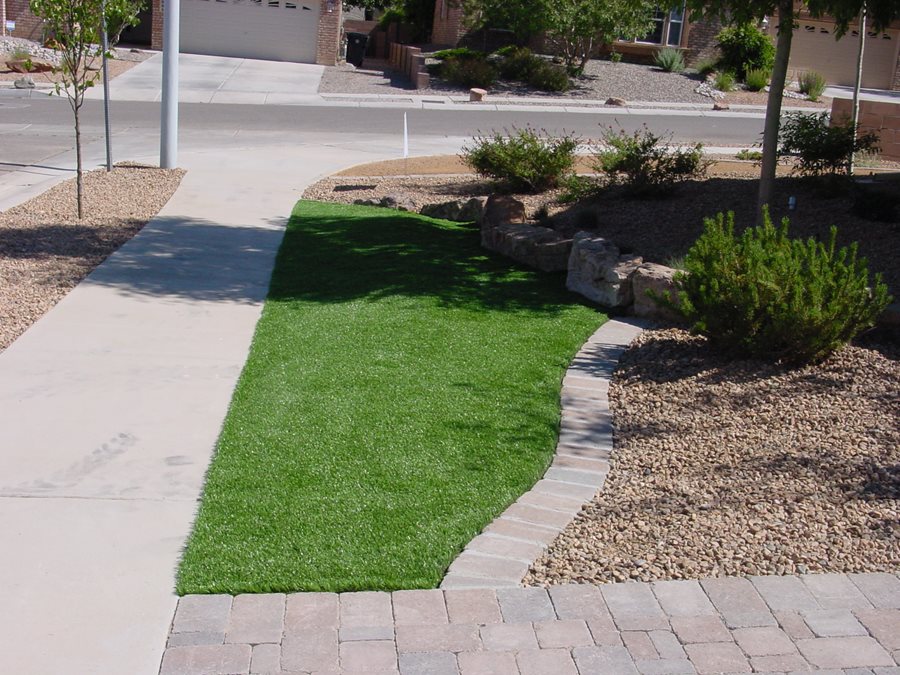
Credit: www.landscapingnetwork.com
Avoiding Common Mistakes
Setting the right depth for lawn edging helps keep your garden neat. Too shallow or too deep edging can cause problems with grass and soil.
This guide explains common errors and how to avoid them for a clean and healthy lawn border.
Too Shallow Edging Issues
Edging that is too shallow can cause the border to lose shape quickly. It may let grass roots grow under the edging, making it hard to maintain.
- Grass can grow over the edge and look messy.
- Soil may wash away in rain, creating uneven edges.
- Edging pieces can move or tip over easily.
- It may allow weeds to spread into flower beds.
Overly Deep Edging Problems
Digging too deep wastes time and effort. It can also harm the lawn by cutting grass roots too far down.
| Problem | Effect |
| Damage to grass roots | Slower lawn growth and patches |
| Excess soil disturbance | Uneven ground surface |
| Hard to install edging evenly | Edges look crooked or uneven |
| More time and effort needed | Increased labor with no benefit |
Maintaining Straight Lines
Straight lawn edges look tidy and professional. Keeping lines straight is easier if you follow a clear process.
- Use a string line or garden hose as a guide.
- Mark the edge with spray paint or chalk.
- Dig along the marked line carefully.
- Check your work often to keep the line straight.
Maintaining Edged Borders
Lawn edging gives your yard a neat and tidy look. Proper care keeps the borders sharp and clear. This guide helps you maintain edged borders easily.
Regular attention to trimming, weed control, and seasonal care ensures your edging stays healthy and attractive all year.
Regular Trimming
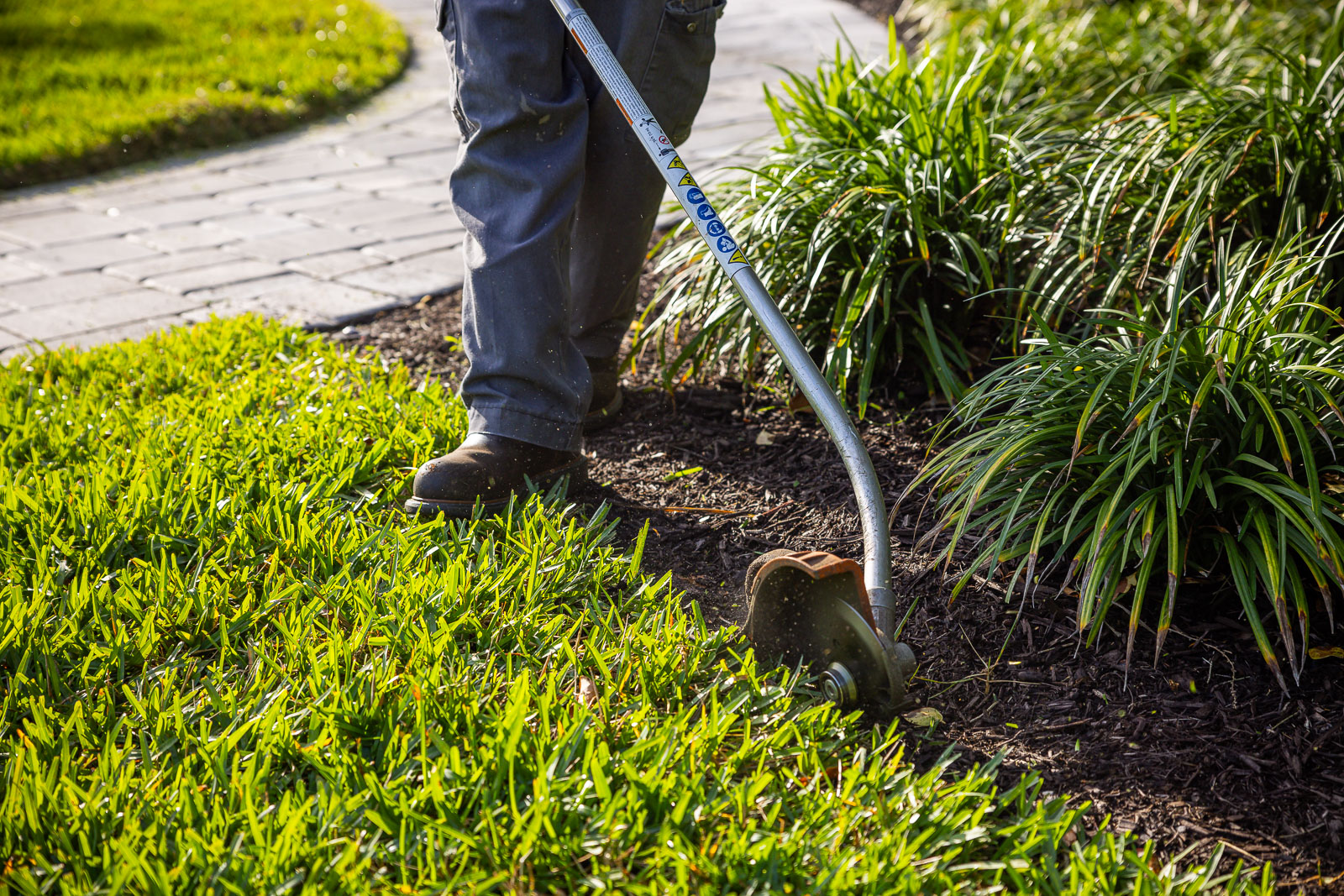
Trim the grass along the edges every week or two. This stops grass from growing over the border. Use a string trimmer or edging tool for clean lines.
- Cut grass to about one inch above the edge
- Remove clippings to avoid buildup
- Check for any loose edging material
- Trim after rain for easier cutting
Weed Control
Weeds can ruin the sharp look of your edged borders. Remove weeds as soon as you see them. Use mulch or landscape fabric under the edging to reduce weed growth.
| Method | Details |
| Manual Pulling | Pull weeds by hand when soil is moist |
| Mulching | Apply 2-3 inches of mulch around edges |
| Herbicide | Spot treat with weed killer, avoid grass contact |
Seasonal Care Tips
Edged borders need special care during season changes. Clean debris and check edging depth in spring and fall. Adjust edging if soil shifts after winter.
- Spring: Clear leaves and debris
- Summer: Water edges during dry spells
- Fall: Inspect and reset edging depth
- Winter: Remove snow buildup to prevent damage
Credit: tropicalgardenslandscape.com
Enhancing Lawn Borders
Creating clear lawn edges improves your garden’s look. Proper edging keeps grass from spreading into flower beds.
The depth of your lawn edging affects how well borders stay neat and tidy. Let’s explore ways to enhance lawn borders.
Adding Mulch Or Stones
Mulch or stones add texture and color to lawn edges. They help keep weeds down and soil moist.
- Choose mulch or stones that suit your garden style.
- Lay edging at least 4 to 6 inches deep to hold materials in place.
- Keep a clear line between lawn and mulch to avoid grass invasion.
Installing Decorative Edging
Decorative edging adds charm and structure to your lawn borders. It can be made from metal, plastic, or stone.
| Material | Recommended Depth | Benefits |
|---|---|---|
| Metal | 6 to 8 inches | Durable and flexible |
| Plastic | 4 to 6 inches | Affordable and easy to install |
| Stone | 8 to 12 inches | Natural look and sturdy |
Combining Plants For Visual Appeal
Using plants along lawn edges softens borders and adds color. Choose low-growing plants to keep edges neat.
- Plant ground covers to fill gaps between edging and lawn.
- Use flowering plants to add seasonal interest.
- Trim plants regularly to maintain clear edges.
Frequently Asked Questions
How Deep Should Lawn Edging Be Installed?
Lawn edging should be installed about 4 to 6 inches deep. This depth ensures a clean separation between grass and garden beds. It prevents grass roots from spreading into flower beds and keeps mulch in place. Proper depth also helps maintain a neat lawn appearance.
Why Is The Depth Of Lawn Edging Important?
The depth of lawn edging is important to stop grass roots from invading garden beds. It also prevents soil and mulch from mixing with the lawn. Proper depth secures the edging firmly in the ground, enhancing durability and maintaining a sharp, clean lawn border.
Can Lawn Edging Be Too Deep?
Yes, lawn edging can be too deep if buried more than 6 inches. Excessive depth wastes materials and makes installation harder. It may also cause drainage problems. Sticking to 4 to 6 inches depth is ideal for stability and functionality.
How To Choose The Right Depth For Different Edging Materials?
Different materials like plastic, metal, or stone need varying depths. Plastic edging usually requires 4 to 6 inches. Metal edging benefits from 5 to 7 inches for stability. Stone edging might need deeper placement depending on stone size and weight.
Conclusion
Proper lawn edging depth keeps your garden neat and healthy. Dig deep enough to block grass roots and soil movement. Too shallow, and weeds may grow over the edge. Too deep, and you waste effort without extra benefit. A depth of 4 to 6 inches works well for most lawns.
This helps maintain clear borders and prevents grass from spreading. Regular checks ensure your edging stays effective and tidy. Simple steps like these make your lawn look cared for and clean all year.
