
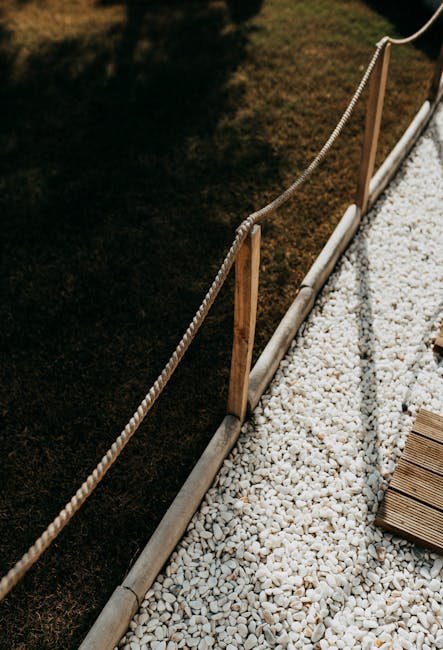
Imagine stepping into your garden and being greeted by a beautifully defined space that not only enhances the beauty of your plants but also adds structure and style. This is what a well-chosen garden border can do.
If you’ve been looking for ways to elevate your outdoor area, you’re in the right place. Decorative garden borders can transform your yard from ordinary to extraordinary, giving it a polished look without breaking the bank. You’ll discover a variety of garden border ideas that are both practical and aesthetically pleasing.
Whether you prefer a classic stone edge or a more whimsical, colorful design, there’s something here to match your taste and budget. With these ideas, you can create a garden that not only reflects your personality but also invites admiration and relaxation. Stay with us, and let’s explore how you can turn your garden into a stunning outdoor retreat.
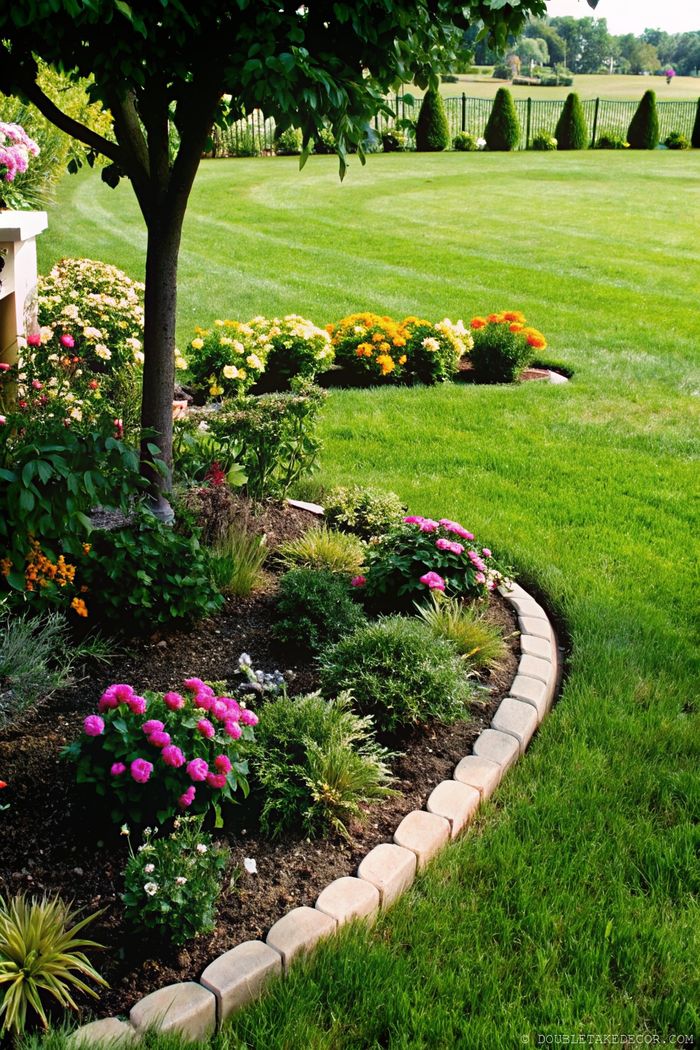
Credit: doubletakedecor.com
Natural Stone Borders
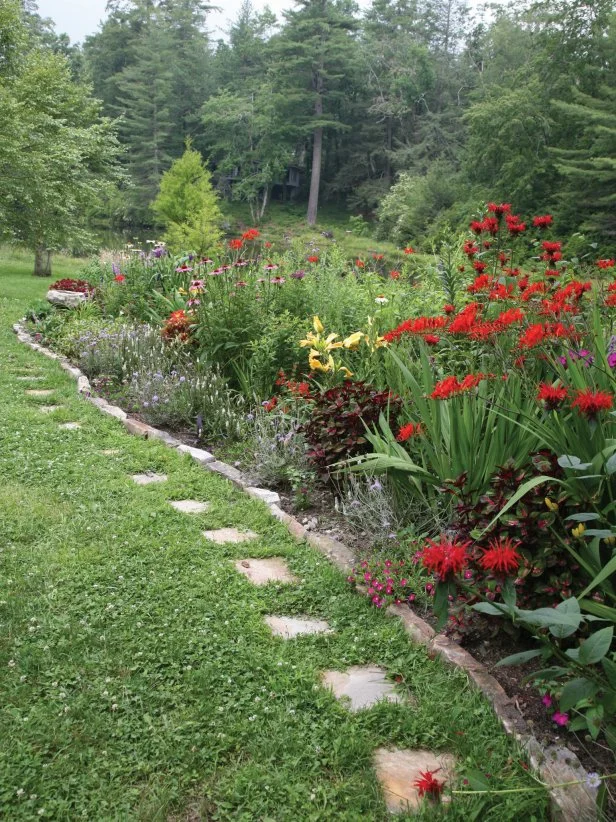
Natural stone borders add beauty and structure to any garden. They create a clear edge that separates flower beds from lawns or paths.
Using stones gives a natural look that blends well with plants and soil. Stones come in many shapes, colors, and sizes.
Choosing The Right Stone
Select stones that match your garden style and climate. Some stones are smooth, others rough. Choose what fits your design.
Consider the stone’s color and size. Larger stones create bold borders. Smaller stones give a subtle look.
- Limestone: light color, good for soft looks
- Granite: strong and durable with many colors
- Slate: flat and dark, ideal for modern gardens
- Fieldstone: natural, irregular shapes for rustic style
Installation Tips
Prepare the ground by clearing grass and debris. Dig a shallow trench where the stones will sit.
Place stones tightly together to prevent shifting. Use sand or gravel under stones for better stability.
- Mark the border line with string or spray paint
- Dig a trench about 4 inches deep
- Add a layer of gravel or sand for drainage
- Lay stones in desired pattern
- Fill gaps with soil or smaller stones
Maintenance And Longevity
Check your stone border regularly for loose stones. Fix any stones that have moved to keep the border neat.
Clean stones by brushing off dirt and moss. Avoid harsh chemicals that can damage natural stone.
- Remove weeds growing between stones
- Replace broken or chipped stones as needed
- Re-level stones if they settle unevenly
- Use mild soap and water for cleaning
Wooden Edging Styles
Wooden garden borders add charm and structure to outdoor spaces. They create clear edges for flower beds and paths.
There are many ways to use wood for garden edging. You can choose styles that fit your garden’s look and needs.
Types Of Wood For Garden Borders
Some woods last longer outside and resist decay better. Choosing the right wood keeps your border strong for years.
- Cedar – Naturally resists rot and insects.
- Redwood – Durable and has a nice color.
- Pine – Affordable but needs treatment to last.
- Teak – Very strong but expensive.
- Pressure-Treated Wood – Chemically treated to resist decay.
Creative Wooden Designs
Wood can be used in many creative ways for garden edges. You can shape it, stack it, or arrange it uniquely.
- Rounded logs placed side by side for a rustic look.
- Thin wooden stakes lined up vertically for a picket fence style.
- Stacked horizontal planks for a clean modern border.
- Curved wooden strips to follow garden paths smoothly.
- Wooden blocks set at different heights for texture.
Protecting Wood From Weather
Wood exposed to sun and rain can crack or rot. Protecting it helps your garden border last longer.
- Apply sealant or wood preservative every year.
- Use paint or stain to add color and protection.
- Keep wood off the ground with gravel or stones.
- Choose woods that naturally resist moisture.
- Check regularly for signs of damage or decay.
Metal Garden Edges
Metal garden edges add style and structure to outdoor spaces. They create clean lines that separate plants from pathways.
These edges come in many metals and finishes. They fit both modern and traditional garden designs.
Popular Metals And Finishes
Common metals for garden edges include steel, aluminum, and copper. Each metal offers unique looks and benefits.
- Steel:Strong and affordable. Can be galvanized or powder-coated to prevent rust.
- Aluminum:Lightweight and rust-resistant. Often has a smooth, modern finish.
- Copper:Starts shiny and turns green over time. Adds a vintage charm.
- Rustic finishes:Weathered metals give natural, aged looks.
Modern And Industrial Looks
Metal edges suit modern and industrial garden designs well. Their clean shapes match minimalist spaces.
Design tips for modern metal edges:
- Use straight or geometric shapes.
- Choose dark or matte finishes.
- Combine metals with concrete or stone.
- Keep garden beds neat and simple.
Durability And Care
Metal edges last long but need some care. Proper upkeep keeps them looking good and safe.
| Metal Type | Care Tips | Durability |
| Steel | Check for rust, repaint or seal if needed. | High with maintenance. |
| Aluminum | Clean with mild soap; low rust risk. | Very high. |
| Copper | Wipe to remove dirt; natural patina protects. | High, patina adds protection. |
Credit: www.hgtv.com
Brick And Concrete Borders
Brick and concrete borders add style and structure to your garden. These materials last long and suit many garden themes.
They help separate flower beds, walkways, and lawns. You can find many patterns and ways to install them yourself.
Patterns And Layout Ideas
Choosing the right pattern makes your garden border look neat and attractive. Brick and concrete borders offer several layout options.
- Running Bond: bricks laid in a straight line, staggered joints.
- Stack Bond: bricks stacked directly on top of each other.
- Herringbone: bricks arranged in a zigzag pattern.
- Basket Weave: pairs of bricks alternated to create a woven look.
- Soldier Course: bricks placed vertically along the edge.
Diy Installation Guide
Installing your border is easy if you follow simple steps. You need basic tools and materials for the job.
- Mark the border line using string and stakes.
- Dig a trench about 6 inches deep and 4 inches wide.
- Add a layer of gravel for drainage and compact it.
- Mix concrete for the base if needed to secure the border.
- Place bricks or concrete blocks tightly side by side.
- Fill gaps with sand or mortar and compact well.
- Check the alignment with a level and adjust if needed.
Combining With Other Materials
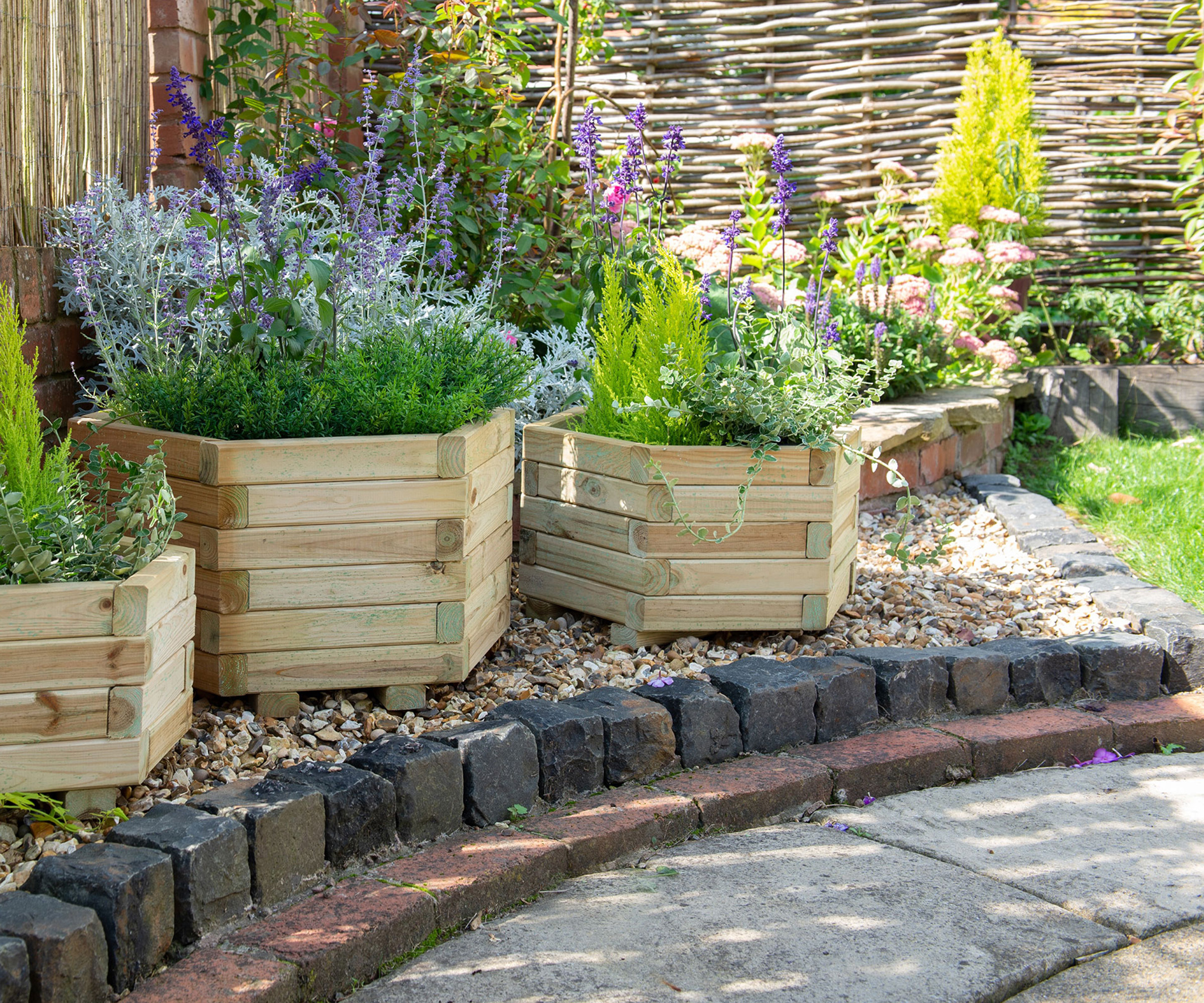
Mixing bricks and concrete with other materials adds texture and color. Wood, stones, and metal can complement your border.
| Material | Use | Effect |
| Wood | Caps or edging | Warm and natural look |
| River Stones | Fill gaps or base | Soft contrast and texture |
| Metal | Decorative strips | Modern and sleek style |
| Gravel | Base layer | Good drainage and clean finish |
Plant-based Borders
Decorative garden borders made with plants add natural beauty to outdoor spaces. They create clear edges and guide the eye.
Plant-based borders can be simple or complex. They provide texture, color, and structure to gardens.
Low-growing Shrubs And Hedges
Low-growing shrubs and hedges form neat, green borders. They keep garden edges tidy and well-defined.
These plants stay short and need little trimming. They work well along paths and flower beds.
- Dwarf boxwood
- Dwarf holly
- Lavender
- Heath
- Euonymus
Flowering Border Plants
Flowering plants add color and charm to garden borders. They attract pollinators like bees and butterflies.
Choose plants that bloom at different times. This gives your border color through many seasons.
- Coreopsis
- Black-eyed Susan
- Salvia
- Daylilies
- Sweet alyssum
Seasonal Color Options
Changing plants seasonally keeps your border fresh and lively. Use bulbs, annuals, and perennials for variety.
Spring, summer, and fall colors brighten the garden at different times. Plan your border to include all seasons.
| Season | Plants | Colors |
|---|---|---|
| Spring | Tulips, Daffodils, Hyacinths | Pink, Yellow, Purple |
| Summer | Zinnias, Marigolds, Petunias | Red, Orange, White |
| Fall | Chrysanthemums, Asters, Sedum | Gold, Burgundy, Pink |
Creative And Upcycled Borders
Decorative garden borders can add charm and style to any outdoor space. Using creative and upcycled materials helps save money and reduce waste.
These borders also bring a unique look that shows off your personality and care for the environment.
Using Recycled Materials
Recycled materials make excellent garden borders. Old bricks, broken pottery, and reclaimed wood are perfect for edging your flower beds or pathways.
- Use old wine bottles by placing them neck down along the border.
- Stack leftover bricks to create a rustic edge.
- Arrange broken tiles in colorful patterns for a mosaic border.
- Cut old wooden pallets into small planks and line them up.
Unique Diy Projects
DIY garden borders let you add a personal touch. You can create shapes or themes to match your garden style.
| Project Idea | Materials Needed | Effect |
|---|---|---|
| Painted Rock Border | Rocks, paint, sealant | Bright and playful edge |
| Tin Can Lanterns | Old cans, hammer, nails, candles | Lighted, rustic border |
| Wine Cork Fence | Used corks, wire mesh, glue | Natural and textured look |
Eco-friendly Garden Edging
Eco-friendly borders protect the environment and promote healthy garden growth. Natural materials break down and enrich the soil.
- Bamboo stakes are durable and biodegradable.
- Pine cones can create a soft, natural edge.
- Logs or branches arranged side by side form a woodland border.
- Leaves and straw make a temporary mulch border that improves soil.
Lighting And Decorative Accents
Decorative garden borders add charm and style to your outdoor space. Lighting and accents make them stand out.
Using lights and decorations can create a warm and inviting garden all day and night.
Incorporating Solar Lights
Solar lights are a simple way to brighten garden borders. They use sunlight to charge during the day.
At night, they glow softly without any wiring or electricity costs.
- Place solar lights evenly along the border
- Choose warm white or soft colors for a cozy feel
- Pick lights with stakes for easy installation
- Clean solar panels regularly to keep them bright
Adding Garden Statues And Ornaments
Garden statues and ornaments add personality to your borders. They create focal points and interest.
Choose pieces that match your garden style and size. Small statues suit small borders well.
- Stone or ceramic statues offer a classic look
- Metal ornaments add modern or rustic charm
- Animal figures bring nature-inspired fun
- Place statues where they catch light and view
Enhancing Borders At Night
Nighttime lighting makes garden borders magical. It highlights shapes and textures in the dark.
Use spotlights or string lights to create layers of light and shadow.
- Spotlight statues or plants for drama
- String lights add a soft, festive glow
- Use timers or sensors to save energy
- Mix different light types for depth
Credit: www.homebuilding.co.uk
Frequently Asked Questions
What Materials Are Best For Decorative Garden Borders?
Popular materials include wood, stone, brick, metal, and plastic. Each offers unique aesthetics and durability. Choose based on garden style and climate conditions for best results.
How Do Garden Borders Improve Landscape Design?
Garden borders define spaces, add structure, and enhance visual appeal. They create clear separations between lawns and flower beds. This organization boosts overall garden harmony and attractiveness.
Can I Create Garden Borders On A Budget?
Yes, using natural materials like rocks, reclaimed wood, or recycled bricks cuts costs. DIY projects also save money while allowing customization. Simple borders can still look stylish and functional.
How To Maintain Decorative Garden Borders Effectively?
Regular cleaning, trimming nearby plants, and repairing damaged sections keep borders neat. Applying sealants on wood or stone extends lifespan. Proper upkeep maintains garden beauty and border functionality.
Conclusion
Decorative garden borders add charm and structure to any outdoor space. They help define areas and make gardens look neat. Choose materials and styles that fit your taste and garden size. Simple borders can highlight flowers and plants beautifully. Experiment with colors and shapes for a unique look.
Small changes can bring big improvements. Enjoy creating a garden that feels welcoming and peaceful. Your outdoor space deserves a border that shows your style.
