
Are you tired of your lawn looking dull and lifeless? Imagine stepping out into your backyard and sinking your toes into lush, vibrant grass.
If that sounds like a dream, you’re in the right place! Aeration might just be the secret weapon your lawn needs. By following a simple step-by-step aeration guide, you can transform your yard into a green oasis. This guide will empower you with the knowledge to breathe new life into your soil, ensuring your grass thrives.
Ready to give your lawn the love it deserves? Let’s dive in and uncover the secrets to a healthier, happier yard.

Credit: www.thelawnfirm.com.au
Benefits Of Lawn Aeration
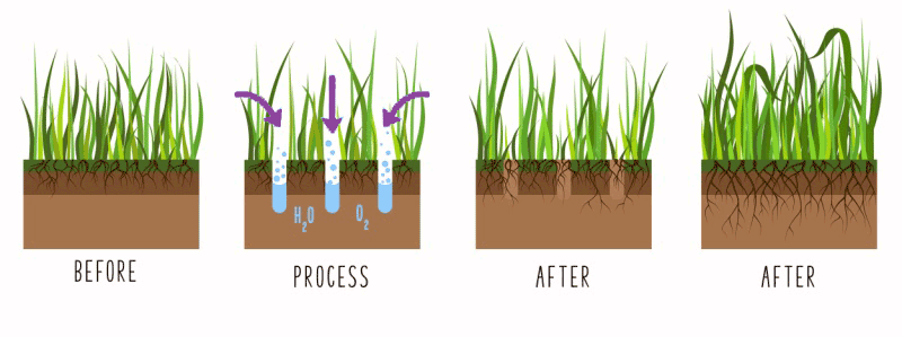
Lawn aeration helps your grass grow strong and healthy. It creates small holes in the soil to allow air, water, and nutrients to reach the roots.
This process improves the overall condition of your lawn. It supports better growth and helps prevent problems caused by soil compaction.
Improved Soil Health
Aeration loosens the soil and increases oxygen flow. This supports beneficial bacteria and microbes that keep the soil healthy.
Enhanced Nutrient Absorption
When soil is aerated, nutrients can reach grass roots more easily. This helps the grass absorb what it needs to grow well.
- Fertilizers work better with aerated soil
- Grass takes up minerals and nutrients faster
- Healthier grass resists pests and diseases
Better Water Penetration
Aeration helps water soak deeper into the ground. This reduces runoff and keeps roots hydrated during dry times.
| Benefit | Before Aeration | After Aeration |
| Water Absorption | Slow, surface runoff | Deep, steady absorption |
| Soil Moisture | Uneven, dry spots | Even, moist soil |
| Root Growth | Shallow roots | Strong, deep roots |
Reduced Soil Compaction
Heavy foot traffic and lawn equipment can compact soil. Aeration breaks up this compacted soil and makes space for roots.
- Water pools on the surface
- Grass looks thin or patchy
- Soil feels hard when you dig
When To Aerate Your Lawn
Aerating your lawn helps grass grow strong and healthy. It lets air, water, and nutrients reach the roots better.
Knowing the right time to aerate makes the process more effective. This guide explains when to aerate your lawn.
Best Seasons For Aeration
The best time to aerate depends on your grass type. Aerate when grass grows the fastest to help it recover quickly.
For cool-season grasses, aerate in early spring or fall. For warm-season grasses, aerate in late spring or early summer.
- Cool-season grass: early spring or fall
- Warm-season grass: late spring or early summer
Signs Your Lawn Needs Aeration
Look for these signs to know if your lawn needs aeration. These problems show the soil is compacted and roots struggle.
- Water puddles on the surface after rain
- Grass looks thin or patchy
- Soil feels hard when pressed
- Grass roots are shallow or weak
- Heavy foot traffic or pet use
Frequency Of Aeration
Aerate your lawn regularly to keep soil healthy. The frequency depends on soil type and lawn use.
Lawns with heavy clay soil or high foot traffic need aeration more often. Most lawns benefit from aeration once a year.
- Heavy clay or compacted soil: twice a year
- Normal soil with moderate use: once a year
- Sandy soil or low traffic: every two years
Types Of Aeration Tools
Aeration helps your lawn stay healthy by letting air, water, and nutrients reach the roots. Different tools do this job in different ways.
Choosing the right aeration tool depends on your lawn size and condition. Here are common types of aerators to know.
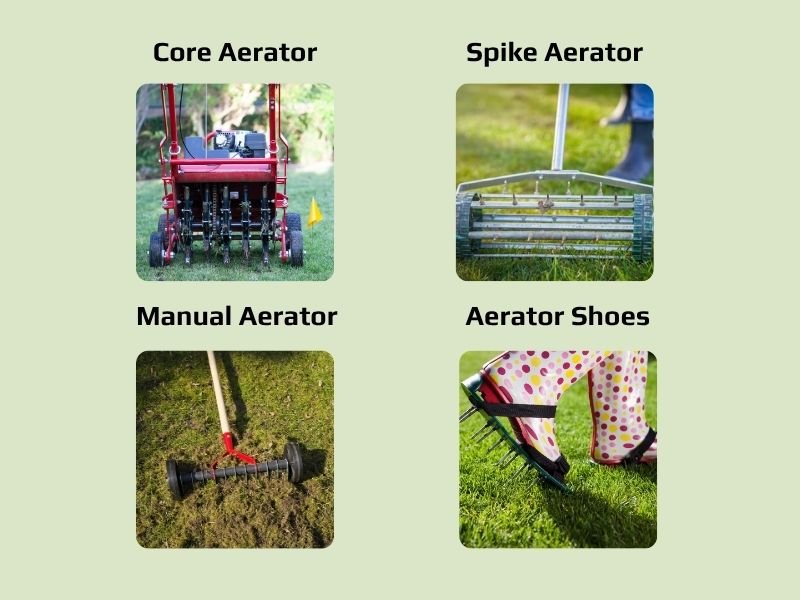
Spike Aerators
Spike aerators use solid spikes to poke holes in the soil. This creates space for air and water to reach roots.
They are easy to use but only push soil aside. This can cause more soil compaction around the holes.
- Good for small lawns
- Simple and affordable
- Less effective on hard soil
Core Aerators
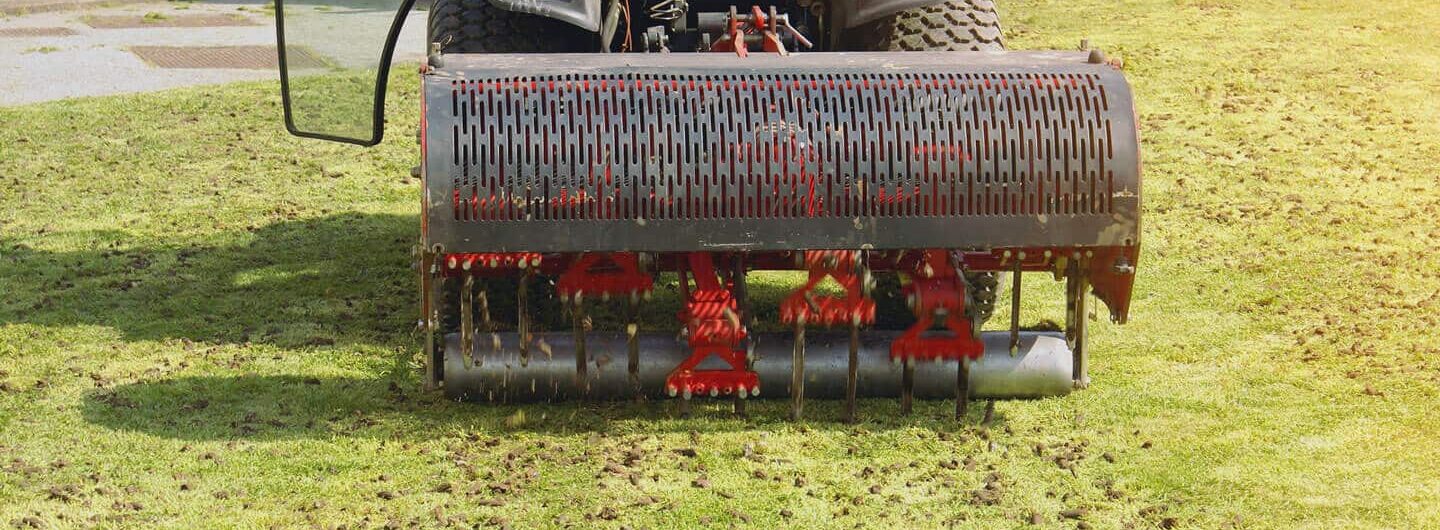
Core aerators pull out small plugs of soil from the lawn. This helps reduce soil compaction better than spike aerators.
The holes left by core aerators allow better air, water, and nutrient flow to the roots.
- Works well on compacted soil
- Improves lawn health faster
- Plugs can be left to break down naturally
Manual Vs. Powered Aerators
Manual aerators require physical effort and are best for small areas. They are quiet and easy to store.
Powered aerators use gas or electricity to make aerating faster. They work well on larger lawns but cost more.
- Manual: affordable, good for small yards
- Powered: faster, better for big lawns
- Manual needs more effort
- Powered needs fuel or charging
Preparing Your Lawn For Aeration
Aerating your lawn helps grass grow strong and healthy. It reduces soil compaction and improves air flow. Proper preparation makes aeration more effective.
Before aerating, follow simple steps to prepare your lawn. These steps include mowing, watering, and clearing debris. Each step helps the aerator work better.
Mowing Tips
Cut your grass shorter than usual before aeration. This helps the aerator reach the soil easily. Remove grass clippings after mowing to keep the surface clean.
- Set mower blade lower than normal
- Mow the lawn evenly
- Clear away grass clippings
- Avoid mowing wet grass
Watering Schedule
Water your lawn a day or two before aerating. Moist soil is softer and easier to pierce. Avoid overwatering because soggy soil can be damaged.
| Day | Watering Action |
| 2 days before | Water deeply for 1 hour |
| 1 day before | No watering |
| Day of aeration | Do not water |
Clearing Debris
Remove leaves, sticks, and stones from your lawn. Debris blocks the aerator and can cause damage. Clear the area completely for smooth operation.
Here is a quick checklist for clearing debris:
- Rake leaves and twigs
- Pick up stones and large sticks
- Clear garden tools and toys
- Inspect lawn for hidden trash
Step By Step Aeration Process
Aeration helps your lawn grow healthy and strong. It allows air, water, and nutrients to reach the roots.
Follow these steps to aerate your lawn correctly and improve its condition.
Marking Obstacles
Look for objects on your lawn that can block the aerator. These can include rocks, toys, and garden furniture.
Mark these obstacles with flags or cones to avoid damaging your equipment or the lawn.
- Check the entire lawn area carefully
- Remove small debris if possible
- Mark larger obstacles clearly
- Keep pets and children away during aeration
Aerating The Lawn
Use a lawn aerator to make holes in the soil. These holes help air, water, and nutrients reach grass roots.
Walk slowly and evenly across the lawn to cover all areas. Avoid overlapping to save time and effort.
- Choose the right aerator: spike or plug
- Water the lawn a day before aeration
- Start from one corner and move in straight lines
- Cover high-traffic areas well
Post-aeration Care
After aeration, keep your lawn healthy by watering it well. This helps the soil settle around the holes.
Apply fertilizer or grass seed if needed. Avoid heavy foot traffic on the lawn for a few days.
- Water deeply but do not flood
- Apply fertilizer to boost growth
- Overseed thin areas for thicker grass
- Keep pets off the lawn temporarily
Credit: www.ageas.co.uk
After Aeration Tips
After aeration, your lawn needs special care to recover and grow strong. Follow these tips to help your grass stay healthy.
Proper care after aeration improves soil quality and helps seeds and nutrients reach the roots better.
Overseeding Strategies
Overseeding fills bare spots and thickens your lawn. Use grass seeds that match your current grass type.
- Spread seeds evenly over the aerated area
- Use a seed spreader for best results
- Lightly rake seeds into the soil for good contact
- Avoid walking on the seeded area until grass grows
Fertilizing For Growth
Fertilizer helps grass recover faster after aeration. Choose a fertilizer with balanced nutrients.
| Fertilizer Type | Purpose | Application Time |
| Nitrogen-rich | Promotes leaf growth | 1-2 days after aeration |
| Phosphorus-rich | Strengthens roots | At aeration or just after |
| Potassium-rich | Improves stress resistance | After grass starts growing |
Watering After Aeration
Water is key to help grass seeds and roots grow after aeration. Keep the soil moist but not soaked.
- Water lightly every day for the first two weeks
- Increase water depth gradually as grass grows
- Water early in the morning to reduce evaporation
- Avoid overwatering to prevent disease
Common Mistakes To Avoid
Aeration helps keep soil healthy and plants strong. Many people make simple mistakes during aeration that can harm their lawn.
This guide covers key errors to avoid. Follow these tips to get the best results from your aeration efforts.
Aerating During Dormant Periods
Aerating when grass is dormant can damage roots and slow growth. Lawns need active growth to recover well from aeration.
- Avoid aerating in late fall or winter when grass is not growing.
- Check your grass type and aerate during its growing season.
- Plan aeration for early spring or early fall for best recovery.
Ignoring Soil Type
Different soils need different aeration methods. Ignoring soil type can lead to poor results and wasted effort.
| Soil Type | Aeration Method | Recommended Depth |
| Clay | Core aeration | 3 to 4 inches |
| Sandy | Spike aeration | 2 to 3 inches |
| Loam | Core or spike aeration | 3 inches |
Over-aeration Issues
Too much aeration can hurt soil structure and grass health. It can also waste time and money.
- Do not aerate more than twice a year on most lawns.
- Avoid aerating the same spot repeatedly in one session.
- Watch for soil compaction signs before aerating again.
Maintaining A Lush Lawn Year-round
Aeration helps your lawn breathe and grow strong roots. It removes soil compaction and lets water and nutrients reach deep.
Following a step-by-step guide can keep your lawn green and healthy all year long. Regular care and attention are key.
Regular Lawn Care Practices
Keep your lawn neat with mowing and watering. Cut grass at the right height to avoid stress. Water early in the morning for best results.
Remove weeds and dead grass to let healthy grass grow. Aerate your lawn every year to reduce soil compaction and improve root growth.
- Mow grass regularly, but do not cut too short
- Water deeply but less often to encourage strong roots
- Remove weeds by hand or use safe weed control
- Aerate lawn once or twice yearly for better soil health
Seasonal Adjustments
Change your lawn care routine with the seasons. Spring and fall are best times to aerate and fertilize. Summer needs more watering.
In winter, reduce lawn activity and avoid heavy traffic. Adjust mowing height depending on grass type and temperature.
- Spring: Aerate and fertilize to prepare for growth
- Summer: Water more often and mow higher
- Fall: Aerate again and add nutrients
- Winter: Limit use and avoid mowing
Monitoring Lawn Health
Watch your lawn for signs of stress or disease. Yellow or brown patches may mean poor soil or pests. Check soil moisture regularly.
Use a soil test to know nutrient levels and pH. Adjust care based on what you find to keep your lawn healthy and green.
- Look for discoloration or patchy grass
- Check soil moisture with a simple tool or finger test
- Test soil pH and nutrients every few years
- Apply treatments based on test results
Credit: naturesseed.com
Frequently Asked Questions
What Is Aeration And Why Is It Important?
Aeration is the process of perforating soil to improve air, water, and nutrient flow. It promotes healthier roots and enhances lawn growth. Proper aeration reduces soil compaction and helps grass absorb essential elements, leading to a greener, more resilient lawn.
When Is The Best Time For Lawn Aeration?
The best time to aerate your lawn is during its active growth phase. For cool-season grasses, early spring or fall works best. Warm-season grasses benefit from late spring to early summer aeration. Timing ensures quick recovery and maximum nutrient absorption.
How Often Should I Aerate My Lawn?
Most lawns benefit from aeration once a year. However, heavily compacted or high-traffic areas may need aeration twice yearly. Regular aeration maintains soil health, improves drainage, and supports strong grass roots, ensuring a vibrant and lush lawn.
What Tools Do I Need For Aeration?
Common aeration tools include spike aerators, plug aerators, and manual aerators. Spike aerators poke holes, while plug aerators remove soil cores. Choose based on lawn size and soil condition. Proper tools make aeration more effective and easier to perform.
Conclusion
Aeration helps your lawn breathe and grow healthy. Follow each step carefully for best results. Regular aeration improves soil and root strength. It reduces water runoff and helps nutrients reach roots. Use the right tools and timing for your lawn type.
Keep your grass watered and cared for after aeration. This simple process can make your lawn greener and thicker. Start aerating today and enjoy a healthier yard soon.
