
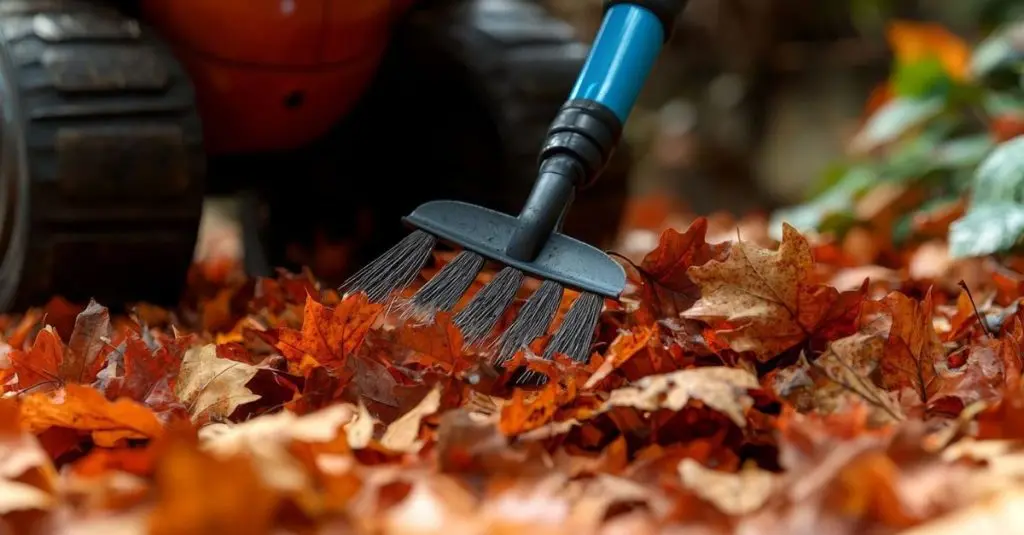
Autumn is here, and with it comes the beautiful spectacle of falling leaves. But as much as you might love the vibrant colors, those leaves can quickly turn your yard into a cluttered mess.
Are you tired of spending hours raking and bagging leaves, only to be left with sore muscles and little progress? A leaf vacuum could be your saving grace for a quick and efficient autumn cleanup. Imagine transforming your leaf-covered lawn into a pristine outdoor space with minimal effort.
Sounds appealing, right? You’re about to discover how a leaf vacuum can make your autumn tasks not only manageable but actually enjoyable. Say goodbye to the backbreaking work and hello to more free time for things you love. Stay with us as we delve into the ins and outs of using a leaf vacuum to simplify your seasonal chores.
Choosing The Right Leaf Vacuum
Leaf vacuums help clean up leaves quickly in autumn. Picking the right one makes the job easier.
Think about the size of your yard and how often you will use the leaf vacuum.
Types Of Leaf Vacuums
Leaf vacuums come in different types. Each type works best for certain jobs and yard sizes.
- Electric leaf vacuums are light and good for small yards.
- Gas leaf vacuums are powerful and work well for large areas.
- Battery-powered leaf vacuums offer mobility without cords.
- Backpack leaf vacuums are easy to carry and good for tight spaces.
Key Features To Consider
Look for features that make leaf vacuuming easier and more effective.
- Vacuum power affects how well it sucks up leaves.
- Bag size matters for how often you need to empty it.
- Weight affects how long you can use it without getting tired.
- Noise level is important if you want a quieter tool.
- Mulching ability helps reduce leaf volume for easy disposal.
Budget And Brand Options
Leaf vacuums come at many price points. Choose one that fits your budget.
Well-known brands may offer better quality and support. Cheaper models can work for occasional use.
- Set a budget before shopping for a leaf vacuum.
- Read reviews to learn about reliability and performance.
- Compare warranty and customer service from different brands.
Credit: www.vevor.com
Preparing For Leaf Vacuuming
Using a leaf vacuum helps clean up fallen leaves quickly. Before starting, prepare well to work safely and efficiently.
Proper preparation makes leaf vacuuming easier and protects you and your equipment.
Safety Gear And Precautions
Wear safety gear to protect yourself from flying debris and noise. Always follow safety rules when using the leaf vacuum.
- Wear safety goggles to protect your eyes
- Use ear protection to reduce noise
- Wear gloves to protect your hands
- Wear sturdy shoes to avoid slipping
- Keep long hair tied back and avoid loose clothes
Read the leaf vacuum manual to learn all safety instructions before use.
Clearing The Area
Remove objects that can block or damage the leaf vacuum. This helps the vacuum work better and prevents accidents.
- Pick up sticks, stones, and toys
- Move garden tools and hoses out of the way
- Check for large branches or trash
- Keep pets and children away from the work area
Clear paths so you can move easily while vacuuming.
Checking Weather Conditions
Choose a dry day to vacuum leaves. Wet leaves are heavy and can clog the vacuum.
- Check for no rain or strong wind
- Work during daylight for better visibility
- Avoid very cold or icy days
- Pick a time when the ground is dry
Good weather helps the leaf vacuum work well and keeps you safe.
Operating The Leaf Vacuum
Using a leaf vacuum helps keep your yard clean during autumn. It collects leaves quickly and reduces raking work.
To use the leaf vacuum safely and effectively, follow these simple tips on starting, handling, and vacuuming techniques.
Starting And Handling Tips
Before turning on the leaf vacuum, check the area for stones, sticks, or other hard objects. These can damage the machine or cause injury.
- Wear protective gloves and eye safety glasses.
- Start the vacuum on a flat surface to avoid tipping.
- Hold the machine firmly with both hands.
- Keep the vacuum nozzle close to the ground.
- Move slowly to allow the vacuum to pick up leaves.
Effective Vacuuming Techniques
Use smooth, overlapping strokes to cover the entire area. Avoid rushing or lifting the nozzle too high.
| Technique | Description |
|---|---|
| Slow Movement | Allows the vacuum to collect more leaves each pass. |
| Overlap Passes | Prevents missing small leaf piles. |
| Consistent Height | Keeps suction strong and steady. |
| Empty Bag Often | Keeps vacuum working at full power. |
Dealing With Wet And Dry Leaves
Wet leaves can clog the vacuum, while dry leaves are easier to collect. Adjust your method based on leaf condition.
Tips for handling leaves:
- If leaves are wet, try to let them dry before vacuuming.
- Use a lower speed setting for wet leaves to avoid clogs.
- For dry leaves, vacuum at normal speed for best results.
- Regularly check and clean the vacuum intake to prevent blockages.

Credit: www.vevor.com
Maintaining Your Leaf Vacuum
Keeping your leaf vacuum in good shape helps it last longer. Proper care ensures it works well every autumn.
Regular cleaning and checks prevent problems and make your cleanup easier.
Cleaning And Storage
After use, remove leaves and debris from the vacuum. Clean the air filter and empty the collection bag. Store the vacuum in a dry place to avoid rust and damage.
- Detach and clean the collection bag
- Clear the vacuum tubes of any blockages
- Wipe the exterior with a damp cloth
- Store indoors away from moisture
Troubleshooting Common Issues
Leaf vacuums may face problems like clogging, loss of suction, or engine trouble. Check for blocked tubes or full bags first. Inspect spark plugs and fuel if the engine won’t start.
| Issue | Possible Cause | Solution |
| Clogged tube | Leaves stuck inside | Remove blockage with a stick or brush |
| Loss of suction | Full collection bag | Empty bag and clean filter |
| Engine won’t start | Bad spark plug or empty fuel | Replace spark plug or refill fuel tank |
Regular Maintenance Schedule
Following a maintenance schedule keeps your vacuum running smoothly. Check and clean parts after every use and do deeper maintenance monthly.
- Clean the collection bag and air filter after each use
- Inspect blades and screws monthly
- Change engine oil every 25 hours of use
- Sharpen or replace blades as needed
- Store the vacuum in a safe, dry place during off-season
Maximizing Cleanup Efficiency
Using a leaf vacuum makes autumn cleanup faster and easier. The right approach helps clear leaves quickly. You can save time and effort with smart techniques.
Good planning and tool use improve your cleanup results. This guide shows how to combine tools, save time, and dispose of leaves responsibly.
Combining Tools For Best Results
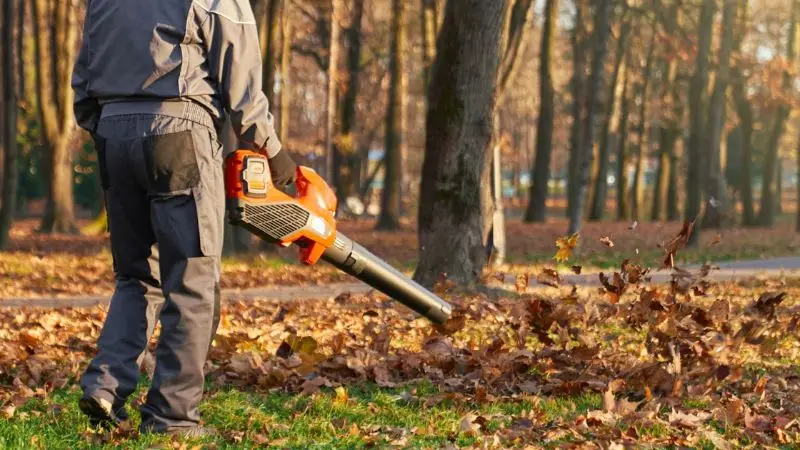
Use a leaf blower to gather leaves into piles. Then, use the leaf vacuum to collect them easily. A rake can help loosen wet leaves or debris stuck in grass.
- Start with a leaf blower to clear wide areas
- Rake thick or wet leaf patches
- Use the leaf vacuum to collect all leaves in piles
- Empty the vacuum bag often to keep suction strong
Time-saving Strategies
Plan your work to avoid repeating tasks. Clean in sections to stay organized. Choose times when leaves are dry for better vacuum suction.
| Strategy | Benefit |
|---|---|
| Clean early in the morning | Leaves are dry and easy to collect |
| Work in small sections | Prevents fatigue and keeps area neat |
| Empty vacuum bag often | Keeps machine running at full power |
| Use protective gear | Prevents injuries and saves time on breaks |
Eco-friendly Disposal Methods
Recycling leaves helps the environment. Compost leaves to make rich soil for gardens. Avoid burning leaves, which pollutes the air.
Try these eco-friendly options:
- Compost leaves in a backyard bin
- Add leaves to a community compost site
- Use shredded leaves as mulch for plants
- Check local rules for leaf disposal

Credit: www.youtube.com
Frequently Asked Questions
What Is The Best Way To Use A Leaf Vacuum?
Start by clearing large debris manually. Use the vacuum on dry leaves only. Move slowly for better suction. Empty the bag frequently to maintain efficiency.
Can Leaf Vacuums Handle Wet Leaves Effectively?
Leaf vacuums work best on dry leaves. Wet leaves can clog the machine and reduce performance. Allow leaves to dry before vacuuming for optimal results.
How Do I Maintain My Leaf Vacuum For Longevity?
Clean the filter and bag after each use. Check for clogs in the hose regularly. Store in a dry place to prevent rust and damage.
Is Using A Leaf Vacuum Better Than Raking?
Leaf vacuums save time and reduce physical effort. They also collect leaves more thoroughly. However, raking is quieter and requires no power source.
Conclusion
Using a leaf vacuum makes autumn cleanup easier and faster. It helps clear leaves from your yard without much effort. Regular use keeps your garden neat and healthy. Choose the right vacuum for your needs and follow safety tips. This simple tool saves time and keeps your outdoor space clean.
Enjoy a tidy yard with less work this fall. Give it a try and see the difference yourself.
