
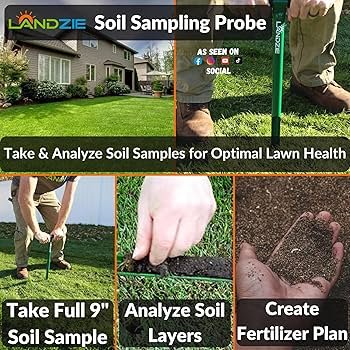
Imagine stepping into your backyard and feeling the lush, thick grass beneath your feet. It’s the perfect lawn you’ve always dreamed of, but is it really possible to achieve?
You might be surprised to learn that the secret to a dense, vibrant lawn could be hiding right under your feet. Yes, we’re talking about soil testing. You may wonder, “How can something as simple as testing soil make such a big difference?
” Well, soil testing is like giving your lawn a health check-up. It reveals what nutrients your soil is lacking and how to balance them for optimum grass growth. By understanding the needs of your soil, you can tailor your lawn care routine to ensure your grass grows thicker, greener, and healthier than ever before. So, are you ready to uncover the hidden potential of your lawn? Dive into this article and discover how soil testing can transform your outdoor space into the lush paradise you’ve always wanted.
Soil Testing Basics
Soil testing helps you understand what is in your lawn’s soil. It checks the soil’s nutrients and pH level.
Knowing your soil’s condition can help you grow a thicker, healthier lawn. It guides you on what your soil needs.
Key Soil Components
Soil has many parts that affect plant growth. The main ones are nutrients, pH, and texture.
- Nutrients like nitrogen, phosphorus, and potassium help grass grow strong.
- pH shows if the soil is acidic or alkaline, which affects nutrient availability.
- Texture means the size of soil particles, such as sand, silt, or clay.
Common Soil Problems
Some soil issues make grass thin or weak. These include nutrient shortages and wrong pH levels.
Other problems are compacted soil and poor drainage. These stop roots from getting air and water.
- Low nutrients cause slow grass growth.
- High or low pH can block nutrient use.
- Compacted soil limits root growth.
- Poor drainage can cause root rot.
How Soil Testing Works
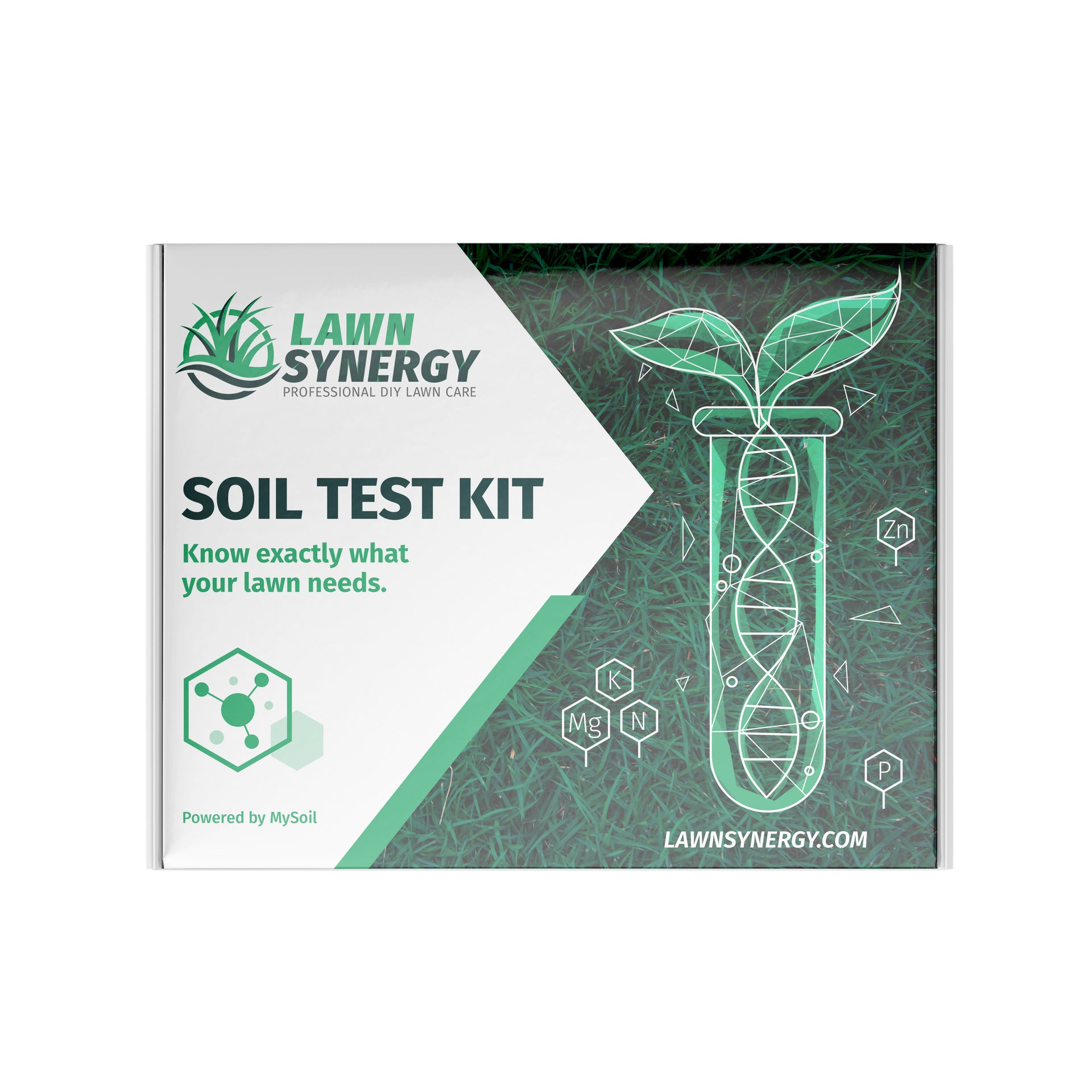
Soil testing starts by collecting soil samples from your lawn. You need several samples for accuracy.
The samples go to a lab where experts check nutrient levels and pH. They send you a report.
- Collect soil samples from different areas.
- Mix the samples in a clean container.
- Send the mix to a testing lab.
- Receive a report with soil details.
Credit: lawnsynergy.com
Impact Of Soil Quality On Lawn Thickness
Soil quality plays a big role in how thick and green a lawn grows. Good soil helps grass roots grow strong and healthy.
Testing soil can show what nutrients or conditions need fixing. This helps improve lawn thickness over time.
Nutrient Deficiencies And Lawn Health
Grass needs nutrients like nitrogen, phosphorus, and potassium to grow thick. If soil lacks these, grass looks thin and weak.
Soil testing finds which nutrients are missing. Adding the right fertilizer helps grass grow fuller and healthier.
- Nitrogen helps grass stay green and grow fast
- Phosphorus supports strong roots
- Potassium improves disease resistance
Soil Ph And Grass Growth
Soil pH measures how acidic or alkaline the soil is. Grass grows best in soil with a pH between 6.0 and 7.0.
If the pH is too low or too high, grass cannot absorb nutrients well. Soil testing shows the pH level so you can adjust it.
- Low pH (acidic) can be fixed with lime
- High pH (alkaline) can be lowered with sulfur
- Balanced pH helps nutrient uptake
Soil Texture And Water Retention
Soil texture affects how well it holds water and air. Clay soils hold water but drain poorly. Sandy soils drain well but dry out fast.
Good soil texture keeps roots moist without flooding them. Soil testing helps identify soil type and guides soil improvements.
- Clay soil needs organic matter to improve drainage
- Sandy soil benefits from compost to hold water
- Loamy soil is best for balanced water and air
Interpreting Soil Test Results
Soil testing gives clues about your lawn’s health. The results help you understand what your soil needs.
Reading these results helps you make smart choices to grow a thick, green lawn.
Reading Nutrient Levels
Soil tests show nutrient amounts like nitrogen, phosphorus, and potassium. These are key for lawn growth.
Look at the numbers to see if each nutrient is low, medium, or high. This tells you what to add or avoid.
- Nitrogen helps leaves grow green and thick.
- Phosphorus supports root strength and growth.
- Potassium improves disease resistance and stress tolerance.
Identifying Soil Imbalances
Soil tests also show pH levels and other minerals. pH affects how plants absorb nutrients.
If pH is too low or too high, some nutrients may not be available. This causes thin or weak grass.
- Acidic soil (low pH) can block nutrients like calcium.
- Alkaline soil (high pH) may reduce iron and manganese uptake.
- Imbalanced minerals can hurt root and blade growth.
Understanding Recommendations
Soil test reports often include suggestions. These tell you what fertilizers or treatments to use.
Follow these tips to fix nutrient gaps and balance pH. This helps your lawn grow thick and healthy.
- Add lime to raise pH if soil is too acidic.
- Use sulfur to lower pH if soil is too alkaline.
- Apply fertilizers based on nutrient levels shown in the test.
Credit: balajinursery.org
Improving Lawn Thickness Through Soil Amendments
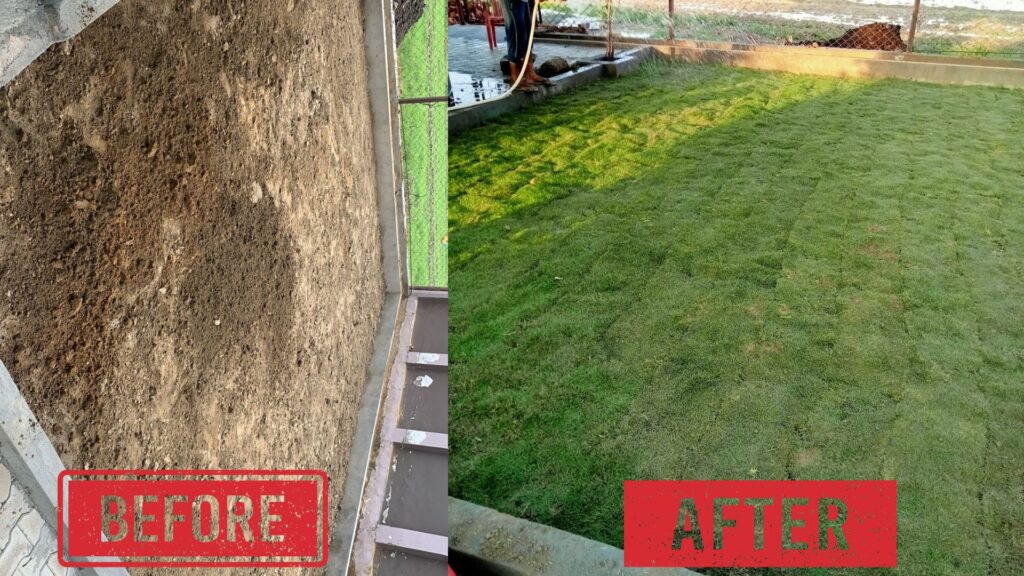
Soil testing helps find what your lawn needs to grow thick and green. It shows the nutrients and pH level of your soil. This way, you can add the right materials to improve lawn health.
Using soil amendments based on test results can make your lawn stronger. You can choose better fertilizers, fix the soil pH, and add organic matter. Each step helps grass grow fuller and healthier.
Choosing The Right Fertilizers
Select fertilizers based on soil test results to supply needed nutrients. Nitrogen helps grass grow fast, phosphorus supports root growth, and potassium strengthens the lawn.
- Use nitrogen-rich fertilizer for quick green growth
- Add phosphorus if roots are weak or sparse
- Apply potassium for better stress resistance
- Follow soil test recommendations for balanced feeding
Adjusting Soil Ph
Soil pH affects how well grass can absorb nutrients. Most lawns prefer a pH between 6.0 and 7.0. Test your soil to see if it is too acidic or alkaline.
| pH Level | Effect on Lawn | Correction |
| Below 6.0 | Acidic, poor nutrient uptake | Add lime to raise pH |
| 6.0 to 7.0 | Ideal for most grasses | No adjustment needed |
| Above 7.0 | Alkaline, nutrients bind tightly | Add sulfur to lower pH |
Adding Organic Matter
Organic matter improves soil structure and water retention. It feeds beneficial microbes that help grass roots. Compost, peat moss, and aged manure are good choices.
Benefits of adding organic matter:
- Increases soil nutrients slowly
- Improves soil aeration and drainage
- Supports healthy root growth
- Reduces need for chemical fertilizers
Lawn Care Tips For Lush Growth
Soil testing can help improve lawn thickness by showing what nutrients your soil needs. Healthy soil supports strong grass roots and thicker grass.
Good lawn care includes mowing, watering, overseeding, and aeration. These practices help grass grow thick and green.
Proper Mowing Techniques
Cut grass at the right height to keep it healthy. Do not cut more than one-third of the grass blade at a time.
Use sharp mower blades to avoid tearing grass. Mow regularly to keep the lawn even and promote growth.
- Set mower height to 2.5 to 3 inches
- Sharpen blades every few mowing sessions
- Mow when grass is dry
- Change mowing direction each time
Watering Strategies
Water your lawn deeply but less often. This encourages grass roots to grow deep into the soil.
Early morning is the best time to water. Avoid watering in the heat of the day to reduce water loss.
- Water 1 to 1.5 inches per week
- Use a rain gauge to measure water
- Water between 6 a.m. and 10 a.m.
- Adjust watering based on weather
Overseeding And Aeration
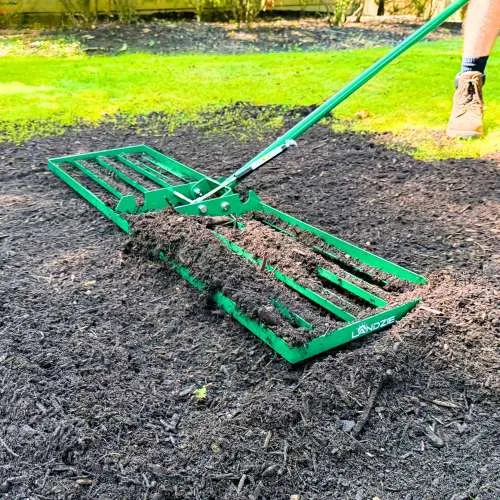
Overseeding adds new grass seeds to fill thin areas. Aeration makes holes in soil to help air, water, and nutrients reach roots.
Do aeration before overseeding for better seed contact with soil. This helps grass grow thicker and stronger.
- Use a core aerator to remove soil plugs
- Seed with grass types suited to your area
- Keep soil moist after overseeding
- Perform these tasks in early fall or spring
Credit: landzie.com
Benefits Of Regular Soil Testing
Soil testing helps check the health of your lawn soil. It gives useful information about nutrients and pH levels.
Testing soil often can improve the thickness and health of your lawn. It guides you to give the right care.
Preventing Lawn Problems
Soil testing helps spot problems before they hurt your lawn. It shows if soil lacks nutrients or has bad pH.
Fixing soil issues early stops weeds, diseases, and patchy grass from growing. It keeps your lawn strong.
- Detects nutrient shortages
- Identifies harmful soil conditions
- Prevents pest and disease risks
Saving Time And Money
Regular soil testing helps avoid wrong treatments. You buy only what your lawn needs.
This saves money on fertilizers and chemicals. It also cuts down time spent fixing lawn problems.
- Reduces unnecessary fertilizer use
- Prevents costly soil damage
- Limits time spent on lawn repair
Sustainable Lawn Management
Soil testing supports using natural and balanced lawn care. It avoids overuse of harmful products.
This helps protect the environment and keeps your lawn healthy for longer. You use resources wisely.
- Promotes balanced nutrient use
- Reduces chemical runoff
- Encourages eco-friendly practices
Frequently Asked Questions
What Is Soil Testing For Lawn Thickness?
Soil testing analyzes soil nutrients and pH levels. It helps identify deficiencies affecting lawn growth. Proper testing guides effective fertilization and improves lawn thickness.
How Does Soil Testing Improve Lawn Health?
Soil testing reveals nutrient imbalances. Correcting these with targeted fertilization promotes healthier, denser grass. It ensures optimal soil conditions for robust lawn growth.
When Should I Test My Lawn Soil?
Test soil in early spring or fall. These seasons provide accurate readings for nutrient needs. Regular testing every 2-3 years maintains lawn health and thickness.
Can Soil Testing Prevent Lawn Patchiness?
Yes, soil testing detects nutrient gaps causing thin, patchy areas. Addressing these issues strengthens grass roots and promotes uniform lawn coverage.
Conclusion
Soil testing shows what your lawn really needs to grow thick. It helps find missing nutrients and balance soil pH. With this information, you can choose the right fertilizer and care steps. A healthy soil means stronger grass and fewer problems.
Testing saves time and money by guiding your lawn care. Try soil testing to see better grass growth. It’s a simple step that makes a big difference. Good soil leads to a lush, green, and thick lawn. Why guess when you can know?
