
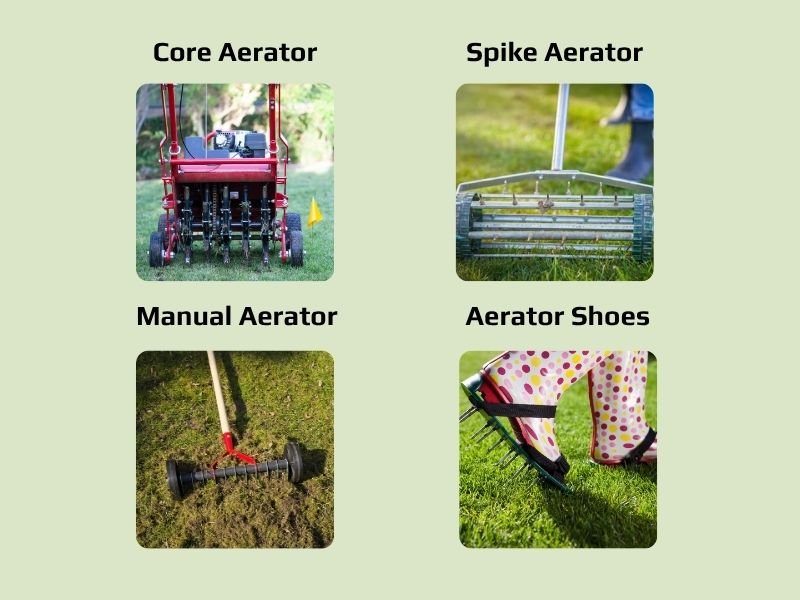
Have you ever wondered why your lawn doesn’t look as lush and vibrant as you’d like, even after you’ve aerated it? The secret might lie in what you do next.
Rolling your lawn after aeration can be a game-changer, and understanding how to do it properly is key to achieving that enviable green carpet. Imagine stepping out into your yard, greeted by a smooth, uniform surface that’s the envy of the neighborhood.
In this guide, we’ll walk you through the simple steps to effectively roll your lawn post-aeration, ensuring you maximize the benefits of your hard work. Stick around, because the lush lawn of your dreams is just a few easy steps away.
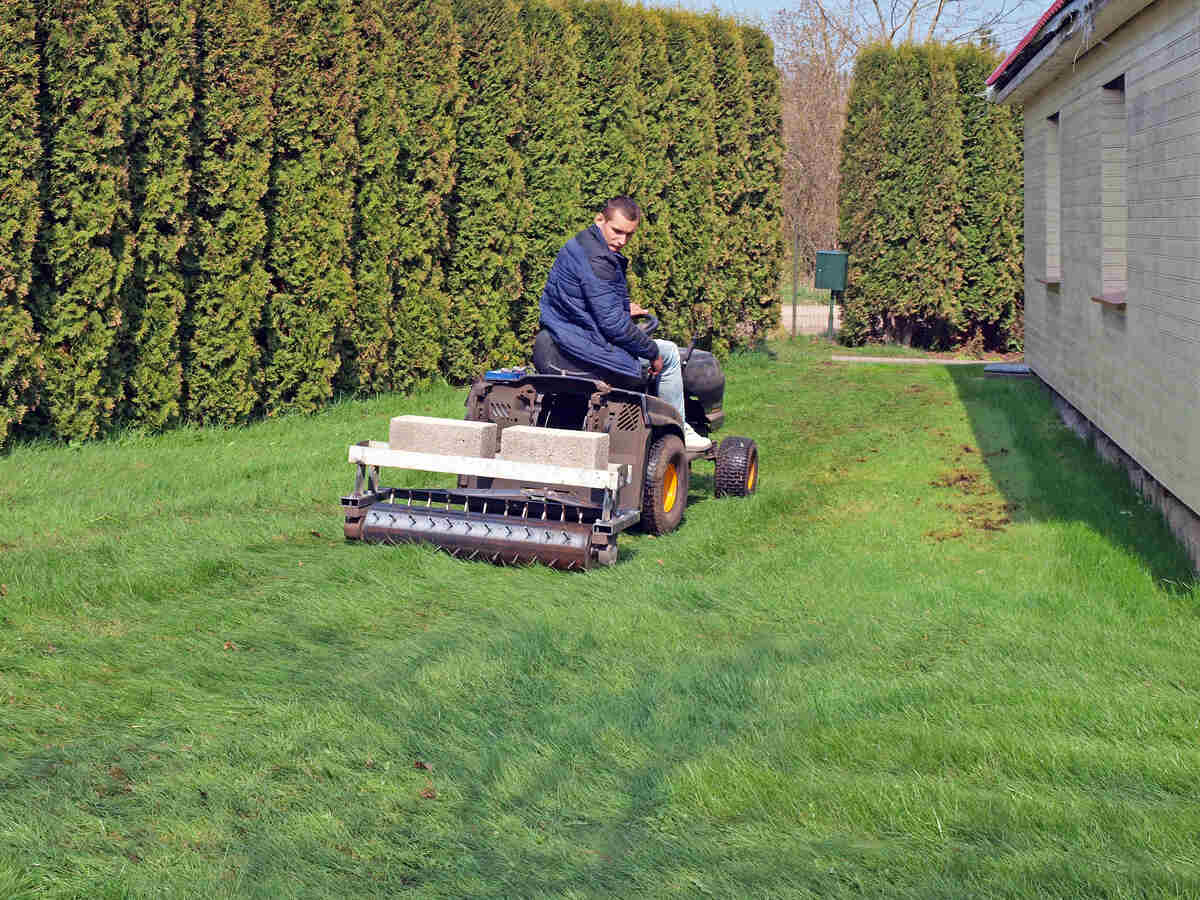
Credit: www.lawnstarter.com
Benefits Of Rolling After Aerating
Rolling your lawn after aerating helps improve the soil and grass health. It presses the soil plugs back into the holes made by aeration.
This simple step can make your lawn look better and grow stronger. Let’s explore the main benefits of rolling after aerating.
Improved Soil Contact
Rolling pushes the soil plugs back into the holes. This helps the soil pieces touch the ground firmly. Good soil contact allows water and nutrients to reach the roots easily.
Better contact also helps the soil stay moist longer. This supports healthy root growth and a strong lawn.
Enhanced Seed Germination
After aeration, grass seeds can fall into the holes. Rolling helps press these seeds into the soil. This makes it easier for seeds to sprout and grow.
- Seeds get better contact with the soil
- Seeds stay in place and do not wash away
- Improved moisture helps seeds grow strong
Smoother Lawn Surface
Aeration can leave small soil mounds on your lawn. Rolling flattens these mounds to create an even surface. A smooth lawn is easier to mow and looks neat.
| Benefit | Effect |
|---|---|
| Improved Soil Contact | Better water and nutrient flow |
| Enhanced Seed Germination | Faster and stronger grass growth |
| Smoother Lawn Surface | Easier maintenance and better appearance |
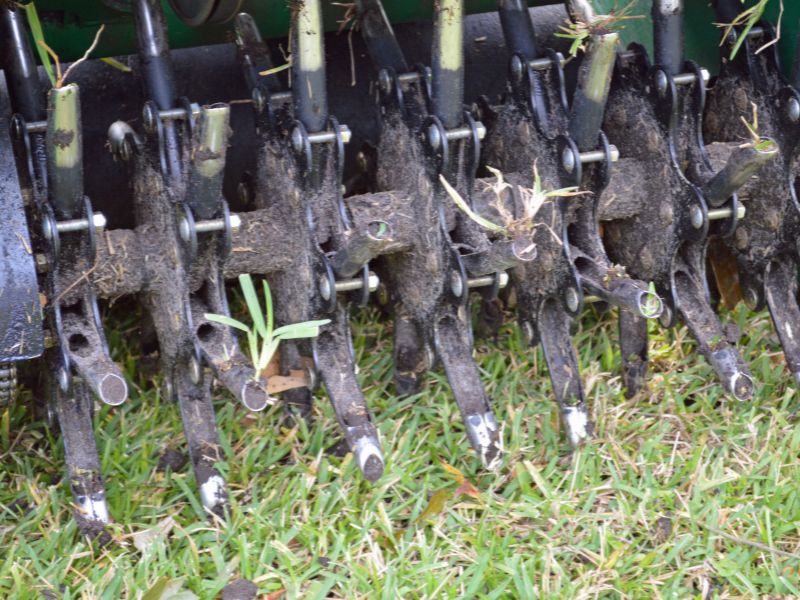
Credit: www.lawnstarter.com
Choosing The Right Roller
After aerating your lawn, rolling it can help smooth the surface. Choosing the right roller makes this job easier and more effective. Consider your lawn size and the type of roller that fits your needs.
This guide covers the main types of lawn rollers, their size and weight, and the choice between manual and powered rollers.
Types Of Lawn Rollers
Lawn rollers come in different types to fit various tasks. The main types include water-filled, sand-filled, and steel rollers. Each type offers benefits depending on your lawn’s condition and the roller’s weight.
- Water-Filled Rollers:Lightweight when empty and easy to move. Fill with water for added weight.
- Sand-Filled Rollers:Heavier than water-filled. Provide strong pressure but are harder to move.
- Steel Rollers:Very heavy and durable. Best for large lawns or tough soil.
Size And Weight Considerations
| Roller Size | Best For | Weight |
| Small (12-18 inches wide) | Small lawns and tight spaces | Light to moderate |
| Medium (18-24 inches wide) | Average residential lawns | Moderate |
| Large (24+ inches wide) | Large lawns and fields | Heavy |
Choosing the right weight is important. Too light will not smooth the lawn well. Too heavy can damage the soil and grass.
Manual Vs. Powered Rollers
Manual rollers require physical effort and are good for small areas. Powered rollers use engines or tractors and suit large lawns.
- Manual Rollers:Affordable, easy to store, and simple to use.
- Powered Rollers:Save time and effort but cost more.
Timing Your Rolling
Rolling your lawn after aeration helps press soil plugs back into place. The timing of rolling affects how well your lawn recovers. Choosing the right time ensures better soil contact and faster healing.
This guide covers the best time of day, weather conditions, and how often to roll after aerating.
Best Time Of Day
Rolling in the right part of the day can improve results. Early morning or late afternoon is best. The soil is cooler and moist then, making rolling easier and more effective.
Ideal Weather Conditions
- Choose a dry day with no rain forecast.
- Soil should be damp but not muddy.
- Avoid rolling during very hot or dry periods.
- Cloudy days with mild temperatures work well.
These conditions help the soil plugs settle without causing damage or compaction.
Rolling Frequency After Aeration
| Time After Aeration | Recommended Rolling Frequency |
| First 24 hours | Roll once to press plugs |
| 1-3 days after | Optional light rolling if plugs remain loose |
| After 3 days | Avoid rolling to prevent soil compaction |
Following this schedule helps your lawn recover quickly without harming soil health.
Step-by-step Rolling Process
Rolling your lawn after aerating helps press soil plugs back into the ground. This improves soil contact and promotes faster recovery. Follow these steps for the best results.
Use the right tools and techniques to avoid damaging your grass. Careful rolling helps create a smooth, even lawn surface.
Preparation Before Rolling
Prepare your lawn before rolling to avoid problems. First, water your lawn lightly to soften the soil. Avoid soaking it too much.
Remove any debris like sticks or rocks. This prevents damage to the roller and your lawn.
- Lightly water the lawn 1 day before rolling
- Clear debris and lawn clippings
- Check the roller for any damage
- Choose a roller suitable for your lawn size
Rolling Techniques
Start rolling slowly across the lawn. Use overlapping passes to cover all areas evenly. Avoid rolling too fast or making sharp turns.
Roll in one direction first, then roll at a right angle to the first passes. This helps press soil plugs evenly into the ground.
- Roll slowly and steadily
- Overlap each pass by half the roller width
- Roll in one direction, then perpendicular
- Do not over-roll or press too hard
Post-rolling Lawn Care
After rolling, water your lawn gently. This helps soil settle and supports grass growth. Avoid heavy foot traffic for a few days.
Keep mowing your lawn regularly but avoid cutting it too short. Monitor the lawn for any bare spots and reseed if needed.
- Water lightly after rolling
- Avoid walking on the lawn for 2-3 days
- Mow regularly but keep grass height moderate
- Reseed bare spots if they appear
Common Mistakes To Avoid
Rolling your lawn after aerating helps smooth the surface and improve soil contact. Doing it wrong can hurt your lawn’s health. Avoid these common mistakes to get the best results.
Knowing when and how to roll is key. This guide covers the biggest errors and how to avoid them.
Rolling Too Soon Or Too Late
Rolling the lawn immediately after aerating can damage the grass and soil. The soil needs time to settle before you roll.
If you wait too long, the soil may dry out and the benefits of aeration reduce. Find the right time to roll for best results.
Over-rolling The Lawn
Rolling too many times compacts the soil again. This defeats the purpose of aerating and hurts root growth.
Limit rolling to just enough to smooth the surface. Too much pressure can cause damage.
- Roll lightly and evenly
- Do not repeat rolling on the same day
- Use a lawn roller that is not too heavy
Ignoring Soil Moisture Levels
Rolling when soil is too wet can cause soil compaction and damage roots. Rolling dry soil is less effective and can harm grass.
Check soil moisture before rolling. The soil should be moist but not muddy for best results.
- Test soil by squeezing a handful: it should hold shape but not drip water
- Wait after rain or watering until soil is ready
- Adjust rolling based on weather and soil type

Credit: www.youtube.com
Additional Tips For Lawn Health
Rolling your lawn after aerating helps flatten the soil and improve seed contact. It also aids in repairing damaged areas. Keeping your lawn healthy requires more care after rolling.
Simple actions like watering, fertilizing, and fixing damage boost your lawn’s growth. These steps help your grass recover and stay green.
Watering After Rolling
Water your lawn right after rolling to settle the soil. This helps grass roots grow deeper and stronger. Keep the soil moist but not soaked.
Water early in the morning to reduce evaporation. Water lightly every day for the first week. Then water less often but deeper.
- Water immediately after rolling
- Use light, frequent watering first week
- Switch to deep watering afterward
- Water early mornings for best results
Fertilizing Strategies
Fertilize your lawn to give grass nutrients after aerating and rolling. Use a balanced fertilizer with nitrogen, phosphorus, and potassium. This helps grass grow thick and green.
Apply fertilizer a few days after rolling. Avoid over-fertilizing as it can harm the grass. Spread the fertilizer evenly across the lawn.
- Choose balanced fertilizer (N-P-K)
- Apply fertilizer 2-3 days after rolling
- Do not over-fertilize to avoid damage
- Spread fertilizer evenly across lawn
Dealing With Lawn Damage
Rolling may reveal or cause some lawn damage. Fix bare or damaged spots quickly to stop weeds. Reseed these areas with grass seed suited for your lawn type.
Keep the repaired areas moist until grass grows. Avoid heavy foot traffic on these spots. Regular lawn care prevents future damage.
- Check lawn for damaged spots after rolling
- Reseed bare or damaged areas promptly
- Keep repaired areas moist for seed growth
- Avoid walking on repaired spots until grass grows
Frequently Asked Questions
Why Should I Roll My Lawn After Aerating?
Rolling helps press soil plugs back into the holes. It improves seed-to-soil contact. This promotes faster grass growth and evens out the lawn surface.
When Is The Best Time To Roll After Aerating?
Roll your lawn immediately after aerating. This timing ensures soil plugs settle well. It also helps maintain moisture and encourages quicker recovery.
What Type Of Roller Is Best After Aeration?
A lightweight lawn roller filled with water is ideal. Heavy rollers can compact soil too much. Choose one that evenly presses without damaging grass.
Can Rolling Harm My Lawn Post-aeration?
If done correctly, rolling won’t harm your lawn. Avoid excessive pressure to prevent soil compaction. Use a light roller and roll gently.
Conclusion
Rolling your lawn after aerating helps smooth the surface and improve soil contact. It encourages better seed and fertilizer growth. Take your time and roll evenly, avoiding heavy pressure that can damage roots. Use a roller suited to your lawn size for best results.
Proper rolling supports a healthier, greener lawn. Keep caring for your grass regularly to see lasting benefits. Simple steps like these make lawn care easier and more effective.
