
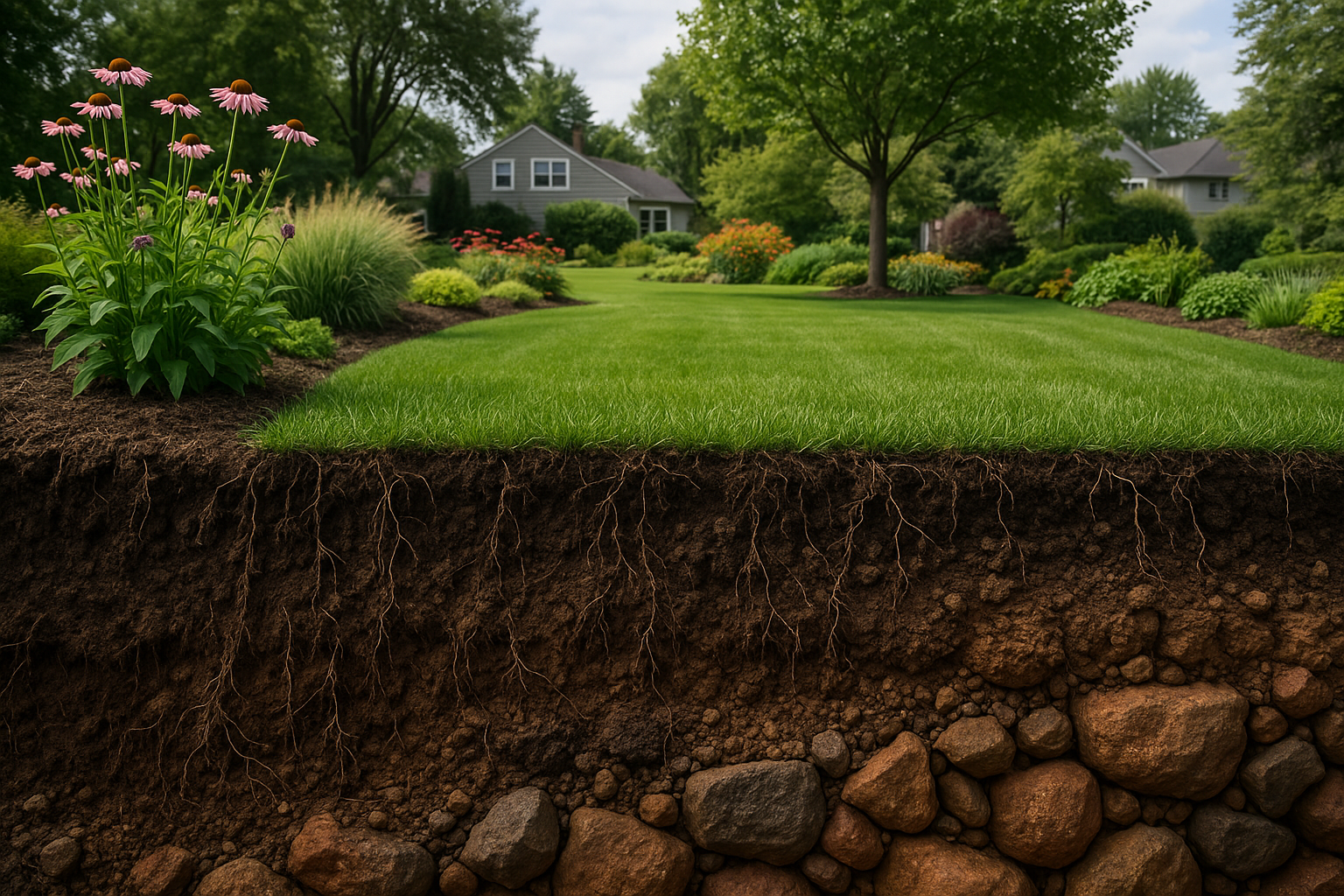
When you think about designing your yard, what’s the first thing that comes to mind? Maybe the colors of flowers or the shape of your garden beds.
But here’s something you might not have considered: the soil beneath your feet. Soil testing is a simple step that can make a huge difference in how your yard looks and grows. By understanding what’s in your soil, you can avoid costly mistakes, choose the right plants, and create a yard that thrives year after year.
Keep reading to discover why soil testing matters for your yard design and how it can save you time, money, and frustration.
Benefits Of Soil Testing
Soil testing helps you understand the condition of your yard’s soil. It gives important information about nutrients and pH levels.
Knowing your soil’s needs helps you create a healthy and beautiful yard. Testing saves time and money by guiding your yard care.
Enhancing Plant Health
Soil testing shows what your plants need to grow strong. It helps you choose the right plants for your soil type.
Healthy soil means plants get enough nutrients and water. This reduces plant diseases and promotes growth.
Optimizing Nutrient Use
Soil tests tell you which nutrients are missing or too high. You can add only the needed fertilizers, avoiding waste.
Using the right nutrients helps plants grow better and saves money. It also protects the environment from excess chemicals.
- Identify nutrient deficiencies
- Apply correct fertilizer amounts
- Reduce fertilizer costs
- Protect nearby water sources
Preventing Soil Problems
Soil testing finds issues like soil acidity or salt buildup early. Fixing these problems keeps your yard healthy.
Regular tests prevent damage from poor soil conditions. This helps maintain good soil structure and long-term yard health.
Key Soil Properties To Test
Soil testing helps you understand your yard’s health. It guides you in choosing plants and care methods.
Testing key soil properties ensures your yard design thrives. It helps avoid problems later.
Soil Ph Levels
Soil pH shows how acidic or basic the soil is. It affects how plants absorb nutrients.
Most plants grow best in soil with pH between 6 and 7. Testing pH helps you adjust soil with lime or sulfur.
Nutrient Content
Nutrients like nitrogen, phosphorus, and potassium are vital for plant growth. Testing shows what your soil lacks.
You can add fertilizers based on test results. This prevents over-fertilizing and protects the environment.
- Nitrogen (N) helps leaves grow green and healthy
- Phosphorus (P) supports roots and flowers
- Potassium (K) improves overall plant strength
Soil Texture And Structure
Soil texture means the size of soil particles: sand, silt, and clay. It affects water and air flow.
Soil structure is how particles stick together. Good structure helps roots grow and water drain well.
- Sandy soil drains fast but holds less nutrients
- Clay soil holds water but drains slowly
- Loam soil has balanced texture and good structure
How Soil Testing Guides Yard Design
Soil testing tells you what is in your yard’s soil. It helps you plan a yard that grows well. Knowing your soil’s health saves time and money.
Good soil testing shows you nutrients, pH, and soil type. This information guides your choices for plants and care.
Choosing Suitable Plants
Soil testing helps pick plants that fit your soil. Some plants need acidic soil, while others like neutral or alkaline soil. Testing shows your soil’s pH level.
It also tells what nutrients are missing. You can choose plants that need fewer added nutrients. This makes plants grow stronger and healthier.
- Match plant needs with soil pH
- Choose plants suited to soil texture
- Pick plants that thrive with available nutrients
Planning Irrigation Systems
Soil testing shows how well your soil holds water. Sandy soil drains fast, clay holds water longer. This helps plan watering systems correctly.
You can set irrigation to avoid overwatering or underwatering. Proper watering saves water and keeps plants healthy.
- Adjust water amount to soil type
- Prevent water waste
- Keep plants hydrated without drowning roots
Improving Soil Quality
Soil tests show what your soil lacks. You can add the right fertilizers or compost to fix problems. This improves soil health over time.
Good soil helps plants grow strong and resist pests. Testing helps you plan soil care for a green and lasting yard.
- Add nutrients based on test results
- Balance soil pH for plant health
- Improve soil structure with organic matter
Credit: extension.msstate.edu
Steps To Conduct Soil Testing
Soil testing is important for good yard design. It helps you know what your soil needs. This way, plants can grow healthy and strong.
Testing soil is easy if you follow the right steps. Each step gives you important information about your soil.
Collecting Soil Samples
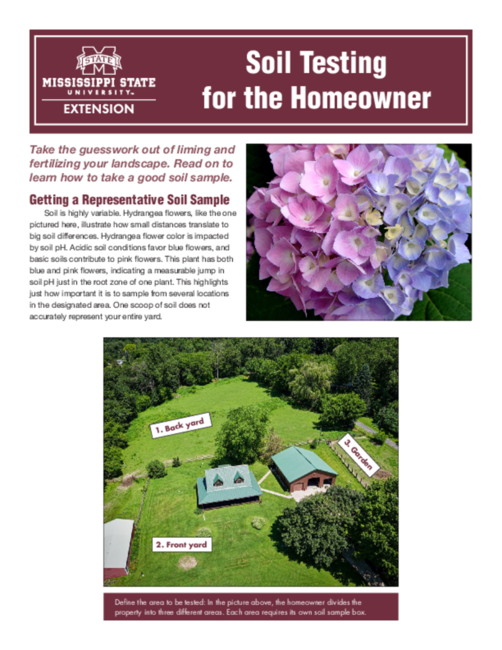
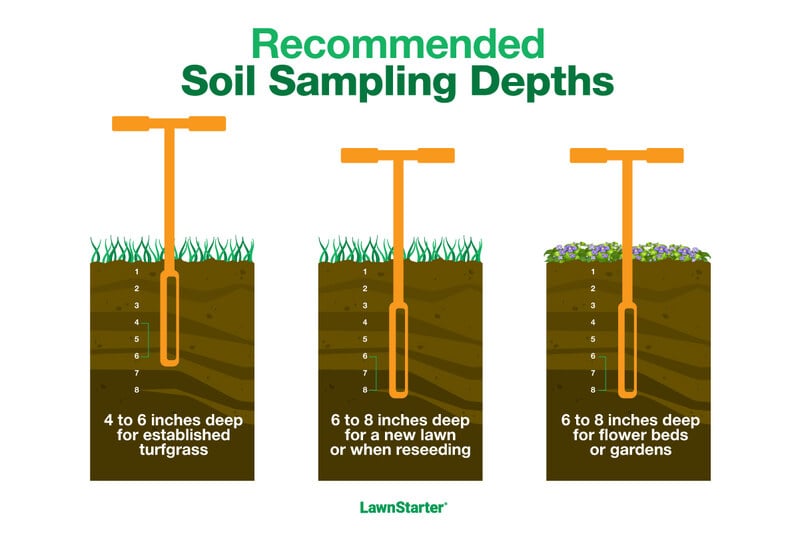
Start by collecting soil samples from different parts of your yard. This gives a full picture of your soil health. Use a clean tool to dig about 6 inches deep.
Mix the soil from each spot in a clean bucket. Remove any stones, roots, or debris. Take about one cup of this mixed soil for testing.
- Choose 5 to 10 spots in your yard
- Dig 6 inches deep at each spot
- Mix soil samples in a clean container
- Remove sticks and stones
- Take one cup of mixed soil for testing
Working With Laboratories
Send your soil sample to a lab that tests soil quality. Labs check for nutrients, pH, and other important parts. Choose a lab with good reviews and clear instructions.
Follow the lab’s rules for sending samples. Fill out any forms they provide. This helps the lab give you the right results quickly.
- Find a reliable soil testing lab
- Follow the lab’s sample submission guidelines
- Complete any necessary paperwork
- Send the sample in a sealed container
- Wait for the lab to analyze your soil
Interpreting Test Results
Once you get the results, look at the nutrient levels and pH balance. These numbers tell you what your soil needs to grow plants well. Each nutrient has a range that is good for plants.
You can use the results to add fertilizer or adjust soil pH. This helps create a healthy environment for your plants. If you don’t understand the results, ask a gardening expert for help.
- Check nutrient levels like nitrogen, phosphorus, and potassium
- Look at the soil pH to know acidity or alkalinity
- Compare results with ideal ranges for your plants
- Plan soil treatments based on the results
- Consult experts if needed for better understanding
Common Soil Issues And Solutions
Soil testing helps identify problems that affect plant growth. Knowing soil issues lets you fix them early.
Fixing soil problems improves yard design and plant health. Here are common soil issues and ways to solve them.
Addressing Soil Acidity
Soil acidity affects how plants absorb nutrients. Too much acid can harm roots and slow growth.
Adding lime to the soil can reduce acidity. This makes the soil better for most plants.
- Test soil pH to know acidity level
- Add lime if pH is below 6.0
- Mix lime well into the soil
- Retest soil after a few months
Managing Nutrient Deficiencies
Plants need nutrients like nitrogen, phosphorus, and potassium. Lack of these stops plants from growing well.
Soil tests show which nutrients are missing. Adding the right fertilizer fixes these problems.
- Use soil test results to pick fertilizer
- Apply fertilizer evenly over the yard
- Follow recommended amounts to avoid damage
- Water plants after fertilizing
Fixing Poor Drainage
Waterlogged soil stops air from reaching roots. This causes plants to wilt and die.
Improving drainage helps plants get enough air and water. Adding organic matter or making drainage paths works well.
- Mix compost or sand into heavy soil
- Create small ditches or slopes for water flow
- Use raised beds in very wet areas
- Check drainage after rain to ensure water moves away
Credit: www.lawnstarter.com
Long-term Yard Care With Soil Testing
Soil testing is vital for healthy yard design. It helps you understand your yard’s needs. This ensures a lush and vibrant outdoor space.
Knowing the soil’s condition guides your care decisions. This leads to long-term success in maintaining your yard’s health.
Monitoring Soil Changes
Soil changes over time. Testing helps track these changes. It shows how your soil evolves and what it needs.
- Test soil pH regularly
- Check for nutrient levels
- Observe texture and structure changes
Adjusting Fertilizer Use
Knowing your soil’s nutrient levels helps in using the right fertilizer. This prevents overuse or underuse, saving resources and promoting growth.
Consider these factors for effective fertilization:
- Soil type and its nutrient retention
- Plant types and their specific needs
- Local weather conditions affecting nutrient uptake
Sustaining Healthy Growth
Regular soil testing supports ongoing yard health. It helps you make informed care decisions for a thriving landscape.
| Test Frequency | Recommended Action |
| Every 1-2 years | Basic nutrient check |
| Seasonal | Adjust care practices |
| Major landscaping changes | Comprehensive soil analysis |
Credit: lawnsynergy.com
Frequently Asked Questions
What Is The Importance Of Soil Testing In Yard Design?
Soil testing identifies nutrient levels and soil type, guiding plant selection and yard layout. It ensures healthy plant growth and prevents costly mistakes in yard design.
How Does Soil Testing Affect Plant Health?
Soil testing reveals pH and nutrient imbalances. Correcting these helps plants absorb nutrients efficiently, leading to stronger, more vibrant yard vegetation.
When Should I Test My Soil For Yard Planning?
Test soil before starting any yard project or planting. Early testing provides vital information for proper soil amendments and design decisions.
Can Soil Testing Prevent Yard Drainage Problems?
Yes, soil testing evaluates soil texture and drainage capacity. This helps design proper grading and irrigation systems, avoiding waterlogging or dry patches.
Conclusion
Soil testing helps you understand your yard’s needs clearly. It shows what nutrients your soil lacks or has enough of. This knowledge lets you choose the right plants and care methods. Healthy soil leads to stronger plants and a beautiful yard.
Spending time on soil testing saves effort and money later. It also helps prevent common gardening problems. Simple tests can make a big difference in your yard design. Trust the soil’s story to guide your gardening choices. Your yard will thank you with growth and beauty.
