
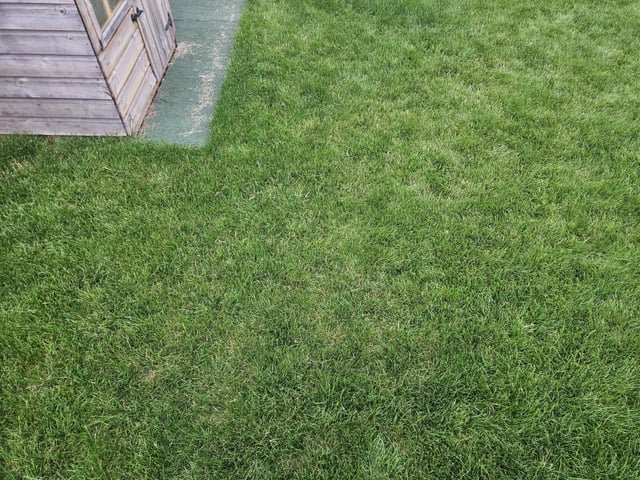
If you want a lush, green lawn after overseeding, how you prepare your soil matters a lot. Rolling before overseeding might sound simple, but doing it right can make a huge difference in how well your grass grows.
In this post, you’ll learn exactly why rolling is important, when to do it, and the best way to roll your lawn to get the results you want. Keep reading, and you’ll discover easy tips that will help your new grass take root faster and stronger than ever before.
Benefits Of Rolling Before Overseeding
Rolling before overseeding helps prepare the soil for new grass seeds. It improves conditions for seed growth and lawn health.
This simple step can make a big difference in how well the seeds take root and grow strong.
Improved Seed-to-soil Contact
Rolling presses seeds gently into the soil. This helps seeds stay in place and absorb moisture better.
- Seeds are less likely to blow away
- Better moisture retention around seeds
- Faster and stronger seed germination
Enhanced Soil Firmness
Rolling firms the soil surface. This prevents soil from being too loose or uneven after overseeding.
| Soil Condition | Benefit |
| Firm Soil | Supports roots well |
| Loose Soil | Seeds may dry out |
| Uneven Soil | Uneven grass growth |
Reduced Air Pockets
Rolling pushes out air pockets under the soil. This creates a better environment for seeds to grow.
Benefits of reducing air pockets include:
- Improved water absorption
- Better seed-to-soil contact
- Less chance of seed drying out

Credit: www.youtube.com
Best Time To Roll Your Lawn
Rolling your lawn before overseeding helps create good soil contact. This improves seed germination and growth.
Choosing the right time to roll depends on weather and soil conditions. These factors make a big difference.
Ideal Weather Conditions
Roll your lawn on days with calm weather. Avoid windy or rainy days to protect the seeds and soil.
- Pick a dry day with no rain forecast
- Temperature should be mild, between 50°F and 75°F (10°C to 24°C)
- Avoid rolling during very hot or freezing weather
- Early morning or late afternoon is best for rolling
Soil Moisture Levels
The soil must have the right moisture before rolling. Too wet or too dry soil can cause problems.
| Soil Moisture | Effect on Rolling | Recommendation |
| Too Wet | Soil compacts and seeds may drown | Wait for soil to dry slightly |
| Too Dry | Roller won’t make good contact | Water soil a day before rolling |
| Ideal Moisture | Soil is firm but not muddy | Roll immediately after watering |
Choosing The Right Roller
Rolling your lawn before overseeding helps press seeds into the soil. It improves seed-to-soil contact for better growth.
Choosing the right roller is key to avoid damaging your lawn. The right roller fits your lawn size and soil type.
Types Of Lawn Rollers
Lawn rollers come in different styles. Each type works best for certain lawn needs and soil conditions.
- Water-Filled Rollers:Easy to fill and empty. They are lighter when empty for transport.
- Steel Rollers:Heavy and durable. Good for compacting soil on large lawns.
- Plastic Rollers:Lightweight and less damaging. Best for small lawns or delicate grass.
- Manual Rollers:Push by hand. Best for small areas and light rolling.
- Powered Rollers:Motorized for large areas. Save effort but cost more.
Size And Weight Considerations
Roller size should match your lawn area. Too large rollers are hard to handle in small spaces.
Weight affects how well the roller presses seeds into soil. Too heavy rollers can harm grass roots.
- Light rollers (50-100 lbs) suit small lawns and new grass.
- Medium rollers (100-200 lbs) work well for most home lawns.
- Heavy rollers (200+ lbs) are best for large or uneven lawns.
- Consider how easy it is to move the roller around your yard.
Preparing The Lawn For Rolling
Rolling your lawn before overseeding helps firm the soil. This improves seed-to-soil contact. Proper preparation is key to a healthy lawn.
Follow these steps to prepare your lawn. They ensure the best results from rolling and overseeding.
Mowing The Grass
Mow your lawn short before rolling. This helps the roller reach the soil better. Use a sharp mower blade for a clean cut.
- Set mower height to 1.5 to 2 inches
- Mow evenly across the entire lawn area
- Remove grass clippings to avoid thick layers
Removing Debris
Clear away leaves, sticks, and rocks. Debris blocks the roller and harms the lawn surface. A clean lawn allows smooth rolling.
Tips for Removing Debris:
- Use a rake to gather leaves and sticks
- Pick up stones by hand or with a lawn sweeper
- Check for hidden debris under thick grass
Watering The Soil
Water your lawn a day before rolling. Moist soil is easier to roll and helps seeds settle. Avoid soaking the soil too much.
| Soil Moisture Level | Effect on Rolling |
| Dry | Hard to roll, poor seed contact |
| Moist (ideal) | Easy to roll, good seed contact |
| Wet | Soil compacts too much, may harm roots |
Step-by-step Rolling Process
Rolling your lawn before overseeding is important. It helps the seeds touch the soil better. This guide will show you how to roll your lawn step by step.
Follow these steps carefully to prepare your lawn for overseeding. Your lawn will grow stronger and healthier.
Starting Points And Patterns
Begin at the edge of your lawn. Move in straight lines to cover the area.
Use a pattern that covers the entire lawn. This ensures even rolling and seed contact.
- Start at one corner of the lawn
- Roll in straight, parallel lines
- Ensure no spots are missed
Rolling Speed And Pressure
Go slowly and apply gentle pressure. This prevents damage to the grass and soil.
Adjust the roller weight if needed. Too much pressure can compact the soil too tightly.
- Walk at a slow pace
- Use moderate pressure
- Check soil for compaction
Multiple Passes Guidance
One pass may not be enough. Consider multiple passes for better results.
Each pass should overlap the previous one slightly. This ensures no areas are missed.
- Make at least two passes
- Overlap each pass slightly
- Check for missed spots
Common Mistakes To Avoid
Rolling your lawn before overseeding helps seeds make good contact with soil. Doing it wrong can harm your lawn’s growth. Avoiding common mistakes ensures better results.
This guide covers key errors to watch out for when rolling your lawn before overseeding. Learning these tips will save time and improve your lawn’s health.
Over-rolling The Lawn
Rolling the lawn too much compacts the soil and hurts grass roots. This reduces air and water flow, leading to weak grass growth. Be gentle when rolling.
- Limit rolling to light passes only
- Use a roller with adjustable weight
- Stop rolling if soil feels hard or compacted
- Avoid rolling after heavy rain
Ignoring Soil Conditions
Soil type and condition affect how well rolling works. Ignoring soil moisture and texture can lead to poor seed contact. Test soil before you roll.
| Soil Condition | Rolling Tip |
| Dry and Loose | Water soil lightly before rolling |
| Wet and Muddy | Wait for soil to dry out to avoid compaction |
| Clay Soil | Roll gently to prevent hard surface crust |
| Sandy Soil | Rolling helps settle seeds but avoid over-rolling |
Rolling On Wet Or Dry Soil
Rolling on very wet soil causes compaction and damages roots. Rolling on very dry soil fails to press seeds into the soil. Choose the right time for rolling.
Here are tips for rolling on soil with the right moisture:
- Check soil with your fingers before rolling
- Soil should feel damp but not muddy
- If soil sticks to your shoes, wait before rolling
- If soil is dusty, water it lightly and wait
After Rolling Care Tips
Rolling your lawn before overseeding helps create a smooth surface. Careful maintenance after rolling is crucial for healthy grass growth.
Follow these tips to ensure your lawn thrives after rolling and overseeding. Proper care will lead to a lush and vibrant lawn.
Seeding Techniques
Proper seeding is important for a successful lawn. Spread seeds evenly across the rolled area to avoid patches.
Use a seed spreader for better coverage. Ensure the seeds are suitable for your climate and soil type.
- Select a high-quality grass seed
- Spread seeds evenly with a spreader
- Lightly rake to cover seeds with soil
Watering Schedule
Watering is vital after overseeding. Keep the soil moist to help seeds germinate and grow.
Water lightly but frequently. Adjust the schedule based on rainfall and temperature.
- Water daily for the first two weeks
- Avoid puddles on the surface
- Gradually reduce frequency as grass matures
Fertilizing Suggestions
Fertilizing provides nutrients to new grass. Choose a starter fertilizer with a balanced nutrient mix.
Apply fertilizer after the first mowing. Follow instructions for the correct amount.
- Use a starter fertilizer for new grass
- Apply after grass reaches two inches
- Reapply as needed for healthy growth

Credit: www.amazon.com

Credit: www.reddit.com
Frequently Asked Questions
Why Should I Roll Before Overseeding My Lawn?
Rolling helps press seeds into the soil for better contact. This improves seed germination and promotes even grass growth. It also helps smooth the soil surface, reducing air pockets that can dry out seeds. Overall, rolling enhances seed-to-soil contact critical for overseeding success.
When Is The Best Time To Roll Before Overseeding?
The best time to roll is immediately after spreading seeds. This ensures seeds embed well into the soil. Ideally, roll when the soil is moist but not too wet. This timing maximizes seed contact without compacting the soil excessively.
What Type Of Roller Is Ideal For Overseeding?
A lightweight lawn roller is best for overseeding tasks. It provides enough pressure to press seeds without compacting soil too much. Avoid heavy rollers as they may suffocate seeds and reduce germination rates.
Can I Skip Rolling After Overseeding?
Skipping rolling may reduce seed-to-soil contact and germination success. Rolling helps seeds stay in place and absorb moisture better. While not always mandatory, rolling generally improves overseeding results and lawn uniformity.
Conclusion
Rolling your lawn before overseeding helps seeds make good soil contact. This step improves seed germination and growth. Roll gently to avoid compacting the soil too much. Proper rolling creates a smooth surface for even seed spread. Remember, a well-prepared lawn grows thicker and healthier grass.
Take time to roll carefully for the best overseeding results. Your lawn will thank you with lush, green grass soon. Simple steps like rolling make a big difference in lawn care.

