
Have you ever faced the challenge of trimming branches that are frozen solid? It can be frustrating and even dangerous if your tools aren’t up to the task.
You might be wondering, can a pole saw cut frozen branches without breaking or getting stuck? Understanding this can save you time, effort, and protect your trees during harsh winter months. Keep reading to discover what you need to know before reaching for that pole saw on a cold day.
Credit: www.greentractortalk.com
Pole Saws And Frozen Branches
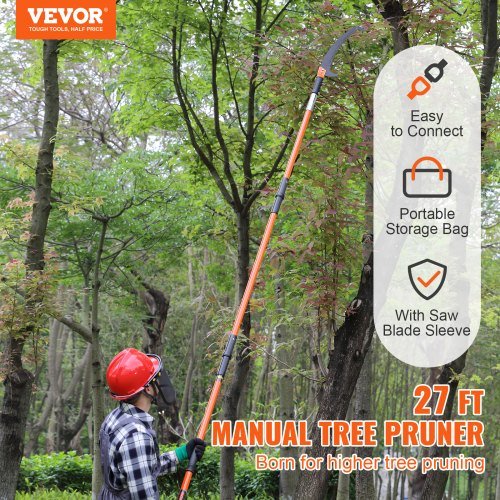
Pole saws are tools used to cut tree branches high above the ground. They help you reach branches without a ladder.
Frozen branches happen when cold weather makes the wood hard and icy. Cutting them can be different from cutting normal branches.
How Frozen Branches Differ
Frozen branches are harder and more brittle than regular branches. Ice inside the branch can make it stiff and less flexible.
This makes frozen branches break easily and can be sharp when they snap. The cold also makes the wood less soft for cutting.
Challenges With Frozen Wood
Cutting frozen wood with a pole saw is harder because the wood is tough and can crack suddenly. The saw blade may get stuck or dull faster.
Frozen branches can also fall in unexpected ways, so you need to be careful and plan your cuts before starting.
- The wood is harder, so cutting takes more effort
- The saw blade can get dull quicker
- Branches may break suddenly and unevenly
- Frozen ice can cause slipping hazards

Credit: www.seesiius.com
Choosing The Right Pole Saw
Cutting frozen branches requires a pole saw that can handle cold and hard wood. Choosing the right pole saw helps you work safely and efficiently. This guide covers key factors to consider.
We look at types of power sources and blade options. These details help you pick the best tool for cutting frozen branches.
Gas Vs Electric Vs Battery
Gas pole saws offer strong power for thick, frozen branches. They are heavy and need fuel mixing. Electric pole saws plug into power outlets and run quietly but limit your movement. Battery pole saws give good balance between power and mobility. Battery life affects how long you can work.
- Gas:High power, heavy, needs fuel, good for big jobs
- Electric:Quieter, lighter, limited by cord, easy to start
- Battery:Portable, moderate power, limited run time, no cords
Blade Types And Sizes
The blade size and type affect how well the saw cuts frozen branches. Longer blades reach higher branches but can be harder to control. Smaller blades are easier for precise cuts. Some blades are designed for clean cuts on hard wood.
| Blade Type | Best Use | Common Sizes |
| Standard Chain | General cutting of frozen branches | 8 to 14 inches |
| Low Kickback Chain | Safer use, reduces kickback | 10 to 12 inches |
| Carbide-Tipped | Cutting very hard or frozen wood | 10 to 14 inches |
Techniques For Cutting Frozen Branches
Cutting frozen branches can be tough. The wood is hard and brittle. Using the right methods helps prevent damage.
Knowing how to cut frozen branches safely protects you and your tools. This guide covers proper angles and safety tips.
Proper Cutting Angles
Cutting frozen branches at the correct angle reduces the chance of splitting. A clean cut helps the tree heal faster.
- Make a top cut first to avoid bark tearing.
- Cut at a 45-degree angle for smooth cuts.
- Use a sharp pole saw blade for better results.
- Make the final cut from the bottom to finish cleanly.
Safety Precautions
Frozen branches can break suddenly. Taking safety steps reduces injury risks.
| Safety Tip | Reason |
| Wear gloves and eye protection | Protect hands and eyes from sharp wood and debris |
| Check pole saw condition | Prevent tool failure during cutting |
| Clear the area below | Avoid injury from falling branches |
| Work slowly and steadily | Maintain control over the saw and cut |
Maintenance Tips After Cutting
Cutting frozen branches with a pole saw can be tough on the tool. Proper care after use keeps your saw working well. Good maintenance stops rust and damage.
Clean and sharpen the pole saw regularly. Store it properly to extend its life. Follow simple steps to keep your saw ready for the next job.
Cleaning The Pole Saw
Remove all debris and sap after cutting frozen branches. This prevents buildup that can harm the saw. Use a brush or cloth to clean the chain and bar.
- Wear gloves for protection
- Use warm soapy water to clean parts
- Dry the saw completely to avoid rust
- Apply chain oil to keep it lubricated
- Check for any loose screws or parts
Sharpening And Storage
Sharpen the chain teeth to keep cutting smooth. Use a round file or take it to a professional. Proper storage helps avoid damage and rust.
| Storage Tip | Reason |
| Keep saw in a dry place | Prevents rust and corrosion |
| Cover the chain bar | Protects the blade and others |
| Remove the battery (if electric) | Extends battery life |
| Store away from children | Ensures safety |
Alternatives To Pole Saws
Cutting frozen branches can be tough because they are hard and brittle. Pole saws may not work well on frozen wood. It is safer and easier to try other tools or services. These alternatives help you handle frozen branches without breaking your tools.
Using the right tool or getting help can prevent accidents and damage. Here are some good options to consider for cutting frozen branches.
Manual Tools For Frozen Branches
Manual tools like handsaws and loppers work better on frozen branches. They give you more control and reduce the risk of breaking blades. Choose tools with sharp, strong blades for clean cuts.
Manual cutting takes more effort but is safer. Use steady pressure and cut slowly to avoid splintering frozen wood.
- Bypass loppers for smaller branches
- Bow saws with sharp teeth for medium branches
- Hand saws designed for pruning thicker branches
- Keep blades clean and sharp to cut frozen wood
Professional Services
Hiring a professional tree service is a smart choice for frozen branches. Experts have the right tools and experience. They know how to cut safely and prevent damage to trees and property.
Professionals can also remove large or hard-to-reach branches. This reduces your risk of injury. They often offer cleanup after cutting, saving you time and effort.

Credit: myprotree.com
Frequently Asked Questions
Can A Pole Saw Effectively Cut Frozen Branches?
Yes, a pole saw can cut frozen branches, but it requires sharp blades. Frozen wood is harder and more brittle, so cutting slowly is essential. Ensure the saw is in good condition to avoid damage and reduce the risk of accidents.
What Precautions Should I Take When Cutting Frozen Branches?
Wear protective gear like gloves and goggles. Inspect the pole saw for sharpness and stability. Cut slowly to prevent blade damage. Avoid cutting branches that are too thick or frozen solid, as this can cause the saw to bind or break.
Does Cutting Frozen Branches Damage The Pole Saw?
Cutting frozen branches can dull or damage the blade if done improperly. Use a sharp, sturdy blade and avoid forcing the saw through the wood. Proper maintenance after use helps prolong the tool’s life and performance.
Is It Better To Wait For Branches To Thaw Before Cutting?
Waiting for branches to thaw is generally safer and easier. Thawed wood is softer, reducing strain on the saw and risk of breakage. However, if branches pose immediate danger, cutting frozen branches carefully is acceptable.
Conclusion
A pole saw can cut frozen branches, but with some care. Frozen wood is harder and may break unevenly. Use a sharp blade and steady pressure for best results. Avoid forcing the saw to prevent damage or injury. Always wear safety gear and check your tools before starting.
Cutting frozen branches is possible but requires patience and caution. This helps keep your trees healthy and your yard safe during winter. Take your time and work carefully to get the job done right.
