

Are you ready to transform your yard into a lush, green paradise? Seeding your lawn in spring is the perfect way to give your grass a fresh start.
But if you’re unsure where to begin, don’t worry—you’re in the right place. In this guide, you’ll discover simple, effective steps to plant grass seed that will grow strong and healthy. By following these easy tips, you can enjoy a vibrant lawn that becomes the envy of your neighborhood.
Keep reading, and let’s get your lawn looking its best this season!
Choosing The Right Grass Seed
Choosing the right grass seed is the first step to a healthy lawn. The seed type depends on your climate and lawn needs.
Understanding the differences between grass types helps you pick the best seed for spring planting.
Cool-season Vs Warm-season Grasses
Cool-season grasses grow well in cooler climates and stay green in spring and fall. Warm-season grasses thrive in hot climates and grow best in summer.
- Cool-season grasses: Kentucky bluegrass, fescue, ryegrass
- Warm-season grasses: Bermuda, zoysia, buffalo grass
- Cool-season grasses go dormant in hot summers
- Warm-season grasses slow down in cold winters
Selecting Seed For Your Climate
Choose grass seed suited for your local climate to ensure strong growth. Seeds that match your area’s temperature and rainfall will perform better.
| Climate Zone | Recommended Grass Type |
| Cool, northern areas | Cool-season grasses |
| Warm, southern areas | Warm-season grasses |
| Transition zones | Mix of cool and warm-season seeds |
Seed Quality And Types
High-quality seed grows faster and resists disease. Look for fresh seed with a high germination rate and low weed content.
- Certified seed ensures quality and purity
- Blend seeds offer diversity and better lawn coverage
- Pelleted seed is easier to spread for small lawns
- Coated seed improves moisture retention for better germination

Credit: www.youtube.com
Preparing Your Lawn Soil
Preparing your lawn soil is key to a healthy spring lawn. Good soil gives grass the right nutrients to grow strong.
Start by testing your soil, then clear old debris. Finally, loosen the soil to help seeds take root.
Testing Soil Ph And Nutrients
Test your soil to know its pH and nutrient levels. Soil pH affects how well grass absorbs nutrients.
- Use a soil test kit from a garden center or send a sample to a lab.
- Check pH level; most grasses prefer 6.0 to 7.0.
- Look for nutrient deficiencies like nitrogen, phosphorus, and potassium.
- Adjust soil based on test results with lime or fertilizer.
Clearing Debris And Old Grass
Remove dead grass, leaves, and sticks to create a clean surface for seeding. This helps seeds contact the soil.
| Task | Tools Needed |
| Rake up leaves and debris | Leaf rake or garden rake |
| Remove dead grass | Thatching rake or lawn dethatcher |
| Dispose of waste | Compost bin or yard waste bags |
Aerating And Tilling The Soil
Aerate soil to allow air, water, and nutrients to reach grass roots. Tilling breaks up compacted soil for better seed growth.
- Use a lawn aerator to poke holes in the soil.
- Apply tiller or garden fork to loosen the topsoil.
- Remove rocks and large clumps after tilling.
- Level the soil surface before seeding.
Seeding Techniques
Seeding your lawn in spring helps grass grow strong and green. Using the right seeding techniques improves seed spread and growth.
Here are some common ways to seed your lawn for the best results.
Broadcasting Seeds Evenly
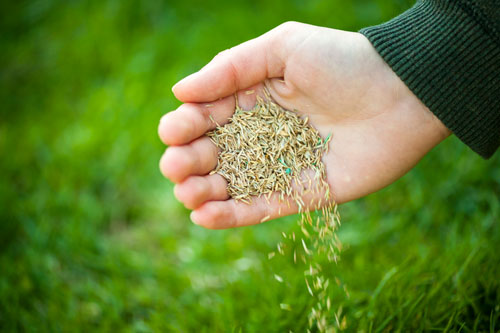
Broadcasting seeds means scattering them by hand or tool across the lawn. It is simple but needs care to cover all areas evenly.
Walk slowly and spread seeds in one direction, then go back at a right angle. This helps avoid bare spots and thick clumps.
- Divide seeds into smaller batches for better control
- Use light, even throws to spread seeds thinly
- Cover seeds lightly with soil to protect them
Using A Seed Spreader
A seed spreader helps distribute seeds evenly over large lawns. It saves time and gives a uniform seed layer.
Choose between a drop spreader or rotary spreader based on your lawn size and seed type. Calibrate the spreader for correct seed flow.
- Fill the spreader with seeds according to instructions
- Adjust settings for seed size and coverage rate
- Walk at steady speed to keep spreading even
- Overlap passes slightly to avoid gaps
Overseeding Existing Lawns
Overseeding adds new grass seed to an existing lawn to fill bare spots. It improves lawn thickness and health.
First, mow the lawn short and rake to remove debris. Spread seeds evenly, then water gently to keep soil moist until grass grows.
- Choose seed that matches your current grass type
- Prepare soil by loosening compacted areas
- Use a rake to mix seeds into the soil surface
- Water daily in small amounts to aid germination
Credit: ryanlawn.com
Watering And Maintenance
Seeding a lawn in spring needs the right watering and care. Good watering helps seeds grow strong roots.
Proper maintenance keeps your new grass healthy and green. Let’s look at how to water and care for your lawn.
Optimal Watering Schedule
Start by watering lightly every day to keep the soil moist. Do this for the first two weeks after seeding.
After the grass sprouts, water less often but more deeply. This helps roots grow deeper and stronger.
- Water daily for 10-15 minutes right after seeding
- Reduce to 3 times a week once grass appears
- Water early in the morning to reduce evaporation
Avoiding Overwatering
Too much water can drown seeds and cause mold. It also weakens roots and wastes water.
Check soil before watering. The top inch should feel dry before you water again.
- Water only when soil is dry on top
- Use a rain gauge or small container to measure water
- Avoid watering in the evening to stop fungus growth
Fertilizing For Growth
Fertilizer gives your new grass the nutrients it needs to grow thick and green. Use a starter fertilizer made for new lawns.
Apply fertilizer after the grass has sprouted and before it grows tall. Follow package instructions for the best results.
- Choose a fertilizer high in phosphorus to help roots
- Apply fertilizer 3 to 4 weeks after seeding
- Water lightly after fertilizing to help it soak in
Dealing With Common Challenges
Seeding a lawn in spring can bring many challenges. These issues can affect the growth of your new grass.
Knowing how to handle these problems helps create a healthy, green lawn.
Controlling Weeds
Weeds compete with grass for water and nutrients. Removing them early helps your grass grow strong.
Use a rake or hand-pull weeds before seeding. Avoid harsh chemicals that can harm new grass seeds.
- Pull weeds by hand or use a garden hoe
- Apply a natural mulch to block weed seeds
- Water regularly to help grass outgrow weeds
Preventing Soil Erosion
Soil erosion can wash away seeds and nutrients. Protect your soil to keep seeds in place.
Use mulch or straw over seeded areas. This keeps soil moist and stops it from washing away.
- Spread straw or mulch thinly over the seeded lawn
- Water gently to avoid washing away seeds
- Plant grass on slopes carefully to reduce runoff
Managing Pest Issues
Pests like insects and animals can damage new grass. Watch for signs of trouble early.
Use safe methods to control pests without harming your lawn or environment.
- Inspect the lawn often for bugs or damage
- Use natural pest repellents like neem oil
- Keep the lawn healthy to resist pests
Timing Your Seeding
Seeding a lawn in spring requires careful timing. It’s crucial to ensure the best growth conditions for your grass.
Understanding when to seed can make a big difference in lawn health. The right timing helps seeds germinate and establish.
Ideal Spring Planting Windows
Spring offers ideal conditions for grass seed germination. Pay attention to soil temperature and moisture levels.
- Wait until the soil temperature is consistently above 50°F.
- Ensure there is no threat of frost.
- Monitor local weather forecasts for optimal timing.
Weather Considerations
Weather conditions play a significant role in successful seeding. Consider rainfall patterns and temperature variations.
| Condition | Impact on Seeding |
| Heavy Rainfall | Can wash away seeds |
| Dry Spell | May require additional watering |
| Cold Snap | Delays germination |
Adjusting For Regional Differences
Different regions have unique climates. Tailor your seeding strategy to local conditions for best results.

Credit: www.youtube.com
Frequently Asked Questions
What Is The Best Time To Seed A Lawn In Spring?
The best time is early to mid-spring when soil temperature reaches 50-65°F. This ensures seed germination and healthy growth.
How Do I Prepare Soil Before Seeding In Spring?
Remove debris, loosen soil, and level the area. Adding compost or fertilizer improves soil quality for better seed growth.
What Type Of Grass Seed Suits Spring Planting?
Choose grass seed suitable for your climate and lawn use. Cool-season grasses like Kentucky bluegrass thrive in spring.
How Often Should I Water Newly Seeded Lawns?
Water lightly twice daily to keep soil moist. Reduce frequency as seedlings grow to encourage deep root development.
Conclusion
Seeding your lawn in spring helps grass grow strong and green. Start with good soil preparation and choose quality seeds. Water regularly but avoid overwatering to keep seeds moist. Watch for weeds and remove them early. Patience is key; grass takes time to grow fully.
Enjoy the fresh, healthy lawn that comes from your care. Simple steps lead to great results. Your lawn will thank you with vibrant green grass all season.
