
Rust on your wheelbarrow can turn a handy tool into a frustrating mess. You rely on your wheelbarrow for tough jobs, but if it starts to rust, it won’t last long and could even break when you need it most.
What if you could stop rust before it even starts? You’ll discover simple, effective ways to protect your wheelbarrow and keep it looking and working like new. Keep reading to learn how easy it is to save your wheelbarrow from rust—and save yourself time and money.
Credit: noah-dorego.medium.com
Causes Of Rust On Wheelbarrows
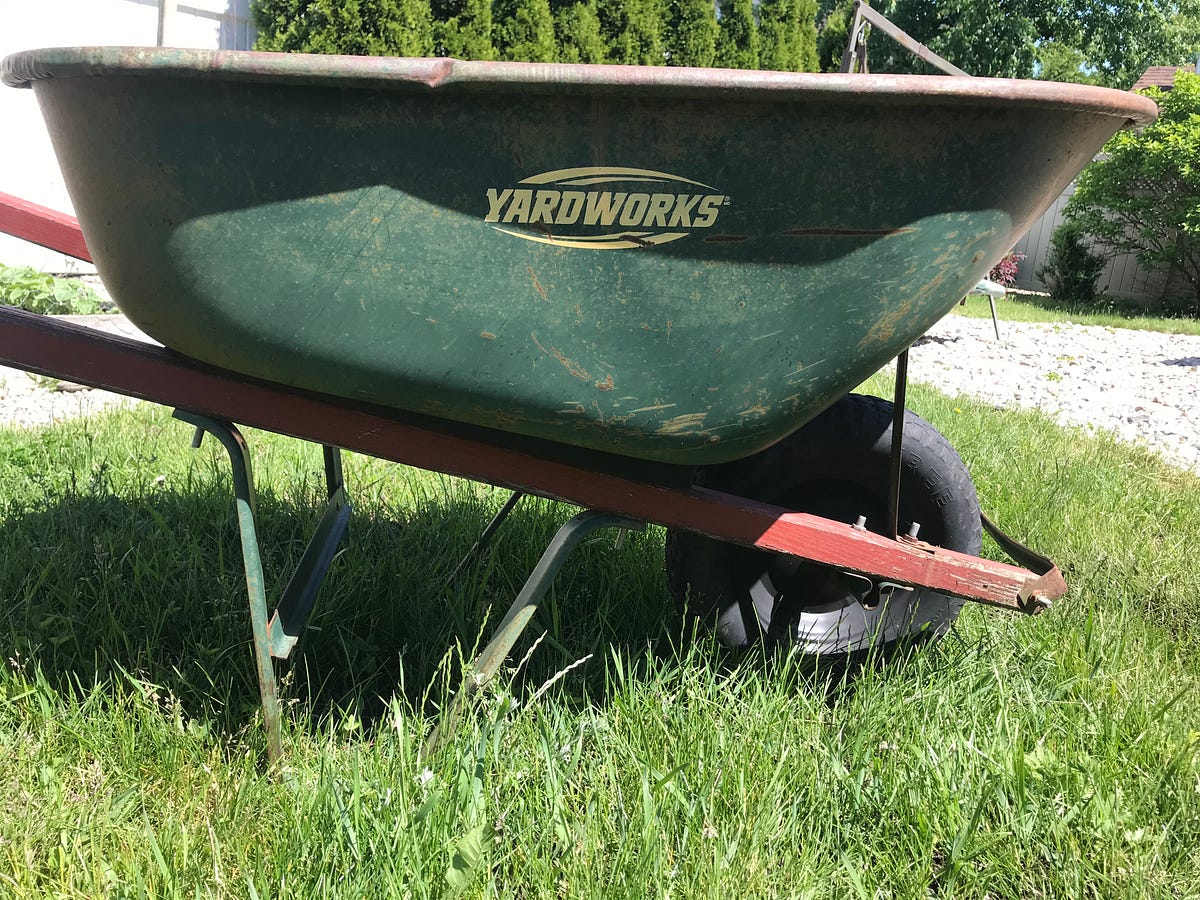
Rust forms on wheelbarrows when metal reacts with water and oxygen. This weakens the structure and shortens the tool’s life.
Understanding what causes rust helps you protect your wheelbarrow better. Three main causes are exposure to moisture, lack of protective coating, and poor storage conditions.
Exposure To Moisture
Moisture is the main reason metal rusts. Water from rain, dew, or wet soil stays on the wheelbarrow surface and starts the rusting process.
- Rainwater keeps the metal wet for long periods.
- Dew forms moisture overnight, especially in cold weather.
- Wet soil clinging to the wheelbarrow holds moisture against metal.
- Cleaning with water without drying can leave metal damp.
Lack Of Protective Coating
Without a protective layer, metal directly touches air and water. This speeds up rust formation. Protective coatings block moisture and oxygen.
| Type of Coating | Benefit |
| Paint | Shields metal from moisture |
| Powder Coating | Lasts longer and resists scratches |
| Galvanization | Protects with a zinc layer |
| Oil or Wax | Creates a water-resistant film |
Storage Conditions
Where and how you store the wheelbarrow affects rust risk. Poor storage traps moisture or exposes metal to weather.
Common storage problems that cause rust:
- Leaving the wheelbarrow outside without cover
- Storing in damp basements or sheds
- Placing on wet ground or grass
- Stacking with wet tools or materials
Choosing Rust-resistant Materials
Rust can damage your wheelbarrow and make it unsafe. Picking the right materials helps stop rust from forming. Some materials last longer outside.
Using rust-resistant materials saves money and time. It keeps your wheelbarrow strong and looking good.
Galvanized Steel
Galvanized steel has a layer of zinc that stops rust. This layer protects the steel from water and air. It is strong and lasts a long time.
Wheelbarrows made with galvanized steel resist rust well. They work great in wet conditions and need less care.
- Zinc coating prevents rust
- Good for heavy-duty work
- Needs less maintenance
- Can be more expensive than plain steel
Aluminum Options
Aluminum does not rust like steel. It forms a thin layer of oxide that protects it. Aluminum wheelbarrows are light and easy to carry.
They work well in damp places and last for years. Aluminum is a good choice if you want a rust-free wheelbarrow.
- Lightweight and easy to move
- Rust-resistant natural oxide layer
- Less strong than steel
- Good for light to medium tasks
Powder-coated Finishes
Powder coating adds a tough layer over metal parts. It seals the surface and stops water from reaching the metal. This finish helps prevent rust.
Powder-coated wheelbarrows come in many colors. The coating lasts longer than paint and does not chip easily.
- Creates a strong protective layer
- Resists chips and scratches
- Available in many colors
- Needs less repainting
Regular Cleaning Techniques
Keeping your wheelbarrow clean helps stop rust from forming. Dirt and moisture can cause damage over time.
Regular cleaning removes harmful substances and keeps your wheelbarrow in good shape for years.
Removing Dirt And Debris
Start cleaning by removing all dirt and debris from your wheelbarrow. This stops rust by preventing moisture buildup.
Use a stiff brush or a hose to clear out mud, leaves, and other particles. Pay attention to corners and crevices.
- Brush off loose dirt with a stiff brush
- Use a hose to wash away stuck debris
- Check the wheel and handles for trapped dirt
- Repeat cleaning if needed after heavy use
Proper Drying Methods
After cleaning, dry your wheelbarrow completely. Water left on the surface can cause rust to form quickly.
Use a dry cloth to wipe down all parts. Let the wheelbarrow air dry in a sunny, well-ventilated area.
- Wipe metal parts with a dry towel
- Flip the wheelbarrow to dry the inside
- Place it under the sun for faster drying
- Store in a dry place after drying
Applying Protective Treatments
Rust can damage your wheelbarrow and shorten its life. Applying protective treatments helps stop rust before it starts.
Use simple methods to keep your wheelbarrow safe from moisture and wear. These methods protect the metal parts effectively.
Rust Inhibitors
Rust inhibitors create a barrier on metal surfaces to block moisture and oxygen. They often come as sprays or liquids that you apply directly.
- Clean the wheelbarrow before applying rust inhibitors.
- Use a brush or cloth to spread the inhibitor evenly.
- Allow it to dry fully for best protection.
- Reapply every few months for continued rust prevention.
Oil And Wax Coatings
Oil and wax coatings protect metal by sealing out water. These coatings also help keep the surface smooth and shiny.
| Type | How to Apply | Benefits |
| Mineral Oil | Wipe with a cloth | Easy to use, good water barrier |
| Beeswax | Rub on and buff | Natural, long-lasting protection |
| Car Wax | Apply with sponge | Creates hard protective layer |
Paint Touch-ups
Paint protects metal from rust by covering exposed areas. Fix any chips or scratches quickly to prevent rust from forming.
Follow this simple checklist for paint touch-ups:
- Clean the damaged area well
- Lightly sand to remove rust and smooth edges
- Apply rust-resistant primer
- Use matching paint for the top coat
- Let each layer dry before adding the next
Smart Storage Practices
Rust can damage your wheelbarrow and make it hard to use. Storing it properly helps stop rust from forming. Smart storage keeps your wheelbarrow dry and clean.
Good habits like where and how you store your wheelbarrow can make it last longer. Let’s look at storage options that protect it from rust.
Indoor Vs Outdoor Storage
Keeping your wheelbarrow indoors is the best way to avoid rust. Indoor storage means less rain and moisture exposure. It stays dry and safe from weather damage.
Outdoor storage is easier but can cause rust if the wheelbarrow gets wet. If you must store it outside, place it in a spot that drains water well. Avoid areas where water collects.
- Indoor storage keeps the wheelbarrow dry and rust-free
- Outdoor storage risks moisture and faster rusting
- Choose a dry, shaded spot for outdoor storage
- Keep wheelbarrow off the ground to avoid puddles
Using Covers And Shelters
Covers protect your wheelbarrow from rain, snow, and dew. Use waterproof covers made for outdoor tools. Make sure the cover fits well and has air vents to stop moisture buildup.
Shelters like garden sheds or lean-tos give extra protection. They block sun and rain. Proper shelters stop rust by keeping the wheelbarrow dry and cool.
- Use waterproof covers with air vents
- Check covers often for tears or holes
- Build or buy a small shelter for extra protection
- Keep the shelter clean and dry inside
Credit: noah-dorego.medium.com
Routine Maintenance Tips
Keeping your wheelbarrow rust-free extends its life. Follow these simple maintenance tips.
Routine checks prevent rust and keep your wheelbarrow in great shape.
Inspecting For Early Rust Signs
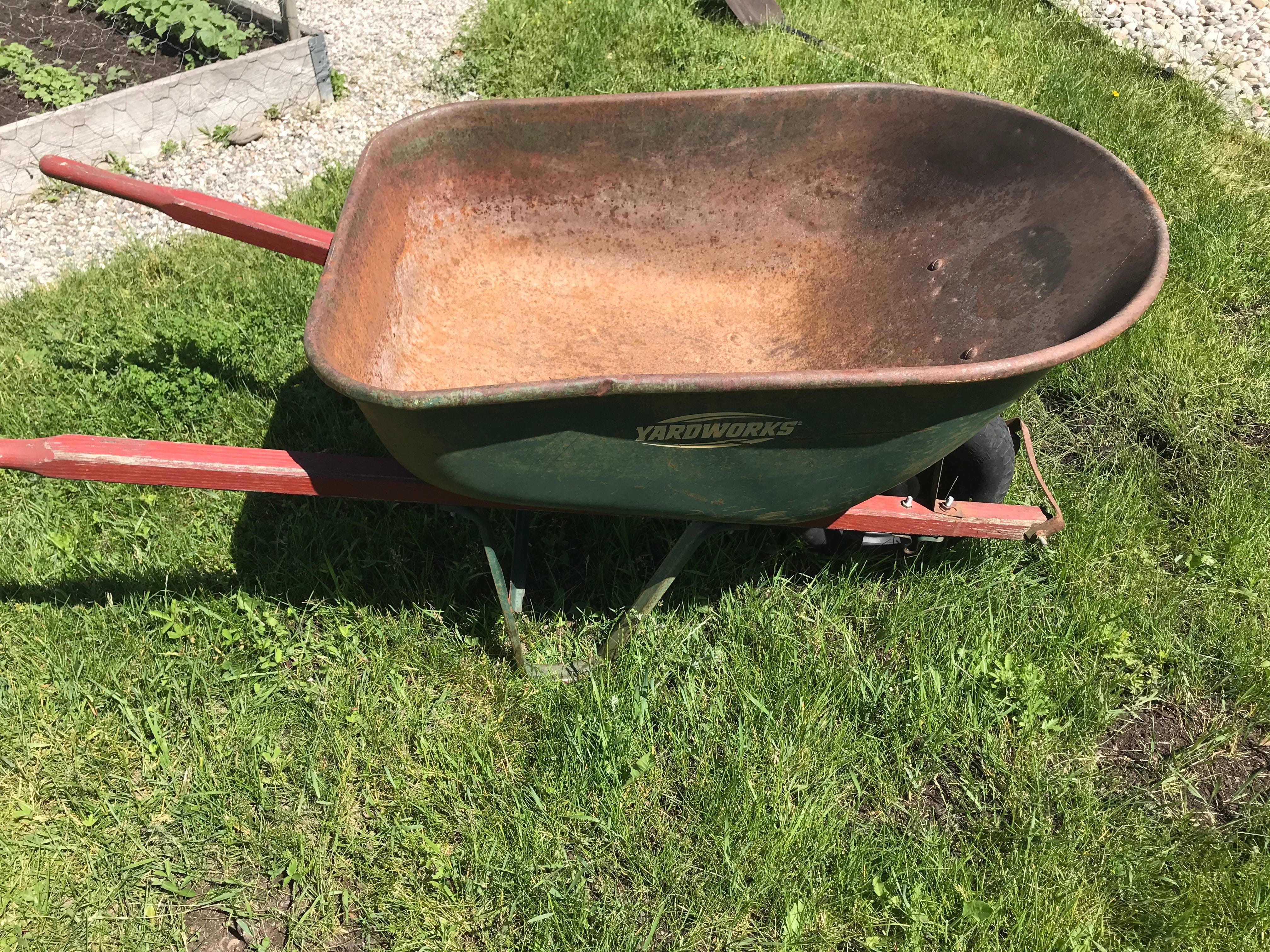
Regular inspections help catch rust before it spreads. Look for any discoloration on metal parts.
- Check the metal frame for brown spots
- Inspect the wheel rims for rust signs
- Look under the tray for hidden rust patches
Tightening And Repairing Parts
Loose parts can cause wear and invite rust. Keep everything tight and secure.
| Part | Action |
| Bolts and Nuts | Tighten with a wrench |
| Handles | Check for any wobbles |
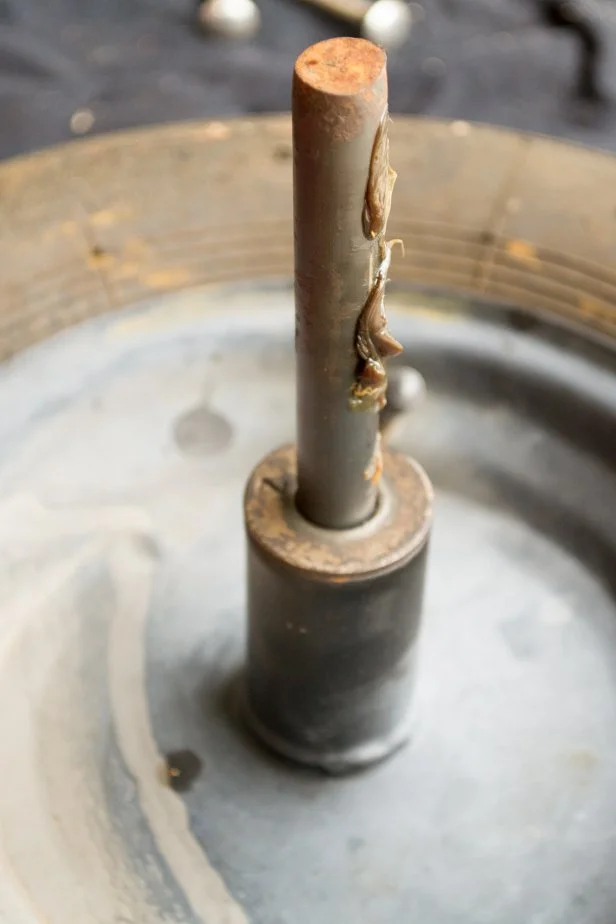
| Wheel Axle | Ensure it spins freely |
Credit: www.hgtv.com
Frequently Asked Questions
How Can I Prevent Rust On My Wheelbarrow?
Keep your wheelbarrow dry and clean after use. Apply a rust-resistant paint or spray. Store it in a sheltered area to avoid moisture exposure. Regularly check and touch up any scratches or chipped paint to prevent rust formation.
What Cleaning Methods Remove Rust From Wheelbarrows?
Use a wire brush or sandpaper to scrub off rust. Apply a rust remover or white vinegar for stubborn spots. Rinse well and dry completely. After cleaning, apply a protective coating to prevent future rust.
Is It Necessary To Paint A Wheelbarrow To Avoid Rust?
Yes, painting creates a protective barrier against moisture. Use rust-resistant paint designed for metal surfaces. Regularly inspect and repaint any damaged areas. This maintenance significantly extends the life of your wheelbarrow.
Can Storing A Wheelbarrow Indoors Prevent Rust?
Storing indoors protects the wheelbarrow from rain and humidity. A dry, ventilated space reduces moisture buildup. If indoor storage isn’t possible, use a waterproof cover outdoors to minimize rust risk.
Conclusion
Rust can damage your wheelbarrow and shorten its life. Clean it after each use to remove dirt and moisture. Store it in a dry place to stop rust from forming. Use paint or a rust protector for extra defense. Check it often for early signs of rust.
Taking small steps can keep your wheelbarrow strong and useful for years. Simple care makes a big difference. Protect your tool and save money on repairs or replacements. Your wheelbarrow deserves good care.
