
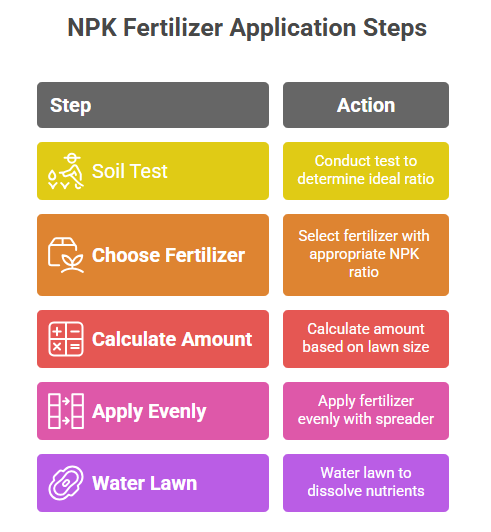
Choosing the right fertilizer can feel confusing, especially when you want your plants to grow strong and healthy. But what if you could take the guesswork out of it?
By using a simple soil test, you can discover exactly what your soil needs—and nothing it doesn’t. This means healthier plants, better yields, and saving money by avoiding unnecessary products. You’ll learn how to read your soil test results and pick the perfect fertilizer for your garden or farm.
Keep reading to unlock the secret to smarter, more effective fertilizing.

Credit: yarafert.com
Soil Testing Basics
Soil testing helps farmers know what nutrients their soil needs. It guides them to pick the right fertilizer.
Testing soil is simple and gives important information. This helps plants grow healthy and strong.
Types Of Soil Tests
There are different soil tests to check soil health. Each test looks for specific nutrients or problems.
- pH Test: Measures how acidic or basic the soil is.
- Nutrient Test: Checks for nitrogen, phosphorus, potassium, and other nutrients.
- Texture Test: Finds out the soil type like sandy or clay.
- Organic Matter Test: Shows how much organic material is in the soil.
Collecting Soil Samples
Take soil samples carefully to get accurate test results. Samples show the real condition of your field.
Use a clean tool to collect soil from several places. Mix these samples well before testing.
- Take samples from 6-8 spots in the area.
- Dig 6 inches deep to get the soil.
- Remove roots, stones, and debris.
- Mix soil in a clean bucket.
- Place about one cup of soil in a clean bag.
Interpreting Test Results
Test results show nutrient levels and soil pH. Use this data to choose the right fertilizer.
Low nutrient levels mean you need to add fertilizer. High levels mean less or no fertilizer is needed.
| Soil Test Result | Meaning | Action |
|---|---|---|
| pH below 6.0 | Soil is acidic | Add lime to raise pH |
| Low nitrogen (N) | Plants may grow poorly | Add nitrogen fertilizer |
| Low phosphorus (P) | Roots and flowers may be weak | Add phosphorus fertilizer |
| Low potassium (K) | Plants may wilt easily | Add potassium fertilizer |

Credit: www.reddit.com
Key Nutrients To Consider
Soil tests reveal the nutrients your soil needs. Choosing the right fertilizer depends on these key nutrients.
Each nutrient plays a role in plant health. Understanding their functions helps you pick the best fertilizer.
Nitrogen Needs
Nitrogen is vital for leaf and stem growth. It helps plants make chlorophyll and grow green leaves.
Soil tests show nitrogen levels. Low nitrogen means plants may grow slowly and look pale.
Phosphorus Levels
Phosphorus supports root growth and flower production. It helps plants convert energy for growth.
- Check phosphorus levels in your soil test.
- Low phosphorus can cause weak roots and less blooms.
- Too much phosphorus may harm some plants and soil life.
Potassium Importance
Potassium helps plants resist disease and survive drought. It strengthens stems and improves fruit quality.
| Potassium Level | Effect on Plants |
| Low | Weak stems, less fruit |
| Optimal | Strong plants, good yield |
| High | May cause nutrient imbalance |
Micronutrient Roles
Micronutrients like iron, zinc, and copper are needed in small amounts. They help enzymes and growth processes.
Important micronutrients include:
- Iron – helps with chlorophyll production
- Zinc – supports growth hormones
- Copper – aids in photosynthesis and disease resistance
- Manganese – involved in nutrient absorption
Matching Fertilizer Types
Choosing the right fertilizer depends on your soil test results. Different fertilizers provide different nutrients. Matching them helps plants grow better.
Soil tests show what your soil lacks. Use this information to pick a fertilizer that fills those gaps.
Organic Fertilizers
Organic fertilizers come from natural sources like plants and animals. They improve soil health over time. These fertilizers release nutrients slowly.
They add organic matter, which helps soil hold water and nutrients. Organic fertilizers are good for long-term soil care.
- Compost
- Manure
- Bone meal
- Blood meal
- Seaweed extracts
Synthetic Fertilizers
Synthetic fertilizers are made in factories. They contain nutrients in exact amounts. These fertilizers work fast to feed plants.
Use synthetic fertilizers when soil tests show specific nutrient needs. They help correct deficiencies quickly but do not improve soil structure.
- Nitrogen (N) fertilizers like urea
- Phosphorus (P) fertilizers like superphosphate
- Potassium (K) fertilizers like potassium chloride
- Complete N-P-K blends
Slow-release Options
Slow-release fertilizers release nutrients over time. They reduce the risk of burning plants. These are good for steady growth.
Soil tests help decide if slow-release fertilizers fit your needs. They are useful when you want less frequent feeding.
- Coated granules that dissolve slowly
- Organic materials that break down gradually
- Controlled-release synthetic fertilizers
Customized Blends
Customized blends match your soil test exactly. They mix nutrients in the right amounts for your soil. This helps plants get what they need without waste.
Farmers and gardeners can order these blends from suppliers. They save money and improve plant health.
| Benefit | Description |
|---|---|
| Precise nutrient supply | Matches soil test needs closely |
| Reduces over-fertilizing | Limits nutrient runoff and waste |
| Improves crop yield | Provides balanced nutrition |
Adjusting Fertilizer Rates
Adjusting fertilizer rates is important for healthy plant growth. Soil tests help you know what nutrients your soil needs.
Using the right amount of fertilizer saves money and protects the environment. This guide explains how to adjust rates based on soil tests.
Calculating Nutrient Deficiencies
Soil tests show the levels of nitrogen, phosphorus, and potassium. Compare these levels to what your crops need.
| Nutrient | Soil Test Result (ppm) | Crop Requirement (ppm) | Deficiency (ppm) |
| Nitrogen (N) | 15 | 30 | 15 |
| Phosphorus (P) | 10 | 20 | 10 |
| Potassium (K) | 25 | 30 | 5 |
Subtract the soil test result from the crop requirement to find the deficiency. Use this to decide fertilizer amounts.
Application Timing
Apply fertilizer when plants can absorb nutrients best. Timing depends on crop type and growth stage.
- Apply nitrogen early in the growing season
- Add phosphorus before planting
- Use potassium during peak growth
Split fertilizer into several applications to reduce nutrient loss and improve uptake.
Avoiding Overfertilization
Too much fertilizer can harm plants and pollute water. Use only what the soil needs.
Tips to avoid overfertilization:
- Follow soil test recommendations.
- Do not apply fertilizer after heavy rain.
- Check fertilizer labels for nutrient content.
- Use slow-release fertilizers if possible.
Environmental Considerations
Choosing fertilizer based on soil tests helps protect the environment. It prevents excess chemicals from harming plants and water.
Understanding the environmental impact guides better decisions for healthy soil and crops.
Preventing Runoff
Runoff occurs when fertilizer washes away into water bodies. It causes pollution and damages aquatic life.
- Apply fertilizer only as needed by soil tests
- Avoid fertilizing before heavy rain
- Use buffer zones near streams and ponds
- Choose slow-release fertilizers to reduce leaching
Sustainable Practices
Sustainable fertilizer use supports long-term farm health and lowers environmental risks.
| Practice | Benefit |
| Crop rotation | Improves soil nutrients naturally |
| Cover crops | Prevents erosion and adds organic matter |
| Using organic fertilizers | Reduces chemical buildup |
| Precise fertilizer timing | Matches plant needs to reduce waste |
Soil Health Maintenance
Healthy soil absorbs and holds nutrients well. It supports strong plants and less fertilizer use.
Tips for maintaining soil health:
- Test soil regularly to monitor changes
- Add organic matter like compost
- Limit tilling to protect soil structure
- Manage pH to keep nutrients available

Credit: yardandgarden.extension.iastate.edu
Expert Tips For Best Results
Understanding your soil’s needs is key to choosing the right fertilizer. Soil tests provide the information you need for healthy plants. Follow these expert tips to get the best results from your soil test.
Learn how regular testing, record keeping, and professional advice can help optimize your soil’s health. These steps ensure your plants get the nutrients they need.
Regular Testing Frequency
Testing your soil regularly is important for tracking changes over time. This helps identify nutrient deficiencies early.
- Test soil at least once a year
- Consider seasonal tests for varied crops
- Use consistent testing methods for accuracy
Record Keeping
Keeping detailed records of your soil tests is crucial. This helps track progress and plan future soil improvements.
- Date and location of each test
- Results and recommended actions
- Fertilizer type and amount applied
Seeking Professional Advice
Consulting with experts can provide valuable insights. They can interpret complex soil test results and recommend specific fertilizers.
| Expert | Service Offered |
| Agronomist | Soil analysis and recommendations |
| Horticulturist | Plant health and nutrient needs |
| Extension Office | Local soil information and resources |
Frequently Asked Questions
What Is The Importance Of Soil Testing For Fertilizer Selection?
Soil testing identifies nutrient levels and pH, guiding precise fertilizer use. It prevents over-application and boosts crop health. This ensures cost-effective and environmentally friendly fertilization tailored to your soil’s needs.
How Do I Interpret Soil Test Results For Fertilizer?
Soil test reports show nutrient content and pH values. Compare these with crop nutrient requirements to choose the right fertilizer. Focus on nitrogen, phosphorus, and potassium levels for balanced soil nutrition.
Can Soil Tests Reduce Fertilizer Costs Effectively?
Yes, soil tests help target nutrient deficiencies precisely. This avoids unnecessary fertilizer use and saves money. Applying only needed nutrients also improves crop yield and soil health.
How Often Should I Conduct Soil Testing?
Conduct soil tests every 2 to 3 years for consistent results. Test more frequently if changing crops or noticing poor growth. Regular testing maintains optimal soil fertility over time.
Conclusion
Choosing the right fertilizer starts with a soil test. It shows what your soil needs most. Apply fertilizer based on these results for best growth. Avoid guessing or using too much fertilizer. Healthy soil means healthier plants and better harvests.
Test your soil regularly to keep it balanced. Simple steps lead to strong, thriving gardens. Soil tests save money and protect the environment too. Trust the data, and your plants will thank you.
