
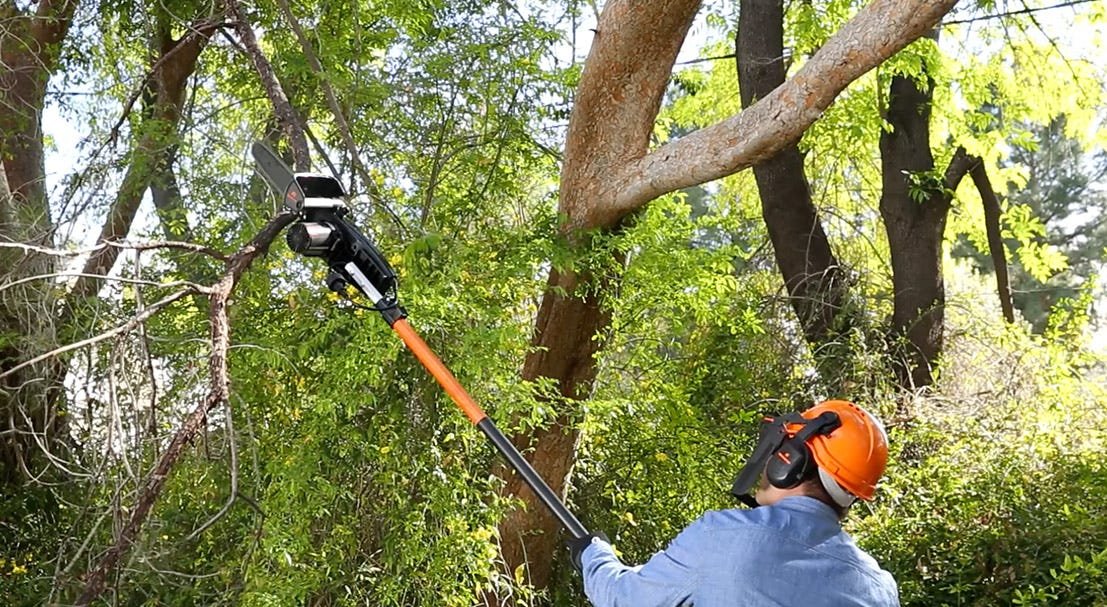
Using a pole saw can make pruning tall trees easier and faster. But if you’re not careful, it can also be dangerous.
You want to get the job done without risking injury or damage to your property. That’s why knowing the right safety tips is so important. You’ll discover simple but powerful ways to protect yourself every time you use a pole saw.
Keep reading to learn how to stay safe and confident while trimming branches high above.
Choosing The Right Pole Saw
Choosing the right pole saw helps you work safely and easily. The right tool matches your needs and skill level.
Think about the types, power sources, and features before buying a pole saw. This guide helps you decide.
Types Of Pole Saws
Pole saws come in different types. Some are simple manual tools, while others have motors for faster cutting.
Manual pole saws need more effort but are quiet and safe. Motorized saws cut faster and handle bigger jobs.
- Manual: Simple, no power needed, good for light pruning
- Gas-powered: Strong, good for heavy jobs, but noisy and needs fuel
- Electric corded: Lightweight, quiet, limited by cord length
- Battery-powered: Portable, quiet, limited run time
Power Sources
Power source affects how you use the pole saw. Each type has pros and cons for safety and convenience.
Gas saws offer power but require careful handling. Electric saws are easier to start and use but need a power supply.
- Gas: Strong power, needs fuel and maintenance, heavier
- Electric corded: Needs outlet, lighter, less noisy
- Battery: Cord-free, easy to carry, limited battery life
Essential Features
Look for safety and comfort features. These features help prevent accidents and make work easier.
Choose pole saws with good balance, safety locks, and easy controls. Adjustable length helps reach high branches safely.
- Safety lock to prevent accidental starts
- Non-slip grip for better control
- Adjustable pole length for safer reach
- Lightweight design to reduce fatigue
- Chain brake to stop the chain quickly
Essential Safety Gear
Using a pole saw can be dangerous without the right safety gear. Proper equipment protects you from injuries.
Wearing the correct clothing and protective items helps reduce risks while cutting branches or trimming trees.
Protective Clothing
Wear durable clothes that cover your arms and legs. This protects you from cuts and scratches from branches.
- Long-sleeve shirts and long pants made from tough fabric
- High-visibility colors to make you easy to see
- A hard hat to protect your head from falling debris
- A face shield for extra face protection
Eye And Ear Protection
Protect your eyes and ears from flying debris and loud noise. Safety glasses and ear plugs or ear muffs are essential.
| Gear | Purpose |
| Safety Glasses | Keep dust and wood chips out of your eyes |
| Face Shield | Additional face protection against flying debris |
| Ear Plugs | Reduce noise levels to protect hearing |
| Ear Muffs | Cover ears to block loud saw sounds |
Gloves And Footwear
Strong gloves protect your hands from cuts and improve grip. Sturdy boots keep your feet safe and steady.
- Wear gloves made of cut-resistant material.
- Choose boots with steel toes and good ankle support.
- Use footwear with non-slip soles to avoid slipping.
Preparing For Safe Cutting
Using a pole saw can help you reach high branches safely. Preparing well before cutting reduces risks.
Follow simple steps to keep yourself and others safe during work.
Inspecting The Pole Saw
Check your pole saw before use. Look for damaged parts or loose screws. Make sure the chain is sharp and tight.
Test the saw’s controls to ensure they work smoothly. A well-maintained saw cuts better and is safer to use.
- Examine the chain for wear or damage
- Check the pole for cracks or bends
- Ensure all bolts and screws are tight
- Test the throttle and safety switch
- Refuel or recharge as needed
Clearing The Work Area
Remove obstacles around your cutting zone. Clear branches, tools, and debris that could cause trips or falls.
Make sure pets and people stay away. Keep a safe distance to avoid accidents from falling branches.
- Move furniture and garden tools away
- Keep children and pets at a safe distance
- Watch for power lines and avoid them
- Check the ground for stable footing
Planning The Cut
Decide where and how you will cut the branch. Plan to cut small sections if the branch is large.
Think about where the branch will fall. Make sure the path is clear and you have a safe exit route.
- Identify the branch to cut
- Choose the best cutting angle
- Plan where the branch will fall
- Keep a clear retreat path
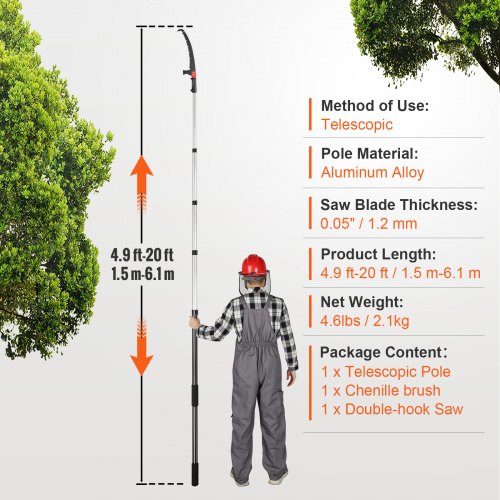
Credit: www.vevor.com
Proper Cutting Techniques
Using a pole saw safely means cutting with control and care. Proper cutting techniques help prevent accidents and make the job easier.
Focus on balance, the right cutting height, and ways to avoid dangerous kickback. These tips keep you safe and protect your equipment.
Maintaining Balance And Grip
Keep your feet firm and shoulder-width apart for good balance. Hold the pole saw with both hands, gripping the handles tightly but not too hard.
- Wear shoes with good traction to avoid slipping.
- Stand on solid, even ground if possible.
- Keep your body centered under the saw to control it better.
Cutting At Safe Heights
Do not overreach or cut above your head. Work at a height where you can see clearly and keep control of the saw.
| Height Level | Safety Tip |
| Ground to Shoulder | Best for control and balance. |
| Above Shoulder | Use extra caution; keep body steady. |
| Above Head | Not recommended; risk of losing control. |
Avoiding Kickback
Kickback happens when the saw blade suddenly stops or hits something hard. It can throw the saw back toward you.
- Do not cut with the tip of the blade.
- Keep the saw sharp and clean.
- Do not cut small branches that can pinch the blade.
- Always watch the blade’s path and surroundings.
Handling Common Hazards
Using a pole saw can be risky if you do not take safety seriously. Knowing how to handle common hazards helps prevent accidents. Always stay alert and use proper techniques to work safely.
In this guide, we focus on three main hazards: falling branches, power lines, and weather. Understanding these dangers keeps you and others safe while using a pole saw.
Dealing With Falling Branches
Falling branches can cause serious injuries. Always watch where branches will fall before cutting. Clear the area and make sure no one stands below.
Use slow, controlled movements when cutting. This helps you keep control and predict where branches will drop. Wear a hard hat to protect your head.
- Plan your cuts to control branch fall direction
- Clear people and pets from the drop zone
- Wear a hard hat and safety glasses
- Move away quickly after the branch starts falling
Working Near Power Lines
Power lines are very dangerous. Never touch or get close to them with your pole saw. Stay at least 10 feet away from any power lines.
Call your electric company if branches are near power lines. Do not try to cut them yourself. Always check your surroundings before starting work.
- Keep a safe distance of at least 10 feet from power lines
- Do not use a pole saw if power lines are nearby
- Contact utility companies for tree trimming near power lines
- Be aware of hidden wires among branches
Weather Considerations
Weather affects your safety when using a pole saw. Avoid cutting during rain, strong winds, or icy conditions. Wet or slippery surfaces increase the risk of falls.
Check the weather forecast before starting. If the weather changes suddenly, stop work and wait for safe conditions. Dress properly for the weather to stay comfortable and focused.
- Avoid working in rain or snow
- Stop if wind speed is high
- Wear boots with good grip to prevent slips
- Dress in layers to stay warm or cool
Maintenance For Safety
Maintaining your pole saw is key to safe operation. Regular checks help prevent accidents. Proper care also extends the tool’s lifespan.
Focus on cleaning, sharpening, and storing the saw correctly. This keeps it in top shape and ensures safety during use.
Cleaning And Lubrication
Clean your pole saw after each use. Remove debris and sawdust from the chain and body. This prevents build-up that can cause malfunctions.
Lubricate the chain regularly. Use a recommended oil to reduce friction and wear. This ensures smooth operation and prolongs tool life.
- Wipe down the body with a damp cloth
- Use a brush to clean the chain
- Apply oil to the chain before storing
Sharpening The Chain
A sharp chain is crucial for efficient cutting. Dull chains can cause the saw to kick back, leading to accidents.
Check the chain’s sharpness regularly. Use a file or a sharpening tool to maintain its edge. Follow the manufacturer’s instructions for best results.
- Inspect the chain teeth for dullness
- Use a round file for sharpening
- Ensure even sharpening for balanced cutting
Storage Tips
Store your pole saw in a dry place. Moisture can cause rust and damage electrical components.
Keep the saw out of children’s reach. Use a protective cover for the blade to prevent accidents.
- Store indoors in a cool, dry place
- Use a blade cover for safety
- Ensure the saw is unplugged or battery removed
Emergency Preparedness
Using a pole saw requires awareness of safety and emergency preparedness. Accidents can happen, so it’s crucial to be ready.
This guide will help you understand the essentials of emergency readiness while using pole saws.
First Aid Essentials
First aid knowledge is vital when working with pole saws. It can prevent minor injuries from becoming severe.
- Keep a first aid kit nearby.
- Learn how to treat cuts and scrapes.
- Know how to stop bleeding quickly.
- Understand basic CPR techniques.
Emergency Contact Plan
Having a clear emergency contact plan ensures quick response when needed. Communication is key.
Inform a family member or neighbor before starting.
Have a phone within reach at all times.
When To Seek Professional Help
Sometimes, professional help is necessary for safety. Know when to call in the experts.
| Situation | Action |
| Large trees | Contact a tree surgeon |
| Unreachable branches | Hire a professional service |
| Injury | Seek medical help immediately |
Credit: www.seesiius.com
Credit: community.thriveglobal.com
Frequently Asked Questions
What Safety Gear Is Essential For Using Pole Saws?
Always wear safety goggles, gloves, a hard hat, and sturdy footwear. These protect you from debris and accidental cuts. Hearing protection is also recommended to prevent hearing damage from loud noise.
How Should I Inspect My Pole Saw Before Use?
Check the blade for sharpness and damage. Ensure the pole and locking mechanisms are secure. Test the saw’s operation and fuel or battery levels before starting work.
What Is The Correct Posture For Operating A Pole Saw?
Stand with feet shoulder-width apart for balance. Keep your back straight and avoid overreaching. Hold the saw firmly with both hands for control and stability.
How Can I Avoid Falling Branches While Cutting?
Plan your cuts to direct branches away from you. Stay alert and move clear quickly once a branch starts to fall. Never stand directly under the branch you are cutting.
Conclusion
Using a pole saw can be safe and easy with the right care. Always wear protective gear and check your tool before use. Keep a clear space around you to avoid accidents. Work slowly and stay focused on the task.
Regularly maintain your saw to keep it sharp and ready. Safety should be your top priority every time you work. Following these tips helps protect you and others nearby. Stay alert, stay safe, and enjoy your work with confidence. Simple steps can prevent many common injuries.
