
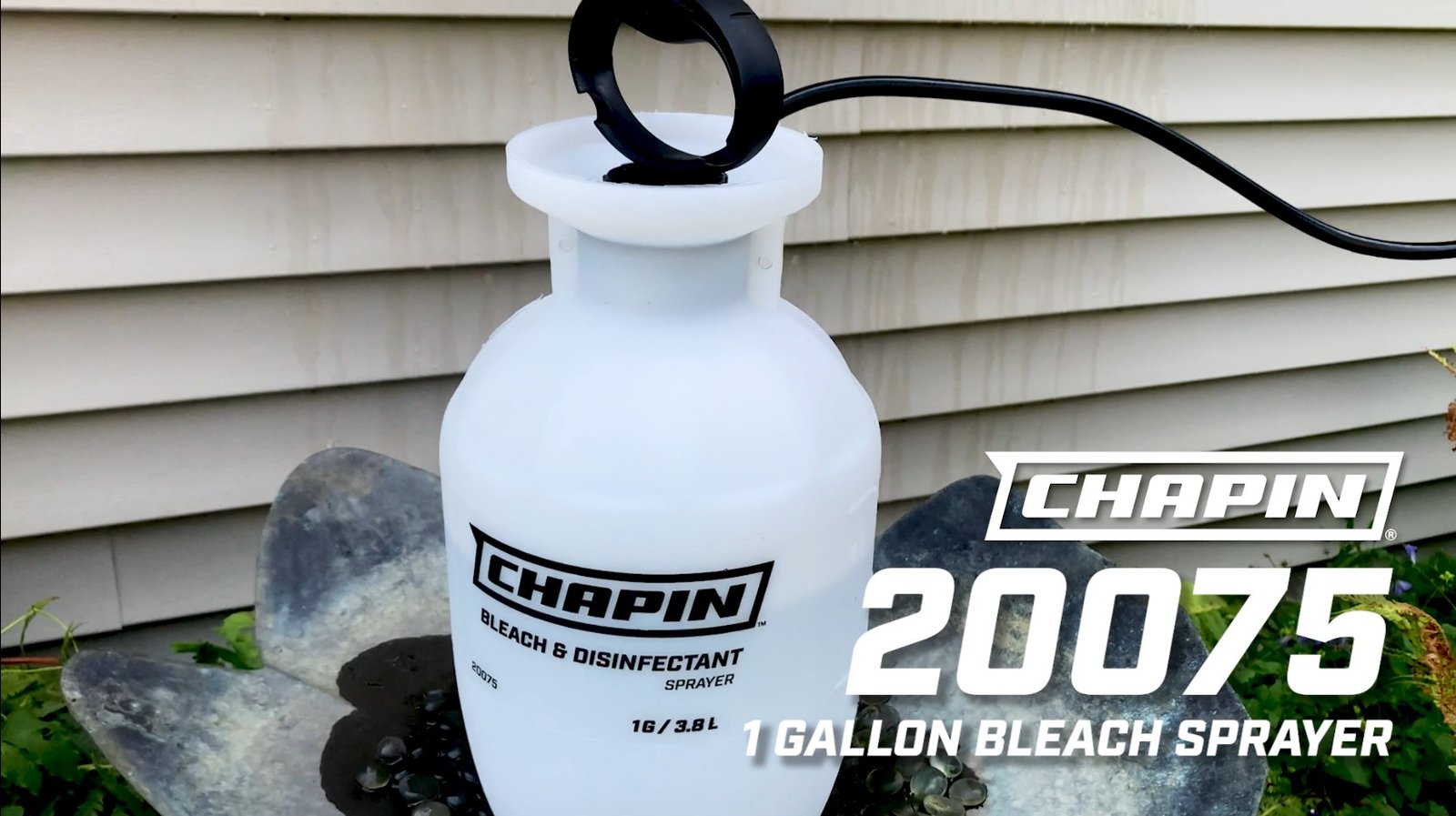
Are you wondering if you can put bleach in a handheld sprayer for your cleaning tasks? It’s a common question that many people have when trying to tackle tough stains or disinfect surfaces quickly.
But before you pour bleach into your sprayer, it’s important to know what might happen to your equipment and your safety. You’ll discover the truth about using bleach in handheld sprayers and learn the best practices to get the job done right without damaging your gear or risking harm.
Keep reading to find out everything you need to know!
Bleach And Sprayers
Many people use handheld sprayers for cleaning and disinfecting. Bleach is a common disinfectant. It works well to kill germs on surfaces.
Using bleach in sprayers can be tricky. Some sprayers handle bleach better than others. It is important to know which sprayers are safe for bleach.
Types Of Handheld Sprayers
There are many types of handheld sprayers. Each type has different parts and materials. These affect how well they work with bleach.
- Plastic Pump Sprayers– Made mostly of plastic. They are light and easy to carry.
- Stainless Steel Sprayers– Made with metal parts that resist rust and corrosion.
- Battery-Powered Sprayers– Use a battery to spray liquid automatically.
- Pressure Sprayers– Use air pressure to push the liquid out.
Compatibility With Bleach
Not all sprayers are safe for bleach use. Bleach can damage some materials inside the sprayer. This damage may cause leaks or blockages.
| Sprayer Type | Safe with Bleach | Notes |
| Plastic Pump Sprayers | Sometimes | Check if plastic is bleach-resistant |
| Stainless Steel Sprayers | Yes | Best choice for bleach |
| Battery-Powered Sprayers | No | Electrical parts may get damaged |
| Pressure Sprayers | Sometimes | Depends on seals and materials used |

Credit: www.amazon.com
Safety Precautions
Using bleach in a handheld sprayer requires care. Bleach is strong and can cause harm if not handled correctly.
Follow safety rules to protect yourself and others while using bleach in sprayers.
Protective Gear To Wear
Wear protective gear to keep bleach off your skin and eyes. Bleach can irritate or burn.
Always use gloves, goggles, and long sleeves when handling bleach.
- Rubber gloves protect your hands
- Safety goggles protect your eyes
- Long sleeves protect your skin
- Closed shoes keep feet safe
Proper Ventilation
Use bleach in well-ventilated areas. Bleach fumes can be harmful if breathed in.
Open windows and doors or use fans to keep fresh air flowing while spraying bleach.
- Work outdoors if possible
- Keep windows open indoors
- Use fans to move air
- Avoid closed spaces
Avoiding Chemical Reactions
Do not mix bleach with other chemicals. Mixing can cause dangerous gases or reactions.
Check the sprayer is clean before adding bleach. Avoid using bleach after other chemicals.
- Never mix bleach with ammonia
- Avoid mixing bleach with acids
- Rinse sprayer well before use
- Use bleach only in sprayers meant for it
Using Bleach In Sprayers
Bleach is a strong cleaner often used to kill germs and mold. You can put bleach in handheld sprayers to clean surfaces outside or indoors.
It is important to use bleach safely in sprayers. Proper steps help protect the sprayer and the people around.
Dilution Ratios
Always dilute bleach with water before spraying. Using pure bleach can damage surfaces and your sprayer.
Common dilution ratios depend on the cleaning job and bleach strength.
- For general disinfecting: 1 part bleach to 10 parts water
- For heavy mold or mildew: 1 part bleach to 5 parts water
- For light cleaning: 1 part bleach to 20 parts water
Application Techniques
Wear gloves and eye protection when spraying bleach. Avoid breathing in the mist.
Spray evenly on surfaces and let the bleach sit for at least 5 minutes. This time helps kill germs effectively.
- Do not spray bleach on metal as it may cause rust
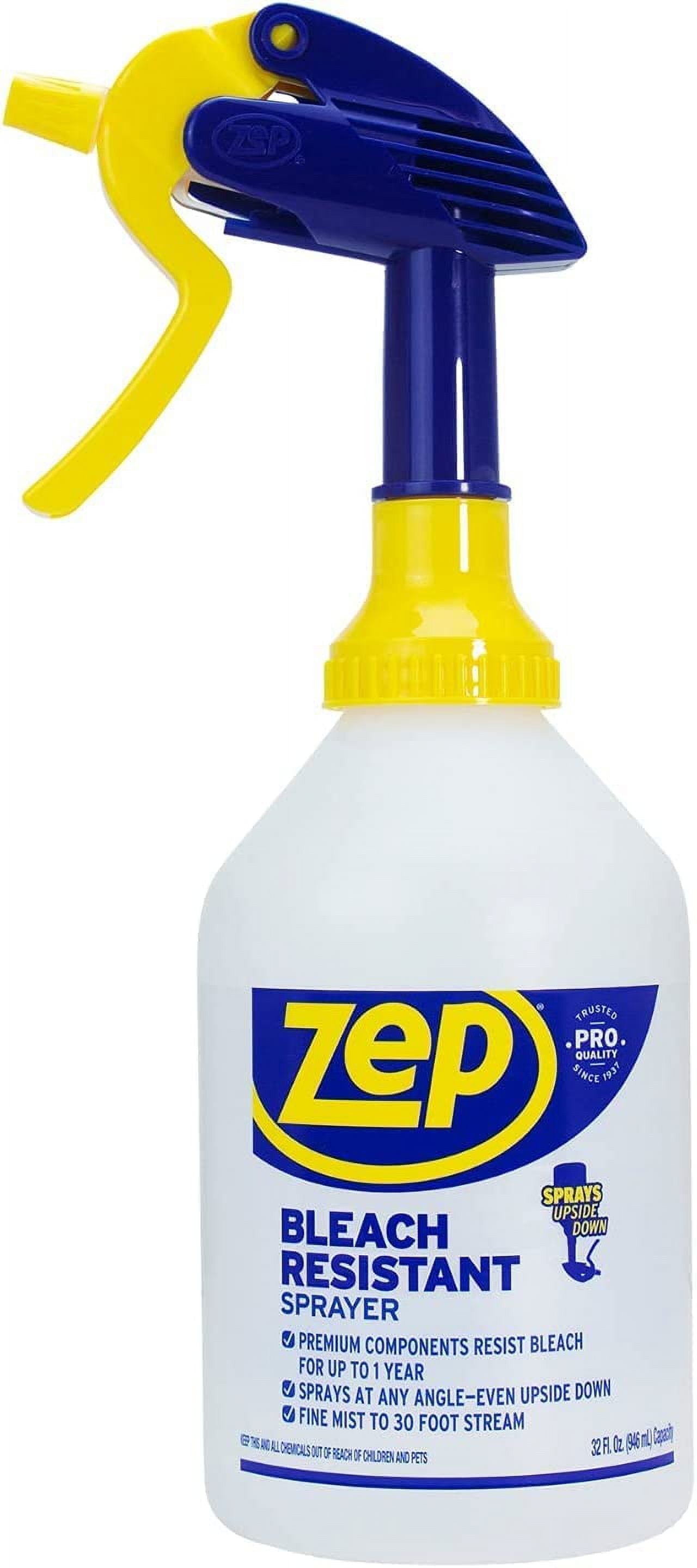
- Use sprayers made of plastic or materials safe for bleach
- Spray outdoors or in well-ventilated areas
Cleaning After Use
Rinse the sprayer well with clean water after using bleach. This stops bleach from damaging the sprayer parts.
Flush water through the sprayer until no bleach smell remains. Store the sprayer dry and away from sunlight.
- Wear gloves while cleaning the sprayer
- Check sprayer nozzles for clogs and clean if needed
- Do not mix bleach with other chemicals in the sprayer
Credit: www.walmart.com
Common Mistakes
Using bleach in a handheld sprayer can be helpful for cleaning. People often make mistakes that can cause problems. These errors can harm you or damage your sprayer.
Knowing the common mistakes helps you use bleach safely and correctly. Always handle bleach with care and attention.
Mixing Bleach With Other Chemicals
Mixing bleach with other chemicals is very dangerous. It can create harmful gases that hurt your lungs and eyes. Never combine bleach with ammonia or acids.
Always use bleach on its own or with water as directed. Mixing can also reduce bleach’s cleaning power.
- Do not mix bleach with ammonia
- Avoid combining bleach with vinegar or acids
- Use only water to dilute bleach
Using Incorrect Sprayers
Not all sprayers work with bleach. Some sprayers get damaged by bleach’s chemicals. Using the wrong sprayer can cause leaks or break the sprayer.
Choose a sprayer made from materials that resist bleach, like plastic or stainless steel. Avoid sprayers with metal parts that rust easily.
- Use bleach-safe sprayers only
- Check for plastic or stainless steel parts
- Do not use sprayers meant for fertilizers or oils
Ignoring Label Instructions
Bleach bottles have important safety and use instructions. Ignoring them can cause accidents or poor cleaning results. Always read the label before using bleach.
Labels tell you how much bleach to use and how to dilute it. They also warn about safe handling and storage.
- Follow dilution directions carefully
- Wear protective gear if recommended
- Store bleach away from children and pets
Faqs
Many people ask if they can put bleach in a handheld sprayer. It is important to understand the effects of bleach on the sprayer and the environment. This FAQ section answers common questions about using bleach safely.
Read on to learn about bleach’s impact on sprayer parts, how long it can stay in the sprayer, its safety for plants, and what to do if you spill it.
Can Bleach Damage Sprayer Parts?
Bleach is a strong chemical and can damage some sprayer parts. It may cause plastic, rubber, or metal parts to wear out faster. This damage can lead to leaks or broken sprayers.
- Use sprayers made with bleach-resistant materials.
- Rinse the sprayer well after using bleach.
- Avoid leaving bleach inside the sprayer for a long time.
How Long Can Bleach Stay In A Sprayer?
It is best not to keep bleach in a sprayer for more than 24 hours. Bleach breaks down over time and loses its strength. Also, it can cause damage inside the sprayer if left too long.
| Time Bleach Stays in Sprayer | Effect |
| Less than 24 hours | Safe to use, less damage |
| 24 to 48 hours | Bleach weakens, sprayer parts may start to corrode |
| More than 48 hours | Bleach loses effectiveness and damages sprayer parts |
Is Bleach Safe For Plants When Sprayed?
Bleach is not safe for plants. It can burn leaves and damage roots. Avoid spraying bleach directly on plants or soil.
- Use bleach only on hard surfaces.
- Keep bleach sprays away from plants.
- Rinse any area that accidentally gets sprayed with water.
What To Do If Bleach Spills?
If bleach spills, act quickly to reduce harm. Clean up spills safely to protect yourself and the environment.
- Wear gloves and eye protection.
- Use water to dilute the bleach spill.
- Wipe up the area with paper towels or a cloth.
- Dispose of cleanup materials safely.
- Wash your hands thoroughly after cleanup.

Credit: www.amazon.com
Frequently Asked Questions
Can Bleach Damage A Handheld Sprayer?
Yes, bleach can corrode metal parts and degrade rubber seals in handheld sprayers. Use plastic sprayers designed for bleach to avoid damage.
Is It Safe To Spray Bleach Indoors?
Spraying bleach indoors can release harmful fumes. Ensure proper ventilation and wear protective gear to minimize health risks.
How To Dilute Bleach For Handheld Sprayers?
Dilute bleach with water, typically 1 part bleach to 10 parts water. Follow manufacturer instructions for safe and effective cleaning.
Can Bleach Residue Harm Plants When Sprayed?
Bleach residue can harm plants by burning leaves and roots. Avoid spraying bleach directly on plants or soil.
Conclusion
Bleach can be used in a handheld sprayer with care. Always dilute bleach properly before adding it to the sprayer. Using full-strength bleach can damage the sprayer and surfaces. Clean the sprayer well after use to avoid corrosion. Wear gloves and work in a ventilated area for safety.
Spraying bleach helps kill germs and clean surfaces effectively. Follow these steps to protect yourself and your equipment. This simple advice keeps your sprayer working longer and your space clean.
