
Are you wondering if you can fill your lawn roller with sand? You’re not alone.
Many people ask this because sand is easy to find and seems like a good way to add weight. But is it really the best choice? What happens to your roller when you use sand instead of water or other materials?
Keep reading to find out the surprising facts that can save you time, money, and frustration. This simple decision could make a big difference in how well your lawn roller works for you.
Credit: www.vevor.ca
Lawn Roller Basics
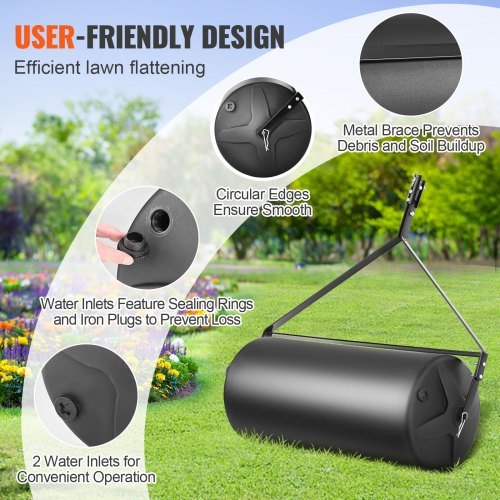
A lawn roller is a tool used to flatten the ground. It helps make your lawn smooth and even.
People use lawn rollers after planting grass or fixing bumps in the yard. Filling the roller with sand or water changes its weight and effect.
Types Of Lawn Rollers
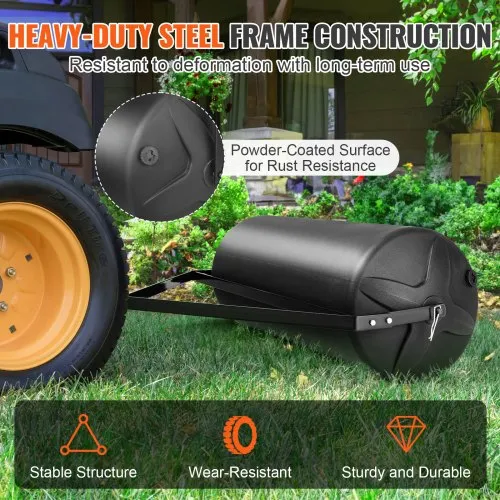
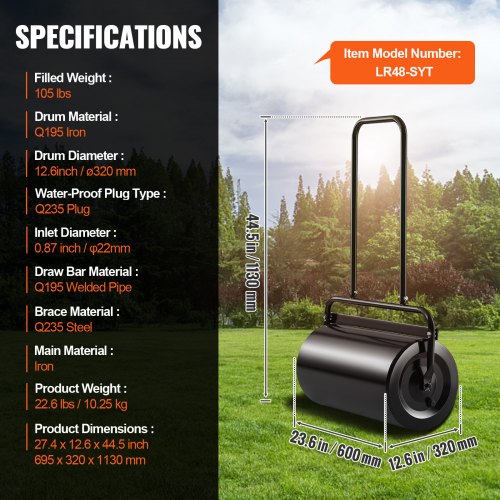
Lawn rollers come in different types based on size and filling options. Some are light and easy to carry. Others can be filled with water or sand for extra weight.
- Water-filled rollers:Easy to fill and empty, lightweight when empty.
- Sand-filled rollers:Heavier and provide more pressure on the soil.
- Steel rollers:Very heavy and durable, no filling needed.
Purpose And Benefits
| Purpose | Benefits |
| Flatten soil after seeding | Improves seed contact with soil for better growth |
| Remove bumps and uneven areas | Creates a smooth, even lawn surface |
| Press sod into place | Helps sod roots connect with soil |
| Compact soil in patches | Reduces soil shifting and damage |
Filling Options For Lawn Rollers
Lawn rollers help flatten your yard and improve soil contact. You can fill them with different materials to add weight. Choosing the right filler affects the roller’s ease of use and effectiveness.
This guide explains common filling options for lawn rollers. Learn the pros and cons of each to pick the best one for your needs.
Water Vs. Sand
Water is the most common filler for lawn rollers. It is easy to add and remove, making the roller light when empty. Sand is heavier and gives more weight but can be harder to handle.
- Water:Easy to fill and drain, light when empty, but can freeze in cold weather.
- Sand:Adds more weight, does not freeze, but is difficult to empty and can settle unevenly.
Other Filling Materials
Besides water and sand, some people use alternative materials to fill lawn rollers. Each has unique benefits and drawbacks.
| Material | Weight | Ease of Filling | Notes |
|---|---|---|---|
| Gravel | Heavy | Difficult | Good weight but hard to remove |
| Concrete Mix | Very Heavy | Not Recommended | Permanent, damages roller if used |
| Air | Light | Easy | For very light rolling only |
| Water with Antifreeze | Moderate | Easy | Prevents freezing in cold climates |
Advantages Of Using Sand
Filling a lawn roller with sand offers several benefits. Sand increases the roller’s weight, making it more effective. It also helps the roller stay stable during use.
Understanding these advantages can help you decide if sand is the right choice for your lawn roller.
Weight And Stability
Sand adds significant weight to the lawn roller. This extra weight improves the roller’s ability to flatten soil and grass evenly. A heavier roller presses down better, reducing bumps and uneven patches.
- Sand is dense and packs tightly, increasing roller mass.
- Heavier rollers hold steady on slopes and uneven ground.
- More weight means less effort to achieve smooth results.
- Sand-filled rollers resist tipping and sliding during use.
Durability And Maintenance
| Aspect | Benefit of Using Sand |
| Durability | Sand resists corrosion inside the roller better than water. |
| Maintenance | Sand does not freeze, so the roller is usable in cold weather. |
| Refilling | Sand is easy to add or remove as needed for weight control. |
| Cost | Sand is affordable and widely available for refills. |
Credit: www.vevor.ca
Potential Drawbacks Of Sand
Filling a lawn roller with sand may seem like a good idea. Sand is easy to find and can add weight to the roller.
Still, sand has some drawbacks that you should consider before using it in your lawn roller.
Wear And Tear Concerns
Sand can cause more wear and tear on the lawn roller. The grains can rub against the inside of the roller.
This rubbing may cause scratches or damage to the roller’s inner surface over time. It can reduce the roller’s lifespan.
Also, sand may settle unevenly. This can make the roller unbalanced and harder to push.
Handling And Safety Issues
Sand makes the roller very heavy. This can make it hard to move, especially on slopes.
Heavier rollers increase the risk of injury if you lose control. You may strain your muscles or hurt your back.
- Heavy weight can cause accidents if the roller slips.
- Sand inside may leak if the roller cracks or breaks.
- Leaked sand can be messy and cause slipping hazards.
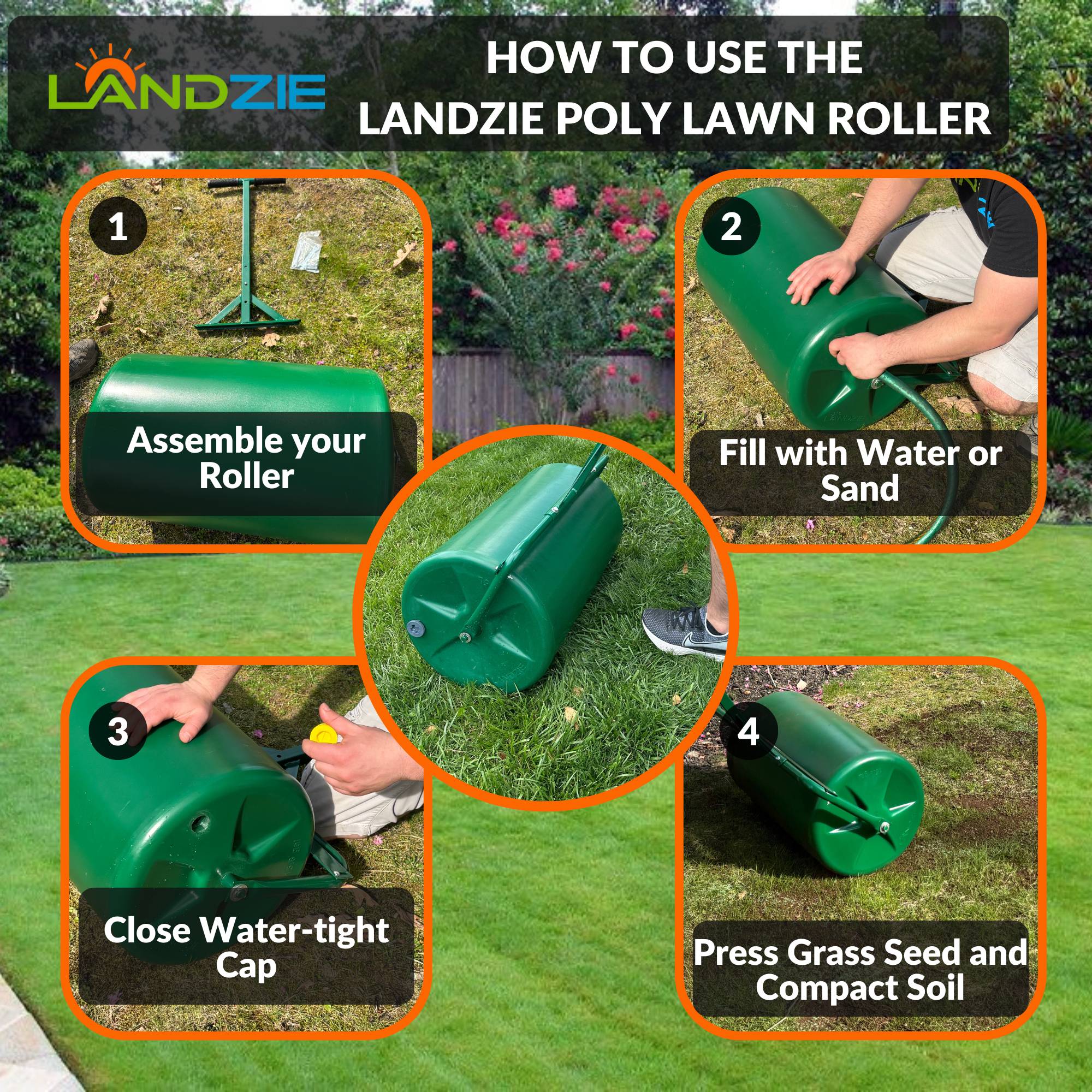
Step-by-step Sand Filling Guide
Filling a lawn roller with sand can enhance its effectiveness. It provides the necessary weight to flatten your lawn.
This guide will walk you through the process, ensuring your roller is ready for use.
Preparing The Roller
Before filling, check the condition of your lawn roller. Ensure it’s clean and dry to prevent rust.
- Inspect for any damage or leaks.
- Gather necessary tools: funnel, sand, and water if needed.
- Place the roller on a flat surface.
Filling Process
Now, it’s time to fill the roller. This step requires precision to avoid spills.
Use a funnel for easier filling Use a funnel to pour sand into the roller. Fill it to your desired weight.
Sealing And Testing
After filling, you need to seal the roller securely. This prevents sand from leaking out.
| Action | Purpose |
| Seal the lid tightly | Prevent leaks |
| Test the roller | Ensure proper weight and balance |
| Store correctly | Maintain roller condition |
Test the roller by rolling it across a small patch of lawn. Check for even pressure and balance.
Maintenance Tips For Sand-filled Rollers
Sand-filled lawn rollers need regular care to last longer. Proper cleaning and storage keep them working well.
Follow simple steps to maintain your roller and avoid damage from dirt and weather.
Cleaning Procedures
Clean your sand-filled roller after each use. Dirt and grass can stick to the surface and cause rust or wear.
- Use a stiff brush to remove grass and mud from the roller surface.
- Rinse the roller with water to wash away loose dirt.
- Dry the roller thoroughly with a cloth to prevent rust.
- Check for cracks or damage and fix them before storage.
- Lubricate any moving parts to keep them smooth.
Storage Recommendations
Store your roller in a dry place to protect it from rain and moisture. Avoid leaving it outside for long periods.
| Storage Tip | Reason |
| Keep roller off the ground | Prevents moisture damage and rust |
| Cover roller with a tarp or cloth | Keeps dust and dirt away |
| Store in a shed or garage | Protects from weather changes |
| Empty sand before long storage | Reduces weight and pressure on frame |
Expert Advice And Alternatives
Filling a lawn roller with sand is a common choice. It helps create a smooth surface for your lawn. But is it the best option for every situation? Let’s explore expert advice and alternatives.
When To Choose Sand
Sand is heavy and provides good weight. This helps flatten uneven areas in your lawn. Use sand if your lawn has many bumps or is new.
It is also easy to find and affordable. Sand works well for most residential lawns and small areas.
Other Effective Filling Choices
Water is another option for filling a lawn roller. It is easy to use and adjust. You can fill or empty it as needed.
- Water is lighter than sand, making it easier to handle.
- It is suitable for softer lawns.
- Water is free and convenient for quick tasks.
Concrete is a permanent choice for heavy-duty needs. It offers the most weight for challenging lawns.
- Concrete is ideal for large, uneven areas.
- It requires careful planning before use.
- Concrete is not adjustable once set.
Credit: www.walmart.com
Frequently Asked Questions
Can I Fill A Lawn Roller With Sand?
Yes, you can fill a lawn roller with sand. Sand adds weight and helps flatten the soil effectively. Ensure your roller is designed to handle sand, as some models require water or a mixture for optimal performance.
Is Sand Better Than Water For Lawn Rollers?
Sand provides more weight than water, making it ideal for heavy-duty rolling. However, water is easier to fill and empty. Choose based on your lawn’s needs and the roller’s design to avoid damage or inefficiency.
How Much Sand Does A Lawn Roller Hold?
The capacity varies by roller size, typically between 20 to 50 kilograms. Always check the manufacturer’s specifications to avoid overfilling and ensure safe handling and effective lawn rolling.
Can Sand Damage My Lawn Roller?
Sand can cause abrasion inside the roller if not maintained properly. Clean and dry the roller after use to prevent rust and wear. Proper care prolongs the roller’s lifespan and performance.
Conclusion
Filling a lawn roller with sand can add extra weight. This helps flatten soil or seedbeds more effectively. Make sure the roller is designed to hold sand safely. Overfilling may cause damage or make it hard to move. Water can be an easier option for some rollers.
Choose the right fill based on your lawn needs. Proper use will give your lawn a smooth, even look. Simple steps lead to better gardening results every time.
