
Are you tired of spending hours cleaning your yard and still not getting the results you want? A yard vacuum could be the game-changer you need.
But before you buy one, you probably have questions. What exactly does a yard vacuum do? Is it easy to use? Will it handle leaves, sticks, and debris without clogging? This Yard Vacuum FAQ will answer all your burning questions, helping you choose the right tool and make yard cleanup faster and easier than ever.
Keep reading to discover tips and insights that will save you time and effort in your outdoor chores.

Credit: www.familyhandyman.com
Choosing The Right Yard Vacuum
A yard vacuum helps keep your outdoor space clean by picking up leaves and debris. Picking the right one saves time and effort.
Think about your yard size and what type of debris you want to collect. This helps you find the best vacuum for your needs.
Types Of Yard Vacuums
There are several types of yard vacuums. Each type works best for different tasks and yard sizes.
Some vacuums shred leaves while others only collect them. Some models can also mulch small sticks and grass clippings.
- Walk-behind vacuums are easy to use and good for medium yards.
- Tow-behind vacuums attach to a lawn tractor for large yards.
- Handheld vacuums are light and great for small areas.
Power Sources Explained
Yard vacuums use different power sources. Each has benefits and limits to consider.
Gas-powered vacuums offer strong power for big jobs. Electric models are quieter and need less maintenance.
- Gas: Good for large yards and heavy debris.
- Corded electric: Best for small yards near outlets.
- Battery-powered: Offers mobility without cords but limited run time.
Size And Capacity Matters
Yard vacuum size affects how much debris it can hold. Choose a size that fits your yard work needs.
A large capacity means fewer stops to empty the vacuum. Smaller models are easier to store and move.
- Large capacity suits big yards and heavy leaf fall.
- Small capacity fits small yards and light debris.
- Balance size with storage space and weight for comfort.
Key Features To Consider
Choosing the right yard vacuum can make yard work easier. It helps keep your lawn clean and tidy.
Look at important features before buying. These features affect how well the vacuum works for you.
Suction Power And Efficiency
Suction power is how strong the vacuum pulls leaves and debris. Strong suction cleans better and faster.
Efficiency means using less energy while working well. Efficient models save power and run longer.
- Check the motor power (measured in amps or watts)
- Look for adjustable suction settings
- Consider how well it handles wet or dry leaves
Bag Or Bagless Systems
Bags collect leaves and debris for easy disposal. Bagless systems use a container you empty directly.
Bags need replacing or cleaning. Bagless models save money but may need more frequent emptying.
- Bags keep dust contained
- Bagless systems are quick to empty
- Consider how easy it is to remove and clean
Noise Levels And Vibration
Yard vacuums can be noisy and cause vibration. Lower noise is better for your ears and neighbors.
Less vibration means more comfort when using the vacuum. It also reduces hand fatigue during work.
- Look for decibel ratings under 70 dB for quieter use
- Check user reviews about vibration levels
- Choose models with vibration dampening features
Using Yard Vacuums Effectively
Yard vacuums help keep your lawn clean and tidy. They collect leaves, grass, and other debris fast.
Using them right makes your work easier and keeps your yard healthy. Learn some tips for best results.
Best Practices For Lawn Cleaning
Clean your yard regularly to avoid buildup of leaves and debris. Work in small areas to avoid overloading the vacuum.
- Check the vacuum bag or container and empty it when half full.
- Use the vacuum during dry weather for better suction.
- Move slowly to pick up all debris without missing spots.
- Wear gloves and protective clothing for safety.
Handling Different Debris Types
Different debris needs different care. Yard vacuums work best on dry leaves and small twigs.
| Debris Type | Vacuum Use Tips |
| Dry Leaves | Pick up easily, avoid wet spots |
| Grass Clippings | Vacuum after mowing, but not wet |
| Small Twigs | Can clog vacuum, remove large sticks first |
| Wet Leaves | Hard to vacuum, best to rake |
Safety Tips And Maintenance
Safety keeps you and the machine in good shape. Always check your yard for large objects before vacuuming.
- Wear eye and ear protection while operating the vacuum.
- Keep children and pets away from the working area.
- Clean the vacuum filter and empty the bag after each use.
- Inspect the vacuum for damage regularly and fix issues right away.
Credit: www.lawnsite.com
Common Issues And Solutions
Yard vacuums help keep your outdoor space clean. Sometimes, they face problems that stop them from working well.
Below are common issues and easy fixes to get your yard vacuum running smoothly again.
Troubleshooting Suction Problems
If your yard vacuum has weak suction, dirt and leaves may not get picked up well. Check the hose and openings for air leaks or damage.
- Clean or replace air filters to improve airflow.
- Inspect hoses for holes or cracks and seal them tightly.
- Make sure the vacuum bag is not full or clogged.
- Check that all parts are connected firmly with no gaps.
Dealing With Clogs And Blockages
Blockages stop your yard vacuum from working properly. Leaves, twigs, and dirt can get stuck inside the machine.
| Cause | Solution |
| Twigs stuck in hose | Remove hose and clear debris by hand |
| Leaf buildup in chute | Turn off vacuum and clean chute carefully |
| Full vacuum bag | Empty or replace the bag regularly |
| Wet leaves clogging parts | Allow leaves to dry before vacuuming |
Maintaining Motor And Blades
Good care of the motor and blades keeps your yard vacuum working longer. Dirt and damage cause poor performance.
Follow these tips to maintain your yard vacuum:
- Turn off and unplug before any cleaning or repairs.
- Check blades for damage or dullness; sharpen or replace if needed.
- Clean motor vents to prevent overheating.
- Lubricate moving parts following the user manual.
- Store vacuum in a dry place to avoid rust and damage.
Comparing Yard Vacuums To Alternatives
Yard vacuums help clean leaves and debris from your yard. Many people wonder how they compare to other tools. This guide looks at yard vacuums, leaf blowers, and manual raking.
Each method has its own strengths and weaknesses. Understanding these can help you choose the right tool for your yard work.
Vacuums Vs. Leaf Blowers
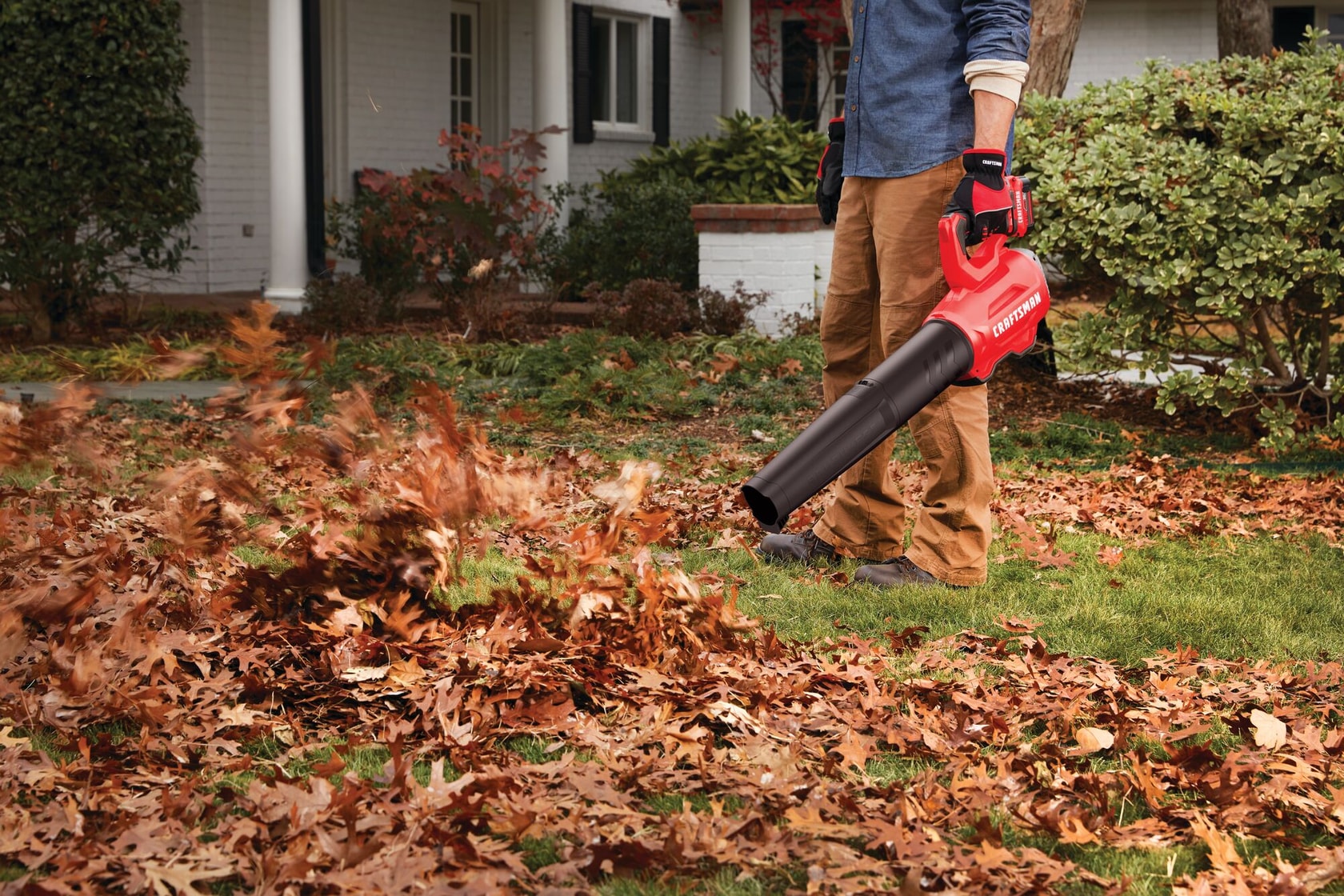
Yard vacuums suck up leaves and small debris. Leaf blowers push leaves into piles for easy pickup. Vacuums collect waste directly, while blowers move it around.
Leaf blowers are faster for clearing large areas. Vacuums work better on wet leaves and small debris. Vacuums reduce dust and spread less dirt into the air.
- Vacuums collect leaves and debris immediately
- Leaf blowers push leaves into piles
- Vacuums work well with wet debris
- Leaf blowers are faster for big yards
- Vacuums produce less dust
Manual Raking Benefits
Raking is the oldest way to clean a yard. It needs no fuel or electricity. Raking also gives good exercise and helps you connect with nature.
Manual raking is quiet and does not disturb neighbors. You can also remove large sticks and debris that machines might miss.
- No fuel or power needed
- Provides physical exercise
- Quiet and neighbor-friendly
- Allows detailed cleaning
- Good for small or tight spaces
Cost And Time Efficiency
Yard vacuums tend to cost more upfront than rakes. Leaf blowers usually cost less than vacuums. Raking costs nothing but your time.
Vacuuming can save time on cleanup. Leaf blowers clear leaves quickly but need extra work to collect piles. Raking takes the most time but costs the least money.
| Tool | Initial Cost | Time to Clean | Ongoing Cost |
|---|---|---|---|
| Yard Vacuum | High | Moderate | Fuel/Electricity |
| Leaf Blower | Moderate | Fast | Fuel/Electricity |
| Manual Rake | Low | Slow | None |
Credit: www.craftsman.com
Environmental And Health Considerations
Yard vacuums help keep your garden clean. They also affect the environment and health. It’s important to understand these impacts when using a yard vacuum.
This guide covers how yard vacuums reduce dust and allergens. It also looks at eco-friendly models and noise pollution impacts.
Reducing Dust And Allergens
Yard vacuums can help reduce dust. They suck up leaves and debris that can release dust. This makes the air cleaner to breathe.
Allergens like pollen can be reduced too. Removing these from your yard helps people with allergies feel better.
- Less dust in the air
- Fewer allergens like pollen
- Cleaner breathing environment
Eco-friendly Models
Some yard vacuums are eco-friendly. They use less fuel or electricity. This reduces pollution and saves energy.
Choosing an eco-friendly model is good for the planet. It helps reduce your carbon footprint.
- Lower energy consumption
- Reduced emissions
- Positive environmental impact
Noise Pollution Impact
Yard vacuums can be noisy. This noise can bother people and animals nearby. It’s important to consider this when using a vacuum.
Look for models that are quieter. This helps reduce noise pollution in your area.
- Quieter operation benefits neighbors
- Less stress for pets and wildlife
- Improves community peace
Buying And Budget Tips
Finding the right yard vacuum can be simple with a few tips. Know your budget and what features you need.
Consider the size of your yard and the type of debris you will collect. This will help you choose the best model for your needs.
Where To Shop
There are many places to buy a yard vacuum. Each offers different advantages.
- Home improvement stores often have knowledgeable staff.
- Online retailers provide user reviews and ratings.
- Local garden centers may offer seasonal discounts.
Warranty And Support
Warranties and support can save money in the long run. Check what each brand offers before buying.
Look for companies with good customer service and easy warranty claims. This ensures help if something goes wrong.
Seasonal Deals And Discounts
Buying at the right time can save you money. Many stores offer seasonal deals.
- Sign up for newsletters from your favorite stores.
- Keep an eye on holiday sales events.
- Compare prices between different retailers.
Frequently Asked Questions
What Is A Yard Vacuum Used For?
A yard vacuum collects leaves, grass clippings, and small debris. It helps keep yards clean and tidy. It’s ideal for large outdoor areas with heavy leaf fall or lawn waste.
How Does A Yard Vacuum Work?
A yard vacuum uses a powerful motor and suction to gather debris. It often includes a collection bag or bin. Some models mulch leaves for easier disposal and composting.
Are Yard Vacuums Better Than Rakes?
Yard vacuums save time and effort compared to raking. They reduce physical strain and quickly collect large debris piles. However, rakes work better in tight spaces or delicate plants.
Can Yard Vacuums Mulch Leaves?
Many yard vacuums feature mulching capabilities. They shred leaves into smaller pieces, reducing waste volume. Mulching helps create compost or easy-to-dispose leaf piles.
Conclusion
A yard vacuum helps keep your outdoor space clean and tidy. It saves time and effort when removing leaves and debris. Choosing the right model depends on your yard size and needs. Regular maintenance keeps the vacuum working well for years.
Understanding common questions makes using the vacuum easier. With the right care, your yard stays neat all year. Simple tools can make yard work less tiring and more efficient. A good yard vacuum is a helpful addition to any home.
