
Are you confused about the difference between pruning and cutting? You’re not alone.
Many gardeners and plant lovers use these terms interchangeably, but they actually mean very different things. Understanding the difference can help you keep your plants healthier and looking their best. You’ll discover exactly what sets pruning apart from cutting, when to use each method, and how to do it right.
Keep reading to unlock simple tips that will transform your gardening skills and make your plants thrive.

Credit: www.youtube.com
Pruning Basics
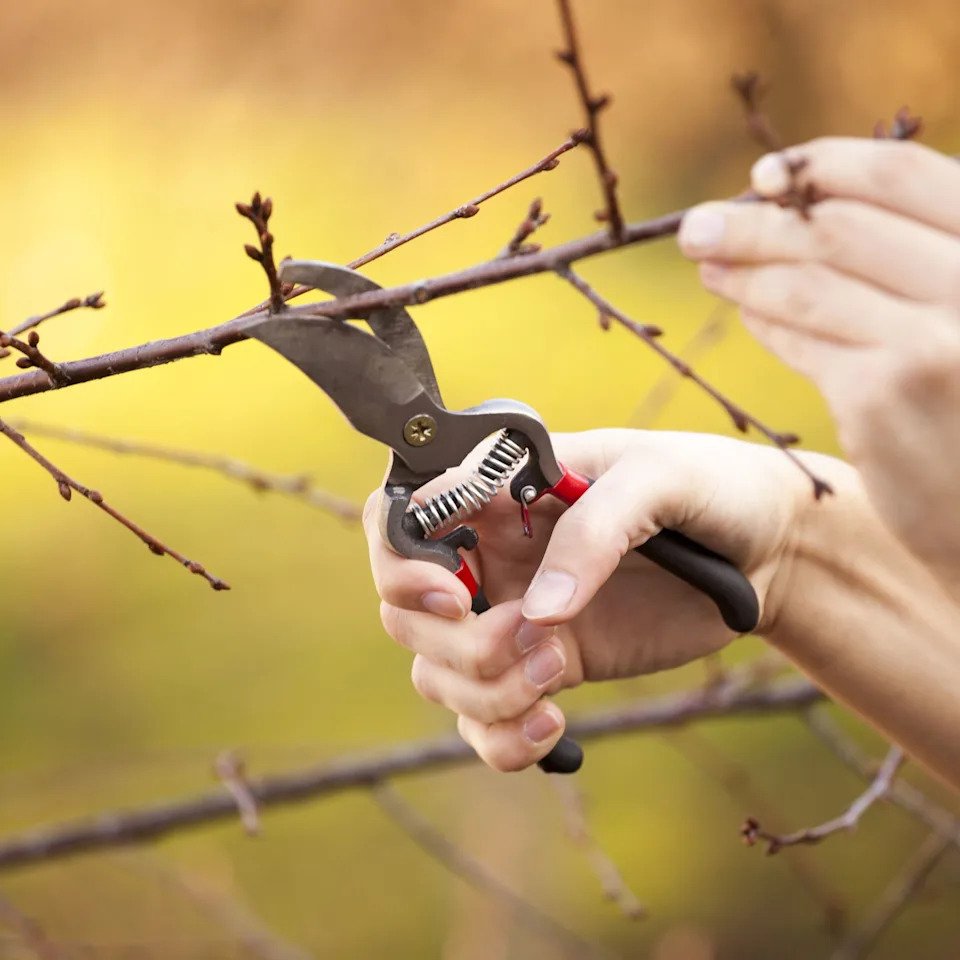
Pruning and cutting are ways to trim plants. Pruning helps plants grow better and stay healthy.
Cutting is a general term for removing parts of a plant. Pruning is a careful and planned type of cutting.
Purpose Of Pruning
Pruning helps plants by removing dead or weak branches. It makes plants stronger and more beautiful.
It also helps flowers and fruits grow better by letting in more sunlight and air.
- Remove dead or damaged parts
- Shape the plant for better growth
- Improve air and light inside the plant
- Encourage more flowers and fruits
Common Pruning Techniques
There are several ways to prune plants. Each way helps with a different goal or plant type.
- Thinning: Remove whole branches to open the plant
- Heading: Cut branch tips to encourage bushier growth
- Pinching: Remove small tips by hand for new shoots
- Renewal: Cut old stems to the base to grow fresh branches
When To Prune
Timing is important for pruning. Prune at the right time to avoid hurting the plant.
Most plants are pruned in late winter or early spring before new growth starts.
- Prune flowering plants after they bloom
- Prune fruit trees in late winter
- Avoid pruning in very cold or hot weather
- Light pruning can be done anytime to remove dead parts
Credit: www.lawnstarter.com
Cutting Essentials
Cutting is an important gardening task that shapes plants and controls growth. It helps keep plants healthy and neat.
Knowing the right way to cut makes a big difference in plant care. It also helps plants grow better.
Types Of Cutting
There are different types of cutting used in gardening. Each type has a special purpose for plant health.
- Pinching: Removing small tips to encourage bushier growth.
- Heading: Cutting back branches to promote new shoots.
- Thinning: Removing whole branches to improve air flow.
- Topping: Cutting the top of the plant to limit height.
Tools Used For Cutting
Using the right tools helps make clean cuts. Clean cuts reduce damage to plants.
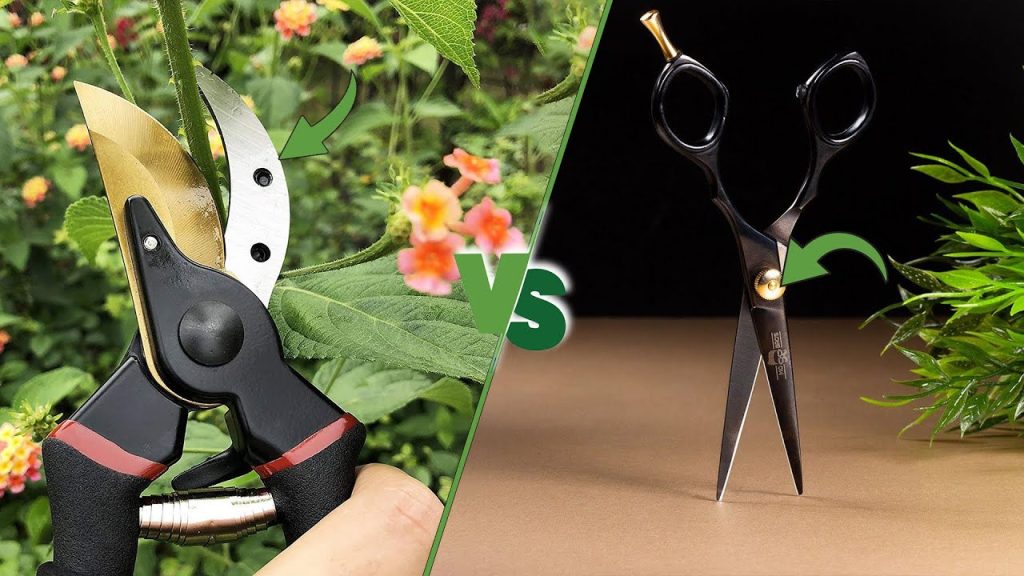
- Pruning shears: For small branches and stems.
- Loppers: For thicker branches up to 2 inches wide.
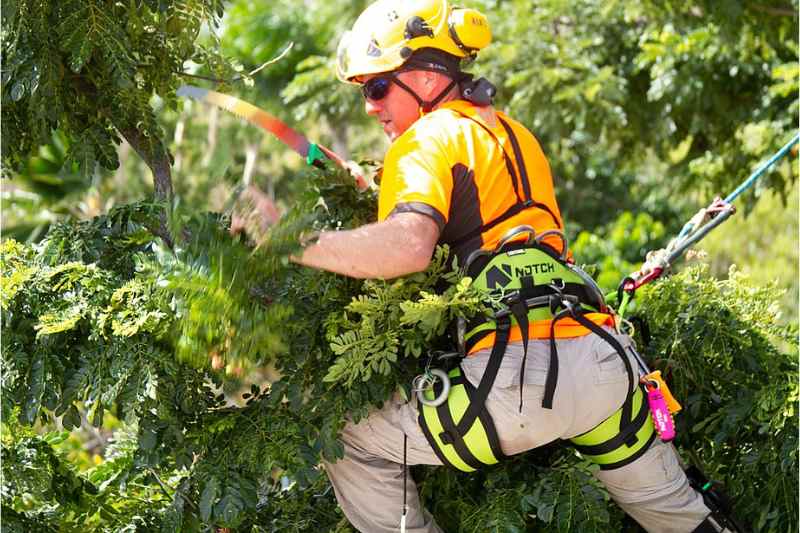
- Hand saws: For cutting large branches.
- Hedge trimmers: For shaping bushes and hedges.
Always keep tools sharp and clean. This prevents plant diseases and makes cutting easier.
Timing For Cutting
Choosing the right time to cut affects plant growth and health. Some plants need cutting in specific seasons.
- Early spring: Best for most plants before new growth starts.
- Late winter: Good for dormant plants to prepare for spring.
- After flowering: Cutting back after blooms fade encourages new flowers.
- Summer: Light cutting to shape plants during growth.
Avoid cutting during very hot or cold weather. This helps plants recover faster.
Pruning Vs Cutting
Pruning and cutting are common gardening practices. Both involve removing parts of plants. Each method serves different purposes and affects plants uniquely.
Understanding their differences helps gardeners keep plants healthy and growing well.
Differences In Goals
Pruning focuses on improving plant health and shape. Cutting often means removing large parts or entire plants. The goals vary depending on what the gardener wants to achieve.
- Pruning:Removes dead or weak branches to help growth.
- Cutting:Cuts back large sections or entire plants for control or removal.
- Pruning:Shapes the plant for better appearance.
- Cutting:Often used to clear space or remove unwanted plants.
Impact On Plant Health
Pruning helps plants stay healthy by removing damaged parts. Cutting can harm plants if done improperly. It sometimes causes stress or disease.
| Aspect | Pruning | Cutting |
| Health Benefit | Improves air flow and sunlight | May damage or stress plant |
| Risk | Low if done correctly | High if excessive or wrong timing |
| Purpose | Remove dead or diseased parts | Remove large parts or entire plant |
Effects On Growth
Pruning encourages new growth and stronger branches. Cutting may stop growth temporarily or permanently. It depends on how much is removed.
- Pruning stimulates buds to grow new shoots.
- Cutting back too much can slow or stop growth.
- Proper pruning leads to healthier, fuller plants.
- Cutting is useful for renewing old plants but needs care.
Choosing Between Pruning And Cutting
Pruning and cutting help plants grow healthy and strong. Both remove parts of a plant. But each has a different goal and method.
Knowing when to prune or cut depends on the plant’s needs and the season. This guide helps you choose the right method.
Assessing Plant Needs
Look at your plant before you start. Pruning trims small branches to shape or remove dead parts. Cutting removes larger sections to control size.
- Prune to encourage new growth and flowers.
- Cut to remove old or unhealthy branches.
- Check if the plant needs shaping or size control.
- Consider the plant type and how it grows.
Seasonal Considerations
| Season | Pruning | Cutting |
|---|---|---|
| Spring | Good for light pruning to shape plants. | Avoid heavy cutting to prevent stress. |
| Summer | Prune dead or damaged branches. | Cut only if necessary to control size. |
| Fall | Prune to prepare plants for winter. | Cut back hard after leaves fall. |
| Winter | Avoid pruning unless plants are dormant. | Cutting is best for dormant plants. |
Common Mistakes To Avoid
Both pruning and cutting need care. Doing it wrong can hurt plants or slow growth.
- Don’t prune too much at once.
- Avoid cutting large branches in the wrong season.
- Use clean and sharp tools to prevent infection.
- Never remove more than one-third of the plant.
- Don’t cut without knowing the plant’s growth cycle.
Benefits Of Proper Pruning And Cutting
Pruning and cutting help keep plants healthy and strong. They improve growth and shape.
Using the right pruning and cutting methods gives many benefits for your garden.
Enhancing Plant Appearance
Pruning and cutting remove dead or extra branches. This makes plants look neat and attractive.
- Shapes plants to fit your garden space
- Removes damaged or weak growth
- Encourages fuller and bushier plants
- Keeps plants tidy and balanced
Promoting Fruit And Flower Production
Proper cutting helps plants focus energy on fruit and flowers. It improves the amount and quality.
| Effect | Benefit |
| Removing old wood | Stimulates new growth |
| Thinning branches | Increases air and light |
| Cutting back shoots | Improves flower size |
| Shaping plants | Supports better fruit development |
Preventing Disease
Cutting and pruning remove infected parts. This stops diseases from spreading.
Key actions to prevent disease:
- Cut off dead or dying branches
- Remove leaves with spots or fungus
- Clear crowded areas for better air flow
- Use clean tools to avoid contamination
Credit: leafyease.com
Frequently Asked Questions
What Is The Main Difference Between Pruning And Cutting?
Pruning involves selectively removing branches to improve plant health. Cutting generally means trimming or removing parts without specific goals. Pruning shapes plants and encourages growth, while cutting may be for general maintenance or removal.
When Should I Prune Instead Of Cutting Plants?
Prune during the plant’s dormant season or early growth phase. This promotes healthy growth and flowering. Cutting is often done anytime for removal or size reduction. Pruning is more strategic and growth-focused.
Does Pruning Help Plants Grow Better Than Cutting?
Yes, pruning stimulates growth by removing dead or overcrowded branches. It directs energy to healthier parts, improving overall plant health. Cutting may not always support growth and can sometimes harm plants if done improperly.
Can Cutting Harm My Plants Compared To Pruning?
Improper cutting can damage plants, causing stress or disease. Pruning uses precise cuts to minimize harm and boost plant health. Always use clean, sharp tools for both pruning and cutting to avoid infection.
Conclusion
Pruning and cutting both help keep plants healthy and neat. Pruning removes dead or extra parts to help growth. Cutting often means trimming for shape or size. Knowing the difference saves time and helps plants thrive. Use pruning to improve health, cutting for simple trimming.
Both are useful tools in gardening. Choose the right method for your plant’s needs. Care and attention make plants look their best. Simple steps lead to better garden results.
