
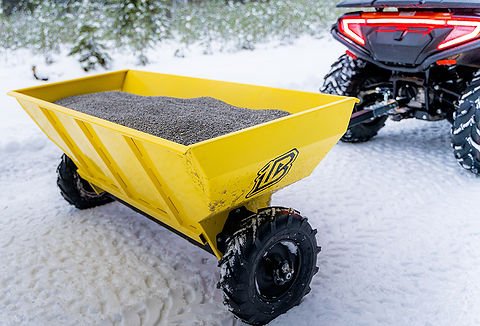
Are you wondering if you can use a spreader for sand? Whether you’re dealing with a sandy lawn, a driveway, or a play area, knowing the right way to spread sand can save you time and effort.
Using the wrong tool might leave you frustrated or create a mess. You’ll discover how a spreader works with sand, what types of spreaders are best, and simple tips to get the job done perfectly. Keep reading to make sure your sand application is smooth, even, and hassle-free.
Types Of Spreaders
Spreader tools help you apply sand evenly on surfaces. Using the right spreader makes the job easier and faster.
There are different types of spreaders for sand. Each type works best for certain tasks and areas.
Drop Spreaders
Drop spreaders release sand directly below the spreader. They give precise control over where sand falls.
These spreaders work well for small areas or narrow strips. They help avoid spreading sand on unwanted spots.
Broadcast Spreaders
Broadcast spreaders throw sand out in a wide pattern. They cover large areas quickly and evenly.
These are good for open spaces like driveways or lawns. They spread sand more broadly than drop spreaders.
Handheld Spreaders
Handheld spreaders are small and easy to carry. You hold them in your hand while walking and spreading sand.
They work well for tight spaces or small jobs. Handheld spreaders give good control but cover less area fast.

Credit: gappower.com
Choosing The Right Spreader For Sand
Using a spreader for sand can help you cover large areas quickly. Picking the right spreader is important for even distribution. Different spreaders work better with certain materials.
This guide explains how to choose a spreader that works well with sand. It also covers how to adjust the settings for best results.
Spreader Compatibility With Sand
Not all spreaders handle sand the same way. Sand is heavier and finer than many other materials. You need a spreader that can move sand without clogging or uneven spreading.
- Drop spreaders work well because they release material directly below.
- Broadcast spreaders can spread sand but may need adjustments to avoid clumping.
- Some spreaders have special settings for heavier materials like sand.
- Check if the spreader has strong agitators to keep sand moving.
Adjusting Settings For Sand
Adjusting your spreader settings helps control how much sand you spread. This prevents over-application or bare spots. Settings depend on the type of spreader and sand grain size.
| Setting Type | Effect on Sand Spread |
| Opening Size | Wider openings release more sand |
| Agitator Speed | Faster speed helps prevent clogs |
| Spreading Width | Adjust to cover the needed area evenly |
| Walking Speed | Slower speed allows better control |
Preparing Sand For Spreading
Using a spreader for sand can save time and effort. Proper preparation of the sand makes spreading easier and more even.
Before spreading, check the sand’s condition. This helps you get the best results with your spreader.
Moisture Levels
Sand moisture affects how well it spreads. Too much water can cause clumps, which block the spreader.
Dry sand flows better but can blow away in the wind. Slightly damp sand is easier to control and spread evenly.
- Dry sand spreads easily but can be dusty
- Wet sand clumps and can block the spreader
- Lightly damp sand spreads most evenly
Particle Size
Sand with uniform particle size spreads more smoothly. Large particles may clog the spreader or fall unevenly.
Fine sand moves easily through the spreader but may blow away if too light. Mixing particle sizes can help balance spreading.
- Fine sand flows well but may be dusty
- Coarse sand can clog the spreader
- Mixed sizes improve spreading control

Credit: www.youtube.com
Techniques For Even Sand Coverage
Using a spreader for sand can help you cover an area evenly and quickly. Proper techniques ensure the sand spreads without clumps or thin spots.
This guide explains how to control spreader speed and overlap. It also covers how to calibrate your spreader for the best results.
Spreader Speed And Overlap
Moving the spreader at the right speed helps sand fall evenly. Too fast, and sand spreads unevenly. Too slow, and it piles up in spots.
- Walk at a steady, moderate pace for best coverage.
- Overlap each pass by about 25% to avoid gaps.
- Keep the spreader level to control sand flow.
- Avoid stopping suddenly to prevent piles.
Calibrating The Spreader
Calibration sets the right amount of sand for your spreader. It helps you apply sand evenly without waste.
| Step | Action | Purpose |
| 1 | Fill spreader with sand | Prepare for test run |
| 2 | Measure a set distance (e.g., 10 feet) | Mark area for spreading |
| 3 | Walk at normal speed and spread sand over distance | Check sand flow rate |
| 4 | Collect remaining sand and weigh amount used | Calculate spread rate |
| 5 | Adjust spreader settings if needed | Control sand output |
Common Mistakes To Avoid
Using a spreader for sand can make your work easier and faster. Yet, some common mistakes can cause problems.
Knowing what to avoid helps you get better results and saves time and materials.
Overloading The Spreader
Putting too much sand in the spreader can cause it to clog or spread unevenly. This can waste sand and create a mess.
- Do not fill the spreader above the recommended level.
- Check the spreader’s capacity before adding sand.
- Refill small amounts often for better control.
Ignoring Calibration
Calibration sets how much sand the spreader releases. Skipping this step leads to too much or too little sand on the surface.
| Calibration Issue | Effect |
| Too High | Sand piles up and wastes material |
| Too Low | Surface may be uneven or bare |
| Not Adjusted | Inconsistent coverage across the area |
Uneven Application
Applying sand unevenly makes some areas too thick and others too thin. This can cause problems with stability and appearance.
- Walk at a steady pace to keep the spread even.
- Overlap passes slightly to avoid gaps.
- Check your work often and adjust if needed.
Maintenance Tips For Spreaders
Spreaders are useful tools for applying sand evenly. They need proper care to work well. Here are some tips for maintaining your spreader.
Regular maintenance keeps your spreader in good condition. It also helps avoid costly repairs. Follow these tips to extend the life of your spreader.
Cleaning After Sand Use
After using your spreader, clean it thoroughly. Sand can stick to parts and cause damage. A clean spreader works better and lasts longer.
Remove any sand left in the hopper. Use a brush to clean tight areas. Wash with water and let it dry completely before storing.
- Empty the hopper after each use
- Brush off sand from all parts
- Rinse with water and dry well
Preventing Rust And Damage
Rust can ruin your spreader. Prevent rust by keeping it dry. Store it in a dry place when not in use.
Check for any signs of rust regularly. Apply oil to moving parts to keep them working smoothly. This prevents wear and tear.
- Store spreader in a dry location
- Inspect for rust and treat immediately
- Oil moving parts often
Alternative Methods For Sand Application
Sand can be spread in various ways for different needs. While spreaders are common, there are other methods to consider.
These alternative methods can be effective for both small and large areas. Each method has its own benefits and is easy to use.
Manual Spreading
Manual spreading is a simple way to apply sand. It requires only basic tools and some effort.
This method is best for small areas or detailed work. It gives you more control over where the sand goes.
Using Shovels And Rakes
Shovels and rakes are useful for spreading sand over larger areas. They are common garden tools that many people already own.
Using these tools, you can easily move and level the sand. This method is practical for gardens and pathways.
- Shovels help scoop and dump sand
- Rakes help spread and level sand evenly
- Both tools are simple and effective

Credit: www.l1feoutdoorsatv.com
Frequently Asked Questions
Can You Use A Spreader For Spreading Sand?
Yes, you can use a spreader for sand. A broadcast or drop spreader evenly distributes sand over large surfaces. It works well for de-icing or lawn topdressing, ensuring uniform coverage and saving time compared to manual spreading.
What Type Of Spreader Is Best For Sand?
A drop spreader is best for sand because it provides controlled, precise distribution. Broadcast spreaders can also work but may scatter sand unevenly. Choose a spreader with adjustable settings to handle the weight and granule size of sand effectively.
How To Avoid Clogging When Spreading Sand?
To avoid clogging, clean the spreader thoroughly before use. Use dry, fine sand to prevent moisture buildup. Adjust the spreader settings to accommodate sand’s heavier weight and larger particles for smooth operation without blockages.
Can Spreaders Handle Different Types Of Sand?
Most spreaders can handle various sand types, including play sand and de-icing sand. However, coarser or wetter sand may cause clogging or uneven spread. Check your spreader’s specifications and adjust settings accordingly for best results.
Conclusion
Using a spreader for sand can work well with the right type. Choose a spreader that handles coarse materials easily. Spread sand evenly to avoid clumps and uneven surfaces. Regular cleaning of the spreader helps it last longer. Keep in mind, some spreaders suit sand better than others.
Testing a small area first saves time and effort. Overall, spreading sand with care gives better results and a smoother finish. Simple steps make the job easier and more efficient.
